

Does a rehabilitation robot glove device really help stroke hand recovery?
Yes—when used consistently as part of a structured rehabilitation program, a rehabilitation robot glove device can improve hand mobility, grip strength, finger coordination, and daily function after a stroke or other neurological injury. These wearable devices use motor-assisted finger movement, repetitive task training, and intelligent sensors to encourage neuroplasticity, the brain's ability to reorganize and form new movement pathways.
While a robotic glove for stroke recovery is not a cure and does not replace physical or occupational therapy, growing clinical evidence suggests that combining therapist-guided treatment with regular home-based robotic training can increase exercise intensity, improve adherence, and support better functional outcomes for many patients.
⏱ 9 min read
Rehabilitation Robot Glove: Top Devices, Features, and Buying Guide (2026)
Rehabilitation robot glove technology is changing how patients recover hand function after stroke, traumatic injury, nerve damage, and orthopedic surgery. Modern robotic hand gloves combine intelligent motion assistance, programmable therapy modes, and digital progress tracking to deliver hundreds of precise repetitions during each training session—something that is difficult to achieve with conventional exercises alone.
Whether you're a stroke survivor, caregiver, therapist, or someone researching home rehabilitation equipment, understanding how these medical rehabilitation gloves work can help you choose a device that matches your recovery goals, budget, and stage of rehabilitation.
Which rehabilitation approach offers the best opportunity to regain independence? This guide compares today's leading rehabilitation robot gloves, explains the technology behind them, and highlights the features that matter most before you buy.
Discover how advanced robotic hand therapy can support consistent rehabilitation at home.
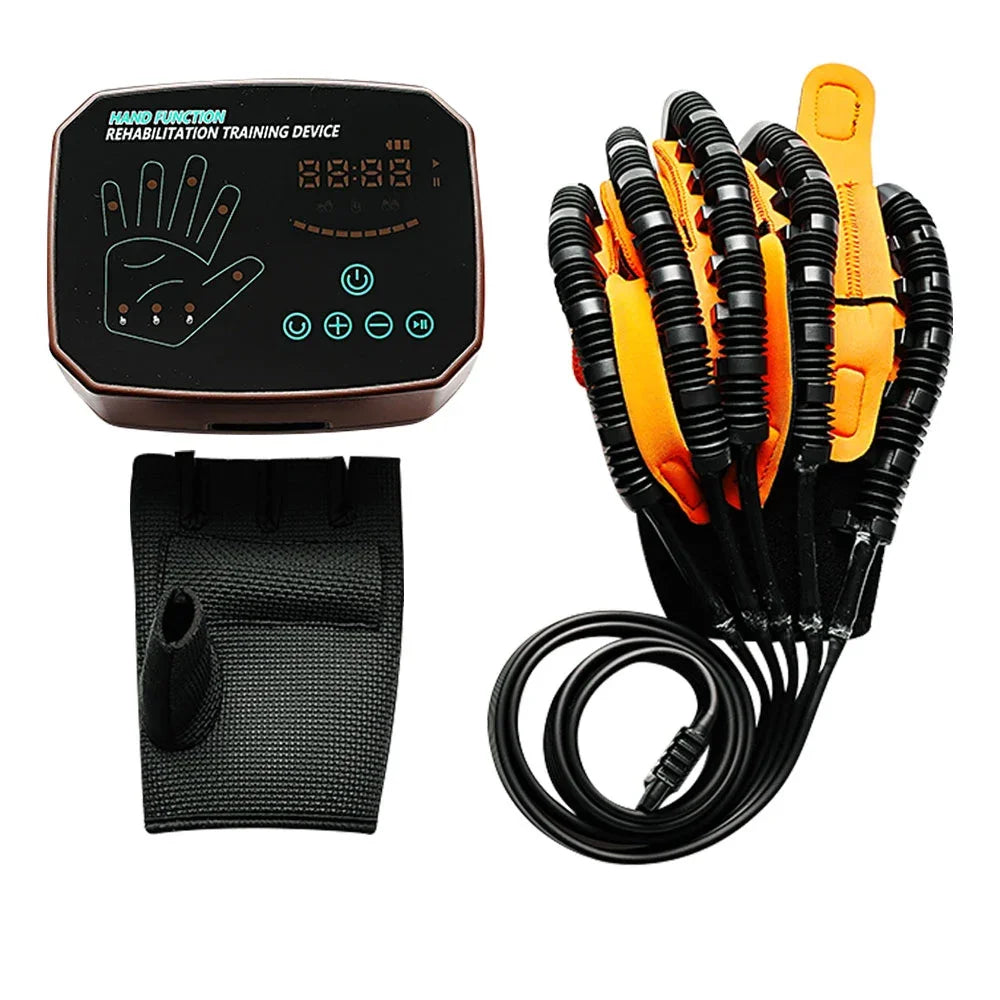
Advanced rehabilitation robot glove device designed to support robotic stroke hand therapy and home rehabilitation.
What Is a Rehabilitation Robot Glove Device?
A rehabilitation robot glove is a wearable medical rehabilitation device that assists hand and finger movement through motorized, cable-driven, or pneumatic technology. It is designed to help people regain hand function after neurological or orthopedic conditions by delivering controlled, repetitive movement that supports motor relearning.
Medical Purpose and Rehabilitation Principles
The primary goal of a robotic hand rehabilitation glove is not simply to move the fingers—it is to promote functional recovery. By repeatedly guiding grasping, releasing, pinching, and extension exercises, the device helps stimulate neuroplasticity while reducing stiffness and encouraging more natural movement patterns.
Many rehabilitation robot gloves also provide adjustable assistance levels, allowing therapy to progress as users regain strength and voluntary control.
Common Conditions Treated
Depending on the device and clinical recommendation, robotic hand gloves may be used during rehabilitation for:
- Stroke-related hand weakness or paralysis
- Peripheral nerve injuries
- Traumatic hand injuries
- Recovery following hand or wrist surgery
- Reduced grip strength caused by neurological disorders
Today's rehabilitation robot gloves range from sophisticated clinical systems operated by therapists to portable home-use models that enable patients to continue daily therapy outside rehabilitation centers. When comparing devices, consider the actuation system, available therapy modes, sensor accuracy, ease of setup, comfort, and data tracking capabilities.
Best Rehabilitation Robot Gloves (Top Models Compared)
Clinical-Grade Systems
Clinical rehabilitation robot gloves are designed for hospitals, rehabilitation centers, and occupational therapy clinics. They typically provide the highest level of precision, extensive therapy customization, and detailed performance analytics for patients recovering from moderate to severe hand impairment.
- Independent multi-finger movement control
- Advanced force, position, and motion sensing
- Customizable therapist-designed training programs
- Comprehensive rehabilitation data and progress reporting
- Best suited for supervised clinical rehabilitation
Home-Use Rehabilitation Gloves
Home-use rehabilitation robot gloves make it easier to continue therapy between clinic visits. Lightweight designs, simplified controls, and rechargeable batteries allow patients to perform frequent rehabilitation sessions that reinforce therapist-guided treatment.
- Easy setup for independent daily use
- Multiple pre-programmed passive and active-assisted training modes
- Portable rechargeable battery operation
- Comfortable designs suitable for repeated sessions
- Ideal for long-term home rehabilitation and maintenance exercises
Budget-Friendly Options
Entry-level rehab robot glove devices focus on essential movement assistance while remaining more affordable. Although they generally offer fewer smart features and less customization than premium systems, they can still provide valuable repetitive hand exercise for appropriate users.
- Basic assisted finger opening and closing exercises
- Straightforward controls with minimal setup
- Lower purchase cost for home rehabilitation
- Suitable for supplemental therapy when recommended by a healthcare professional
Rehabilitation Robot Glove Comparison Table
| Feature | Clinical-Grade | Home-Use | Budget Models |
|---|---|---|---|
| Actuation Type | High-precision electric motors | Electric motors or pneumatic assistance | Basic pneumatic assistance |
| Finger Control | Independent control for each finger | Grouped finger movement with adjustable support | Limited preset movement patterns |
| Training Modes | Passive, active-assisted, resistance, customized programs | Passive and active-assisted exercises | Basic passive training |
| Sensor Feedback | Detailed motion, force, and performance analytics | Basic progress tracking and session records | Minimal or no digital feedback |
| Portability | Low | High | High |
| Best For | Hospitals, rehabilitation centers, therapists | Independent home rehabilitation | Supplemental recovery support |
How a Rehabilitation Robot Glove Works (Technology Explained)
Electric vs Pneumatic Actuation Systems
Every rehabilitation robot glove relies on an actuation system that assists finger movement. Electric motor-driven models use miniature motors, gears, or cable mechanisms to produce highly accurate finger extension and flexion. They are commonly found in clinical environments where therapists need precise control over movement speed, resistance, and therapy programs.
Pneumatic rehabilitation gloves use controlled air pressure to inflate soft chambers that gently move the fingers. Because they produce smooth, compliant motion, pneumatic systems are often preferred for individuals with significant stiffness, pain, or severe hand weakness during the early stages of recovery.
Sensor Feedback and AI-Assisted Movement
Modern robotic hand gloves incorporate multiple sensors that measure finger position, grip force, joint movement, and exercise completion. These measurements allow the device to monitor rehabilitation progress objectively rather than relying only on subjective observation.
Some advanced rehabilitation robot gloves also use adaptive software that gradually adjusts assistance levels as users regain strength and voluntary movement. Instead of providing maximum assistance throughout every session, the device encourages increasing participation from the patient as recovery progresses.
Passive vs Active Training Modes
Most quality rehabilitation robot gloves include several therapy modes to match different stages of recovery.
- Passive training: The glove performs the movement while the hand remains relaxed, making it suitable for individuals with little or no voluntary finger motion.
- Active-assisted training: The user initiates movement and the glove supplies additional assistance only when needed.
- Active or resistance training: As strength improves, the device provides less assistance or introduces resistance to encourage greater muscle activation.
Using multiple training modes throughout rehabilitation helps therapists gradually increase challenge while supporting safe, repetitive practice.
How Robotic Glove Stroke Therapy Supports Neuroplasticity
Following a stroke, damaged neural pathways may limit communication between the brain and the muscles of the hand. Rehabilitation focuses on neuroplasticity—the brain's ability to create new pathways through repeated, meaningful movement practice. A rehabilitation robot glove helps deliver the high number of repetitions often required to reinforce these new motor patterns.
How Motor-Assisted Finger Training Restores Grip Strength
- Repeated finger extension helps reduce stiffness and maintain joint mobility.
- Guided grasp-and-release exercises reinforce coordinated movement patterns.
- Frequent repetition promotes motor relearning and supports neuroplastic changes.
- Progressively increasing assistance or resistance helps improve grip strength and endurance over time.
Because home rehabilitation devices can be used regularly between therapy appointments, many patients are able to complete substantially more therapeutic repetitions than clinic visits alone would allow.
Learn how consistent robotic hand therapy sessions can support long-term rehabilitation goals.
How Intelligent Sensors Track Real Recovery Progress
Objective measurements make it easier for patients and therapists to monitor improvement and adjust rehabilitation plans. Depending on the device, tracked metrics may include:
- Grip force and hand strength
- Finger range of motion
- Movement accuracy and coordination
- Training frequency and session duration
Tracking measurable progress can improve motivation, demonstrate functional gains, and help identify when therapy programs should become more challenging.
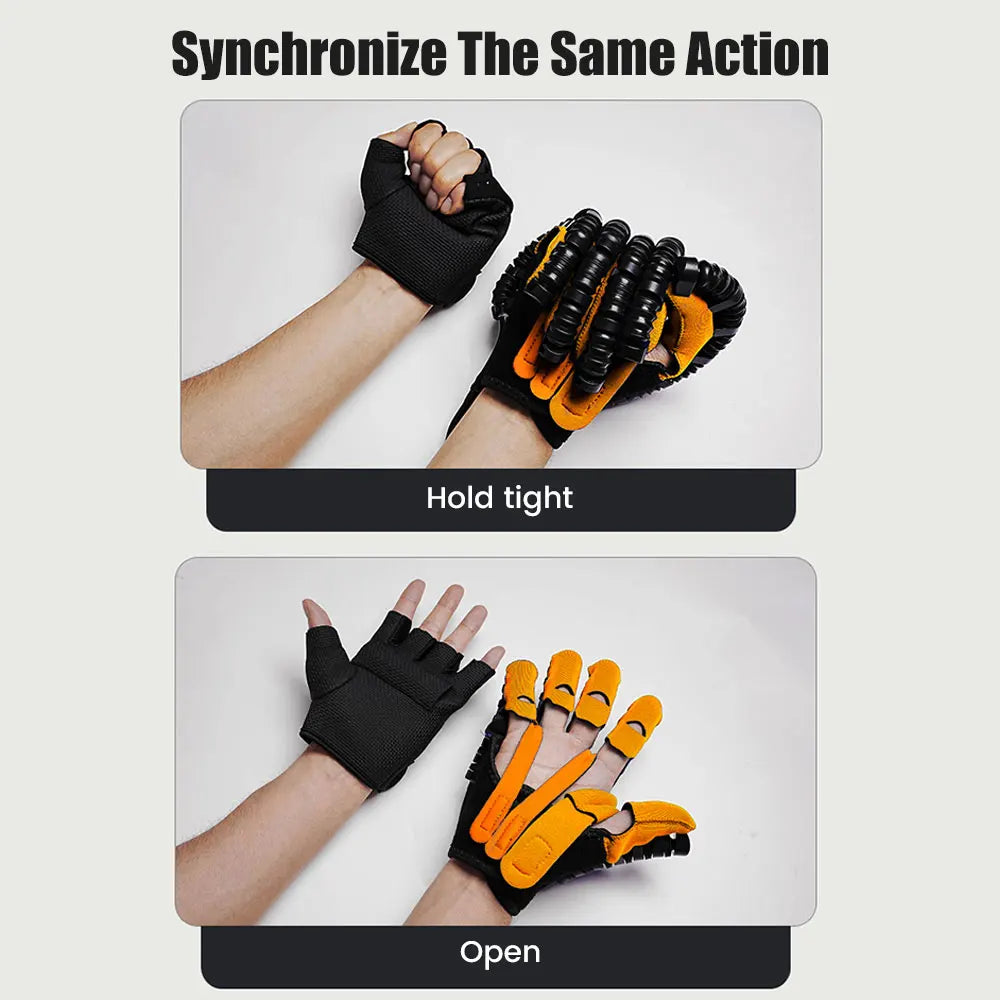
Robotic hand glove supporting grip strength training and consistent home rehabilitation.
How Home Rehabilitation Devices Reduce Caregiver Strain
Home-use rehabilitation robot gloves can make daily therapy more manageable for both patients and caregivers by enabling structured exercise sessions with less manual assistance.
- Reduces the need for caregivers to manually guide repetitive hand exercises
- Provides consistent therapy routines between clinical appointments
- Encourages greater independence and confidence during rehabilitation
- Supports better adherence through guided, repeatable training programs
Rehabilitation Robot Glove Device vs Traditional Hand Therapy
Robotic hand rehabilitation and conventional physical or occupational therapy are complementary rather than competing approaches. A rehabilitation robot glove delivers high-volume, repeatable practice, while therapists evaluate movement quality, adapt treatment plans, and address functional tasks that technology alone cannot replace.
- Consistency: Rehabilitation robot gloves provide repeatable, standardized hand and finger movements during every session.
- Training intensity: Home-based devices make it easier to complete frequent therapy sessions between clinic appointments.
- Accessibility: Patients can continue structured rehabilitation without traveling to a rehabilitation center every day.
- Clinical expertise: Physical and occupational therapists assess progress, correct movement patterns, and tailor exercises to individual recovery goals.
- Best approach: Combining therapist-guided care with regular robotic glove training often provides the greatest opportunity for functional improvement.
Who Should Use a Robotic Hand Glove?
Stroke Survivors
Stroke survivors with reduced hand movement, impaired grip strength, or limited finger coordination are among the most common users of rehabilitation robot gloves. Guided repetitive training can help support motor relearning while encouraging greater independence in everyday activities.
Hand Injury & Nerve Damage Patients
People recovering from peripheral nerve injuries, tendon repairs, fractures, or hand surgery may benefit from carefully supervised robotic hand therapy as part of a broader rehabilitation program. These devices can assist with restoring flexibility, coordination, range of motion, and functional strength.
Clinics, Therapists, and Rehab Centers
Hospitals, occupational therapists, and rehabilitation clinics often use robotic hand gloves to provide structured therapy sessions, collect objective performance data, and increase the number of therapeutic repetitions completed during treatment.
Who Should Avoid Using One Without Medical Guidance?
Although rehabilitation robot gloves are designed with safety features, they may not be appropriate for everyone. Medical evaluation is recommended before use if you have:
- Unstable fractures or recently repaired tendons
- Severe joint deformities or uncontrolled muscle spasticity
- Open wounds, skin infections, or significant swelling of the hand
- Severe pain during passive finger movement
- Medical conditions requiring individualized rehabilitation protocols
A physician or rehabilitation specialist can determine whether robotic hand therapy is appropriate and recommend the safest training intensity.
How Much Does a Rehabilitation Robot Glove Cost?
The price of a rehabilitation robot glove depends on its technology, level of assistance, sensing capabilities, software features, and intended use. Clinical systems designed for hospitals generally cost considerably more than portable home rehabilitation models.
Clinical Devices
- Typical price: $5,000–$20,000+
- Advanced motor control and individual finger assistance
- Comprehensive sensor feedback and rehabilitation analytics
- Therapist programming and customized treatment protocols
- Best suited for hospitals and rehabilitation centers
Home Rehabilitation Gloves
- Typical price: $1,000–$5,000
- Portable and rechargeable for daily home use
- Multiple assisted training modes
- Simplified controls for independent rehabilitation
- Designed to complement therapist-guided treatment
Entry-level rehabilitation robot gloves generally range from $300 to $1,000. These devices typically provide basic assisted hand opening and closing exercises with fewer customization options and limited progress tracking.
Insurance and Reimbursement
Insurance coverage varies depending on your country, healthcare provider, diagnosis, and the intended medical use of the device. Some clinical rehabilitation programs, veterans' services, workers' compensation plans, or private insurers may cover part of the cost when a rehabilitation robot glove is prescribed by a healthcare professional.
Before purchasing, ask the supplier whether the device qualifies for reimbursement, requires a prescription, or can be rented through a rehabilitation clinic. For many patients, choosing a reliable home rehabilitation glove that supports consistent daily training provides better long-term value than focusing solely on the lowest purchase price.
What to Look for Before Buying a Rehabilitation Robot Glove
Choosing the right rehabilitation robot glove depends on your diagnosis, stage of recovery, therapy goals, and whether the device will be used at home or in a clinical setting. Focusing on the following features can help you select a rehabilitation glove that provides safe, effective, and comfortable hand therapy.
- Match the device to your therapy goals: Consider whether you need early passive movement, active-assisted exercises, strength training, or long-term maintenance after recovery.
- Actuation technology: Compare electric, pneumatic, or cable-driven systems based on the level of precision, comfort, and assistance required.
- Training modes: Look for devices that offer multiple rehabilitation programs, including passive, active-assisted, and progressive resistance training.
- Fit and comfort: Adjustable straps, multiple glove sizes, breathable materials, and ergonomic finger supports improve comfort during longer therapy sessions.
- Ease of operation: Clear controls, simple setup, and intuitive interfaces make independent daily rehabilitation more practical.
- Progress tracking: Built-in sensors, exercise history, and performance reports help monitor improvements in grip strength, range of motion, and training consistency.
- Battery life and portability: Lightweight, rechargeable devices are often better suited for regular home rehabilitation.
- Safety features: Adjustable force limits, emergency stop functions, and controlled movement speeds help reduce the risk of discomfort or overtraining.
Certifications, Safety, and Clinical Validation
A rehabilitation robot glove should meet appropriate medical safety standards and be used according to the manufacturer's instructions and guidance from a qualified healthcare professional.
- Regulatory certification: Look for devices that comply with applicable FDA, CE, or other regional medical device regulations.
- Clinical evidence: Manufacturers should provide information about testing, validation, or published rehabilitation studies supporting the device's intended use.
- Built-in safety controls: Features such as adjustable assistance levels, force limitations, and automatic stop functions help protect users during therapy.
- Skin-friendly materials: Breathable, hypoallergenic, and durable materials improve comfort during repeated daily sessions.
- Professional guidance: The best results are typically achieved when device settings and rehabilitation plans are recommended by a physician, physical therapist, or occupational therapist.
Before beginning any home rehabilitation program, consult your healthcare provider if you experience severe pain, worsening swelling, recent fractures, or other conditions that may require individualized treatment.

Rehabilitation robot glove supporting guided hand exercises and consistent home recovery.
Frequently Asked Questions
How does a rehabilitation robot glove work?
A rehabilitation robot glove assists finger and hand movement using motorized, cable-driven, or pneumatic technology. Guided repetitive exercises help improve range of motion, coordination, grip strength, and motor relearning while supporting neuroplasticity during rehabilitation.
What is a robotic hand rehabilitation glove?
A robotic hand rehabilitation glove is a wearable medical rehabilitation device designed to assist people recovering from stroke, nerve injuries, hand surgery, or other conditions that affect hand function. It provides structured therapy that complements physical and occupational rehabilitation.
Who should use a rehabilitation robot glove?
These devices are commonly recommended for stroke survivors, individuals recovering from peripheral nerve injuries or hand surgery, and patients with reduced hand mobility. A physician or rehabilitation therapist should determine whether a robotic glove is appropriate for your condition.
Can a robotic glove help after a stroke?
Yes. A robotic glove for stroke recovery can help improve hand mobility, finger coordination, and grip strength by increasing the number of therapeutic repetitions completed during rehabilitation. Results vary depending on the severity of impairment, consistency of training, and participation in a comprehensive rehabilitation program.
How often should I use a rehabilitation robot glove?
Many rehabilitation programs recommend sessions lasting approximately 20 to 40 minutes once or twice daily, but the ideal frequency depends on your diagnosis, recovery stage, and guidance from your rehabilitation specialist.
How long does hand rehabilitation usually take?
Recovery timelines differ widely between individuals. Some people notice improvements after several weeks of consistent training, while others require months of rehabilitation to achieve meaningful functional gains. Long-term consistency is generally more important than short periods of intensive use.
Can rehabilitation robot gloves replace physical therapy?
No. Rehabilitation robot gloves are designed to complement—not replace—physical or occupational therapy. The best outcomes typically occur when guided robotic exercises are combined with individualized treatment from qualified healthcare professionals.
Are rehabilitation robot gloves safe for elderly users?
Most modern rehabilitation robot gloves include adjustable assistance levels and safety features that make them suitable for many older adults. Proper sizing, gradual progression, and professional supervision are recommended, particularly for users with multiple medical conditions.
What is the difference between soft robotic and exoskeleton gloves?
Soft robotic gloves use flexible materials and pneumatic or cable-driven assistance to provide comfortable, compliant movement. Exoskeleton gloves use rigid mechanical structures that can deliver greater precision, finger-by-finger control, and higher levels of assistance, making them more common in clinical rehabilitation.
Can rehabilitation robot gloves be used at home?
Yes. Many rehabilitation robot gloves are specifically designed for home use and allow patients to continue structured therapy between clinic visits. Home rehabilitation devices should be used according to the manufacturer's instructions and the recommendations of your healthcare provider.
Recovering hand function takes patience, consistent practice, and an individualized rehabilitation plan. A rehabilitation robot glove can be a valuable tool for increasing therapy intensity, supporting functional recovery, and helping many patients regain greater independence in everyday activities when used alongside professional rehabilitation care.













