

Does removing allergens from your couch really work?
Yes—when done correctly, removing allergens from your couch is highly effective. By combining gentle agitation, controlled suction, and sealed filtration, you can lift dust mites, pet dander, and pollen from deep within upholstery without damaging fabrics, improving indoor air quality within minutes.
Remove Allergens from Couch Without Damaging Fabrics
⏱ 7 min read
Sneezing on the couch? Itchy eyes after sitting down? Your couch traps allergens deep inside its fibers. The good news: with the right tools and techniques, you can remove allergens safely—without harsh chemicals or fabric damage—and keep them from coming back.
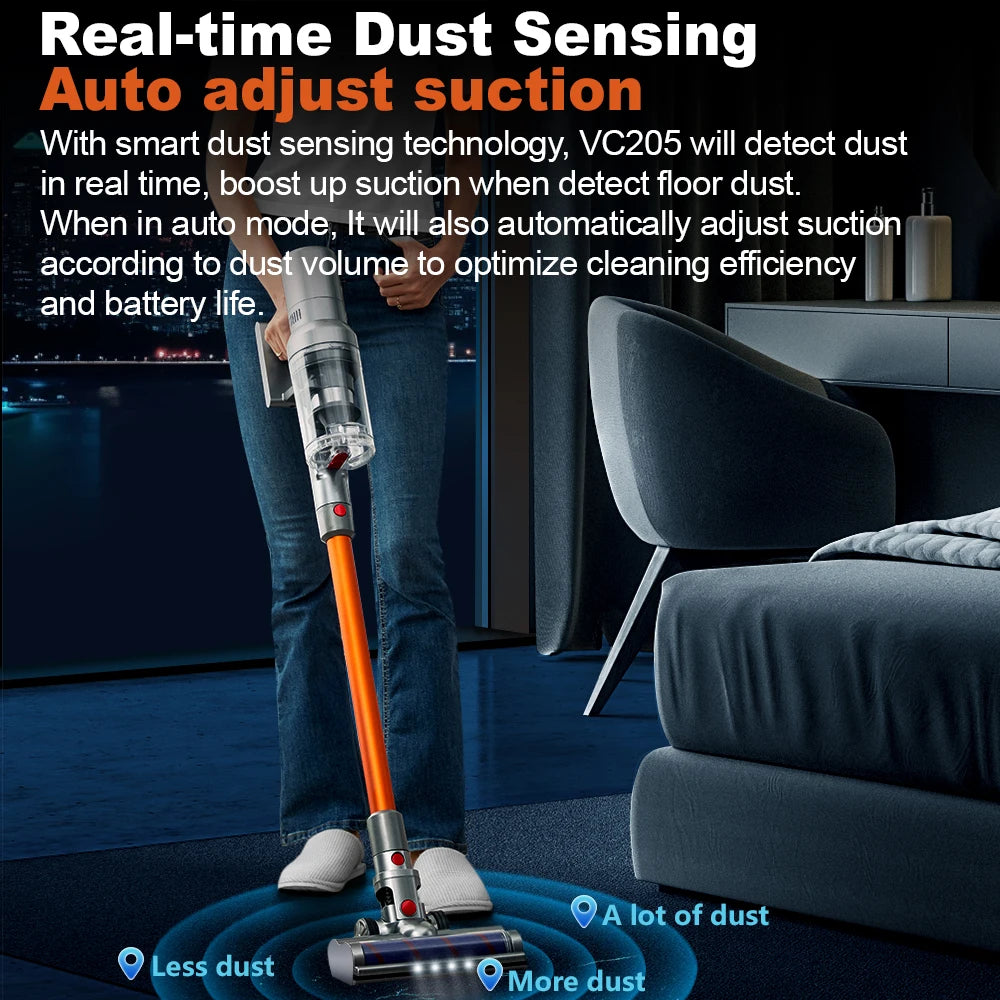
Target hidden dust with fabric-safe suction — See it in action
What allergens live in your couch (and why they keep coming back)
Your couch can trap and hold allergens far beyond what you see on the surface. Understanding what you're dealing with is the first step to removing them effectively.
Dust mites, pet dander, and pollen explained
Dust mites thrive in soft upholstery, feeding on dead skin cells and multiplying quickly in warm environments. Pet dander settles deep into cushions, while pollen enters through clothing and air, embedding into fabric fibers.
Why upholstery traps allergens deeply
Couches contain layered materials—fabric, foam, and padding—that trap microscopic particles. Sitting compresses these layers, pushing allergens deeper and releasing them back into the air repeatedly.
Step-by-step: How to remove allergens from couch effectively
To remove allergens from your couch thoroughly, you need a layered cleaning approach that targets both surface debris and deeply embedded particles.
-
Step 1 – Vacuum with proper technique
Use a vacuum with a HEPA filter and upholstery attachment. Move slowly across each section, focusing on seams and crevices where buildup is highest.
-
Step 2 – Use baking soda to neutralize allergens
Sprinkle a light layer of baking soda across the couch and let it sit for 20–30 minutes. This absorbs moisture and loosens particles before vacuuming again.
-
Step 3 – Steam clean without damaging fabric
Use low-moisture steam to kill dust mites and break down debris. Keep the nozzle moving and check fabric care labels before applying heat.
-
Step 4 – Dry and ventilate properly
Open windows or use fans to ensure full drying. Proper airflow prevents mold and stops allergens from returning.
How to remove allergens from the couch based on fabric type
Different couch materials require different cleaning approaches to safely remove allergens without causing damage.
Fabric upholstery (cotton, linen, polyester)
These materials respond well to vacuuming and light steam cleaning. Use baking soda regularly and avoid excess moisture.
Leather and faux leather
Allergens stay mostly on the surface. Wipe with a damp microfiber cloth and avoid steam to prevent damage.
Delicate or non-washable materials
Use low-suction vacuuming and specialized cleaners. Always spot test before full cleaning.
Tools that remove allergens without damaging your couch
The right tools make a significant difference in how effectively you can remove allergens while protecting upholstery.
HEPA vacuum cleaners
Trap microscopic particles instead of releasing them back into the air—essential for allergy control.
Steam cleaners
Penetrate deep into fabric layers to kill dust mites without chemicals.
Anti-allergen sprays
Help neutralize allergens and prevent them from becoming airborne again.
Pairing the right tool with consistent dust removal routines ensures long-term results. Explore Lifestyle and Body Care and Health Devices for more wellness upgrades.
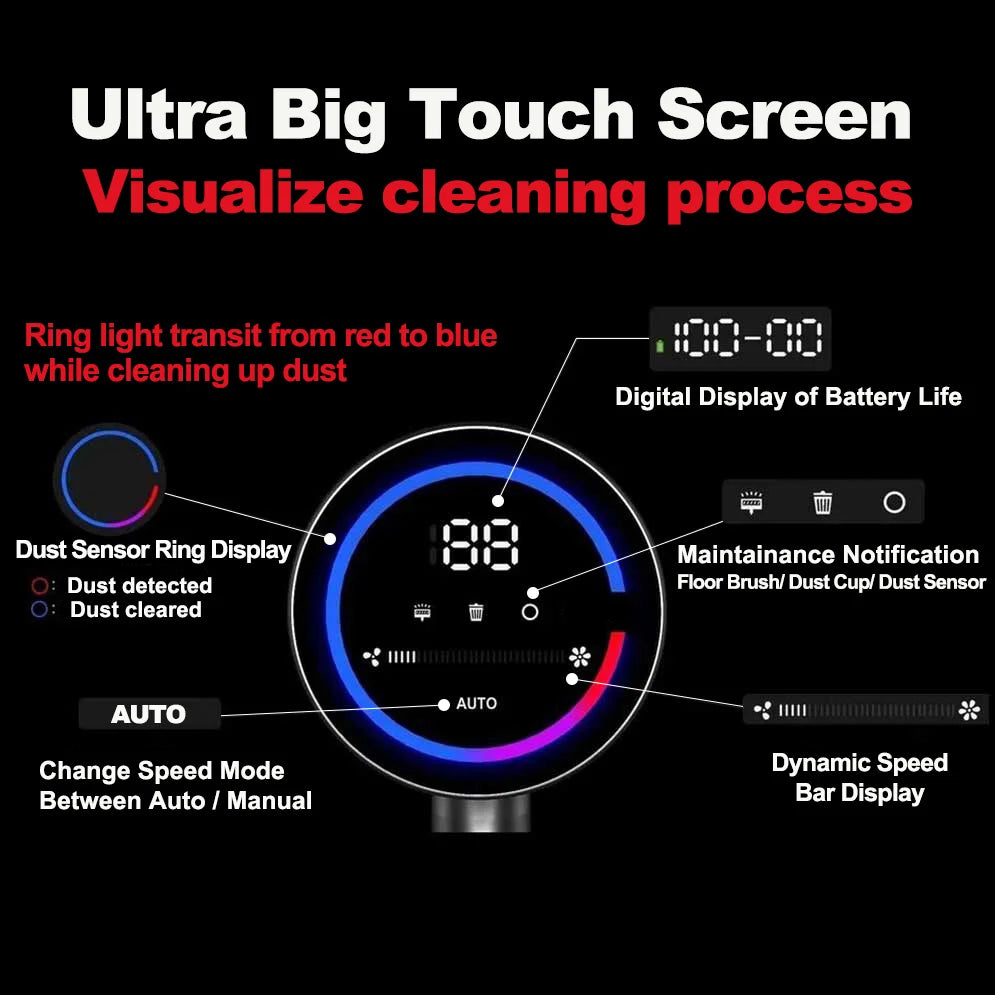
Focused suction for seams and cushions — See it in action
A weekly routine to keep allergens out of your couch
Consistency is key. A simple routine can dramatically reduce allergen buildup.
Daily habits that reduce buildup
- Avoid sitting in outdoor clothes
- Keep pets off upholstery
- Use washable covers
Weekly deep-clean routine
- Vacuum all surfaces and crevices
- Apply baking soda and vacuum again
- Air out cushions
For more holistic routines, explore Beauty & Self-Care Blog .
Common cleaning mistakes that make allergens worse
Even good intentions can backfire if the wrong methods are used.
Over-wetting fabrics
Excess moisture can lead to mold growth inside cushions.
Using the wrong vacuum
Non-HEPA vacuums can release allergens back into the air.
Skipping ventilation
Poor airflow traps moisture and allergens, reducing effectiveness.
Real results from allergy-sensitive homes
“I stopped waking up congested after cleaning the couch weekly.” — M., Austin
“Pet dander used to flare my allergies. Now it’s manageable.” — R., Seattle
Consistent routines with proper tools lead to fewer flare-ups and faster cleaning.
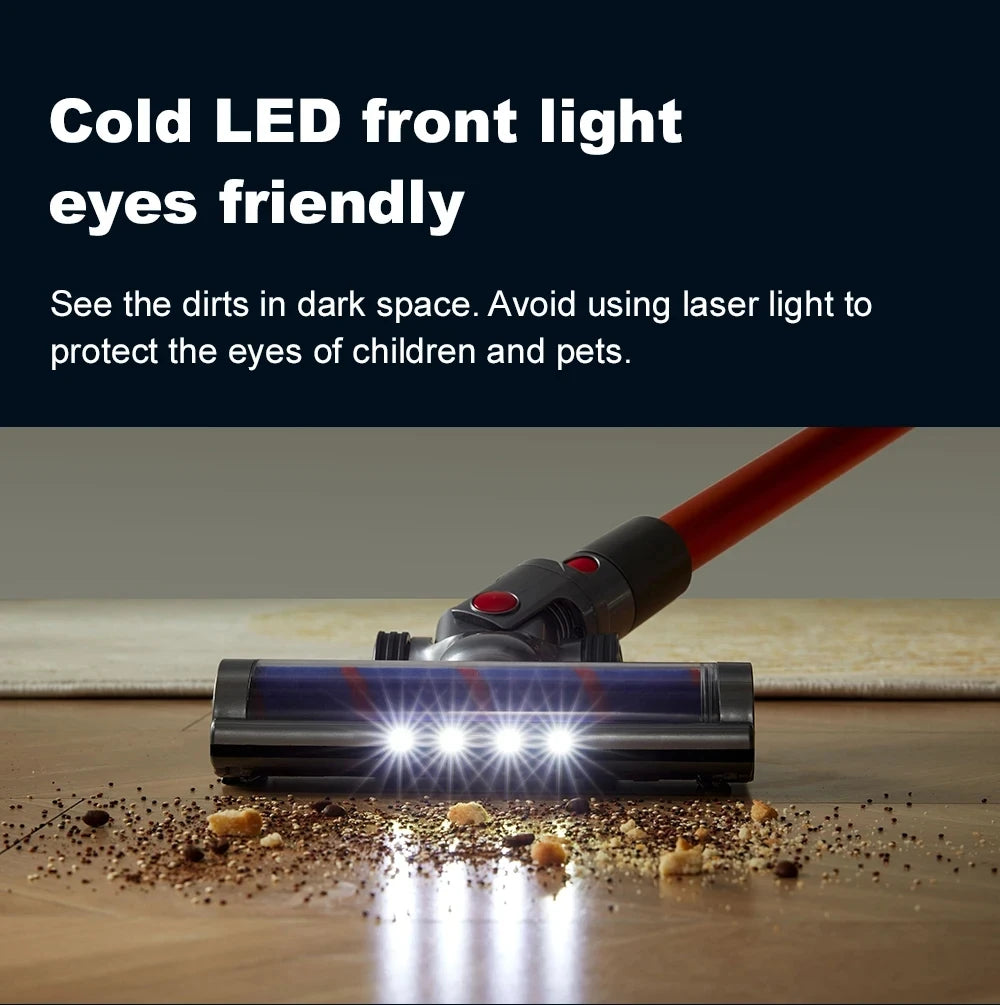
Clean fabric, calmer air — See it in action
FAQs: How to get allergens out of couch effectively
How often should I clean my couch to remove allergens?
Vacuum once or twice weekly and deep clean monthly for best results.
Can allergens live in couch cushions permanently?
They can accumulate deeply, but proper cleaning significantly reduces them.
Is steam cleaning safe for all couches?
No. Always check the care label before using heat or moisture.
What is the fastest way to remove allergens from a couch?
HEPA vacuuming combined with baking soda treatment is the quickest effective method.
For more wellness-focused home upgrades, explore Body & Face Blog and Hair, Skin & Nai Blog .
Related Guide: Vacuum Cleaner Maintenance Made Simple Step by Step
UPGRADE PLAN { "outline": [ { "action": "MODIFY", "h2": "How to remove allergens from the couch: Quick answer", "h3": [], "focus": [ "Summarize the complete process", "Set realistic expectations", "Mention common allergen types", "Stress regular maintenance" ], "keywords": [ "how to remove allergens from the couch", "remove allergens from couch" ] }, { "action": "MODIFY", "h2": "Why allergens build up inside couches", "h3": [ "Dust mites, pet dander, pollen, mold spores, and bacteria", "Why upholstery and cushions trap allergens" ], "focus": [ "Explain allergen sources", "Describe accumulation in upholstery", "Show why allergens return", "Connect buildup to symptoms" ], "keywords": [ "remove allergens from couch" ] }, { "action": "ADD", "h2": "Signs your couch may be triggering allergies", "h3": [ "Common household symptoms", "Visual and odor clues" ], "focus": [ "Identify warning signs", "Differentiate seasonal vs indoor allergens", "Know when cleaning is needed" ], "keywords": [] }, { "action": "MODIFY", "h2": "Step-by-step: How to remove allergens from couch effectively", "h3": [ "Step 1 – Prepare the couch", "Step 2 – Vacuum with proper HEPA technique", "Step 3 – Remove pet hair and surface debris", "Step 4 – Treat odors and allergens safely", "Step 5 – Steam clean or deep clean if appropriate", "Step 6 – Dry completely and improve ventilation" ], "focus": [ "Complete cleaning workflow", "Proper cleaning sequence", "Safe techniques", "Fabric protection", "Effective drying" ], "keywords": [ "how to remove allergens from couch", "how to get allergens out of couch" ] }, { "action": "MODIFY", "h2": "How to clean different couch materials safely", "h3": [ "Fabric upholstery", "Leather and faux leather", "Microfiber and velvet", "Delicate or non-washable materials" ], "focus": [ "Fabric-specific care", "Avoid damage", "Recommended methods", "Cleaning limitations" ], "keywords": [] }, { "action": "MODIFY", "h2": "Best tools and products for allergen removal", "h3": [ "HEPA vacuum cleaners", "Steam cleaners", "Lint rollers and pet hair tools", "Allergen-safe upholstery cleaners" ], "focus": [ "Essential equipment", "When each tool works best", "Avoid ineffective products", "Safety considerations" ], "keywords": [ "remove allergens from couch" ] }, { "action": "ADD", "h2": "How often should you clean your couch for allergy control?", "h3": [ "Weekly", "Monthly", "Seasonally", "After pets or illness" ], "focus": [ "Cleaning schedule", "High-risk households", "Maintenance frequency" ], "keywords": [] }, { "action": "ADD", "h2": "DIY cleaning vs professional upholstery cleaning", "h3": [ "When DIY is enough", "When professional cleaning is worth it" ], "focus": [ "Cost vs effectiveness", "Severe allergen buildup", "Sensitive fabrics" ], "keywords": [] }, { "action": "MODIFY", "h2": "Prevent allergens from returning", "h3": [ "Daily habits", "Weekly maintenance", "Humidity and air quality control" ], "focus": [ "Prevention strategies", "Reduce dust and pet dander", "Indoor air improvements", "Long-term maintenance" ], "keywords": [] }, { "action": "MODIFY", "h2": "Common mistakes that leave allergens behind", "h3": [ "Using a vacuum without HEPA filtration", "Over-wetting upholstery", "Ignoring cushions and crevices", "Skipping complete drying" ], "focus": [ "Prevent recurring allergens", "Avoid fabric damage", "Improve cleaning results" ], "keywords": [] }, { "action": "REMOVE", "h2": "Real results from allergy-sensitive homes", "h3": [], "focus": [], "keywords": [] }, { "action": "MODIFY", "h2": "Frequently asked questions", "h3": [], "focus": [ "Answer long-tail questions", "Clarify safety", "Maintenance guidance" ], "keywords": [ "how to get allergens out of couch" ] } ], "internal_links": [ "How to remove pet hair from furniture", "Best HEPA vacuum buying guide", "How to clean upholstery safely", "How to improve indoor air quality", "How to reduce dust mites at home" ], "faq": [ "Can vacuuming alone remove allergens from a couch?", "What kills dust mites in upholstery?", "Can baking soda remove couch allergens?", "Does steam cleaning remove pet dander?", "How do I remove pollen from my couch?", "Can mold grow inside couch cushions?", "Should I replace my couch if allergies continue?", "Is professional upholstery cleaning better for allergies?" ], "trim": [ "Does removing allergens from your couch really work?", "Real results from allergy-sensitive homes" ] } Approved linked products: - Discover a gentler way to clean (/products/cordless-handheld-vacuum-cleaner) - Learn step-by-step at home (/products/cordless-handheld-vacuum-cleaner) - Get yours now — limited stock! (/products/cordless-handheld-vacuum-cleaner) Product Rules - Keep all approved products. - Only approved products may contain affiliate links. - You may add real competitor products when useful. - Competitor products must not contain links unless already present. - Only create comparison tables when they genuinely improve the article. RULES - Apply every instruction in the Upgrade Plan. - Keep all existing affiliate links unchanged. - Keep all existing internal links unchanged. - Keep all existing image URLs unchanged. - Preserve sections such as Related Articles, Related Posts and Recommended Reading. - Avoid duplicate headings. - Insert new sections only where specified. - Improve clarity, topical coverage, EEAT and readability. - Expand weak sections only when required. - Use natural keyword placement. - Keep semantic HTML clean. YEAR UPDATE If visible article text contains "2005", replace it with "2026". Do not modify years inside: - URLs - href attributes - image filenames OUTPUT REQUIREMENTS Return ONLY the final upgraded HTML article. The output must be valid HTML and ready to publish. Do NOT return: - Markdown - Explanations - Notes - Code fences - JSON - XML Return the HTML beginning with the first HTML element and ending with the last HTML element.












