

Does Removing Mildew Smell From Clothes Actually Work?
Yes—when done correctly, you can remove mildew smell from clothes by eliminating the bacteria and fungi causing the odor, not just masking it. Most musty smells come from moisture-related microbial growth, and in many cases, they can be fully removed in one or two wash cycles using the right method.
However, there’s an important distinction:
- Mildew (surface-level odor): Usually removable with proper washing and drying.
- Deep mold damage: Can permanently embed into fibers, especially in natural fabrics.
If the smell remains after multiple deep-clean attempts or the fabric shows visible mold stains, it may be safer and more effective to discard the garment.
How to Remove Mildew Smell From Clothes (Step-by-Step + Prevention Guide)
⏱ 7 min read
Have you ever pulled “clean” clothes from the dryer only to smell damp, sour, or moldy again? If your laundry smells musty no matter what detergent you use, the issue isn’t cleaning harder—it’s fixing moisture, bacteria, and drying habits that cause odor to return.
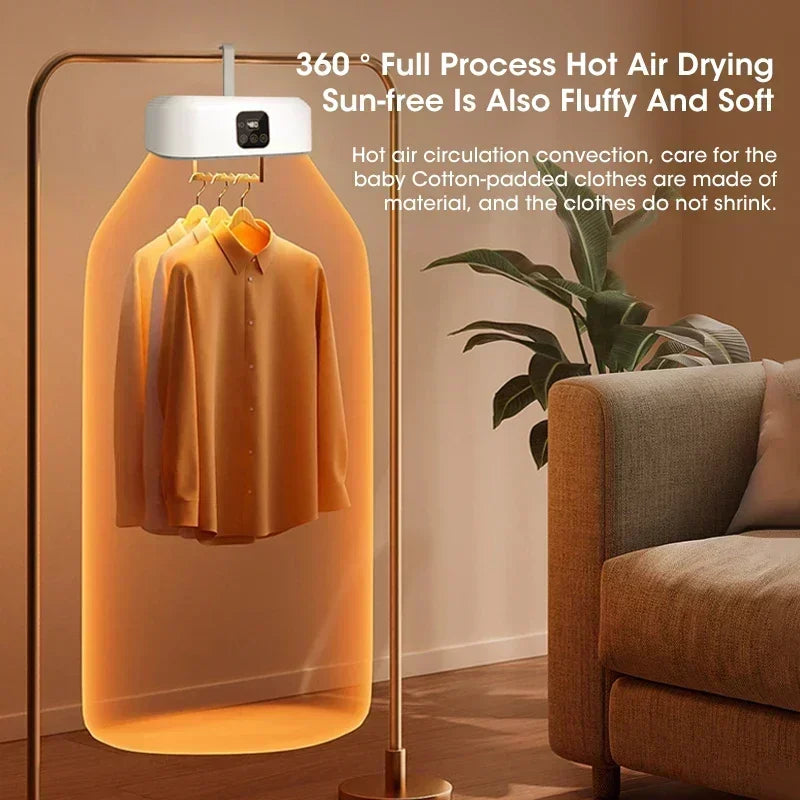
Mildew odors often start before clothes ever reach the dryer — learn how to stop them
Why Clothes Smell Musty Even After Washing
Mildew smell in clothes is caused by trapped moisture, bacteria, and fungi that survive the wash cycle. If these microorganisms aren’t fully removed—or if clothes stay damp too long—the odor quickly returns.
The science behind mildew odor (moisture, bacteria, fungi)
Warm, damp environments allow microbes to break down organic residue (sweat, oils, detergent buildup), releasing volatile compounds that create that familiar musty smell.
Common causes (washer residue, damp storage, delayed drying)
- Leaving wet clothes sitting in the washer
- Overloading the machine (poor rinsing)
- Using excess detergent, causing residue buildup
- Drying too slowly in humid conditions
- Storing clothes before fully dry
Hidden sources (front-load washers, detergent buildup)
Front-load washers, rubber door seals, and detergent drawers can trap moisture and mold. If not cleaned regularly, they reintroduce odor-causing bacteria to every wash cycle. See also: how to clean washing machine naturally .
How to Remove Mildew Smell From Clothes (Step-by-Step Methods)
To get mildew smell out of clothes , target both odor-causing bacteria and moisture retention. Choose the method based on odor severity.
Method 1: Vinegar wash cycle (odor neutralization)
- Add 1 cup white vinegar to the drum (no detergent).
- Run a warm/hot cycle (if fabric-safe).
- Rewash with detergent if needed.
Why it works: Vinegar breaks down residue and neutralizes odor compounds.
Method 2: Baking soda boost (absorption and deodorizing)
- Add ½ cup baking soda to the wash.
- Use regular detergent.
Why it works: Absorbs odors and balances fabric pH.
Method 3: Oxygen bleach soak (stubborn odor removal)
- Soak clothes in oxygen-based cleaner for 1–4 hours.
- Wash normally.
Best for: Deep-set mildew without damaging colors.
Method 4: Enzyme detergent (break down bacteria)
Use enzyme-based detergents for sweat-heavy or organic buildup (gym clothes, towels). These break down odor-causing proteins at the source.
Method 5: Sunlight drying (natural antibacterial effect)
UV rays help kill bacteria while airflow removes moisture—making this one of the most effective finishing steps.
Best Method by Fabric Type and Odor Severity
Light odor vs heavy mildew (decision guide)
- Light odor: Baking soda or standard wash
- Moderate: Vinegar + detergent cycle
- Heavy mildew: Oxygen bleach soak + hot wash
Delicates vs durable fabrics (what to use safely)
- Delicates: Use cold water + mild detergent (avoid vinegar soaking)
- Durable fabrics: Can handle hot water and oxygen cleaners
Towels, gym clothes, and synthetics (special handling)
- Towels: prone to buildup → use vinegar + hot wash
- Synthetics: trap odor → use enzyme detergent
- Gym wear: avoid fabric softener (locks in odor)
Related: how to remove odor from towels
What to Do If Clothes Still Smell After Washing
Repeat washing vs soaking strategies
If odor persists, repeat the process using a different method (e.g., switch from vinegar to oxygen bleach).
Cleaning your washing machine
Run an empty hot cycle with vinegar or washer cleaner. A dirty washer will keep recontaminating clothes.
Identifying persistent odor sources
- Washer drum or seal mold
- Humid drying area
- Improper storage conditions
Also see: laundry mistakes to avoid
Drying Methods That Prevent Mildew in Laundry
Drying is just as important as washing. Even clean clothes can develop mildew if left damp.
Air drying vs machine drying (pros and cons)
- Air drying: Best with sunlight and airflow
- Machine drying: Faster and more reliable in humid environments
How quickly clothes must dry to prevent odor
Start drying within 30–60 minutes after washing to prevent bacterial regrowth.
Best drying environments (sunlight, airflow)
Use well-ventilated spaces or sunlight exposure. Indoor drying benefits from airflow tools or folding dryers.
Explore options in the Lifestyle collection for better indoor drying setups.
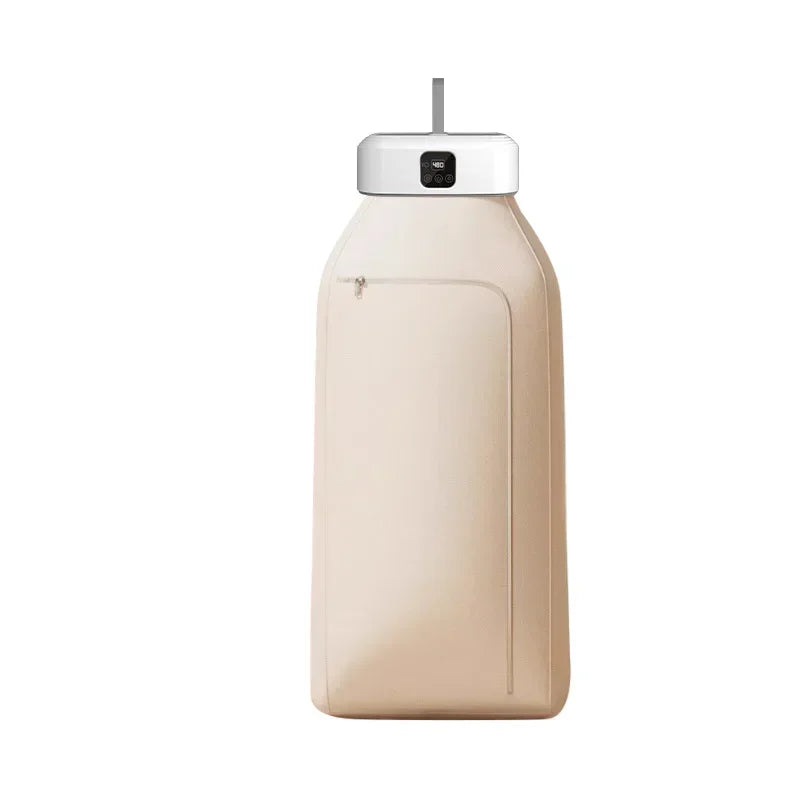
Better airflow means faster drying and fewer odors
Common Mistakes That Make Clothes Smell Worse
Leaving clothes in washer too long
Even a few hours can allow mildew to develop.
Using too much detergent
Excess detergent leaves residue that traps bacteria.
Skipping washer cleaning cycles
A dirty washer spreads odor instead of removing it.
Improper drying and storage
Storing damp clothes traps moisture and causes recurring mildew smell.
How to Prevent Mildew Smell in Clothes Long-Term
Daily laundry habits that prevent odor
- Wash promptly after use
- Avoid overloading machines
- Use correct detergent amounts
Proper storage and ventilation
- Ensure clothes are fully dry before storing
- Use breathable storage containers
Washer maintenance routine
- Clean monthly
- Leave door open after use
- Dry seals and compartments
See also: how to prevent mold in home
When Mildew Odor Cannot Be Removed
Signs of permanent mold damage
- Persistent odor after multiple washes
- Visible mold spots
- Fabric weakening or discoloration
Health risks of keeping affected clothes
Prolonged exposure to mold spores may trigger allergies or respiratory irritation.
When to discard garments
If deep mold has penetrated fibers and odor persists, replacement is often safer and more cost-effective.
Quick FAQ: Mildew Smell in Clothes
Why do clothes still smell like mildew after washing?
Because bacteria or detergent residue remains, or clothes weren’t dried quickly enough.
Can vinegar damage clothes?
Used occasionally, vinegar is safe for most fabrics—but avoid frequent use on delicate materials.
How many washes does it take to remove mildew odor?
Usually 1–2 cycles if the correct method is used.
Is mildew smell harmful?
It can irritate sensitive individuals, especially those with allergies.
Can you remove mildew smell without washing?
Sunlight and airflow can help, but washing is the most reliable method.
What is the fastest way to remove mildew smell?
A hot wash with vinegar followed by immediate high-airflow drying is typically the fastest solution.













