
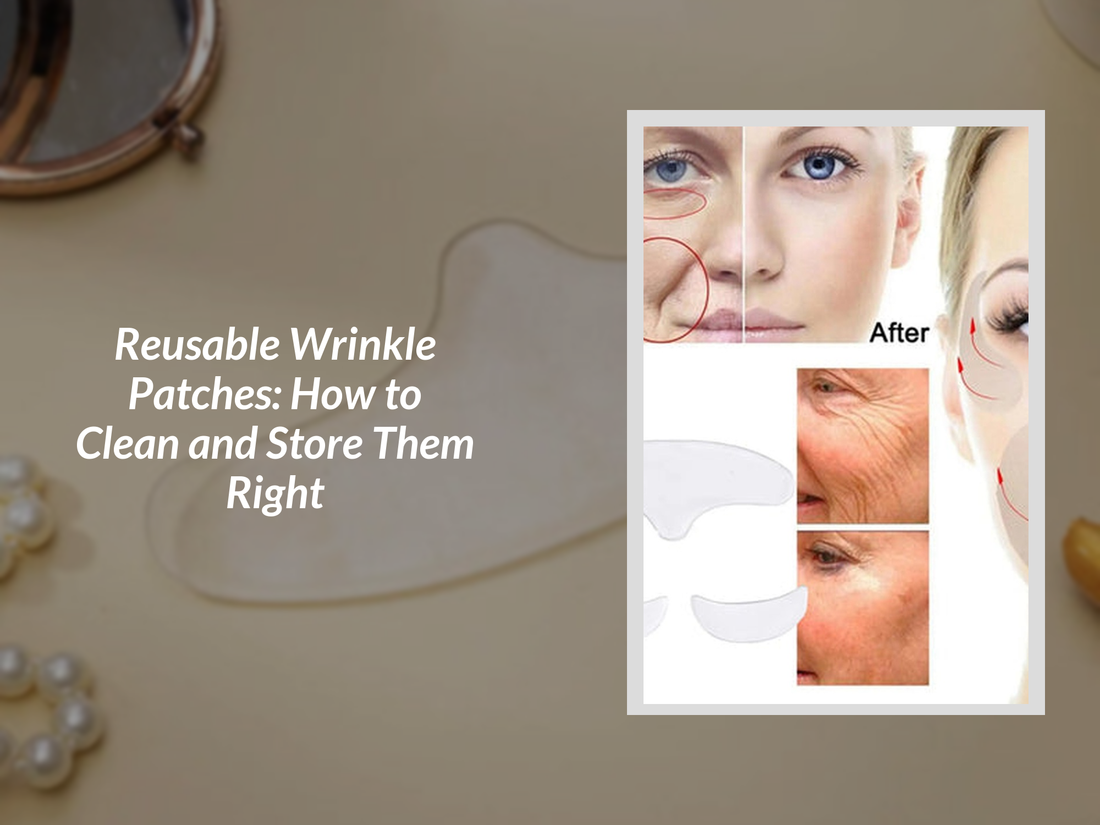
⏱ 7 min read
How to Clean Reusable Wrinkle Patches (Step-by-Step + Care Guide)
Reusable wrinkle patches can help temporarily smooth the appearance of fine lines, but proper care is essential for consistent performance. Whether you use reusable silicone face patches or wrinkle eye patches, cleaning, drying, and storing them correctly helps preserve their adhesion, improve hygiene, and extend their usable lifespan. This guide explains exactly how to clean reusable wrinkle patches, restore stickiness, and avoid common mistakes that shorten their life.
See price — stock low!
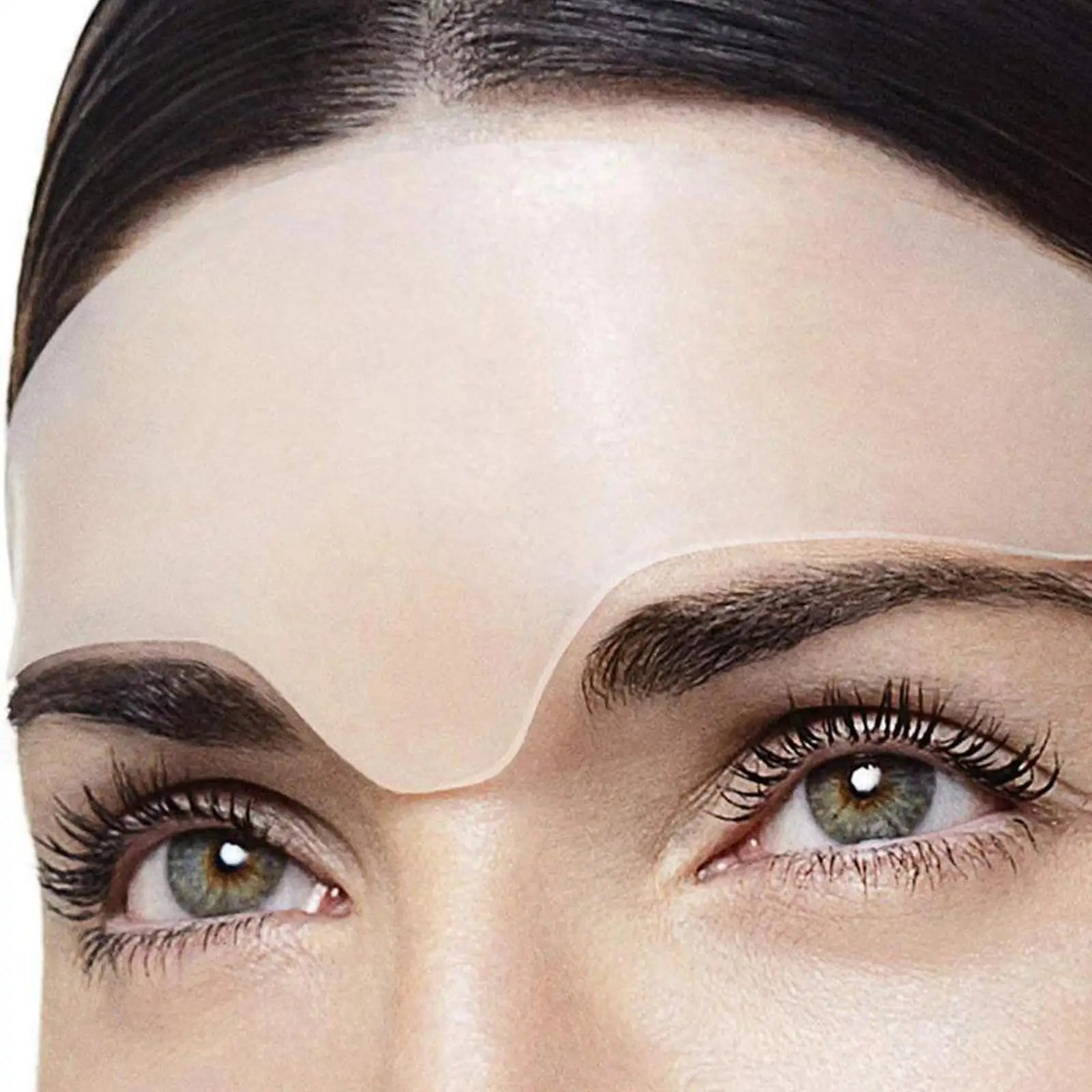
See it in action — reusable wrinkle patches that smooth fine lines & last longer
Why Cleaning Reusable Wrinkle Patches Matters for Adhesion & Hygiene
Reusable wrinkle patches are typically made from medical-grade silicone that forms a gentle seal against clean skin. This seal helps temporarily smooth fine lines by locking in moisture and reducing repeated facial movement while the patch is worn.
How Silicone Wrinkle Patches Stick to Skin
Unlike glue-based adhesives, silicone creates a light suction effect through direct contact with clean, dry skin. Oils, sweat, sunscreen, makeup, and skincare residue interfere with this contact, making patches less effective and more likely to peel off.
For best application techniques, see our complete wrinkle patch usage guide .
What Happens When Patches Aren’t Cleaned Properly
If reusable wrinkle patches aren't cleaned after use, residue gradually accumulates and reduces performance. Common problems include:
- Reduced stickiness from oil buildup
- Less effective wrinkle smoothing
- Accumulation of bacteria and debris
- Shorter overall patch lifespan
Cleaning after every use keeps the silicone surface hygienic while helping restore its natural tackiness.
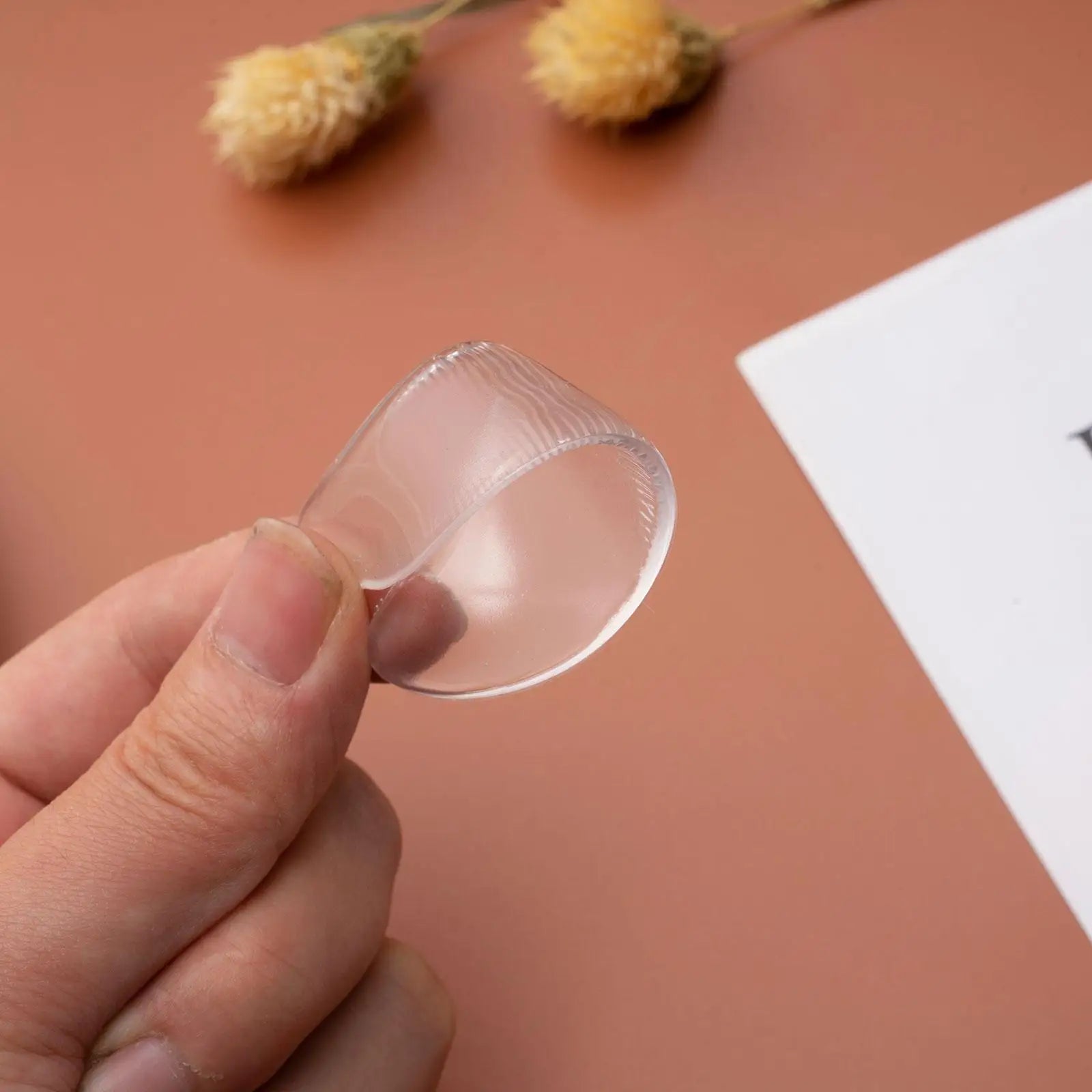
Keep your reusable silicone face patches fresh for every use — gentle cleaning is key
What You Need Before Cleaning Silicone Wrinkle Patches
Safe Cleaning Supplies
Using gentle cleaning materials helps preserve the silicone surface and extend the life of your reusable wrinkle patches.
- Lukewarm water (never hot)
- Mild fragrance-free soap
- Clean fingertips
- Original storage sheet or another clean, smooth plastic surface
Products to Avoid (Alcohol, Harsh Cleansers, Oils)
Avoid products that can damage silicone or leave residue.
- Alcohol or disinfectants
- Oil-based cleansers
- Exfoliating scrubs
- Strong cleansers containing AHAs, BHAs, or retinol
Gentle cleansing is sufficient to maintain hygiene while protecting adhesion.
Step-by-Step: How to Clean Reusable Wrinkle Patches
Step 1: Rinse with Lukewarm Water
Hold the silicone patch under lukewarm running water to remove dust, lint, and loose residue.
Step 2: Gently Clean with Mild Soap
Apply a small amount of mild soap and lightly massage the surface using only your fingertips. Focus on removing oils and skincare buildup.
Step 3: Remove Residue Without Scrubbing
Never use brushes, abrasive cloths, or sponges. Scrubbing can permanently damage the smooth silicone surface responsible for adhesion.
Step 4: Final Rinse for Residue-Free Surface
Rinse thoroughly until all soap is removed. Remaining cleanser residue can reduce stickiness once the patch dries.
Get yours — limited stock!
How Often Should You Clean Reusable Silicone Face Patches?
After Every Use vs Occasional Cleaning
Clean reusable wrinkle patches after every use. Daily cleaning removes oils, sweat, and skincare residue before they become difficult to remove.
Cleaning Frequency by Skin Type & Usage
- Oily skin: Clean after every use to prevent heavy buildup.
- Dry skin: Clean after every use even though residue accumulates more slowly.
- Daily users: Follow a consistent cleaning routine.
- Occasional users: Wash before storing after each session.
Routine maintenance helps maximize both hygiene and patch longevity.
How to Dry Reusable Silicone Face Patches Correctly
Air Drying for Adhesion Recovery
Place the patch adhesive-side up on its original plastic film or another clean, non-porous surface. Allow it to air dry completely. As moisture evaporates, the silicone naturally regains its tacky texture.
Why Towels, Heat, and Sunlight Damage Patches
- Towels leave lint that reduces adhesion.
- Hair dryers and heaters can warp silicone.
- Direct sunlight may gradually degrade the material.
Room-temperature air drying is the safest and most effective method.
How to Store Reusable Wrinkle Patches to Maintain Stickiness
Best Storage Surfaces (Original Film vs Alternatives)
The original plastic backing sheet remains the best storage surface because it protects the adhesive side from dust and damage.
- Original plastic backing (best option)
- Clean smooth plastic sheet (alternative)
Travel Storage Tips
When traveling, keep patches inside a clean protective case or sealed pouch instead of placing them loosely in luggage where lint and debris accumulate.
Common Storage Mistakes That Ruin Adhesion
- Leaving patches exposed to air
- Placing them on fabric or tissue
- Stacking adhesive sides together
- Storing them in humid environments
For additional skincare maintenance advice, explore our patch care guide .
How to Make Wrinkle Patches Sticky Again
Removing Oil, Lint, and Skincare Buildup
Most loss of stickiness results from residue rather than permanent damage. Washing away oil, sunscreen, and lint often restores normal adhesion.
When Cleaning Restores Stickiness
If the silicone surface remains smooth and undamaged, proper cleaning followed by complete air drying usually brings back its natural grip.
When It Won’t Work Anymore
If adhesion does not return after proper cleaning and drying, the silicone has likely reached the end of its usable life and should be replaced.
Troubleshooting: Why Reusable Wrinkle Patches Stop Sticking
Product Buildup (Serums, Moisturizers, SPF)
Heavy skincare products create a barrier between the silicone and skin, reducing suction.
Environmental Debris (Dust, Fabric Fibers)
Dust, lint, and fabric fibers cling easily to silicone surfaces and interfere with proper adhesion.
Surface Damage or Aging Silicone
Repeated use, improper cleaning, and exposure to heat eventually wear down silicone, permanently reducing its grip.
How Long Do Reusable Wrinkle Patches Last?
Average Lifespan of Silicone Wrinkle Patches
Most reusable silicone wrinkle patches remain effective for approximately 10–30 uses when properly cleaned, dried, and stored.
Signs It's Time to Replace Them
- No longer sticks after cleaning
- Surface becomes rough or cracked
- Collects lint immediately after drying
- Causes irritation or discomfort
Common Mistakes That Ruin Reusable Wrinkle Patches
Using Harsh Cleaners
Strong cleansers gradually damage the silicone surface and reduce adhesion.
Improper Drying
Using towels or heat sources introduces lint and may deform the patch.
Incorrect Storage
Leaving patches uncovered or storing them on rough surfaces exposes them to contaminants that shorten their lifespan.
Applying Over Skincare Products
Applying wrinkle patches over facial oils, creams, or serums reduces their ability to seal against the skin and accelerates residue buildup.
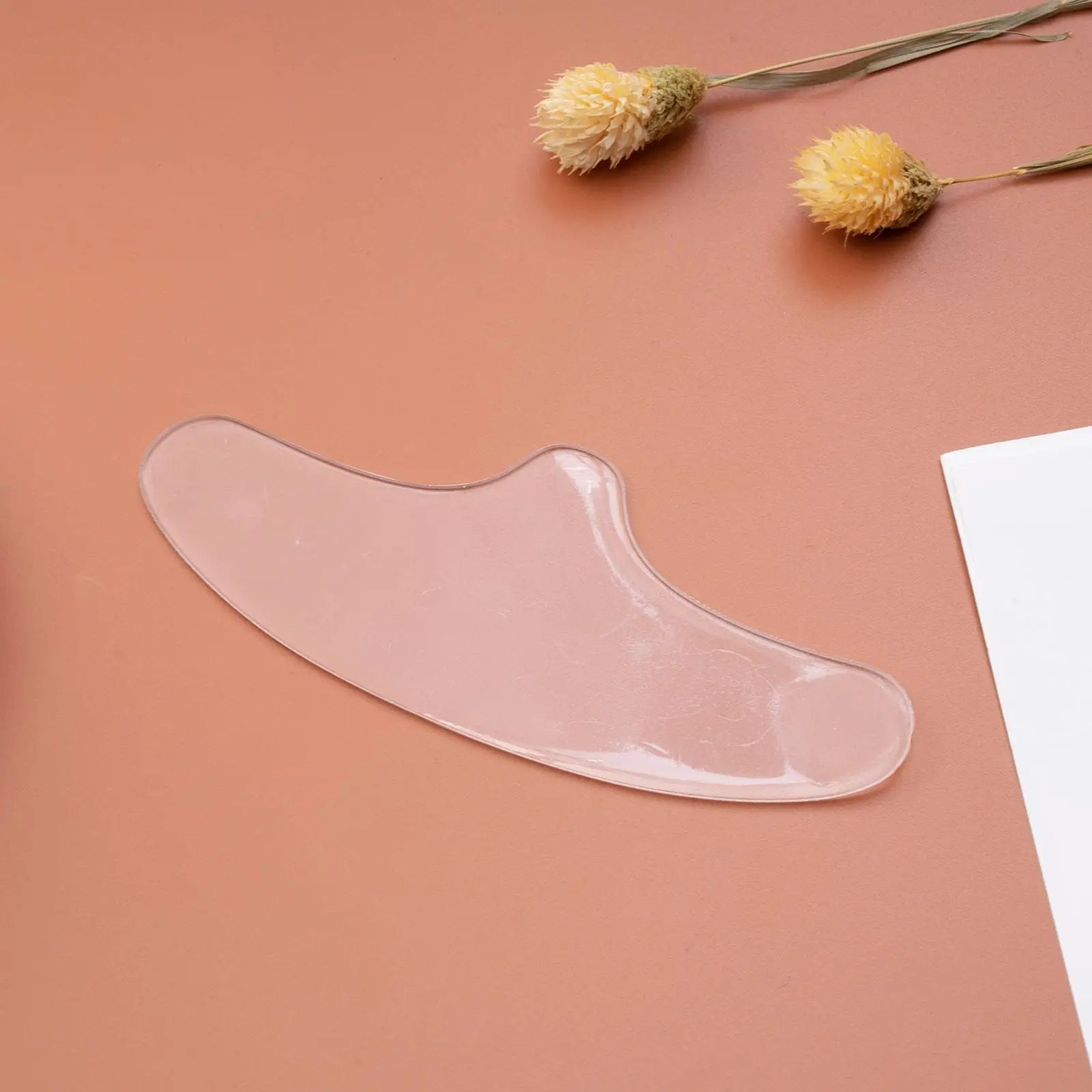
Wrinkle eye patches work best when cleaned and stored with care — see the difference
Expert Tips for Reusable Silicone Face Patch Care
Pre-Application Skin Prep
Wash and completely dry your skin before applying reusable wrinkle patches. Clean skin helps the silicone create a stronger seal and reduces residue transfer.
Hygiene & Skin Safety Tips
- Clean patches after every use.
- Do not share patches with others.
- Replace worn patches promptly.
- Store patches away from dust and humidity.
Try KentDO now — limited stock available
FAQ: Cleaning and Reusing Wrinkle Patches
Can you wash silicone wrinkle patches with soap?
Yes. Use only a mild, fragrance-free soap and lukewarm water. Harsh cleansers or alcohol-based products can reduce the lifespan of the silicone.
How many times can reusable wrinkle patches be used?
Most reusable wrinkle patches last between 10 and 30 uses, depending on how consistently they're cleaned, dried, and stored.
Can you sanitize wrinkle patches?
Routine washing with mild soap and water is generally sufficient. Avoid alcohol or harsh disinfectants because they may dry out or damage the silicone surface.
Why do reusable wrinkle patches stop sticking?
Loss of adhesion is usually caused by skincare residue, facial oils, lint, dust, or natural material wear after repeated use.
Do reusable wrinkle patches really work long-term?
They provide temporary wrinkle smoothing while worn. When used consistently as part of a regular skincare routine and maintained properly, they may help soften the appearance of expression lines over time.
Learn more about selecting and using wrinkle patches in our wrinkle patch guide .
Pillar Article: How to Use Wrinkle Patches the Right Way for Fast Results
Other Related Articles:
- Do Forehead Wrinkles Go Away with Consistent Patch Use?
- Your Guide to Silicone Patches: Do They Work Better Cold?
- How Long Should You Wear Forehead Wrinkle Patches Overnight?
- Stop Doing This with Eye Patches — Fix Your Routine Now
Explore More:













