

Window Cleaning Robot Comparison: Corded vs Battery Models
⏱ 12 min read
Cleaning tall windows, glass doors, and hard-to-reach surfaces can be frustrating, especially when streaks, dust buildup, and safety concerns make traditional cleaning difficult. A modern window cleaning robot provides a hands-free solution by combining suction technology, smart navigation, and automated cleaning systems. This guide compares corded and battery models to help you find the best robot window cleaner for your home, apartment, or office.
Explore the smart window cleaning robot everyone’s comparing
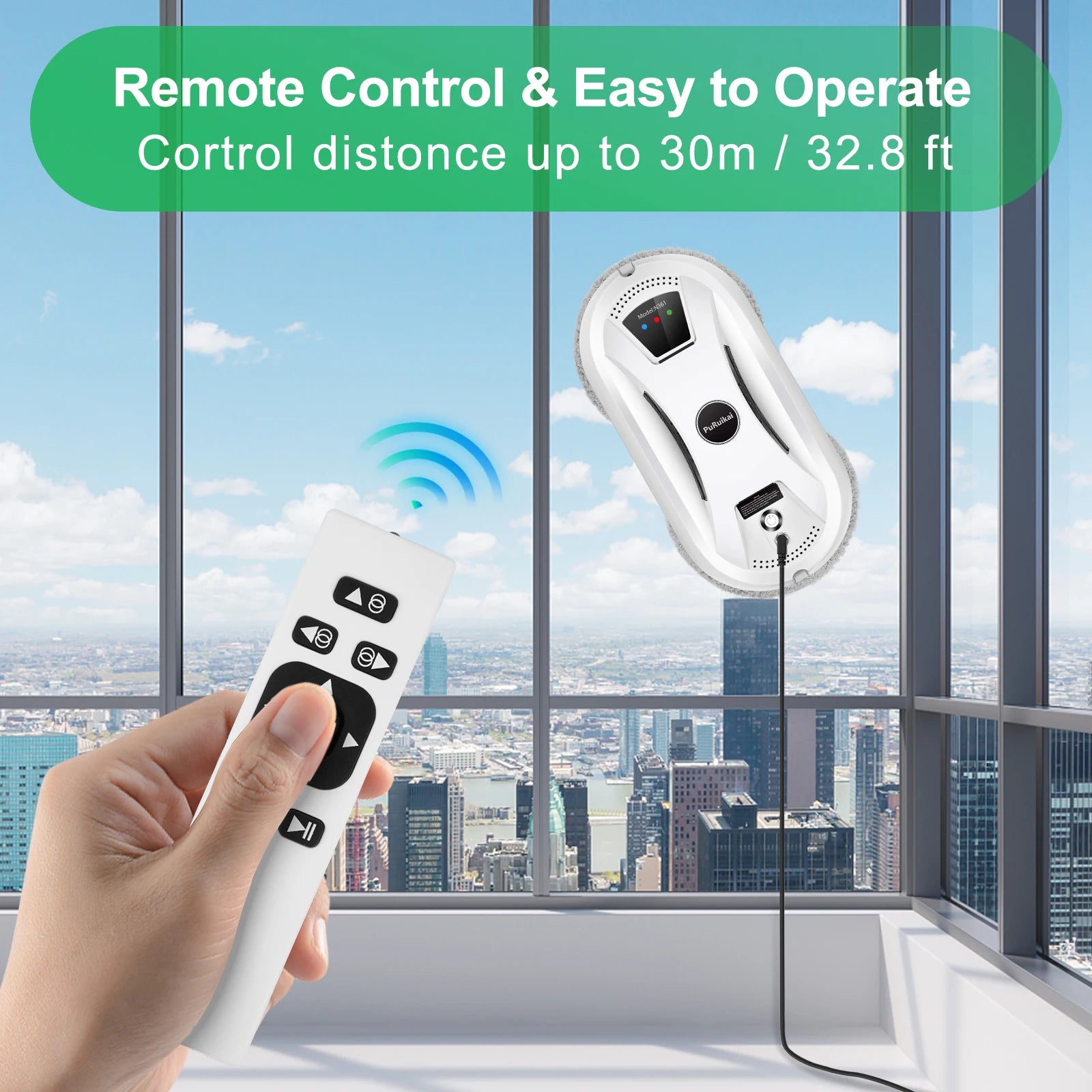
Plug in window cleaning robot delivering hands-free window cleaning — See it in action
Window Cleaning Robot Comparison: Quick Comparison Table
A window cleaning robot comparison makes it easier to understand the differences between corded, battery-powered, and smart hybrid models. The right choice depends on window size, cleaning frequency, safety requirements, and your preferred level of automation.
| Feature | Corded Window Cleaning Robot | Battery Window Cleaning Robot | Smart Hybrid Model |
|---|---|---|---|
| Power Source | Continuous mains power | Rechargeable battery | Power cable with backup battery |
| Cleaning Performance | Strong and consistent suction | Good for smaller cleaning areas | Advanced automation and navigation |
| Best Use Case | Large windows, glass doors, high-rise homes | Apartments and quick maintenance | Mixed window types and premium users |
| Runtime | Unlimited while connected | Usually 60–120 minutes | Extended operation with backup safety |
| Price and Value | Mid to premium pricing | Budget-friendly options available | Higher upfront investment |
| Safety Features | Safety rope and anti-fall sensors | Battery protection and sensors | Advanced sensors and smart controls |
For homeowners with large glass surfaces or difficult-to-access windows, corded models often provide better long-term value because they maintain consistent suction throughout the entire cleaning session.
How Window Cleaning Robots Work
A robot window cleaner uses suction technology, navigation sensors, and microfiber cleaning systems to automatically move across glass surfaces. Unlike traditional cleaning methods, an automatic window cleaning robot reduces the need for ladders, repeated wiping, and manual effort.
- Vacuum Suction: Strong suction keeps the robot attached to vertical glass while allowing smooth movement across the surface.
- Navigation Technology: Sensors detect edges, corners, window frames, and obstacles to create efficient cleaning paths.
- Cleaning Pads and Spray Systems: Microfiber pads remove fingerprints, dust, and everyday grime while some models use automatic spraying systems for improved coverage.
- Safety Features: Safety ropes, anti-fall sensors, emergency power systems, and automatic stopping features help protect the device on elevated windows.
- Surface Compatibility: Most models work best on smooth glass, including framed and frameless windows, mirrors, and glass doors.
Understanding how a smart window cleaning robot works helps you choose a model based on your home layout, window materials, and cleaning expectations.
How We Evaluated Each Robot Window Cleaner
A reliable window cleaning robot review should consider more than basic cleaning ability. We evaluated models based on everyday situations where homeowners actually use these devices.
- Cleaning Scenarios: Large windows, sliding glass doors, apartment windows, and frequently used household glass surfaces.
- Performance Metrics: Suction stability, cleaning coverage, navigation accuracy, streak reduction, and operating speed.
- Ease of Use: Setup process, controls, maintenance requirements, and overall convenience.
- Safety Evaluation: Attachment reliability, emergency systems, and suitability for elevated windows.
- Long-Term Value: Durability, replacement pad availability, and whether performance justifies the price.
Corded vs Battery Window Cleaning Robots
Choosing between a corded and battery robot window cleaner depends on how often you clean, the size of your windows, and whether portability matters more than unlimited runtime.
Corded Window Cleaning Robots
- Advantages: Continuous power, reliable suction, better performance on large glass surfaces.
- Best For: Multi-floor homes, offices, floor-to-ceiling windows, and frequent cleaning.
- Limitations: Requires access to a power outlet and cable management during setup.
Battery Window Cleaning Robots
- Advantages: Easier setup, greater portability, and no power cable during use.
- Best For: Small apartments, occasional cleaning, and standard-size windows.
- Limitations: Limited runtime and possible suction reduction as battery power decreases.
Some advanced models combine wired operation with backup battery protection, offering the convenience of continuous cleaning with additional safety during unexpected power interruptions.
Key Buying Factors Before You Choose
A robot window cleaner buying guide should focus on the features that affect real-world performance rather than just specifications.
Suction Power and Edge Cleaning
Strong suction keeps the robot securely attached while helping maintain consistent cleaning performance. Edge detection and corner movement are important because many robots perform differently near window frames.
Navigation and AI Path Planning
Modern automatic window cleaning robots use sensors and intelligent navigation systems to reduce missed areas. Better path planning means fewer repeated passes and more efficient cleaning.
Safety Rope and Battery Backup
For high windows and apartments, safety features are essential. Look for secure tether systems, emergency backup power, and automatic fall prevention.
Glass Compatibility and Maintenance
Check whether the robot works with framed, frameless, tinted, or specialty glass. Regular microfiber pad replacement and proper cleaning solution use also affect long-term results.
Window cleaning robot comparison highlight: corded stability in action — See it in action
Detailed Window Cleaning Robot Comparison
Cleaning Performance
Corded models typically provide stronger and more stable cleaning performance because they maintain consistent suction. Battery models are convenient but may be better suited for smaller areas where cleaning speed matters less.
Noise and Speed
Most window cleaning robots produce noticeable motor noise during operation. Premium models may include quieter motors and improved navigation algorithms that reduce unnecessary movement.
Maintenance Requirements
- Clean microfiber pads regularly to prevent streaks.
- Replace worn cleaning pads when performance decreases.
- Keep sensors and suction areas free from dust buildup.
- Store the robot properly when not in use.
Pros and Cons
- Corded Models: Pros: reliable suction, unlimited runtime, ideal for large windows. Cons: less portable and requires cable setup.
- Battery Models: Pros: convenient, lightweight, simple setup. Cons: shorter operation time and lower suitability for large surfaces.
- Smart Hybrid Models: Pros: advanced automation and safety features. Cons: higher cost.
Best Window Cleaning Robots by Use Case
Best for Large Windows and Glass Doors
For homes with oversized windows, sliding glass doors, or multiple glass panels, a corded plug in model is usually the best choice because it delivers uninterrupted cleaning power.
Best Budget Robot Window Cleaner
Battery-powered models are often a practical choice for users who clean occasionally and want easier storage without investing in premium features.
Best Premium Model
Premium smart window cleaning robots are ideal for users who want advanced navigation, app controls, improved safety systems, and maximum automation.
Best for Apartments and High-Rise Homes
High-rise residents should prioritize models with strong safety systems, reliable suction, and emergency backup features designed for elevated glass surfaces.
Get yours now — limited stock!
Limitations You Should Know Before Buying
While a robot window cleaner can significantly reduce manual effort, it is not a complete replacement for every type of window cleaning.
- Corners and Edges: Some robots may leave small areas near corners or frames that require occasional manual touch-up.
- Heavy Dirt: Thick mud, bird marks, or long-term buildup may require pre-cleaning before using the robot.
- Textured or Uneven Glass: Some surfaces may reduce suction performance or navigation accuracy.
- Manual Cleaning May Still Be Needed: Deep cleaning and detailed maintenance may still require traditional methods.
Frequently Asked Questions
Which robot window cleaner is best?
The best robot window cleaner depends on your needs. Corded models are generally best for large windows and frequent cleaning, while battery models work well for apartments and occasional use.
Are window cleaning robots safe for high windows?
Yes. Most quality models include safety ropes, suction monitoring, and anti-fall technology designed to improve safety on elevated glass surfaces.
Do they work on frameless glass?
Many robot window cleaners can clean frameless glass, but performance depends on sensor quality and navigation design. Always check manufacturer compatibility before use.
Can they replace manual window cleaning?
They can reduce the frequency of manual cleaning but may not completely replace deep cleaning, especially for heavily soiled windows or detailed corner work.
How much maintenance do they require?
Maintenance is usually simple. Clean the pads after use, inspect sensors regularly, and replace worn microfiber components when needed.
Do robot window cleaners leave streaks?
Most streaks happen because of dirty cleaning pads, excessive cleaning solution, or heavily contaminated glass. Proper maintenance helps improve results.
Are automatic window cleaning robots safe for high-rise apartments?
Models with strong suction, safety ropes, and backup systems are designed for high-rise use, but users should always follow installation and safety instructions.
How often should cleaning pads be replaced?
Replacement frequency depends on usage. Homes with frequent dust exposure may need more frequent pad changes than occasional users.
Do window cleaning robots work on textured or frosted glass?
Performance can vary. Smooth glass provides the best suction and navigation, while textured surfaces may reduce effectiveness.
Is a premium robot window cleaner worth the extra cost?
A premium model may be worth it for large homes, frequent cleaning, or users who value advanced automation and stronger safety features.













