

Does a robot window cleaner really work?
Yes—modern robot window cleaners can deliver consistently cleaner glass with far less physical effort when used on compatible surfaces. Most premium models combine powerful vacuum suction, intelligent navigation, and reusable microfiber cleaning pads to remove everyday dust, fingerprints, pollen, and light water spots. For many homeowners, they provide excellent maintenance cleaning between deeper manual washes.
Performance depends on several factors, including the type of glass, how dirty the window is, the quality of the navigation system, and whether the cleaning pads are clean. Large, smooth windows generally produce the best results, while heavily soiled glass, textured surfaces, or intricate window frames may require occasional manual touch-ups.
- Works best for: Large picture windows, floor-to-ceiling glass, patio doors, mirrors, office glass, and difficult-to-reach exterior windows.
- Less effective for: Deep corners, textured or frosted glass, windows with heavy mineral buildup, or thick layers of dried debris.
Like robotic vacuum cleaners, these devices are designed to reduce routine maintenance rather than eliminate manual cleaning entirely. Running the robot regularly helps prevent heavy dirt accumulation, making each cleaning cycle faster and more effective.
- Pros: Saves time, improves safety when cleaning high windows, delivers consistent cleaning patterns, and reduces the need for ladders.
- Cons: Limited corner coverage, requires occasional pad maintenance, and performs best on relatively smooth, flat glass.
If you're researching are robot window cleaners worth it , most long-term owners agree that the biggest advantage is convenience rather than perfection. A quality robot window cleaner review typically highlights fewer hours spent cleaning, improved safety, and cleaner windows throughout the year instead of waiting for seasonal deep cleaning.
Robot Window Cleaner Guide: What Owners Love and Regret
⏱ 9 min read
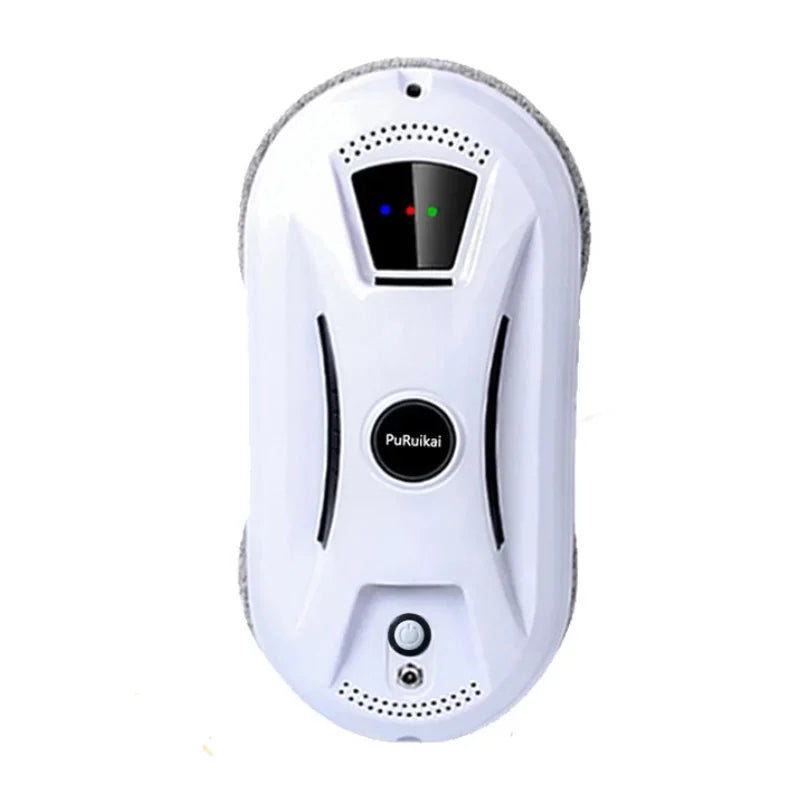
Keeping windows spotless is one of the most time-consuming household chores—especially when exterior glass is high above the ground or difficult to reach safely. Robot window cleaners promise to automate much of that work, but real-world performance depends on choosing the right expectations as much as choosing the right machine.
This guide examines what owners genuinely appreciate after months of use, the limitations many first-time buyers discover, and the features that make the biggest difference in everyday cleaning.
robot window cleaner guide overview — See it in action
What Owners Love About Robot Window Cleaners
Time Savings
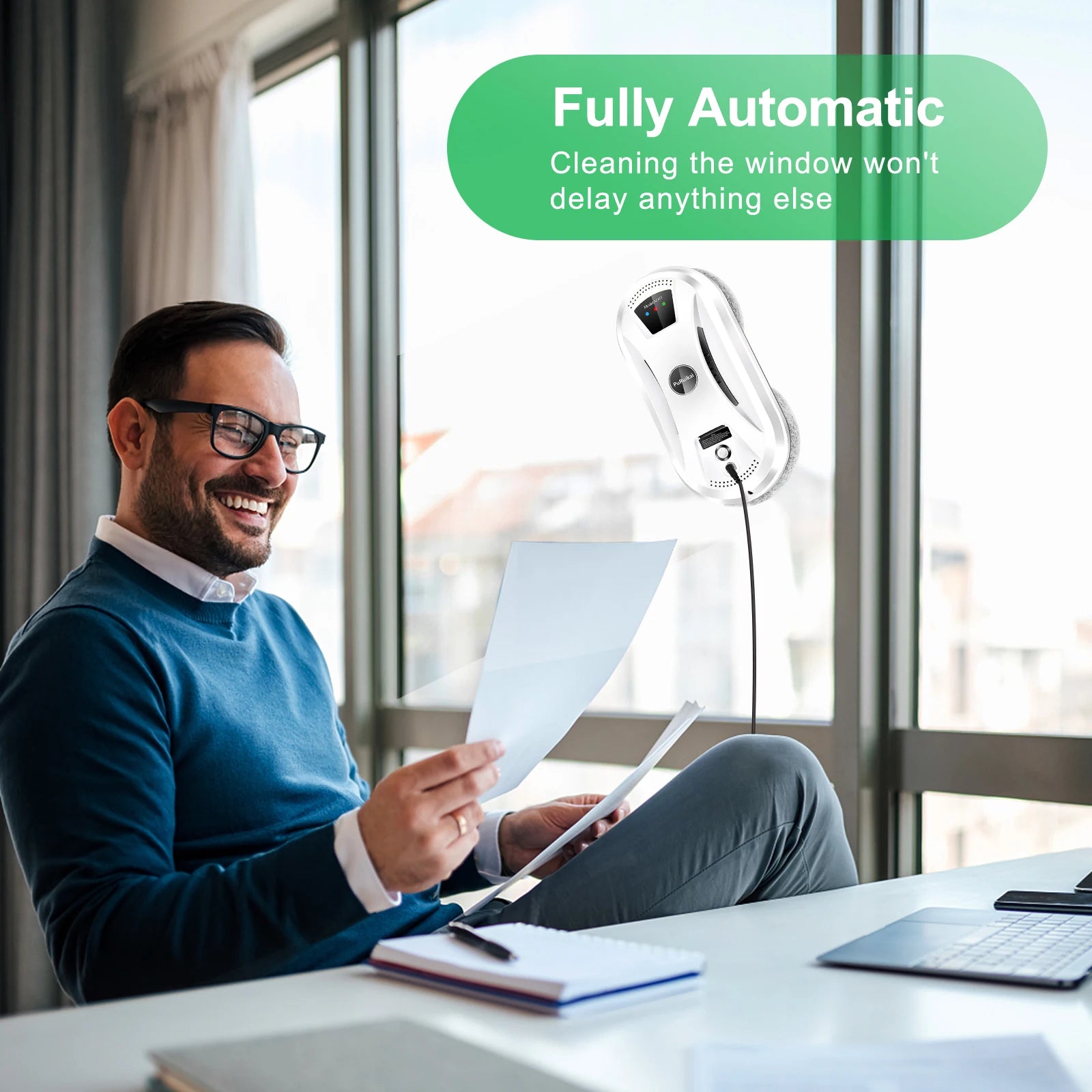
One of the biggest reasons homeowners invest in a robot window cleaner is the amount of time it saves during routine maintenance. Instead of manually washing every pane, users simply attach the robot, start the cleaning cycle, and let it follow a programmed path while they handle other household tasks.
This advantage becomes even more noticeable in homes with multiple large windows, glass doors, or sunrooms where manual cleaning can take several hours.
- Cleans large glass panels with minimal supervision.
- Maintains consistent pressure across the surface for more uniform results.
- Reduces the need to move ladders, buckets, and traditional window cleaning tools.
- Encourages more frequent cleaning because setup is quick and convenient.
For many households, the best window cleaning robot for home is the one that makes regular maintenance simple enough to become part of the normal cleaning routine.
Cleaning Large and High Windows
Large picture windows, second-story glass, and floor-to-ceiling installations are often the most difficult areas to clean safely. Robot window cleaners are especially valuable in these situations because they remain attached to the glass using continuous vacuum suction while following planned cleaning routes.
Owners of high-rise apartments and modern homes frequently mention that they feel more comfortable cleaning exterior glass without leaning from windows or climbing ladders. While safety ropes and backup systems should always be used as instructed, the automation significantly reduces the physical effort required.
- Ideal for tall residential windows and oversized glass panels.
- Helpful for patio doors, conservatories, and office glass.
- Reduces repetitive reaching and overhead cleaning.
- Provides more consistent coverage than hand cleaning over large areas.
Convenience for Routine Maintenance
Most owners find that robot window cleaners perform best when used regularly rather than waiting until windows become heavily soiled. Frequent maintenance prevents dirt from building up and helps preserve a clearer, streak-free appearance throughout the year.
Clean microfiber pads, the recommended cleaning solution, and occasional pre-wiping of heavily soiled glass all contribute to better results. With these simple habits, many users report windows that consistently look professionally maintained without scheduling dedicated cleaning days.
window cleaning robots review results — See it in action
Where Regrets and Frustrations Appear
Edge and Corner Limitations
Even premium robot window cleaners cannot perfectly reach every corner. Round cleaning pads and safety margins near window frames often leave small areas that require a quick manual wipe. This limitation is common across most automatic window cleaning robots and should be viewed as a design compromise rather than a defect.
Noise Levels During Operation
Vacuum suction motors generate a noticeable level of noise while the robot is attached to the glass. Although most users consider the sound acceptable, many prefer running the cleaner when working in another room or while away from the immediate area.
Learning Curve for Best Results
First-time owners sometimes expect flawless results immediately. In practice, performance improves after learning how much cleaning solution to apply, how often to wash the microfiber pads, and which cleaning mode works best for different window sizes and levels of dirt.
Once these routines become familiar, many users find the cleaning process faster, more predictable, and easier to repeat throughout the year.
Comparison: What Sets the Best Robot Window Cleaner Apart?
| Feature | Entry-Level | Mid-Range | Premium |
|---|---|---|---|
| Suction Power | Basic suction for light cleaning | Stronger vacuum for everyday household use | High-performance suction for large glass surfaces |
| Navigation | Basic cleaning pattern | Smart path planning with improved coverage | AI-assisted route optimization for efficient cleaning |
| Safety Systems | Safety tether | Safety tether with backup battery | Multi-layer protection including backup power and advanced sensors |
| Edge Cleaning | Limited precision near frames | Improved edge recognition | Enhanced edge detection with better perimeter coverage |
Higher-priced models typically focus on improving reliability rather than completely changing cleaning performance. Better navigation, stronger suction consistency, and more advanced safety systems are often worthwhile upgrades for homes with large windows or multiple stories, while occasional users may find that a mid-range model meets their needs.
How Robot Window Cleaners Work
Suction and Navigation Mechanisms
A robot window cleaner stays attached to the glass using a continuous vacuum motor that creates negative pressure against the window surface. Once secured, built-in sensors and navigation software calculate an efficient cleaning path so the robot can cover as much of the window as possible without unnecessary overlap.
More advanced models use intelligent mapping algorithms that recognize window boundaries and adjust their movement automatically, helping improve cleaning efficiency across large panes of glass.
Cleaning Pads and Techniques
Washable microfiber pads perform the actual cleaning by lifting dust, fingerprints, pollen, and everyday grime from the glass. Some robots support both dry cleaning for loose dust and damp cleaning for improved streak removal when used with the recommended cleaning solution.
Replacing or washing the pads regularly helps maintain even pressure and reduces the likelihood of streaks caused by accumulated dirt.
Safety Features
Modern robot window cleaners incorporate multiple safety systems designed to reduce the risk of accidental falls. Common features include safety ropes, backup batteries that temporarily maintain suction during a power interruption, edge detection sensors, and automatic alerts if abnormal conditions are detected.
Although these systems improve safety, users should always secure the safety tether correctly and follow the manufacturer's instructions when cleaning exterior or high-rise windows.
How to Use a Robot Window Cleaner for Best Results
- Remove loose dirt or debris from heavily soiled windows before starting the cleaning cycle.
- Apply only the manufacturer-recommended cleaning solution to avoid excessive streaking or reduced suction.
- Begin with interior windows to become familiar with the controls and cleaning patterns.
- Wash or replace microfiber pads regularly to maintain cleaning performance.
- Inspect the safety rope, power cable, and suction system before each use, especially on upper-floor windows.
Following these simple practices helps improve cleaning consistency, extends the life of the cleaning pads, and reduces the need for manual touch-ups after each cycle.
Who Should Buy a Robot Window Cleaner?
A robot window cleaner delivers the greatest value for homeowners who clean large areas of glass regularly or want to reduce the risks associated with ladder use. While it is not essential for every household, it can become a practical time-saving appliance when matched to the right environment.
- High-rise apartment residents with difficult-to-reach exterior windows.
- Homes featuring large picture windows, sliding glass doors, or floor-to-ceiling glass.
- Busy homeowners who prefer maintaining clean windows with minimal hands-on effort.
- Older adults or anyone looking to reduce climbing ladders during routine cleaning.
- Home offices and sunrooms where clear glass improves natural light throughout the year.
If your home has primarily small, divided, heavily textured, or decorative glass panels, a traditional cleaning method may still be more practical for achieving complete edge-to-edge coverage.
Final Verdict: Is It Worth the Investment?
For most households with medium to large glass surfaces, a robot window cleaner is a worthwhile investment in convenience rather than perfection. It won't completely replace occasional manual cleaning, but it can dramatically reduce the time, effort, and safety concerns involved in keeping windows consistently clean.
The best ownership experience comes from choosing a model with dependable navigation, reliable suction, effective safety systems, and washable microfiber pads. When used as part of a regular maintenance routine, these features help deliver cleaner windows with less physical effort throughout the year.
best robot window cleaner experience — See it in action
Frequently Asked Questions
Do robot window cleaners work on all glass?
They work best on smooth, flat glass such as standard residential windows, mirrors, patio doors, and large fixed panels. Textured, patterned, frosted, or heavily uneven surfaces may reduce cleaning performance and navigation accuracy.
What features should a robot window cleaner have?
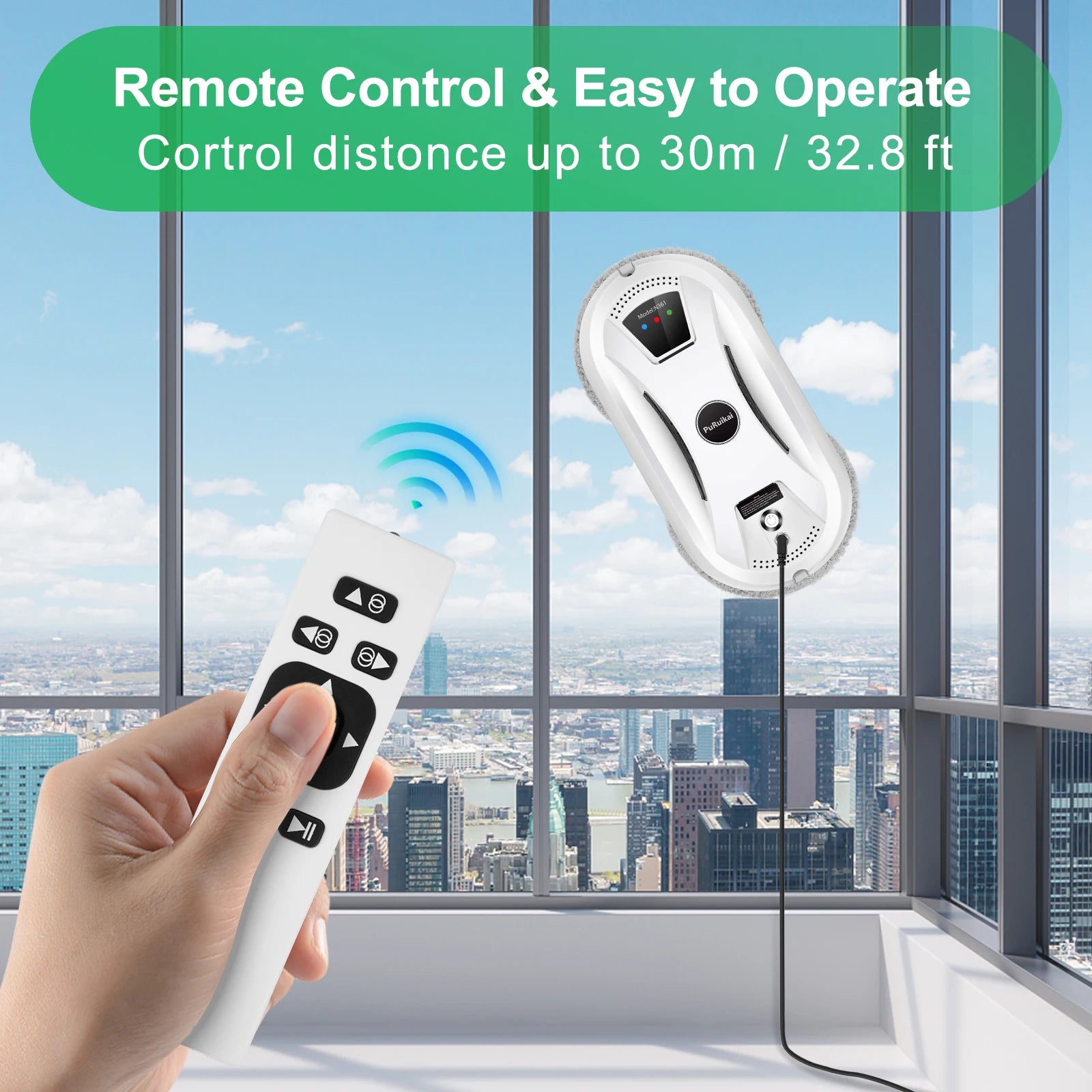
Look for strong vacuum suction, intelligent navigation, edge detection, a safety rope, backup battery protection, washable microfiber pads, and simple controls through either a remote or mobile app. These features have the greatest impact on everyday cleaning performance and reliability.
How much suction power is enough for a robot window cleaner?
Rather than focusing solely on advertised suction numbers, prioritize models that maintain stable suction throughout the cleaning cycle. Consistent vacuum performance helps the robot stay securely attached while delivering even cleaning results.
Do AI navigation features improve cleaning results?
Yes. Advanced navigation systems reduce unnecessary overlap, improve coverage on larger windows, and help the robot complete cleaning more efficiently compared with basic random movement patterns.
Are robot window cleaners safe for upstairs windows?
Yes, provided they are used correctly with the supplied safety rope and according to the manufacturer's instructions. Models equipped with backup batteries and anti-fall protection provide additional reassurance during temporary power interruptions.
Can robot window cleaners clean frameless glass?
Some premium models support frameless glass using advanced edge detection sensors. Always verify the manufacturer's specifications before using a robot on frameless installations.
Which features are worth paying extra for?
Improved navigation, dependable safety systems, stronger and more consistent suction, backup battery protection, and quieter operation generally provide more long-term value than cosmetic upgrades or extra smart-home integrations.
Do smart app features make a real difference?
For many users, app control adds convenience by allowing cleaning mode selection, firmware updates, and maintenance reminders. However, overall cleaning quality still depends more on navigation accuracy, suction performance, and clean microfiber pads than on app functionality alone.
How often do cleaning pads need replacement?
Reusable microfiber pads should be washed after several cleaning sessions, depending on dirt levels. Most manufacturers recommend replacing them every three to six months or whenever the fibers become worn and cleaning performance begins to decline.
Common Problems and Troubleshooting
- Edge skipping: Clean the sensors, confirm the window is compatible, and check for damaged cleaning pads.
- Reduced suction: Inspect the vacuum intake, filters, and power connection for dust or blockages.
- Unresponsive remote or app: Reconnect the device, update the firmware if available, and verify Bluetooth or Wi-Fi connectivity.
- Streaks after cleaning: Wash or replace dirty microfiber pads and avoid applying excessive cleaning solution.













