What is lightweight breathable clothing and does it really keep you warm?
Yes. Lightweight breathable clothing keeps you warm by retaining enough body heat while allowing moisture vapor and excess heat to escape. Instead of relying on thick, bulky layers, breathable winter clothing regulates your temperature, helping prevent sweat buildup that can leave you feeling cold once activity slows down. This balance of insulation and ventilation makes it an excellent choice for commuting, travel, outdoor walks, and everyday winter wear.
⏱ 6 min read
Lightweight Warm Clothing: How to Stay Warm Without Sweating
Cold-weather comfort isn't about wearing the thickest clothing available—it's about maintaining the right balance between insulation, breathability, and moisture management. Lightweight warm clothing is designed to keep you comfortably warm without trapping excess heat, allowing you to move between outdoor cold and heated indoor spaces without constantly adding or removing layers.
Whether you're commuting to work, traveling, or enjoying outdoor activities, choosing breathable warm clothing helps reduce overheating, keeps your skin dry, and provides more consistent comfort throughout the day.

Lightweight breathable clothing in everyday wear—stay warm, stay dry. See it in action.
The science of staying warm without overheating (heat + moisture control)
How your body loses heat in winter
Your body continually exchanges heat with its surroundings through four primary processes: conduction (direct contact with cold surfaces), convection (moving cold air), radiation (natural heat emission), and evaporation. While all four contribute to heat loss, evaporation caused by trapped perspiration is often the biggest reason people become unexpectedly cold after physical activity.
Even moderate activities like walking, climbing stairs, or carrying groceries generate body heat. If clothing cannot release excess moisture, damp fabric reduces its insulating ability and accelerates heat loss.
Why sweat makes you colder, not warmer
Sweating is your body's natural cooling system. During winter, however, moisture trapped inside heavy clothing can quickly become a problem. As sweat evaporates, it draws heat away from your skin, leaving you feeling chilled once your activity level decreases.
This explains why wearing more layers doesn't always improve comfort. Breathable winter clothing helps moisture escape before it accumulates, allowing your clothing to stay drier and maintain its insulating performance.
The balance between insulation and breathability
Effective lightweight clothing for warmth without sweating combines two essential functions:
- Insulation that captures enough body heat to maintain comfort.
- Breathability that allows excess heat and moisture vapor to escape.
Rather than maximizing warmth alone, modern breathable warm clothing focuses on temperature regulation. This balanced approach reduces overheating during movement while helping you remain comfortably warm when resting, making it suitable for changing indoor and outdoor conditions.
How lightweight breathable clothing keeps you warm without sweat
Moisture-wicking + insulation explained
Lightweight clothing for warmth without sweating relies on a layering system where each fabric serves a specific purpose. A moisture-wicking base layer moves perspiration away from your skin, an insulating middle layer retains body heat, and breathable outer materials allow excess heat and moisture vapor to escape before they accumulate.
This combination helps regulate your body temperature instead of simply trapping heat. As a result, you stay warmer for longer because dry fabrics retain their insulating properties far better than damp ones.
Key benefits you'll notice immediately
- More consistent body temperature throughout changing conditions.
- Dry, comfortable skin during walking, commuting, or light exercise.
- Less dependence on heavy, restrictive winter layers.
- Easier transitions between heated indoor spaces and cold outdoor environments.
- Greater freedom of movement thanks to lighter, more flexible clothing.
Best fabrics for warmth and breathability (compared)
Merino wool vs synthetic vs down vs fleece
No single fabric is ideal for every winter situation. The best choice depends on your activity level, weather conditions, and whether moisture management or maximum insulation is your top priority.
Merino wool naturally regulates temperature and resists odor, making it an excellent option for everyday wear. Performance synthetic fabrics dry quickly and excel during high-output activities. Down delivers exceptional warmth for its weight but performs best in dry conditions, while fleece offers dependable insulation with good airflow for casual layering.
Fabric comparison table (warmth, breathability, weight, best use)
| Material | Warmth | Breathability | Weight | Best For |
|---|---|---|---|---|
| Merino Wool | High | Excellent | Light | Base layers, everyday wear, changing temperatures |
| Synthetic (Polyester/Nylon) | Medium-High | High | Very Light | Running, hiking, active winter use |
| Down | Very High | Low | Ultra Light | Cold, dry climates and low-activity use |
| Fleece | Medium | Medium-High | Light | Breathable mid-layers and casual daily wear |
How to layer for warmth without sweat (step-by-step system)
Base layer: moisture control
Begin with a close-fitting moisture-wicking base layer made from merino wool or technical synthetic fibers. This layer keeps perspiration away from your skin, helping maintain warmth even during periods of increased activity. Learn more in this moisture-wicking guide .
Mid layer: lightweight insulation
Add a breathable insulating layer that traps warm air without restricting airflow. Lightweight fleece, grid fleece, or insulated hoodies provide reliable warmth while allowing excess heat to escape as your activity level changes.
Outer layer: weather protection
Finish with a wind- and weather-resistant shell when needed. A breathable outer layer protects against rain, snow, and cold wind while allowing moisture vapor to exit, preventing condensation inside your clothing system.
Example outfits for real-life scenarios
- Daily commuting (5–15°C): Moisture-wicking base layer, lightweight insulated hoodie, and a breathable windbreaker for changing conditions.
- Travel: Breathable T-shirt paired with an insulated hoodie for comfortable indoor-to-outdoor transitions.
- Outdoor activities: Synthetic or merino base layer, fleece mid-layer, and breathable shell jacket for reliable temperature regulation during movement.

Smart layering with breathable fabrics for winter. See it in action.
How to choose lightweight warm clothing (quick decision guide)
Based on temperature
Choose clothing according to the expected conditions rather than assuming thicker always means warmer. Modern technical fabrics often provide a better warmth-to-weight ratio than bulky garments, allowing you to stay comfortable while moving freely.
- 10–15°C (50–59°F): A moisture-wicking base layer paired with a lightweight insulating layer is usually sufficient.
- 0–10°C (32–50°F): Add a breathable mid-layer and a wind-resistant outer layer when needed.
- Below 0°C (32°F): Prioritize efficient insulation while maintaining breathability to prevent moisture buildup.
Based on activity level
Your activity level has a significant impact on how much insulation you actually need. Clothing that feels comfortable while standing still may become too warm once you begin walking, commuting, or exercising.
- High activity: Choose moisture-wicking warm clothes with excellent ventilation and breathable insulation.
- Moderate activity: Balance insulation and airflow to maintain a consistent body temperature.
- Low activity: Increase insulation slightly while avoiding fabrics that trap perspiration.
Based on climate (dry vs humid cold)
Climate affects how clothing performs. In humid winter conditions, moisture management becomes especially important because damp air slows evaporation.
- Humid cold: Prioritize breathable fabrics that move moisture away from the skin quickly.
- Dry cold: Focus on lightweight insulation that retains heat without unnecessary bulk.
- Variable weather: Wear adaptable layers that can be added or removed as temperatures change.
Matching clothing to everyday situations
Choosing the right combination of layers is easier when you consider how you'll spend your day.
- Commuting: Lightweight breathable clothing helps prevent overheating during walks, public transportation, and time spent indoors.
- Travel: Pack versatile layers that can adapt to changing temperatures without taking up much luggage space.
- Outdoor recreation: Combine moisture-wicking base layers with breathable insulation and a weather-resistant shell to maintain comfort during extended movement.
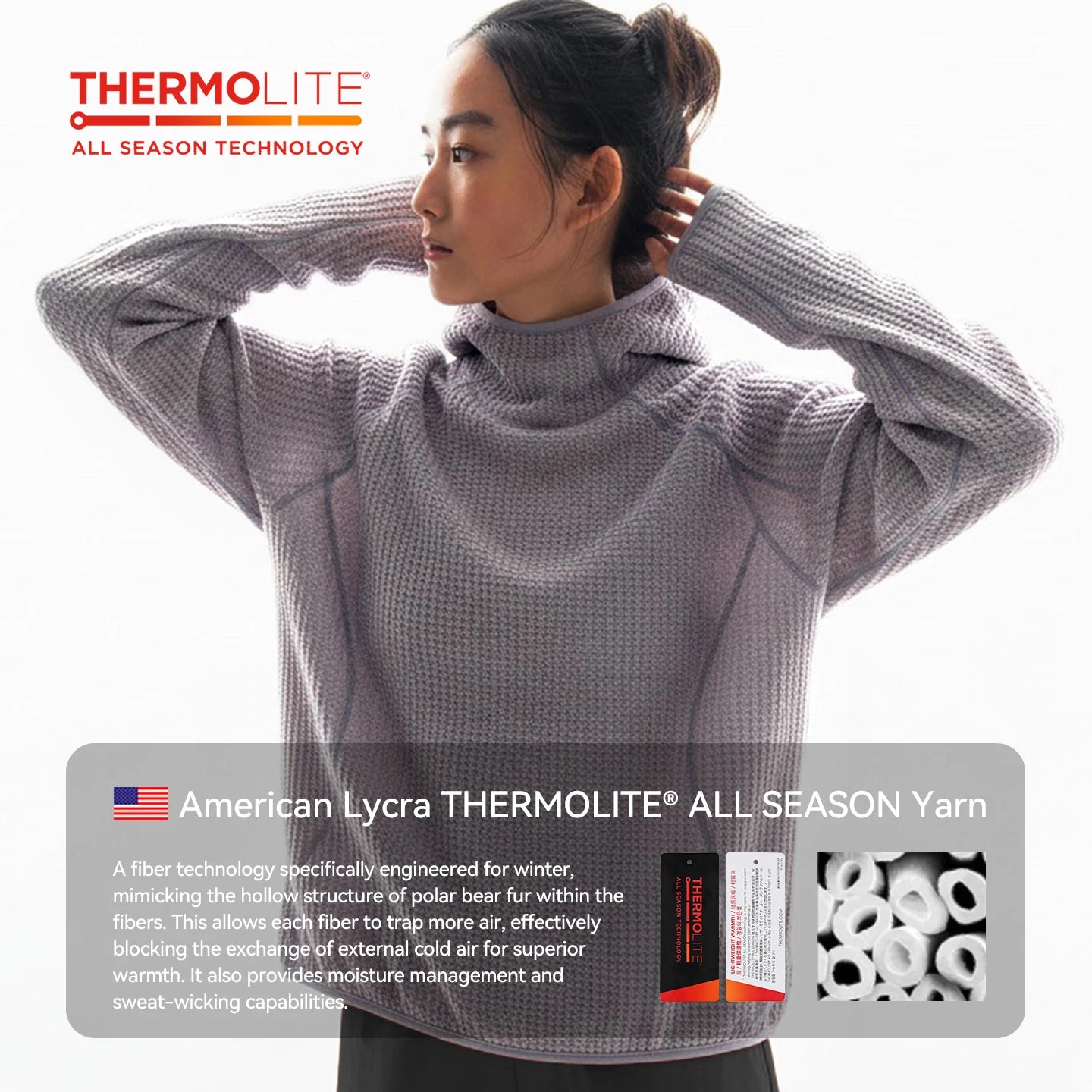
Sweat-free warmth with winter fabrics that work. See it in action.
Mini FAQ: quick answers before you decide
Is lightweight breathable clothing warm enough for winter?
Yes. When paired with appropriate layering, lightweight breathable clothing can provide excellent winter comfort. Modern insulating materials retain body heat efficiently while allowing excess moisture and heat to escape, helping you stay warm without overheating.
Can breathable fabrics really prevent sweat?
Breathable fabrics cannot stop your body from sweating, but they help manage moisture by moving perspiration away from your skin and allowing it to evaporate more quickly. This keeps clothing drier and reduces the chilling effect caused by trapped moisture.
What is the best fabric for staying warm without sweating?
Merino wool is one of the best all-around choices because it naturally regulates temperature, wicks moisture, and remains comfortable across a wide range of conditions. High-performance synthetic fabrics are also excellent for high-intensity activities thanks to their quick-drying performance.
Is merino wool better than synthetic for breathability?
Each has advantages. Merino wool offers excellent breathability, natural odor resistance, and reliable insulation even when slightly damp. Synthetic fabrics generally dry faster, are highly durable, and often perform better during vigorous outdoor activities.
Do I still need heavy winter fabrics?
Not always. For most everyday winter conditions, lightweight layers with effective insulation and good breathability provide sufficient warmth. Heavy outerwear is typically only necessary during prolonged exposure to severe cold, strong wind, or extreme weather.
Who benefits most from lightweight breathable clothing?
Anyone who frequently moves between indoor and outdoor environments, commutes daily, travels, or enjoys walking and outdoor recreation can benefit from clothing that regulates temperature without excessive bulk.
What sweater material keeps you warm without overheating indoors?
Merino wool is widely regarded as one of the best sweater materials for indoor comfort because it balances insulation with natural breathability. Lightweight cashmere and quality performance blends are also comfortable in climate-controlled environments.
Is merino wool better than cashmere for indoor wear?
Merino wool generally offers better moisture management and temperature regulation, making it more versatile for extended wear. Cashmere provides exceptional softness and warmth but may feel too warm in heated indoor spaces if the knit is thick.
Why do some sweaters make you sweat more than others?
Dense knits, low-breathability fibers, and poor moisture management can trap heat close to your body. Breathable natural fibers and technical fabrics allow better airflow, helping maintain a more comfortable temperature.
Which sweater fabric is best for people with sensitive skin?
Fine merino wool, premium cashmere, bamboo blends, and soft cotton blends are often comfortable choices for sensitive skin. Individual preferences vary, so checking fabric quality and garment construction is just as important as fiber type.
Are cotton sweaters warm enough for winter indoors?
Yes. Cotton sweaters work well in heated homes and offices where temperatures remain comfortable. They provide moderate warmth with good breathability, although they are less effective than wool in cold outdoor conditions because they retain moisture.
Do bamboo sweaters actually regulate temperature?
Bamboo blends can improve softness and moisture management, but performance depends on the complete fabric blend rather than bamboo fibers alone. Blends with wool or technical fibers often deliver better overall temperature regulation.
Related Guide: Thermal Hooded Sweatshirt Guide: How to Stay Warm Without Bulk