

Are electric car seat heaters safe to use?
Electric car seat heaters are generally safe when they are properly designed, installed, and used according to manufacturer guidelines. Most modern systems use low-voltage power and include safety features such as temperature sensors, thermostatic controls, circuit protection, and automatic shut-off mechanisms to reduce overheating risks.
How modern seat heaters are designed for safety
Modern electric car seat heaters use insulated heating elements, often made from resistive wires or carbon fiber materials, that are integrated into the seat cushion or cover. These elements are engineered to distribute heat evenly while sensors continuously monitor temperature levels to maintain a comfortable and controlled output.
Real-world safety record and common misconceptions
Safety issues with electric car seat heaters are uncommon when quality components and proper installation methods are used. Most problems are associated with damaged wiring, incorrect installation, or poorly designed aftermarket products rather than properly manufactured heating systems. Understanding the safety features behind these devices helps drivers choose options that provide warmth without unnecessary electrical or overheating concerns.
Heated Seats vs Heater EV Range: Which Heating Option Uses Less Battery?
Quick Answer: Heated seats usually use significantly less electricity than an EV cabin heater because they warm the driver and passengers directly instead of heating the entire vehicle interior. Using heated seats can help preserve driving range in cold weather, especially when combined with efficient climate control settings.
For electric vehicle owners, winter comfort involves balancing warmth and battery efficiency. While cabin heating keeps the entire interior comfortable, it requires more energy because it must warm a large air volume and maintain the vehicle’s temperature. Heated seats provide a more targeted solution by transferring heat directly to the body with a much smaller energy demand.
Understanding the difference between heated seats vs cabin heater EV performance can help drivers make better decisions during cold-weather trips. The most efficient approach is usually to warm the areas that need heat most while reducing unnecessary battery consumption.
⏱ 6 min read

Safe electric car seat heater with built-in protection — See it in action
Heated Seats vs Cabin Heater: Which Has Less Impact on EV Range?
Quick answer
Heated seats typically have less impact on EV range than a cabin heater because they require far less energy. A seat heater focuses warmth directly on the occupants, while the cabin heating system must warm the entire interior space, circulate air, and maintain a comfortable temperature.
Why heated seats are more efficient
Heated seats are an example of localized heating. Instead of using energy to increase the temperature of the air throughout the vehicle, they deliver warmth directly through the seat surface. This allows drivers to stay comfortable while using lower climate control settings.
For many EV drivers, combining heated seats with a slightly lower cabin temperature provides a practical balance between comfort and efficiency. This approach reduces dependence on energy-intensive heating systems while maintaining a pleasant driving environment.
When the cabin heater is necessary
Although heated seats are efficient, they cannot replace the cabin heater in every situation. Climate control is still important when windshield defrosting is required, when multiple passengers need full-body warmth, or when outside temperatures are extremely low.
In cold-weather conditions, the most effective strategy is often using targeted heating first and adding cabin heat only when needed. This helps reduce cabin heater battery drain EV owners often notice during winter driving.
How electric car seat heaters work (and why safety depends on it)
Understanding how electric car seat heaters work explains both their safety features and their energy efficiency. These systems rely on controlled electrical resistance to convert electricity into heat while maintaining stable temperatures through built-in regulation.
Heating elements, wiring, and power flow
Electric seat heaters use thin resistive wires or carbon fiber heating pads placed inside the seat cushion or heating cover. When electricity passes through these materials, resistance creates heat that spreads across the seating surface.
Because the heating area is limited to the seat and backrest, heated seats energy consumption EV drivers experience is usually much lower than whole-cabin heating systems.
Temperature regulation and thermostats
Temperature sensors and thermostats monitor heat levels and adjust electrical output automatically. These controls help maintain consistent warmth while reducing the possibility of excessive temperatures.
Built-in safety shutoff systems
Many modern seat heating systems include automatic shutoff protection that activates when abnormal temperatures, electrical issues, or unsafe operating conditions are detected. These safety controls are important for maintaining reliable performance during daily use.
What makes a safe electric car seat heater?
A safe electric car seat heater combines reliable electrical design, durable materials, and multiple protection systems to provide consistent warmth without creating unnecessary risks. While many aftermarket heaters are available, product quality can vary significantly depending on the heating elements, wiring, temperature controls, and safety certifications used.
Certified components and automotive-grade wiring
High-quality seat heaters use insulated wiring, heat-resistant materials, and components designed to handle vibration, temperature changes, and repeated daily use inside a vehicle. Automotive-grade construction helps reduce the risk of wiring damage, connection failures, and inconsistent heating performance over time.
When selecting a heated seat cover or aftermarket heating system, look for clear information about materials, safety testing, and built-in protection features rather than choosing based only on maximum heat output.
Stable voltage design and power efficiency
A safe electric car seat heater should operate within the vehicle’s electrical limits, typically using a controlled low-voltage connection designed for automotive use. Efficient power management helps prevent unnecessary battery strain while maintaining comfortable heat levels.
This efficiency also explains why heated seats are often preferred by EV drivers looking to reduce energy consumption. Compared with heating the entire cabin, localized seat heating delivers warmth directly to the occupant while using significantly less electricity.
Key safety features to look for (explained)
The safest electric car seat heaters use multiple layers of protection instead of relying on a single safety mechanism. These features work together to control temperature, manage electrical flow, and protect both the user and vehicle system.
Low voltage protection and battery safety
Low voltage protection helps prevent excessive battery drain by monitoring electrical conditions and reducing or stopping operation when voltage levels become unsafe. This is especially useful for portable heated car seat covers that connect directly to a vehicle power outlet.
For EV owners, efficient energy use matters because every electrical accessory contributes to overall battery demand. Choosing a heater with proper voltage management helps maintain predictable energy consumption.
Circuit protection and fuse systems
Integrated fuse protection helps stop electrical flow during abnormal conditions such as short circuits or current overloads. This additional safety layer reduces the chance of electrical damage and improves reliability during regular operation.
A properly designed system should include protection between the power source and heating element to help prevent problems caused by wiring faults or unexpected electrical changes.
Heat sensors and auto shut-off
Temperature sensors allow the heater to monitor surface temperatures and adjust output automatically. Instead of continuously producing maximum heat, regulated systems cycle power to maintain a safer and more comfortable level.
Automatic shut-off features provide additional protection by stopping operation when unusual temperature increases or electrical conditions are detected.
Fire-resistant materials and durability
Quality seat heaters use heat-resistant insulation, durable outer materials, and components designed to withstand regular vehicle use. Fire-resistant materials help improve safety by reducing the impact of potential overheating or material damage.
Durability is also important because damaged heating elements, worn wiring, or compromised insulation can affect both performance and safety over time. Regular inspection helps identify issues before continued use becomes a concern.
Potential risks and how to avoid them
Electric car seat heaters are designed with safety controls, but improper use, damaged components, or poor installation can create avoidable problems. Understanding the most common risks helps drivers use heated seats safely while maintaining long-term reliability.
Overheating and burn risks
Using the highest heat setting continuously for extended periods may cause excessive warmth or discomfort, especially when the user cannot easily detect temperature changes. Moderate heat settings are usually sufficient for everyday driving and help maintain a safer balance between comfort and energy use.
Drivers should also avoid placing thick objects, insulating materials, or items that block heat distribution on top of heated seats, as these can affect temperature regulation.
Electrical faults and installation errors
Electrical problems are most commonly associated with damaged wiring, incorrect installation, or low-quality components rather than properly manufactured heating systems. Loose connections, exposed wires, or incompatible power connections can increase the risk of system failure.
Following installation instructions carefully and checking that the heater is compatible with the vehicle’s electrical system can help prevent issues. For plug-in heated seat covers, inspect the power connector and cable condition regularly to ensure safe operation.
Long-term usage concerns
Like any electrical accessory, seat heaters can experience wear over time. Repeated heating cycles, physical pressure on the seat surface, and normal vehicle use may affect heating elements or wiring after extended periods.
Regularly checking for uneven heating, unusual smells, damaged cables, or inconsistent performance helps identify potential problems early and supports safer long-term use.
Car seat heater safety tips (how to use them safely)
Using an electric car seat heater correctly improves comfort, reduces unnecessary energy use, and helps maintain the lifespan of the heating system. Simple operating habits can make a significant difference in daily use.
Safe temperature and duration guidelines
For most drivers, a medium heat setting provides enough warmth without excessive energy consumption or prolonged exposure to high temperatures. Avoid leaving the heater on the highest setting longer than necessary, especially during short trips when lower heat levels may be sufficient.
In electric vehicles, efficient heating choices also support range management. Using heated seats instead of relying entirely on cabin heating can reduce overall energy demand during colder conditions.
When NOT to use seat heaters
Avoid using heated seats if the seat surface is wet, damaged, or showing signs of electrical problems. Moisture, damaged materials, or compromised wiring can interfere with safe operation.
Users should also stop operation if they notice unusual heat distribution, unexpected power interruptions, or changes in the heater’s normal performance.
Driving vs parked usage safety
Seat heaters are intended for use while driving and should be turned off when the vehicle is unattended. Leaving heating accessories running while parked can contribute to unnecessary battery consumption, especially if the engine or EV system is not actively maintaining power.
For EV owners focused on maximizing winter efficiency, combining seat heating with smart climate settings provides a practical way to stay comfortable while reducing battery demand.
Installation safety and vehicle compatibility
Proper installation plays an important role in both safety and performance. A correctly installed electric car seat heater should receive stable power, maintain secure connections, and operate within the vehicle’s electrical limits.
DIY vs professional installation risks
Plug-in heated seat covers are generally simpler to install because they connect through existing vehicle power outlets and do not require modification of the original seat structure. However, users should still follow manufacturer instructions carefully and avoid damaged cables, overloaded outlets, or incorrect connections.
Hardwired seat heating systems require more advanced installation because wiring must be integrated into the vehicle’s electrical system. Professional installation can help reduce risks related to incorrect wiring, poor connections, or compatibility issues.
Compatibility with different vehicle types
Before installing any electric car seat heater, confirm that the product matches the vehicle’s power requirements and available connections. Factors such as voltage compatibility, outlet capacity, seat design, and existing electrical features should be considered.
For EV owners, checking energy usage is also important. A properly designed heater should provide targeted warmth without creating unnecessary battery demand.
For easy installation, the heated car seat cover offers a plug-and-play option with built-in safety protections.
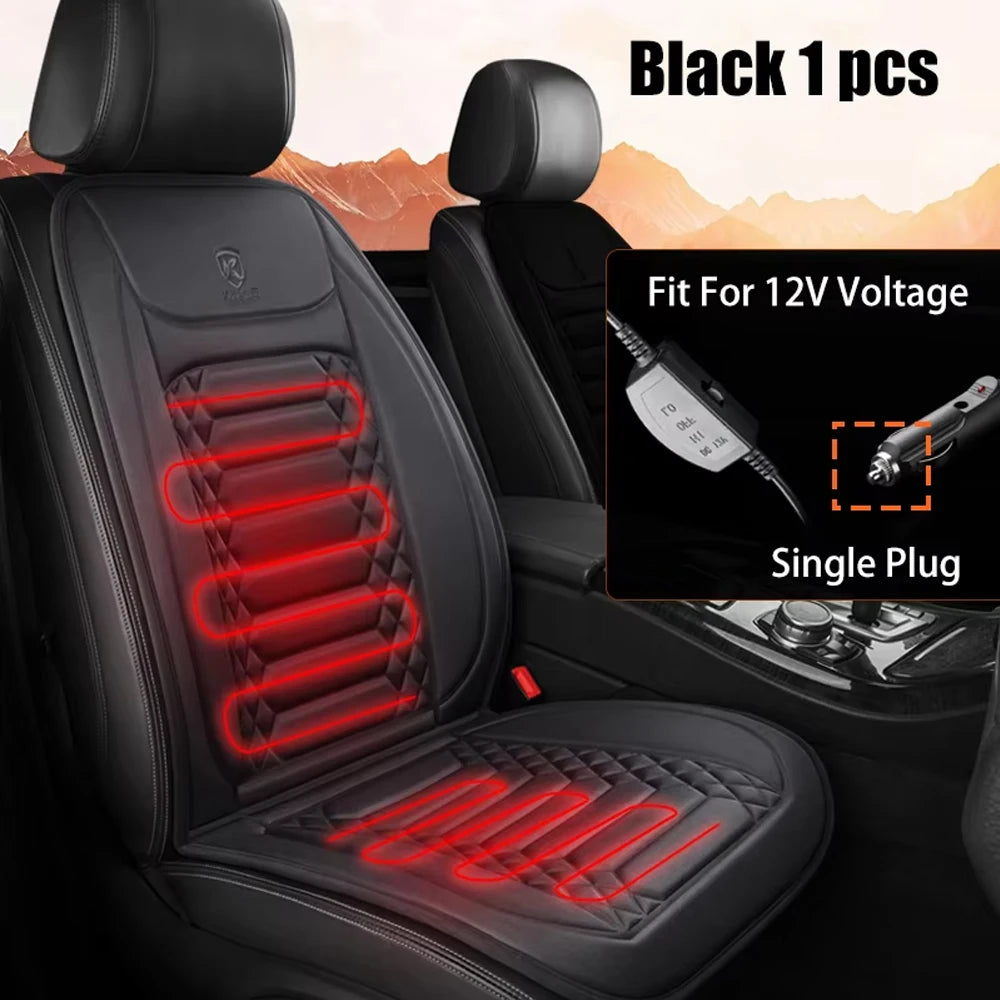
Low voltage protection in action — See how it fits your seat
Side-by-side comparison: what to check before buying
Comparing safety features before purchasing helps identify which electric car seat heaters offer better protection, reliability, and energy management. A safer system typically includes multiple safeguards rather than relying on basic heating elements alone.
| Feature | Basic Heater | Safe Heater |
|---|---|---|
| Voltage Protection | No | Yes |
| Circuit Protection | Limited | Fused |
| Heat Control | Manual | Auto-regulated |
| Temperature Sensors | Limited or unavailable | Integrated monitoring |
| Material Quality | Basic insulation | Heat-resistant materials |
| Safety Level | Lower | High |
Who should avoid or limit seat heater use?
Electric car seat heaters are safe for most drivers when used correctly, but some people should exercise additional caution. Using appropriate heat settings and limiting continuous exposure can improve both comfort and safety.
Medical conditions and sensitivity concerns
People with reduced sensitivity to heat, certain circulation disorders, nerve-related conditions, or medical advice restricting prolonged heat exposure should use seat heaters carefully. Because they may not notice excessive temperatures immediately, lower heat settings and shorter heating sessions are generally recommended.
Children and elderly users
Children and older adults may be more sensitive to prolonged heat or may not recognize discomfort as quickly. Use the lowest effective temperature, monitor comfort regularly, and avoid leaving seat heaters operating for extended periods without adjustment.
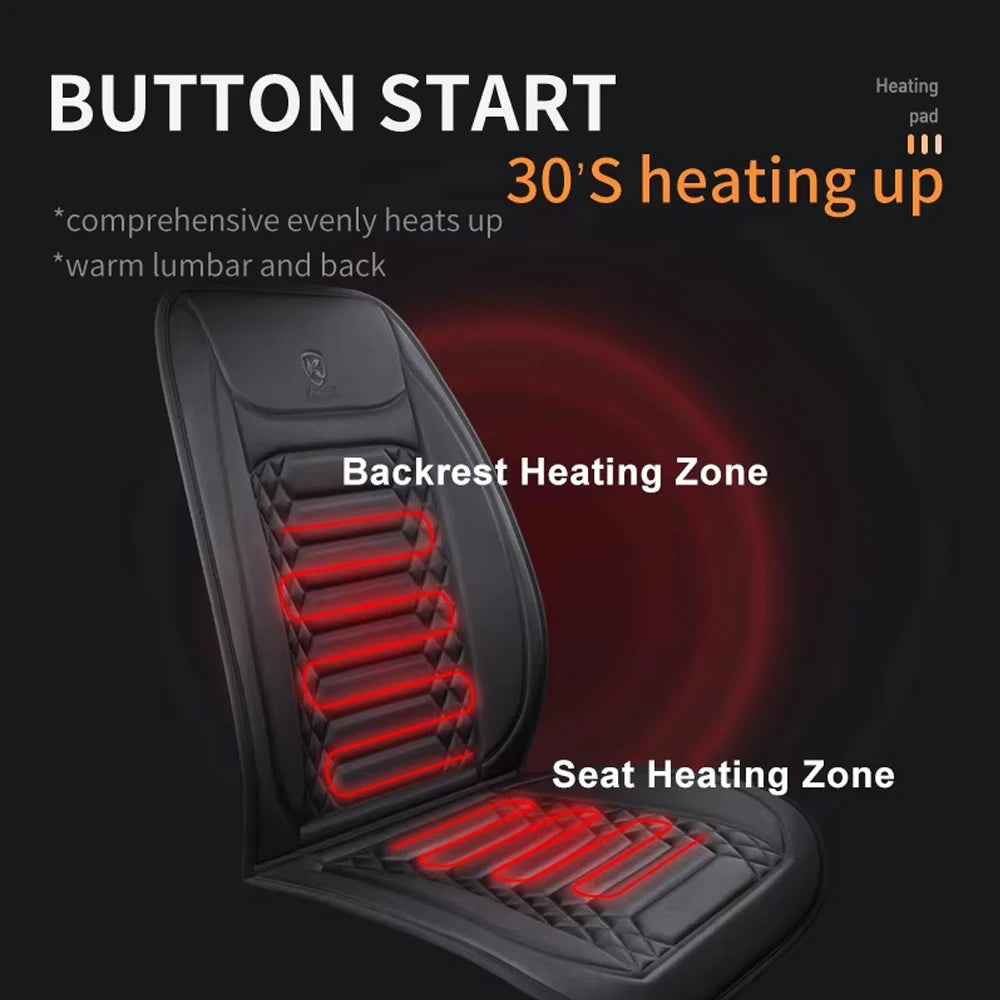
Comfort without compromise — Warmth you can trust
Frequently asked questions about electric car seat heaters and EV efficiency
Do heated seats really save battery in an EV?
Yes. Heated seats generally consume far less electricity than heating the entire cabin because they warm occupants directly instead of raising the temperature of all the air inside the vehicle. Many EV manufacturers recommend using heated seats alongside moderate climate control settings to improve winter efficiency.
How much range does the cabin heater reduce in winter?
The exact impact depends on the vehicle, outside temperature, driving conditions, and heating technology. Resistance heaters typically consume more energy than heat pump systems, so winter range reductions are often greater in EVs without heat pumps.
Are heated seats more efficient than climate control?
For personal comfort, yes. Heated seats provide localized warmth with relatively low power consumption, making them more energy-efficient than using cabin heat alone. However, climate control is still necessary for windshield defrosting, passenger comfort, and maintaining visibility in cold weather.
Does a heat pump eliminate winter range loss?
No. Heat pump systems are generally more efficient than traditional resistance heaters, but they still require battery power to warm the cabin. They reduce energy consumption rather than eliminating winter range loss completely.
Should I turn off the cabin heater to maximize EV range?
Not necessarily. A practical strategy is to lower the cabin temperature slightly while using heated seats for direct warmth. This approach often provides a good balance between driving comfort, visibility, and battery efficiency.
Is it better to preheat an EV while charging?
Yes. Preconditioning the cabin while the vehicle is plugged in allows much of the heating energy to come from the charging source instead of the battery, helping preserve available driving range before you begin your trip.
Related Guide: Seat Warmers for Car: Best Options Compared













