Does the best ear wax removal for kids really work?
The best ear wax removal for kids works when it is used appropriately and only when earwax actually needs to be removed. In most children, earwax naturally migrates out of the ear canal and protects the skin by trapping dust, debris, and bacteria. Removal is only recommended when wax becomes impacted, causes symptoms, or prevents a healthcare provider from examining the ear.
A safe way to remove earwax in children includes softening wax with pediatric-approved ear drops, using gentle irrigation where appropriate, or carefully using a child-friendly electric ear cleaner with soft tips, adjustable pressure, and shallow insertion limits. No home method should be painful or force wax deeper into the ear canal.
When used correctly, modern electric ear cleaners can help remove loose or softened wax while reducing the risk associated with cotton swabs. However, they are not designed to treat severe impactions, ear infections, or ear pain. Parents should stop immediately if a child experiences discomfort, bleeding, dizziness, or persistent pain.
Electric Ear Cleaner for Kids: Safe Options, Reviews & How to Use Them Properly
Looking for a safe electric ear cleaner for kids? This guide compares the best ear wax removal devices for children, explains how they work, outlines when earwax should and should not be removed, and shows parents exactly how to clean kids' ears safely at home. Whether you're caring for a toddler or an older child, choosing the right tool can make ear hygiene safer, easier, and less stressful.
⏱ 7 min read
Parents often worry about earwax buildup, discomfort, and the risks of unsafe cleaning tools. Understanding when earwax is normal—and when it needs attention—helps families choose the safest approach while avoiding unnecessary cleaning.
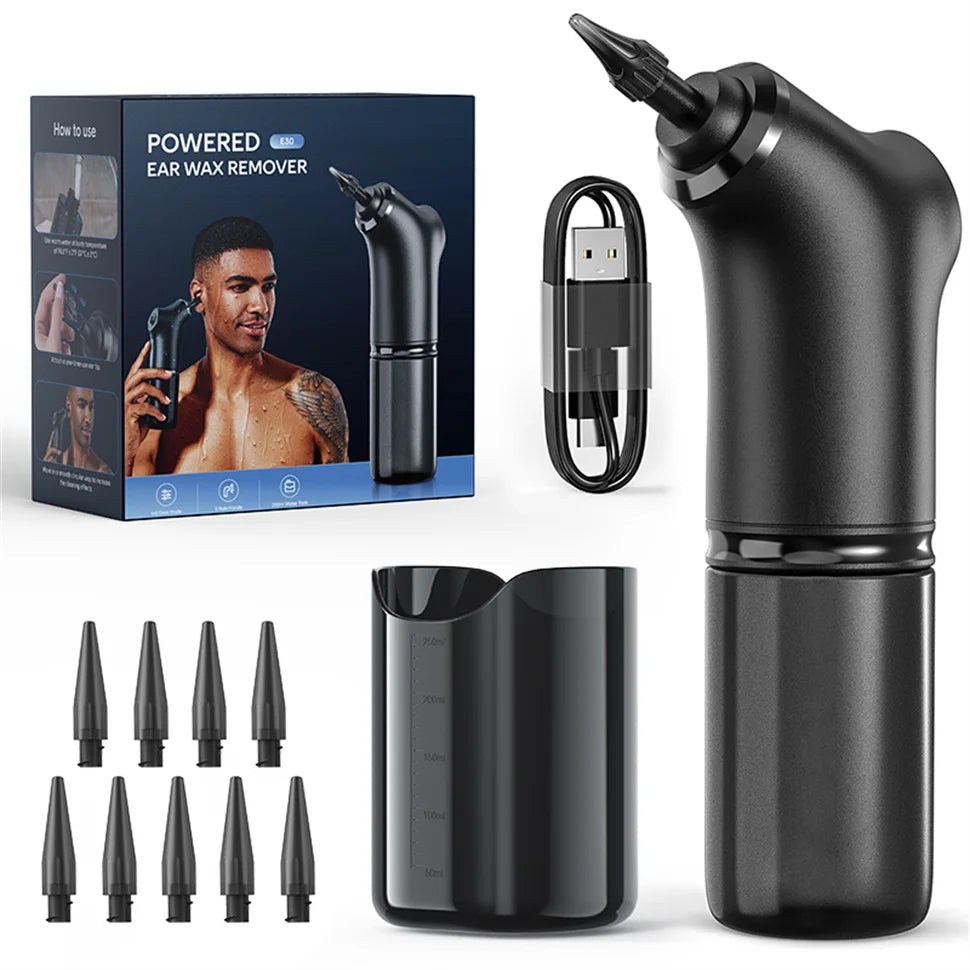
Gentle design for sensitive ears — a safe way to remove earwax. See it in action.
Why Ear Cleaning Safety Matters for Children
Children have narrower, more delicate ear canals than adults, making them more susceptible to irritation or injury if cleaning tools are used incorrectly. One of the most common mistakes parents make is inserting cotton swabs into the ear canal, which often pushes wax deeper instead of removing it.
Symptoms of impacted earwax may include reduced hearing, fullness in the ear, itching, discomfort, ringing, or frequent ear rubbing. If your child has no symptoms, routine earwax removal is usually unnecessary because the ears naturally clean themselves.
What Causes Earwax Buildup in Children?
Normal Earwax vs Impacted Earwax
Earwax (cerumen) is a healthy substance that lubricates the ear canal and helps protect against bacteria, dust, and insects. Normal earwax gradually moves outward naturally.
Impacted earwax occurs when wax becomes tightly packed inside the ear canal, often because of frequent cotton swab use, narrow ear canals, hearing protection devices, or naturally excessive wax production.
Signs Your Child May Need Earwax Removal
- Muffled or reduced hearing
- Complaints of ear fullness or pressure
- Persistent itching
- Visible wax blocking the ear opening
- Difficulty inserting hearing aids or earbuds
- Your pediatrician cannot clearly view the eardrum during an examination
If your child has ear pain, fever, drainage, or sudden hearing loss, seek medical evaluation instead of attempting home earwax removal.
When Should You Avoid Removing Earwax at Home?
Children with Ear Tubes or Perforated Eardrums
Home earwax removal should be avoided if your child has ear tubes, a known perforated eardrum, recent ear surgery, or chronic middle ear disease. Water irrigation and suction devices may not be appropriate in these situations unless recommended by a healthcare professional.
Signs You Should Visit a Pediatrician
- Severe ear pain
- Blood or fluid draining from the ear
- Persistent dizziness
- Fever with ear symptoms
- Complete hearing blockage
- Repeated wax impaction despite home care
Professional removal is generally safer for hard, deeply impacted earwax or when the diagnosis is uncertain.
Best Ear Wax Removal for Kids (Top Picks for 2026)
Best Overall
A balanced solution combines excellent safety features, comfortable silicone tips, multiple pressure settings, and simple cleaning for regular family use.
Look for models offering:
- Adjustable suction or water pressure
- Rounded silicone tips
- Automatic pressure limits
- Quiet operation to reduce anxiety
Best Ear Cleaner for Toddlers
Toddlers benefit from devices designed with extra-soft tips, limited pressure output, and ergonomic handles that give parents better control during cleaning.
Best Camera Ear Cleaner
Camera-equipped otoscopes provide real-time visibility, helping parents avoid unnecessary contact with sensitive ear canal walls. They are best suited for cooperative older children.
Best Water Irrigation Option
Gentle irrigation systems use controlled water flow to flush softened earwax. These systems should only be used according to age recommendations and should never be used if a child has ear tubes or a damaged eardrum.
Best Ear Drops for Softening Wax
Pediatric ear drops can soften hardened wax before removal, making irrigation or gentle suction more effective while reducing the need for excessive force.
Comparison Table: Best Earwax Removal Methods for Children
| Method | Recommended Age | Safety | Effectiveness | Typical Cost |
|---|---|---|---|---|
| Softening Ear Drops | As directed by pediatrician | High | Good for hardened wax | Low |
| Electric Ear Cleaner | 1+ years (device dependent) | High with proper use | Good for loose wax | Moderate |
| Camera Otoscope | 4+ years | High with supervision | Excellent visibility | Moderate |
| Bulb Syringe | Older children | Moderate | Variable | Low |
| Professional Removal | All ages | Highest | Best for impacted wax | Higher |
What Makes a Safe Electric Ear Cleaner for Children Different?
Designed Around Sensitive Ears
Child-specific devices are engineered to minimize pressure while preventing deep insertion. Rounded silicone tips help reduce irritation, while gentle suction or controlled irrigation removes wax without forcing it deeper into the canal.
Age-Appropriate Safety Design
- Low pressure output
- Rounded flexible silicone tips
- Short nozzles that limit insertion depth
- Quiet motors to reduce anxiety
- Easy-to-clean removable components
Key Features Parents Should Look For (and Why They Matter)
Gentle Suction or Water Pulse Technology
Controlled suction or irrigation helps remove softened earwax while reducing the chance of compacting it.
Adjustable Pressure Levels
Multiple settings allow parents to begin with the gentlest option and increase only if necessary.
Noise Level & Child Comfort
Quiet devices are especially helpful for toddlers and children who become anxious during ear care.
Soft, Flexible Tips
Medical-grade silicone tips improve comfort while protecting delicate ear canal skin.
Visibility (LED or Camera)
Built-in lighting or camera systems improve precision and help parents avoid unnecessary contact.
Hygiene & Maintenance
Washable or replaceable tips reduce bacterial contamination and improve long-term safety.
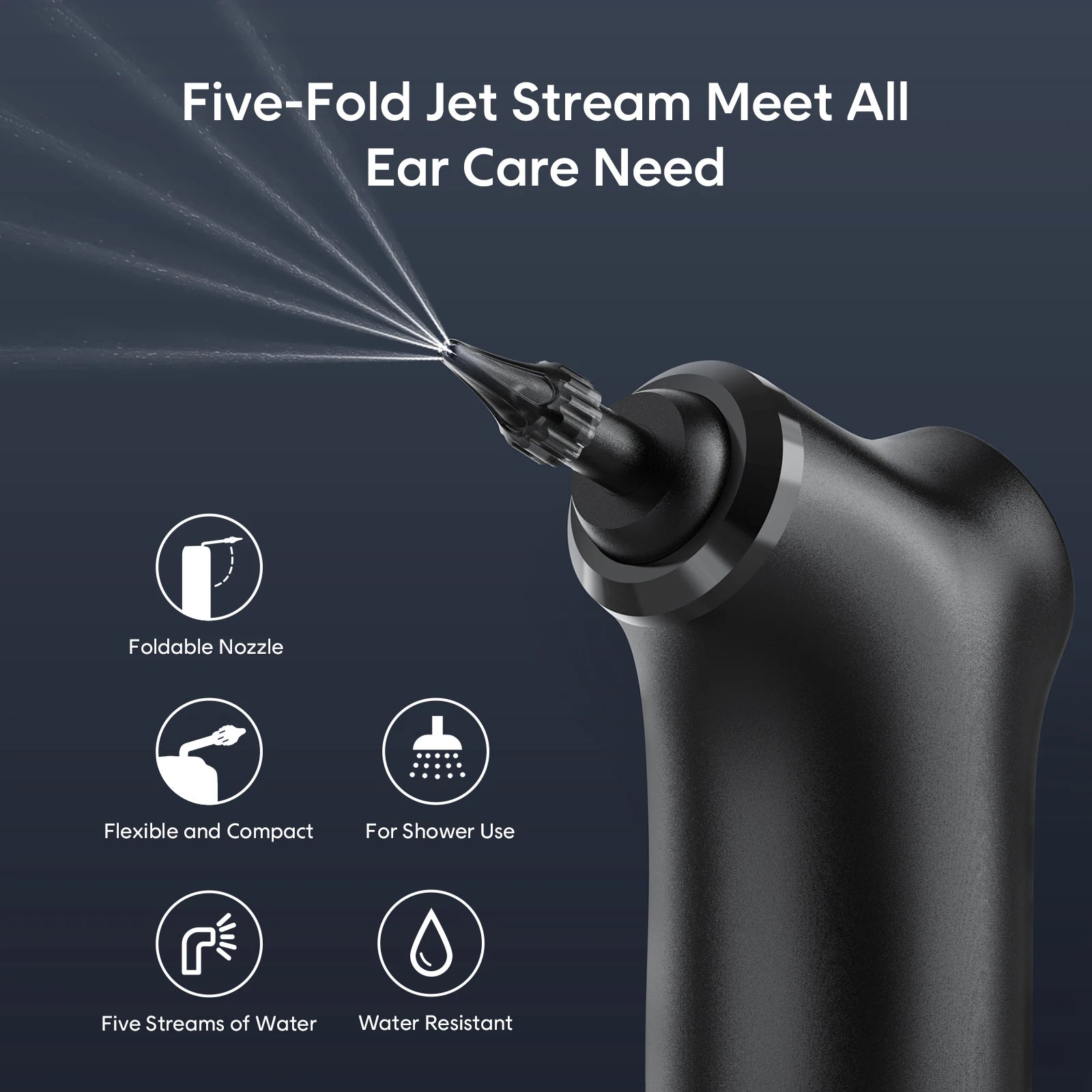
Built for comfort and control — supporting ear canal cleaning safety. See it in action.
How to Choose the Right Ear Cleaner for Your Child's Age
Babies (0–1 year)
Avoid inserting any device into an infant's ear canal. Consult your pediatrician before attempting earwax removal.
Toddlers (1–3 years)
Select low-pressure devices with extra-soft silicone tips and use only when wax is visible or causing symptoms.
Older Kids (4+)
Older children may tolerate adjustable electric cleaners or camera-assisted devices better because they can remain still during cleaning.
Electric Ear Cleaners vs Other Earwax Removal Methods
Ear Drops
Excellent for softening hardened wax before removal but may require a second method afterward.
Bulb Syringes
Can be effective when used correctly but require careful pressure control and are not suitable for every child.
Electric Cleaners
Offer controlled suction or irrigation with child-focused safety features and are useful for routine maintenance of loose earwax.
Camera Otoscopes
Provide excellent visibility and greater precision but require a cooperative child and careful handling.
Professional Removal
Remains the safest option for severe impaction, recurrent blockage, uncertain diagnosis, or children with underlying ear conditions.
How to Use an Electric Ear Cleaner Safely (Step-by-Step)
- Wash your hands and inspect the child's outer ear.
- Choose the smallest appropriate silicone tip.
- Select the lowest pressure setting.
- Gently pull the outer ear backward according to your pediatrician's guidance for your child's age.
- Keep the tip at the entrance of the ear canal without inserting deeply.
- Use slow, gentle movements for only a few seconds.
- Stop immediately if your child feels pain or dizziness.
- Wash removable parts thoroughly after each use.
For additional guidance, see our related resources: Gentle Ear Cleaning , Ear Irrigation System , and Earwax Blockage and Hearing Loss .
Common Mistakes Parents Make When Cleaning Kids' Ears
- Using cotton swabs inside the ear canal
- Trying ear candles, which are not recommended
- Using excessive irrigation pressure
- Cleaning too frequently when wax is normal
- Ignoring pain, drainage, or hearing loss
- Using adult-sized devices on young children
How to Prevent Excessive Earwax Buildup in Children
- Avoid routine cotton swab use inside the ear canal.
- Clean only the outer ear with a soft washcloth.
- Use earwax removal devices only when symptoms or visible buildup are present.
- Monitor children who naturally produce excessive earwax.
- Follow your pediatrician's recommendations if your child experiences recurrent impactions.
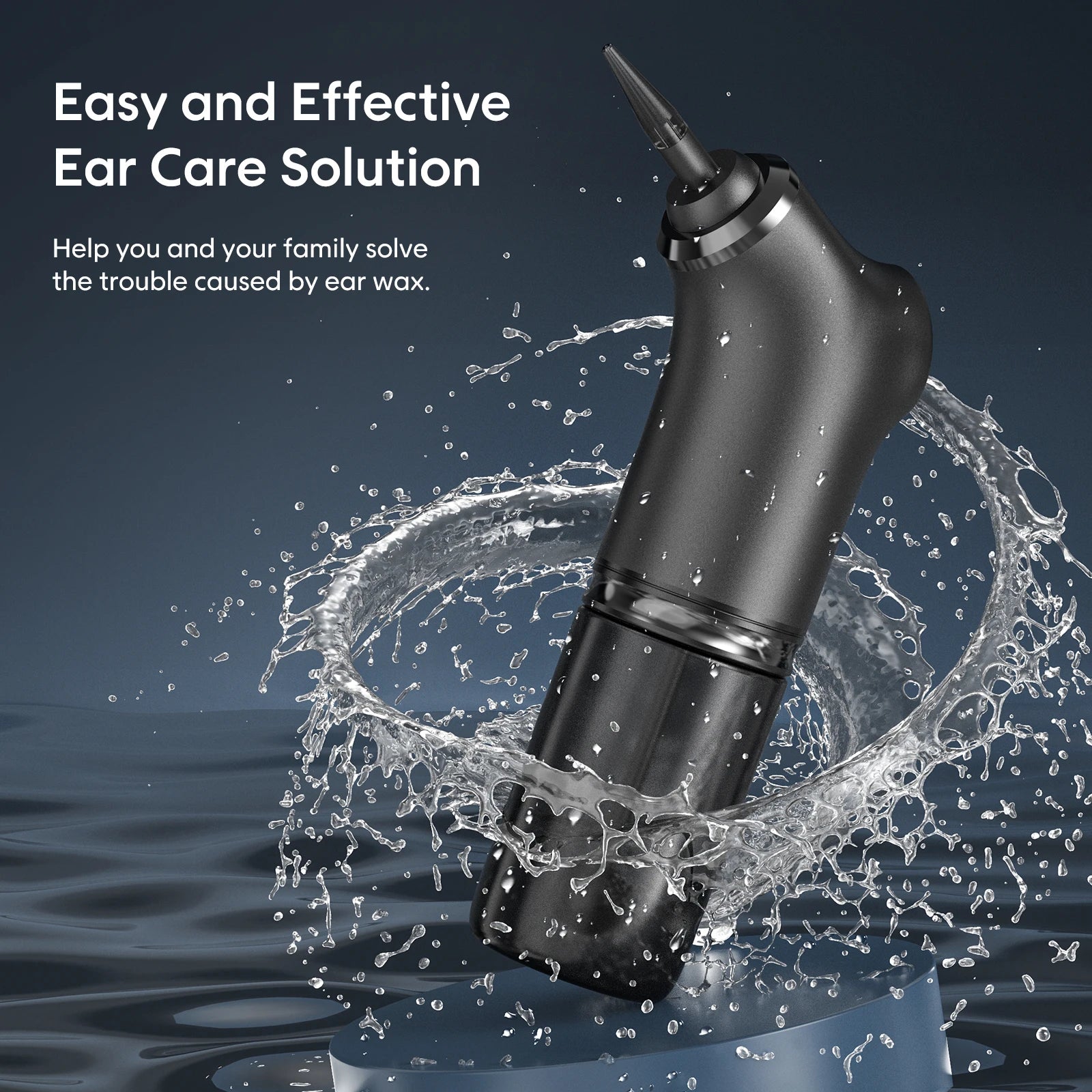
A calm, confident routine for earwax care — safe ear cleaning methods. See it in action.
FAQ: Best Ear Wax Removal for Kids
Are electric ear cleaners safe for children?
Yes, when they are specifically designed for children, used according to the instructions, and never inserted deeply into the ear canal.
What is the safest way to remove earwax in children?
For mild buildup, pediatric-approved ear drops or child-safe electric ear cleaners may be appropriate. Severe impactions should be removed by a healthcare professional.
Can toddlers use electric ear cleaners?
Some child-specific models are suitable for toddlers over 1 year of age, but parents should always follow manufacturer recommendations and supervise use carefully.
How often should kids' ears be cleaned?
Most children do not require routine earwax removal. Clean only when wax causes symptoms or your pediatrician recommends it.
Can earwax cause temporary hearing loss?
Yes. Impacted earwax can temporarily reduce hearing until the blockage is safely removed.
When should I see a pediatrician instead of cleaning at home?
Seek medical care if your child has severe pain, drainage, fever, dizziness, hearing loss, bleeding, a history of ear tubes, or repeated wax impactions.
Related Guide: Rechargeable Ear Cleaning System Features That Improve Results