

What is safe outdoor gas stove use?
Safe outdoor gas stove use means setting up, lighting, cooking, transporting, and shutting down a camping stove in ways that reduce gas leaks, flare-ups, burns, carbon monoxide exposure, and tip-over accidents. Following an organized outdoor gas stove safety guide helps campers prepare meals efficiently while protecting themselves, nearby people, and the surrounding environment.
How camping gas stoves work
A gas burner camping stove delivers pressurized fuel from a canister through a regulator or valve into the burner, where it mixes with air before ignition. Proper airflow creates a stable blue flame that produces efficient heat. Restricting airflow, using damaged components, or opening the gas valve too far before lighting can disrupt combustion and increase safety risks.
Butane vs propane vs isobutane fuel systems
- Butane: Performs well in mild temperatures but loses pressure in cold weather.
- Isobutane: Offers better cold-weather performance and is commonly used in backpacking canisters.
- Propane: Maintains pressure in lower temperatures and is popular for larger camping setups.
Always use the fuel type recommended by your stove manufacturer. Mixing incompatible canisters or adapters can create dangerous leaks or unstable operation.
Who should follow this safety guide
This outdoor gas stove safety guide is useful for first-time campers, overlanders, hikers, RV travelers, family campers, and anyone using a portable camping stove for outdoor cooking. Whether preparing coffee at sunrise or cooking dinner after a long hike, following the same safe workflow reduces avoidable accidents.
⏱ 7 min read
How to Use a Camping Gas Stove Safely (Step-by-Step Outdoor Guide)
Ever had your flame sputter out just as dinner starts? Or felt uneasy lighting a stove near dry leaves and gusty wind? Learning how to use a camping gas stove safely isn't about owning expensive equipment—it's about following proven habits before, during, and after cooking. This guide walks through every stage, from inspection to shutdown, so you can prepare meals confidently in real outdoor conditions.
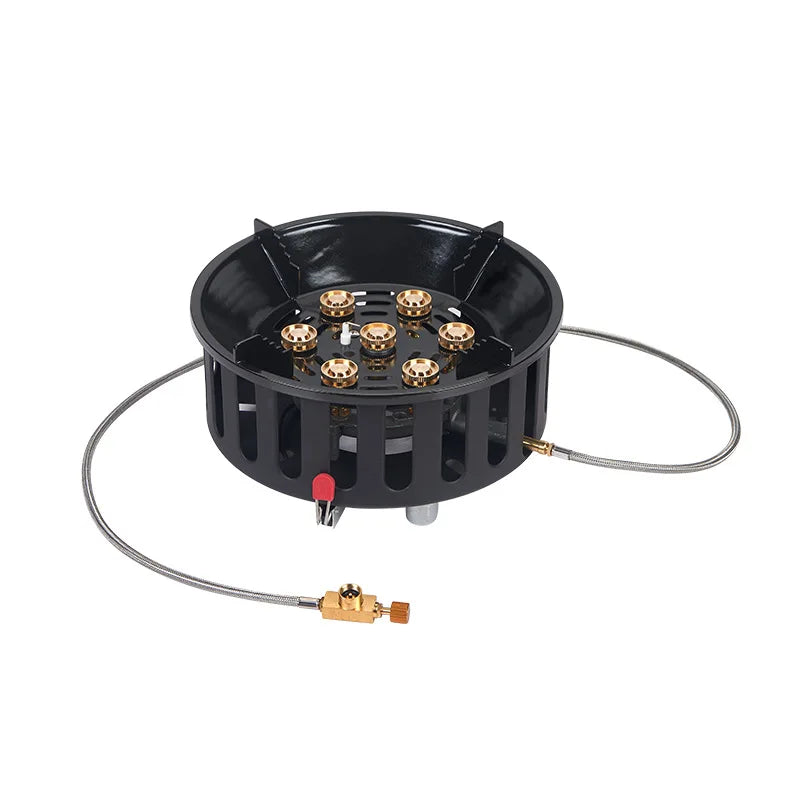
Safe outdoor gas stove use with outdoor camping stoves begins with a stable setup and careful preparation.
Why camping gas stove safety matters (risks you must understand)
Portable camping stoves are reliable when used correctly, but they combine pressurized fuel with open flame. Understanding the most common hazards allows you to recognize warning signs early and avoid situations that lead to injuries or equipment damage.
Carbon monoxide danger explained simply
Camping gas stoves produce carbon monoxide whenever fuel burns. Because the gas is colorless and odorless, it can accumulate unnoticed inside enclosed or poorly ventilated spaces. Always cook outdoors where fresh air circulates freely.
Fire and flare-up risks in real scenarios
Most flare-ups happen because excess gas collects before ignition, cookware spills onto burners, or strong wind interferes with combustion. Keeping the burner clean and following the correct ignition sequence greatly reduces these risks.
Burns, explosions, and fuel hazards
Burn injuries often occur when people touch hot cookware, move a lit stove, or disconnect fuel before the appliance cools. Explosions are rare but can happen if leaking gas reaches an ignition source. Damaged canisters, worn O-rings, or incompatible fuel systems should never be used.
Pre-use safety checklist (2-minute routine before every use)
Spending two minutes inspecting your equipment prevents many common camping stove problems before they occur.
Inspect stove and fuel canister
- Look for bent burner supports or damaged valves.
- Inspect hoses for cracks or abrasion.
- Check that the fuel canister has no dents, rust, or corrosion.
- Confirm control knobs move smoothly.
Check compatibility and expiration
- Use only compatible fuel canisters recommended for your stove.
- Inspect O-rings for cracking or flattening.
- Replace damaged seals immediately.
- Do not use heavily rusted or expired refillable cylinders.
Leak detection with soapy water
If you suspect a leak, apply a small amount of soapy water around threaded connections before lighting the stove. Bubbling indicates escaping gas. Never test for leaks using an open flame.
Stable surface and safe distance setup
- Place the stove on firm, level, non-flammable ground.
- Maintain at least 1 meter of clearance from tents, dry vegetation, and camping gear.
- Remove leaves, paper, and other combustible materials.
- Keep children and pets away from the cooking area.
Choose the right cooking spot for safe outdoor use
Your cooking location affects stability, ventilation, and fire safety as much as the stove itself.
Wind, terrain, and ventilation rules
- Select naturally sheltered areas with good airflow.
- Cook on flat ground whenever possible.
- Avoid cooking beneath low branches.
- Keep ventilation unobstructed around the burner.
Safe clearances from tents and gear
Position the stove far enough from sleeping areas, fuel storage, backpacks, and synthetic fabrics that accidental sparks or hot cookware cannot reach them. Give yourself enough room to move safely while cooking.
Where NOT to use a camping stove (critical mistakes)
- Inside tents or enclosed shelters
- On unstable tables or rocks
- Directly on dry grass or plastic surfaces
- Near gasoline, solvents, or spare fuel storage
- Anywhere ventilation is restricted
How to light a camping stove safely (step-by-step)
Correct ignition sequence
- Set the stove on a stable surface.
- Securely attach the fuel canister.
- Prepare your lighter or igniter first.
- Open the gas valve slightly.
- Ignite immediately.
- Adjust the flame only after stable ignition.
Adjust flame safely
Increase heat gradually rather than opening the valve fully. Lower flame settings often provide better fuel efficiency and more controlled cooking.
Recognize normal vs abnormal flames
- Healthy flame: Mostly blue, stable, and quiet.
- Yellow or orange flame: May indicate poor combustion, dirt, or restricted airflow.
- Popping or sputtering: Inspect the burner and fuel connection before continuing.
Practice these simple lighting habits before every trip to build safe routines.
Control flame and cook safely outdoors
Consistent flame control improves cooking performance while reducing fuel consumption and accident risk.
Safe cookware placement
Center pots over the burner and avoid oversized cookware that extends well beyond the supports. Heavy pots can make lightweight backpacking stoves unstable.
Prevent tipping and spills
- Keep pot handles turned inward.
- Avoid bumping the cooking surface.
- Use cookware sized appropriately for your stove.
- Move carefully around the cooking area.
Never leave the stove unattended
Remain nearby while the burner is operating. Wind, boiling liquids, or curious children can create dangerous situations within seconds.
| Flame Level | Best Use | Fuel Impact |
|---|---|---|
| Low | Simmering and warming food | Very efficient |
| Medium | General cooking and boiling | Balanced |
| High | Rapid boiling only | Highest fuel consumption |
Manage wind without trapping gas
Wind affects both cooking efficiency and safety. The goal is to shield the flame while maintaining adequate airflow.
Use windshields correctly
Use only windshields designed for camping stoves, leaving sufficient space around the burner and fuel canister for ventilation.
Avoid overheating fuel canisters
Never completely surround the stove with foil or other barriers that reflect excessive heat toward the fuel canister. Overheating increases internal pressure and creates unnecessary hazards.
Cooking in changing weather
- Face the burner so wind strikes the rear.
- Relocate if gusts become unpredictable.
- Monitor flame color frequently.
- Pause cooking during severe weather.
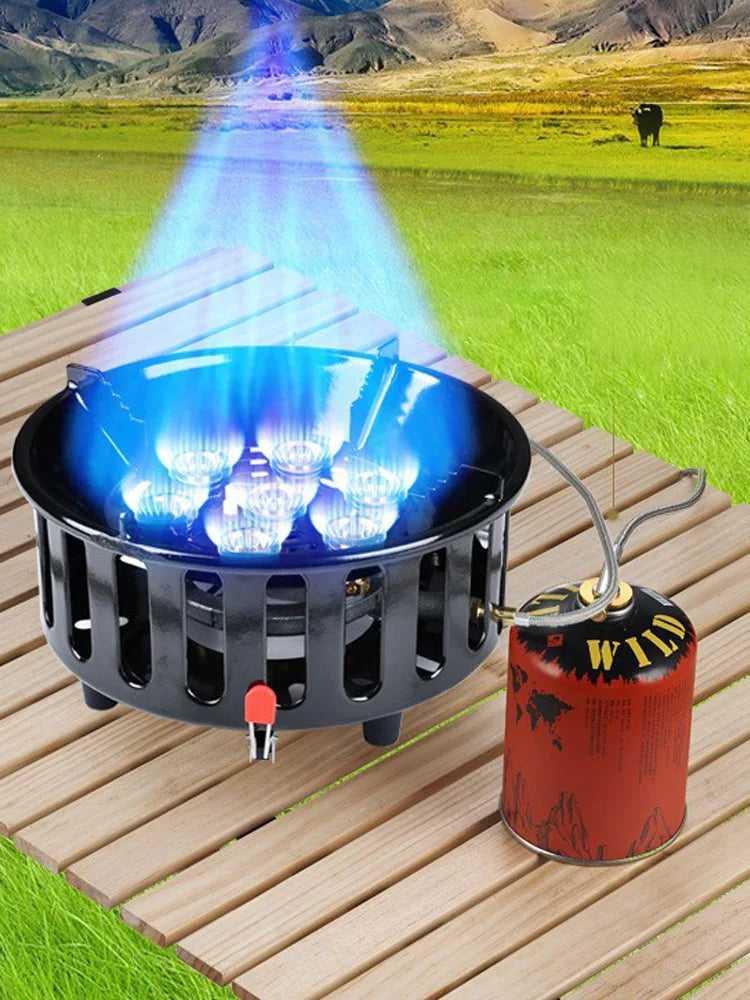
Managing wind correctly helps maintain a stable flame without trapping heat around the fuel canister.
Common camping stove problems and how to fix them safely
Uneven flame
- Clean burner ports gently.
- Remove food residue.
- Check for blocked air passages.
Flame keeps going out
- Protect the burner from wind.
- Warm a cold canister with your hands.
- Inspect the valve for obstructions.
Weak heat output
- Confirm the valve is fully functional.
- Use fresh, compatible fuel.
- Avoid using butane in freezing temperatures.
Strong gas smell
- Turn off the stove immediately.
- Move away from ignition sources.
- Reconnect the canister only after finding the cause.
Igniter fails to spark
- Keep the ignition electrode clean.
- Use a long lighter if necessary.
- Replace worn igniters instead of forcing repeated attempts.
Safe shutdown, fuel removal, and transportation
Correct shutdown sequence
- Turn off the burner completely.
- Confirm the flame is extinguished.
- Allow the stove to cool naturally.
Disconnect and cool safely
Wait until metal components can be handled comfortably before disconnecting the fuel canister or packing the stove.
Store and transport fuel canisters
- Store canisters upright whenever possible.
- Keep them away from direct sunlight and excessive heat.
- Avoid leaving fuel inside hot vehicles for extended periods.
- Protect valves from impact during transportation.
Advanced safety scenarios (what most guides miss)
Can you use a camping stove in a tent or enclosed space?
No. Even with doors or windows open, enclosed spaces can accumulate carbon monoxide and dramatically increase fire risk.
High altitude and cold weather stove safety
Cold temperatures reduce fuel pressure, while high elevations affect combustion efficiency. Carry fuel appropriate for expected weather and protect canisters from extreme cold.
Using stoves in RVs or covered shelters
Whenever possible, cook outside. If shelter is necessary, ensure unrestricted ventilation and follow the appliance manufacturer's safety recommendations.
Cooking during fire restrictions
Many parks and public lands impose seasonal fire restrictions. Always check local regulations before your trip, and never assume gas stoves are automatically permitted during high fire danger.
Emergency actions if something goes wrong
What to do if you smell gas
- Shut off the fuel immediately.
- Move away from the stove.
- Avoid creating sparks.
- Inspect all connections before reuse.
What to do during flare-ups or fire
- Turn off the fuel if safe.
- Do not throw water directly onto burning gas.
- Smother small fires using appropriate fire suppression methods.
- Evacuate if the fire spreads.
Treating minor burns safely
Cool minor burns under clean running water for at least 20 minutes. Do not apply butter, oils, or ice directly to burned skin. Seek medical attention for larger or more serious burns.
When to call emergency services
Call emergency services immediately if someone shows signs of carbon monoxide poisoning, suffers severe burns, or if a fire cannot be safely controlled.
After cooking, many campers transition to relaxation routines. Explore the Lifestyle collection for gear that complements outdoor comfort, or unwind post-trip with recovery tools from Body Care and Health Devices .
Camping gas stove maintenance schedule
Clean after every trip
Remove grease, food residue, and debris from burners, pot supports, and ignition components before storing the stove.
Inspect seals and hoses
Before every trip, inspect O-rings, hoses, threaded connections, and regulators for wear or cracking.
Replace worn components
Replace damaged seals, igniters, and hoses promptly. Using worn parts increases the risk of leaks and unreliable performance.
Printable camping gas stove safety checklist
- ✓ Inspect stove, seals, and fuel canister.
- ✓ Confirm compatible fuel.
- ✓ Test suspicious connections with soapy water.
- ✓ Cook outdoors on stable ground.
- ✓ Keep at least 1 meter from flammable materials.
- ✓ Monitor flame color while cooking.
- ✓ Never leave the stove unattended.
- ✓ Turn off fuel completely after cooking.
- ✓ Allow the stove to cool before packing.
- ✓ Store fuel safely for transportation.
FAQ: camping gas stove safety tips
Can I use a gas stove inside my tent?
No. Carbon monoxide and fire hazards make tents unsafe for cooking.
How far should my stove be from flammable items?
Maintain at least 1 meter of clearance from tents, dry vegetation, and camping equipment.
Why does my camping stove flare up suddenly?
Common causes include excess gas before ignition, blocked burners, grease buildup, or strong wind.
How do I know if my fuel canister is empty?
Compare its weight with a full canister, monitor flame performance, or gently shake liquid-fuel canisters when appropriate.
Is it safe to cook in windy conditions?
Yes, provided you use a proper windscreen without trapping heat around the fuel canister.
Can different gas canisters be mixed with any stove?
No. Always use compatible canisters recommended by the stove manufacturer.
Should I disconnect the canister after every use?
For most portable camping stoves, disconnecting the canister after the stove has cooled helps reduce the chance of accidental leaks during storage and transport.













