

What is the safest heater for a home? (Quick answer + safety ranking)
The safest heater for home is typically an electric heater with built-in protections like tip-over shutoff, overheat protection, and automatic temperature control. Among all options, oil-filled radiators and panel heaters are generally considered the safest types due to their enclosed heating elements and stable heat output.
Safest heater types ranked by risk level
- Lowest risk: Oil-filled radiators (sealed system, no exposed heat)
- Very low risk: Panel heaters (stable, cool-touch surfaces)
- Low risk: Ceramic fan heaters (safe with modern protections)
- Moderate risk: Infrared heaters (safe when properly placed)
- Higher risk (indoor use): Gas/propane heaters (ventilation required)
Why electric heaters are generally safest
Electric heaters do not produce open flames or carbon monoxide, making them the safest indoor heater category for homes, bedrooms, and offices. Modern designs include multiple layers of protection to prevent overheating, tipping, and electrical faults.
When fuel-based heaters are not recommended
Gas and propane heaters can pose serious risks indoors due to carbon monoxide buildup and oxygen depletion. These heaters should only be used in well-ventilated or outdoor environments unless specifically rated for indoor use.
Safest electric heater options ranked for everyday use
Choosing the safest electric heater isn’t just about warmth—it’s about peace of mind. From bedrooms to home offices, today’s heaters are expected to perform quietly, efficiently, and safely without constant supervision. Below, we break down which designs truly protect your space and why some models stand out when safety matters most.
⏱ 7 min read
Explore the safety-first options below and see what makes each one shine.
Which safety feature actually prevents accidents in real homes? Read on—you might be surprised.
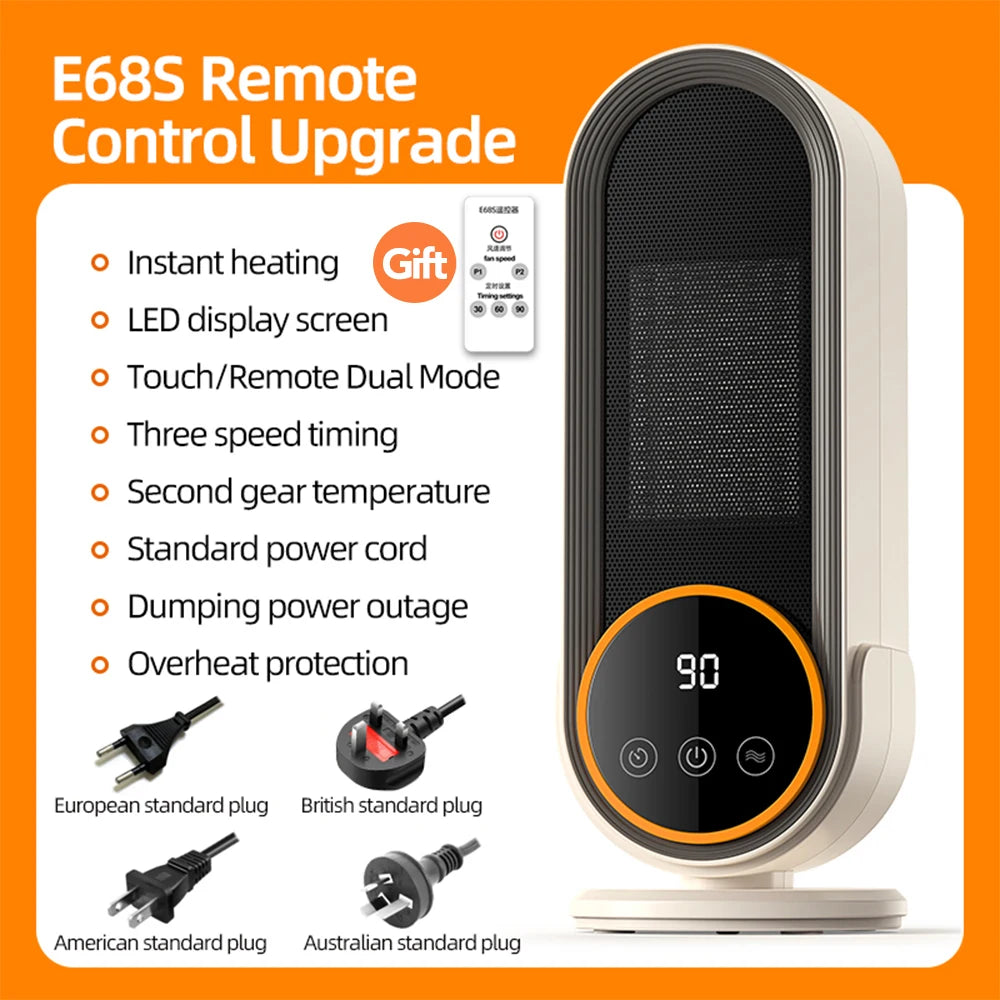
A modern safest electric heater with built-in electric heater safety features
Why safety matters when choosing a home heater
Choosing a heater is not only about warmth and efficiency—it is primarily about safety. Poorly designed heaters can create fire hazards, overheating risks, and indoor air quality issues, especially during long-term use.
Common heater risks
- Overheating due to lack of thermal regulation
- Tipping over near flammable materials
- Electrical faults from poor wiring
- Uneven heat distribution in enclosed rooms
Fire hazards and overheating
Heaters without proper sensors can reach dangerous temperatures, increasing the risk of fire when placed near curtains, bedding, or furniture.
Carbon monoxide and indoor air risks
Fuel-based heaters can produce carbon monoxide—a colorless, odorless gas that is dangerous indoors. This is why electric heaters are considered the safest for indoor use.
Safety standards and certifications to look for
Look for certifications such as UL, ETL, or CE. These confirm that the heater meets strict electrical and safety testing standards.
Electric heater safety features you should always look for
Heater with tip over protection explained
This feature automatically shuts off the heater if it is knocked over, preventing fires and accidental overheating.
Overheat protection space heater systems
Internal sensors monitor temperature and shut down the unit if it exceeds safe limits.
Cool-touch housing and auto shutoff
Cool-touch surfaces reduce burn risk, while timers and auto shutoff add extra protection during extended use.
Thermostat control and energy efficiency
Thermostats maintain stable temperatures, reducing energy waste and preventing overheating cycles.
Safest types of heaters for home use (with risk comparison)
Ceramic fan heaters (low risk, fast heating)
Quick heating and built-in safety features make them ideal for small spaces and short-term use.
Oil-filled radiators (lowest fire risk)
These heaters use sealed oil systems with no exposed heating elements, making them one of the safest options for continuous use.
Infrared heaters (safe targeted heating)
Efficient for direct warmth but require proper placement to avoid overheating nearby objects.
Panel heaters (wall-mounted safety advantage)
Low surface temperatures and stable operation make panel heaters excellent for bedrooms and shared spaces.
Electric vs gas vs propane heaters: which is safest?
Electric heaters vs propane patio heater safety
Electric heaters are safer indoors because they do not produce emissions. Propane heaters are better suited for outdoor use.
Carbon monoxide risks explained
Gas heaters can release carbon monoxide, which is dangerous without proper ventilation.
Indoor vs outdoor heater safety rules
Always use heaters according to their intended environment. Indoor heaters must be certified for enclosed spaces.
Ranked safest electric heaters for home (by type and use case)
1. Compact ceramic heaters with smart shutoff
Ideal for small rooms and desks with modern safety protections.
2. Panel heaters for bedrooms and living rooms
Quiet, stable, and low-risk—perfect for overnight use.
3. Oil-filled radiators with slow, steady warmth
Best for long-term heating with minimal fire risk.
4. Infrared heaters for targeted warmth
Efficient for personal heating zones when used correctly.
Side-by-side comparison of safest indoor heaters (features + safety)
| Heater Type | Safety Level | Best Use Case | Key Safety Features |
|---|---|---|---|
| Ceramic Fan Heater | High | Quick heating | Tip-over, overheat protection |
| Panel Heater | Very High | Bedrooms | Cool-touch, stable heat |
| Oil-Filled Radiator | Very High | Continuous use | Sealed system |
| Infrared Heater | Moderate | Targeted heating | Directional heat |
Which safest heater for home fits your lifestyle?
For bedrooms and overnight use
Panel heaters and oil-filled radiators are the safest choices.
For families with kids or pets
Choose heaters with tip-over protection and cool-touch surfaces.
For offices and workspaces
Compact ceramic heaters offer quick, localized warmth.
For energy-conscious users
Look for thermostat-controlled, energy-efficient models.
How to use a heater safely at home (expert safety rules)
Placement and clearance guidelines
- Keep at least 3 feet from flammable materials
- Avoid curtains and bedding
Electrical safety practices
- Plug directly into wall outlets
- Avoid extension cords
Overnight usage precautions
- Use heaters with auto shutoff
- Place on stable surfaces
Child and pet safety tips
- Choose cool-touch designs
- Avoid placing heaters in high-traffic areas
Common heater safety mistakes to avoid
Using extension cords incorrectly
This can lead to overheating and electrical fires.
Placing heaters near flammable materials
Always maintain safe distance from fabrics and furniture.
Ignoring warning signs of overheating
Unusual smells or shutdowns indicate potential hazards.
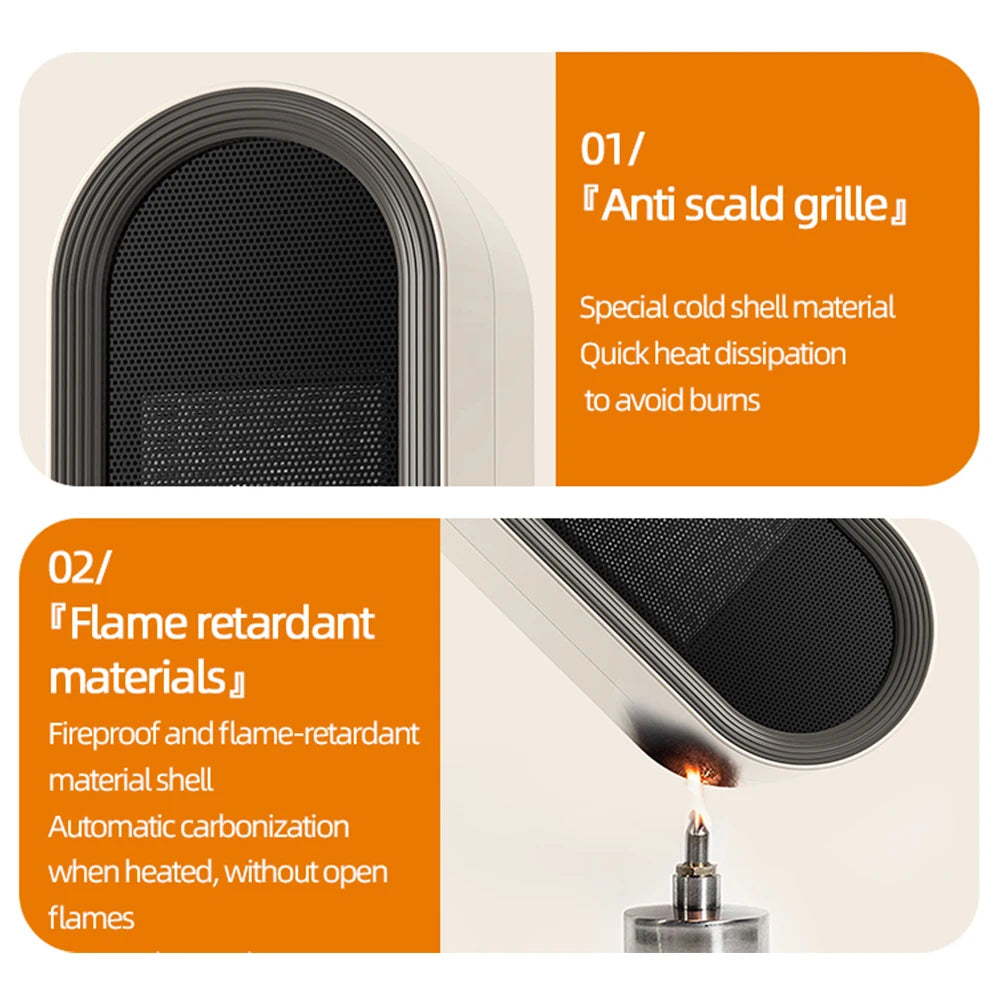
Layered electric heater safety features in a compact design
Frequently asked questions about the safest heater for home
What is the safest heater for a home overall?
Oil-filled radiators and panel heaters are generally the safest options.
Are electric heaters safer than gas or propane heaters?
Yes, because they do not produce carbon monoxide or require ventilation.
Which heater is safest to leave on overnight?
Panel heaters and oil-filled radiators with auto shutoff features.
What safety features should a space heater have?
Tip-over protection, overheat sensors, and thermostat control.
Are oil-filled radiators safer than ceramic heaters?
Yes, due to their sealed design and stable heat output.
Can space heaters cause carbon monoxide poisoning?
Only fuel-based heaters can. Electric heaters do not produce CO.
What is the safest heater for a bedroom?
Panel heaters or oil-filled radiators are ideal.
How far should a heater be from furniture?
At least 3 feet for safe operation.
Related Guide: Best heater for bedroom: Quiet vs Safe Picks Compared













