

Does Sagging Neck Skin Really Have Effective Solutions?
Sagging neck skin can often be improved, but the best approach depends on how much laxity, crepiness, and collagen loss is present. For mild changes, daily sunscreen, evidence-based skincare, and consistent neck-focused routines may help improve texture and support neck skin elasticity. At-home devices such as red light therapy may provide additional support, while professional treatments generally offer more noticeable tightening for moderate to severe laxity. The key is to match the solution to the underlying cause and keep expectations realistic: skincare and home routines can improve the appearance of the neck, but they cannot fully remove significant excess skin.
How to Tone Neck Skin: Exercises, Routines & Proven Ways to Firm a Sagging Neck
⏱ 7 min read
If you notice loose, crepey, or less firm skin below your jawline, you may be wondering how to tone neck skin and whether it is possible to tighten the area naturally. Neck aging is influenced by collagen loss, sun exposure, genetics, weight changes, and repeated movement. The most effective strategy combines daily sun protection, targeted skincare, realistic lifestyle habits, and—when appropriate—at-home or professional treatments. This guide explains what can genuinely help, what has limited evidence, and how to choose the right approach for firmer-looking neck skin.
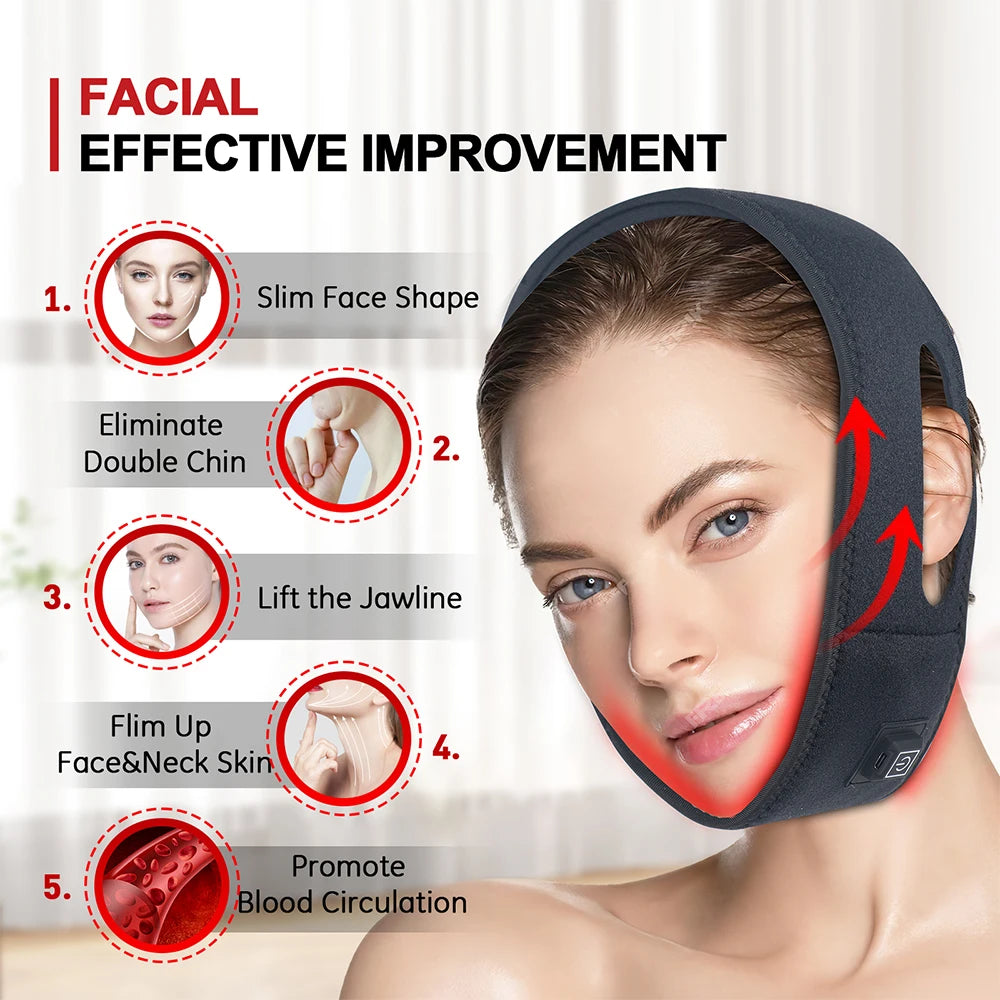
Sagging neck skin can have multiple causes, so the most effective solution depends on the type and severity of skin laxity.
Why Does Neck Skin Sag?
Neck skin can lose firmness for the same fundamental reasons as facial skin, but the neck often shows aging more visibly because its skin is relatively thin, frequently exposed to sunlight, and constantly affected by movement. Understanding the cause helps determine how to strengthen skin on the neck and choose realistic treatments.
Collagen, Elastin & Skin Aging
Collagen provides much of the skin's structural support, while elastin helps it return to its original shape after movement. As people age, the body generally produces less collagen and the skin's supportive structures become less resilient. This can contribute to thinner-looking, looser, and more crepey neck skin.
Reduced hydration can make these changes appear more pronounced. When the skin barrier is dry or compromised, fine lines and uneven texture may become easier to see, even though moisturization alone cannot replace lost structural support.
Sun Damage, Weight Loss, Tech Neck & Lifestyle Factors
- Sun exposure: Ultraviolet radiation contributes to collagen breakdown and premature skin aging.
- Weight changes: Significant weight loss can leave previously stretched skin looking looser, depending on factors such as age, genetics, and the amount of weight lost.
- Repeated neck movement: Frequent bending and folding can contribute to visible horizontal lines and creasing over time.
- Genetics: Skin thickness, elasticity, and the pattern of aging vary considerably from person to person.
- Lifestyle factors: Smoking, insufficient sun protection, and chronic skin dryness can contribute to an older-looking skin appearance.
“Tech neck” is best understood as a description of repeated neck positioning and creasing rather than a single medical cause of sagging. Improving posture may reduce repetitive folding, but it cannot reverse established collagen loss by itself.
Can You Firm Neck Skin Naturally?
Yes, mild changes in neck texture and firmness can often be improved without surgery, especially when the main concerns are dryness, early sun damage, or mild laxity. The most reliable natural approach is not a single exercise or home remedy. It is a consistent combination of broad-spectrum sunscreen, appropriate skincare, healthy habits, and realistic maintenance.
What Works
- Daily sun protection: Helps limit additional UV-related collagen damage.
- Moisturizing: Supports the skin barrier and can temporarily improve the appearance of fine, dry, crepey texture.
- Evidence-based topical ingredients: Retinoids and certain antioxidant or peptide formulations may support smoother-looking, more resilient skin over time.
- Healthy weight management: Avoiding repeated large weight fluctuations may help minimize additional stretching of the skin.
- Consistent routines: Regular use matters more than frequently switching between products.
What Has Limited Evidence
Many popular home remedies claim to “tighten” the neck, but there is limited evidence that ingredients such as household food products or aggressive massage can significantly rebuild lost collagen or remove excess skin. Gentle massage may feel pleasant and temporarily improve the appearance of puffiness, but vigorous pulling or rubbing can irritate delicate neck skin.
Natural methods can support healthier-looking skin and modest improvements, but they cannot reliably produce the same degree of tightening as procedures designed to remodel deeper tissue or remove excess skin.
How to Firm Neck Skin Naturally (Daily Routine)
If you are looking for how to tone your neck or how to firm up your neck at home, keep the routine simple enough to follow consistently. A practical routine should protect the neck from further damage while supporting hydration and long-term skin quality.
Morning Routine
- Cleanse gently or rinse: Avoid unnecessary scrubbing and harsh products that can irritate the skin.
- Apply antioxidant skincare if appropriate: A vitamin C product may help support protection against environmental oxidative stress.
- Moisturize: Choose a formula that supports the skin barrier and reduces dryness.
- Apply broad-spectrum sunscreen: Extend sunscreen from the face down across the front, sides, and other exposed areas of the neck.
Night Routine
- Cleanse gently: Remove sunscreen, makeup, sweat, and daily buildup without over-cleansing.
- Use a retinoid or retinol product if suitable: Introduce it gradually because neck skin may be more sensitive than facial skin.
- Apply moisturizer: Use a barrier-supporting moisturizer to reduce dryness and improve the look of rough texture.
Weekly Maintenance
- Use exfoliating products cautiously and avoid over-exfoliation, particularly if using a retinoid.
- Perform gentle neck exercises if you enjoy them and can do them comfortably.
- Use a targeted device according to its instructions if it fits your goals and skin tolerance.
The most important part of any plan for how to tone neck skin is consistency. A simple routine used regularly is generally more practical than an aggressive routine that causes irritation or is difficult to maintain.
Best Neck Exercises for Firmer Skin
Neck exercises for sagging skin primarily target the muscles beneath the skin, including muscles involved in jaw and neck movement. Strengthening these muscles may improve muscle tone and the overall appearance of the lower face and neck in some people, but exercises do not directly rebuild lost collagen or remove excess skin.
Neck Exercises for Sagging Skin
- Chin lift: Sit or stand comfortably, gently look upward, and hold a light stretch without forcing the neck.
- Platysma activation: Keep the jaw relaxed and gently draw the corners of the mouth downward while lightly engaging the front of the neck.
- Chin tuck: Keeping the head level, gently draw the chin backward to create a subtle “double-chin” motion without bending the neck forward.
- Gentle side stretch: Slowly tilt the head to one side to stretch the opposite side of the neck, then repeat on the other side.
- Controlled resistance: Use gentle hand resistance while maintaining a neutral head position. Do not force the neck or create pain.
How Often to Train
A practical starting point is a few short sessions per week, using controlled movements rather than high-force repetitions. If an exercise causes pain, dizziness, numbness, or unusual symptoms, stop and seek appropriate medical advice.
What Exercises Can and Cannot Do
Exercises may help strengthen underlying muscles and support a more toned appearance. However, they should not be presented as a proven way to tighten significantly loose skin. For pronounced skin laxity, the skin's structure—not simply muscle strength—is usually the main limiting factor.
Skincare Ingredients That Improve Neck Firmness
Skincare is one of the most accessible ways to improve the appearance of crepey neck skin. The strongest options generally work by supporting collagen-related skin changes, protecting against additional damage, improving hydration, or strengthening the skin barrier.
Retinoids, Peptides & Vitamin C
- Retinoids and retinol: Retinoids are among the most studied topical ingredients for signs of photoaging. They can support smoother texture and collagen-related improvements over time, although the neck may need a slower introduction because it can be sensitive.
- Peptides: Some peptide formulations are designed to support the appearance of firmness and may complement a broader anti-aging routine. Results vary by formulation and product quality.
- Vitamin C: A well-formulated vitamin C product can provide antioxidant support and may help address uneven tone and signs of photoaging.
Moisturizers and Sunscreen
Moisturizers do not physically tighten loose skin, but they can reduce dryness and make fine, crepey texture look smoother. Ingredients such as humectants, emollients, and barrier-supporting lipids can help maintain comfortable, hydrated skin.
Sunscreen is essential for prevention. Consistent broad-spectrum UV protection helps reduce the ongoing damage that contributes to collagen breakdown and premature aging. If you are trying to improve neck skin elasticity, protecting the collagen you still have is just as important as choosing products intended to support the skin's appearance.
Many readers explore curated tools within Skin and Beauty Care Devices to complement these habits.
Do At-Home Devices Help Tighten Neck Skin?
At-home devices may help improve the appearance of aging skin, but results depend heavily on the technology, device specifications, regular use, and the severity of laxity. They should be viewed as supportive treatments rather than replacements for professional care when significant excess skin is present.

At-home devices can support a consistent neck-care routine when used according to the manufacturer's instructions.
Red Light Therapy
Red and near-infrared light devices are used in photobiomodulation treatments and may support cellular processes associated with skin repair and collagen production. Evidence is promising for some signs of photoaging, although results vary by wavelength, dose, device quality, and consistency.
Red light therapy is generally most useful for people seeking gradual improvements in skin quality and early signs of aging rather than dramatic removal of excess skin.
Radiofrequency & Microcurrent
At-home radiofrequency devices use controlled thermal energy to target tissue beneath the skin, while microcurrent devices use low-level electrical currents intended to stimulate facial or muscle activity. These technologies are different and should not be treated as interchangeable.
Home devices generally deliver less energy than professional systems. Follow the manufacturer's instructions carefully, especially if you have a medical device, implanted electronic device, or other condition that could affect device safety.
Who Benefits Most?
At-home devices are generally best suited to people with early or mild visible changes who can maintain a regular routine. They are less likely to provide a dramatic result for substantial excess skin. For anyone with a medical condition, implanted device, active skin problem, or uncertainty about a specific technology, professional guidance is appropriate.
Many users browsing Body Care and Health Devices look for options that integrate easily into regular routines.
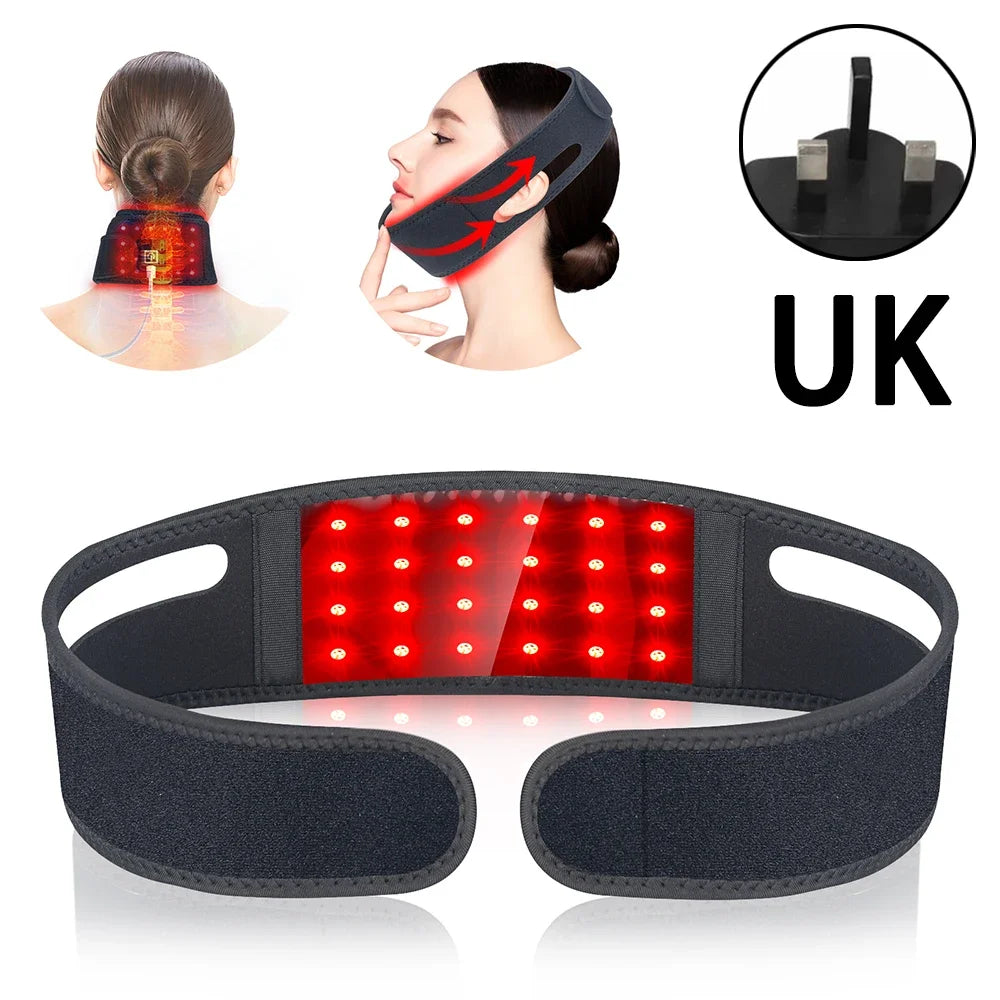
Popular option: The Red Light Neck Wrap is designed specifically for the neck's curved shape, making it easier to incorporate red light therapy into a consistent home routine.
Professional Treatments Ranked by Effectiveness
When neck laxity is more noticeable, professional treatments can offer stronger and more predictable results than skincare or home routines. The best option depends on the amount of loose skin, skin quality, anatomy, health history, budget, and tolerance for downtime.
Microneedling, RF & Laser
Radiofrequency treatments: Professional RF treatments use controlled energy to heat targeted tissue and stimulate remodeling. They are often considered for mild to moderate laxity and may require multiple sessions.
Microneedling: Microneedling creates controlled micro-injuries that trigger a wound-healing response and may improve texture and collagen-related skin quality. It is often more valuable for texture and fine lines than for substantial excess skin.
Laser treatments: Certain laser technologies can address photoaging, texture, and collagen remodeling. The specific device determines the expected results, downtime, and risks.
Injectables and Surgery
Injectable treatments may address selected concerns such as volume loss, muscle activity, or skin quality, depending on the product and treatment plan. They do not all directly tighten loose skin.
For substantial excess skin, neck lift or related surgical procedures generally provide the most significant tightening because surgery can directly address excess tissue. Surgery also involves greater cost, recovery, and potential risks, so it requires consultation with a qualified medical professional.
Treatment Comparison
| Approach | Typical role | Downtime | Best suited for |
|---|---|---|---|
| Skincare and sunscreen | Prevention, hydration, texture support | None | All stages, especially early aging |
| At-home devices | Gradual support for skin quality and firmness | Usually none or minimal | Mild changes and maintenance |
| Professional RF or laser | Collagen remodeling and tightening | Varies by technology | Mild to moderate laxity and photoaging |
| Microneedling | Texture and collagen-related improvement | Usually short, depending on treatment | Texture concerns and mild aging changes |
| Surgery | Directly addresses significant excess skin | Most substantial | Pronounced laxity and excess tissue |
How Long Does It Take to See Firmer Neck Skin?
The timeline for neck toning and firmer-looking skin depends on the treatment, starting condition, age, genetics, sun exposure, and consistency. There is no universal deadline for visible improvement.
Natural Methods
- Days to weeks: Hydration can make dry or crepey-looking skin appear smoother.
- Several weeks to months: Consistent skincare may gradually improve texture and the appearance of fine lines.
- Long term: Sunscreen and maintenance routines help protect against additional photoaging.
Exercises may improve muscle conditioning over time, but the effect on loose skin itself is limited and varies between individuals.
Professional Treatments
Some professional treatments produce an initial visible change, while collagen-remodeling procedures may take weeks or months for their full effect. Multiple sessions and maintenance treatments may be recommended depending on the procedure.
Results are not always permanent. Aging, sun exposure, genetics, and changes in body weight continue to affect skin over time, so long-term maintenance remains important.
How to Choose the Right Neck Firming Solution
The best way to decide how to firm neck skin is to match the treatment to the severity of the concern, your age-related skin changes, your budget, and how quickly you want results.
By Age
Age alone should not determine treatment. Younger people may have early texture or sun-related changes that respond well to prevention and skincare, while older skin may have more significant collagen loss or laxity requiring a broader treatment plan.
By Severity
- Mild dryness, fine lines, or early crepiness: Prioritize sunscreen, moisturizer, and appropriate evidence-based skincare.
- Mild to moderate laxity: Consider combining skincare with a suitable at-home device or professional treatment after appropriate evaluation.
- Significant loose skin or excess tissue: Consult a qualified dermatologist or plastic surgeon to discuss procedures that can address the underlying structural changes more directly.
By Budget
- Lower budget: Focus on daily sunscreen, moisturizer, and a carefully selected topical routine.
- Moderate budget: Add a suitable home device or professional non-surgical treatment.
- Higher budget: Discuss advanced procedures with a qualified professional when significant laxity is the primary concern.
Consider professional evaluation if sagging develops suddenly, is associated with unusual swelling or other symptoms, or if you are unsure whether a product or device is appropriate for your skin. For significant laxity, a dermatologist or qualified medical professional can provide a more accurate assessment than an online routine.
A consistent maintenance plan is essential for keeping neck skin looking as firm and healthy as possible.
FAQ: How to Firm Neck Skin
Can loose neck skin really be tightened without surgery?
Mild to moderate laxity may improve in appearance with sunscreen, evidence-based skincare, selected at-home devices, and professional non-surgical treatments. However, significant excess skin is unlikely to be fully removed without a procedure that directly addresses the excess tissue.
Do neck exercises tighten loose skin or just strengthen muscles?
Neck exercises primarily strengthen and condition underlying muscles. They may support a more toned appearance, but they do not directly rebuild lost collagen or remove significant excess skin.
What is the fastest way to firm neck skin?
The fastest option depends on the severity of laxity. Professional treatments can produce more noticeable changes more quickly than skincare alone, while surgery generally offers the most significant correction for substantial excess skin. A qualified professional can help determine which option is appropriate.
Which skincare ingredients have the strongest evidence for neck firmness?
Retinoids have some of the strongest evidence for improving signs of photoaging and supporting collagen-related skin changes. Sunscreen is essential for preventing additional UV damage, while vitamin C, peptides, and moisturizers can complement a broader skin-aging routine.
Does red light therapy help sagging neck skin?
Red light therapy may support skin quality and collagen-related processes, with results depending on the device, treatment parameters, and consistency. It is generally better suited to gradual improvement and maintenance than to correcting significant excess skin.
How long does it take to improve crepey neck skin?
Hydration may improve the appearance of dryness relatively quickly, while changes from consistent skincare or collagen-supporting treatments generally take longer. Many routines require several weeks to months of regular use, and results vary by the cause and severity of crepey skin.
At what point is surgery the most effective option?
Surgery is generally the most direct option when substantial excess skin and significant laxity are the primary concerns. A consultation with a qualified plastic surgeon can help determine whether surgery is appropriate and explain the expected benefits, recovery, and risks.
Can weight loss make neck skin look looser?
Yes. Significant weight loss can make previously stretched skin appear looser in some people. The degree varies based on factors such as age, genetics, skin elasticity, and the amount and speed of weight change.
Related Guide: Daily Neck Care Routine Tips: Step-by-Step Guide for Healthier Skin













