

Does sagging skin on neck really have a solution?
Sagging skin on neck can improve with the right combination of daily care, targeted devices, and professional treatments when appropriate. The best treatment for loose neck skin depends on the severity of laxity, your desired results, budget, and tolerance for downtime. Non-invasive options like neck firming devices and light-based treatments may support collagen activity, improve skin texture, and reduce visible aging signs without surgery, while more advanced sagging may require professional procedures.
Best Saggy Neck Treatment: Compare What Actually Works (From Creams to Neck Lift Options)
⏱ 7 min read
Noticing loose skin when you catch your reflection from the side? Sagging skin on neck is one of the most common signs of aging and can affect skin texture, firmness, and jawline definition. The good news is that you have more options than simply accepting changes or choosing surgery. Modern neck aging treatment approaches range from consistent skincare and lifestyle habits to advanced technologies designed to support collagen, improve firmness, and create a smoother-looking neck.
Which option actually delivers visible change without wasting time or money? Understanding why neck skin loses firmness is the first step toward choosing the right approach.
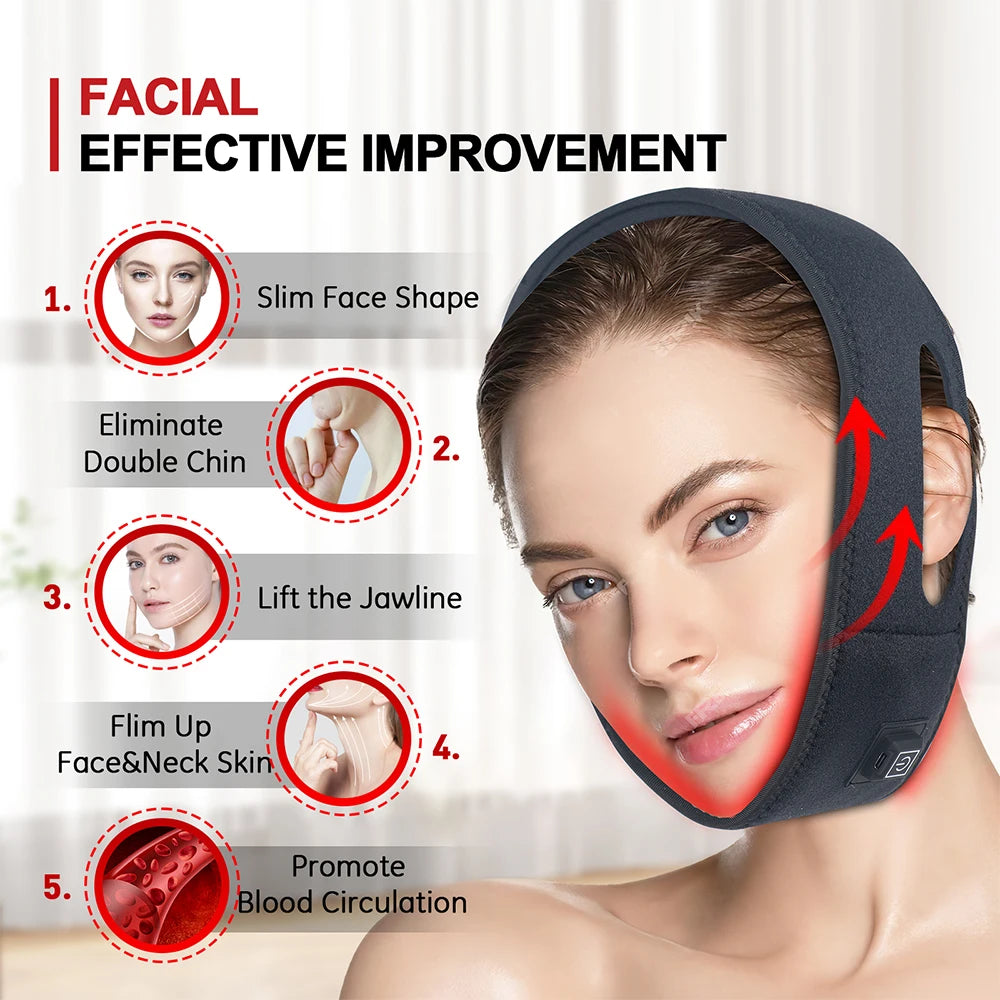
Early care makes a visible difference for sagging neck skin See it in action
What Causes Sagging Neck Skin?
Sagging neck skin develops through a combination of natural aging processes, structural changes beneath the skin, and external factors. Understanding the causes of neck laxity helps you choose a more suitable loose neck skin treatment based on the actual concern rather than using a one-size-fits-all solution.
The neck can lose firmness when collagen levels decline, elastin fibers become less flexible, skin becomes thinner, or changes occur in the underlying fat and muscle structure. Lifestyle factors such as sun exposure, weight fluctuations, and inconsistent skincare can accelerate these visible changes.
Collagen and Elastin Loss
Collagen provides the framework that keeps skin firm, while elastin allows skin to stretch and return to shape. As the body produces less of these proteins over time, the neck may become thinner, less resilient, and more prone to wrinkles and sagging.
This natural decline explains why many neck aging treatment options focus on supporting collagen production or protecting existing skin structure. Treatments that stimulate collagen may help improve firmness gradually, but the amount of improvement depends on the level of existing skin laxity.
Sun Damage and Photoaging
UV exposure is one of the biggest contributors to premature skin aging. The neck is often exposed to sunlight but frequently receives less sunscreen and skincare attention than the face.
Repeated sun exposure can accelerate collagen breakdown, contribute to uneven texture, and make sagging skin more noticeable. Daily sun protection is one of the most important steps for preventing additional damage.
Fat Distribution and Muscle Changes
Changes beneath the skin can also affect how the neck looks. Shifts in fat distribution may create fullness or looseness, while changes in the platysma muscle can contribute to visible bands or the appearance of “turkey neck.”
These concerns are important because different treatments address different problems. Skin tightening methods may improve laxity, but they may not fully correct concerns caused primarily by excess fat or muscle changes.
Genetics, Lifestyle, and Weight Changes
Genetics influence how quickly skin loses firmness and how visible aging changes become. Some people naturally develop loose neck skin earlier because of differences in skin thickness, collagen structure, and aging patterns.
Lifestyle factors can also affect severity. Significant weight changes, smoking, poor nutrition, chronic sun exposure, and limited skincare habits may contribute to faster loss of elasticity and more noticeable neck sagging over time.
Why the Neck Ages Faster Than the Face
The neck is often one of the first areas to show visible aging and may appear less firm faster than the face. This happens because the skin in this area has unique structural challenges and is exposed to daily stress.
- Thinner skin: Neck skin generally has less structural support and fewer protective features compared with some facial areas.
- Constant movement: Daily head movement, facial expressions, and posture changes repeatedly stretch the skin.
- Less skincare attention: Many routines stop at the jawline, leaving the neck without the same level of protection and hydration.
- Sun exposure: The neck is regularly exposed to UV rays, which can accelerate collagen breakdown when protection is inconsistent.
Because of these factors, effective neck sagging treatment often requires a targeted approach that combines prevention, skin support, and treatments matched to the severity of aging changes.
How Treatment Effectiveness Changes Based on Neck Skin Severity
The best sagging neck treatment is not determined by popularity alone. Different options address different causes of neck aging, including mild skin texture changes, collagen loss, moderate laxity, wrinkles, excess tissue, and advanced “turkey neck.” Choosing a treatment based on severity helps avoid options that cannot address the main concern.
Mild Loose or Crepey Neck Skin
Early signs of aging often include fine lines, dryness, thinner-looking skin, and a slight loss of firmness. At this stage, the goal is usually to support skin quality and slow visible aging changes.
- Daily sunscreen and consistent skincare help protect collagen
- Retinoids, peptides, and hydrating ingredients may improve texture
- At-home devices can support a regular neck care routine
- Results are gradual and require ongoing maintenance
Moderate Sagging and Early Neck Laxity
When sagging becomes more noticeable, skincare alone may not create significant tightening. Moderate laxity often responds better to treatments designed to stimulate deeper collagen remodeling.
- Professional RF treatments can encourage collagen production
- Ultrasound-based treatments target deeper skin layers
- Combination approaches may improve both firmness and texture
- Results typically develop over weeks to months
Severe Sagging and Turkey Neck
Advanced neck aging may involve significant loose skin, visible folds, jowling, or platysma muscle changes. In these cases, treatments that only improve skin quality may not provide the level of correction someone wants.
A surgical neck lift remains the option that can physically remove excess skin and tighten underlying structures, making it the most comprehensive approach for severe laxity.
At-Home Neck Firming Solutions: What Actually Helps
At-home treatments are most useful for mild loose neck skin, prevention, and maintaining healthier-looking skin over time. While these options can improve hydration, texture, and overall appearance, they cannot replicate the tightening effect of professional procedures or surgery.
Retinoids, Peptides, and Firming Skincare
Neck creams and serums containing ingredients such as retinoids, peptides, and hyaluronic acid can support smoother-looking skin by improving hydration and encouraging healthier skin turnover.
However, skincare works mainly at the surface and cannot remove significant excess skin. The most realistic goal is improving skin quality and helping reduce the appearance of fine lines.
LED and Red Light Therapy Devices
LED and red light therapy devices are designed to support skin processes associated with collagen production. With consistent use, they may help improve the appearance of firmness and texture.
A dedicated neck device can provide more targeted coverage than general facial tools. The Red Light Neck Wrap is designed to support neck skin tightening by delivering light therapy directly to the neck area.
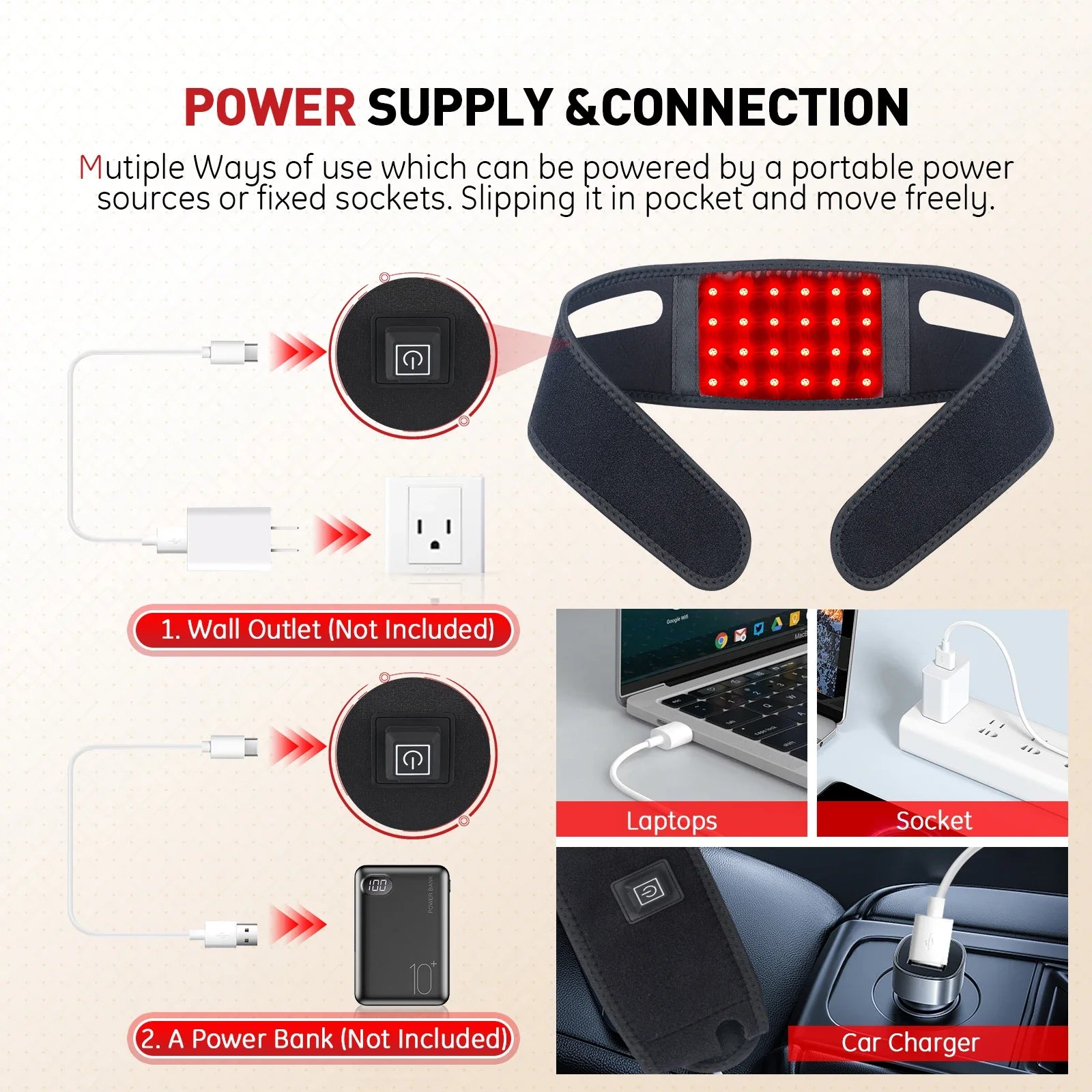
Consistent device use supports neck aging treatment See it in action
RF and Microcurrent Home Devices: Realistic Expectations
At-home RF and microcurrent devices may provide temporary improvements in firmness and appearance when used consistently. These tools are generally better suited for maintenance and mild concerns rather than correcting advanced sagging.
Results vary depending on the device, frequency of use, and the amount of existing skin laxity.
Neck Exercises, Massage, and Posture
Improving posture and reducing prolonged downward screen use may help support a healthier neck appearance. Massage can temporarily improve circulation and relaxation, but it does not physically tighten loose skin.
Neck exercises may support muscle awareness and posture, but they cannot reverse collagen loss or remove excess skin.
- Apply SPF daily to protect against further collagen breakdown
- Extend skincare routines below the jawline
- Limit prolonged phone-down posture when possible
- Stay consistent with suitable neck firming devices
Explore complementary tools inside the Skin and Beauty Care Devices collection to enhance your routine.
Non-Surgical Neck Lift Options for Moderate Sagging
For moderate loose neck skin, professional treatments can provide stronger results than at-home routines by targeting deeper layers involved in skin firmness. These non surgical neck lift options focus on collagen stimulation, skin remodeling, or improving specific signs of aging rather than physically removing excess skin.
The right choice depends on whether your primary concern is skin laxity, wrinkles, volume loss, muscle bands, or a combination of several aging changes.
Radiofrequency Skin Tightening
Radiofrequency (RF) treatments use controlled heat energy to reach deeper layers of the skin and encourage collagen remodeling. As collagen production increases over time, the neck may appear firmer and smoother.
RF is commonly considered for mild to moderate laxity because it focuses on improving skin tightness rather than removing significant excess tissue.
- Supports gradual collagen production
- Usually requires multiple treatments for optimal results
- Minimal downtime compared with surgery
- Best suited for early to moderate skin laxity
Ultrasound Skin Tightening
Ultrasound-based treatments target deeper structural layers beneath the skin to stimulate natural repair processes. These treatments may help improve firmness over time as new collagen develops.
Ultrasound tightening can be useful for people looking for a non-surgical approach to moderate neck sagging, but results are gradual and vary based on skin condition.
- Targets deeper tissue layers than many topical treatments
- Results typically develop over several months
- May help improve mild to moderate laxity
- Does not remove large amounts of loose skin
RF Microneedling
RF microneedling combines controlled skin stimulation with radiofrequency energy. This combination is designed to improve collagen production while addressing texture concerns such as fine lines and uneven skin quality.
This option may be considered when neck aging involves both mild laxity and surface texture changes.
- Addresses firmness and skin texture together
- Requires professional treatment sessions
- Recovery time varies depending on treatment intensity
Laser Resurfacing
Laser resurfacing focuses on improving damaged surface layers while supporting collagen renewal. It is often used for concerns such as wrinkles, rough texture, and uneven tone rather than major skin lifting.
Laser treatments may complement other neck firming treatments when aging signs involve both laxity and skin quality changes.
Injectables for Neck Lines and Jowls
Injectable treatments can improve specific concerns related to neck aging. Some options help relax visible muscle bands, while others restore volume or smooth wrinkles.
However, injectables are generally better suited for lines, wrinkles, and contour concerns than significant loose skin.
- May provide faster visible improvement for certain concerns
- Best matched to wrinkles, bands, or volume loss
- Does not replace skin-tightening procedures for advanced laxity
Treatment Costs, Results, Downtime, and Longevity Compared
Comparing treatments side by side helps you choose the best neck treatment based on effectiveness, recovery time, maintenance needs, and the type of neck aging concern you want to address.
Cost and Value Comparison
| Treatment | Typical Cost Level | Downtime | Best For |
|---|---|---|---|
| Skincare products | Low | None | Mild texture changes and prevention |
| At-home devices | Low to moderate | None | Maintenance and early firmness concerns |
| RF or ultrasound treatments | Moderate to high | Minimal | Moderate skin laxity |
| RF microneedling or laser resurfacing | Moderate to high | Varies | Laxity combined with texture concerns |
| Injectables | Moderate | Low | Wrinkles, bands, or volume-related concerns |
| Neck lift surgery | High | Significant recovery | Severe sagging and excess skin |
How Quickly Results Appear
Results depend on the treatment type and how the skin responds.
- Skincare: Usually requires weeks to months of consistent use
- Home devices: Gradual improvements with regular maintenance
- Energy-based treatments: Often develop over weeks or months as collagen remodeling occurs
- Injectables: May provide quicker improvements for targeted concerns
- Surgery: Creates the most significant structural correction after recovery
How Long Results Typically Last
Non-surgical neck treatments often require maintenance because natural aging continues. Lifestyle habits, sun protection, and skincare consistency can help support longer-lasting improvements.
Surgical results generally last longer because excess skin and underlying structures are physically addressed, although surgery does not stop future aging changes.
How to Choose the Best Treatment for Loose Neck Skin
The best way to determine how to fix sagging neck skin is to match the treatment with the severity of laxity and the result you want to achieve.
Decision Tree by Skin Laxity
- Mild loose or crepey skin: Focus on prevention, skincare, and supportive at-home devices.
- Moderate sagging: Consider professional collagen-stimulating treatments such as RF or ultrasound.
- Severe turkey neck: Surgical evaluation may be appropriate when excess skin is the main concern.
Choose Based on Results, Downtime, and Budget
A more intensive treatment is not always the right choice. Consider whether you prefer gradual improvement, minimal downtime, fewer maintenance sessions, or the strongest possible correction.
When to Consider Professional Evaluation
A qualified dermatologist or plastic surgeon can help determine whether visible neck changes are caused primarily by loose skin, fat distribution, muscle bands, or wrinkles. This evaluation helps prevent choosing a treatment that cannot address the main concern.
Side-by-Side Comparison: Which Option Works Best?
Choosing the right neck treatment depends on what you want to improve: early skin aging, mild laxity, wrinkles, deeper sagging, or excess skin. A solution that improves texture may not create the same tightening effect as a procedure designed to address structural changes.
| Treatment Option | Best For | Expected Results | Downtime |
|---|---|---|---|
| Skincare (retinoids, peptides, SPF) | Early aging signs and prevention | Improves hydration, texture, and the appearance of fine lines | None |
| At-home devices (LED, red light, microcurrent) | Mild loose skin and maintenance | Supports collagen activity and firmer-looking skin with consistent use | None |
| RF and ultrasound treatments | Moderate laxity and skin tightening | Stimulates collagen remodeling for gradual firmness improvements | Minimal in most cases |
| Injectables | Neck lines, wrinkles, and volume-related concerns | Can improve specific aging concerns but does not remove significant loose skin | Usually limited |
| Neck lift surgery | Severe sagging and excess skin | Most significant correction for advanced laxity and turkey neck | Requires recovery time |
Best Option by Severity and Goal
The best sagging neck treatment is different for every person because neck aging can involve skin thinning, collagen loss, wrinkles, fat changes, or muscle banding.
- For prevention and early changes: Daily sunscreen, targeted skincare, and supportive home devices can help maintain skin quality.
- For mild to moderate looseness: Energy-based treatments such as RF, ultrasound, or consistent at-home routines may provide gradual tightening support.
- For wrinkles or neck bands: Injectable treatments may help specific concerns but are not designed to remove excess skin.
- For advanced loose skin: A surgical neck lift may provide the most noticeable correction when skin laxity is significant.
How to Choose the Right Neck Treatment for Your Skin Concern
Instead of choosing a treatment based only on popularity, consider the type and severity of aging changes you want to address. The best treatment for loose neck skin should match your goals, available downtime, budget, and expected level of improvement.
For early aging neck signs, a consistent routine combining skincare, sun protection, and supportive technology may help improve the appearance of firmness. For more visible sagging skin on neck, professional evaluation can help determine whether energy-based treatments or surgical options are more appropriate.
Many users combine a neck wrap device with skincare from the Beauty & Self-Care Blog for a well-rounded approach.
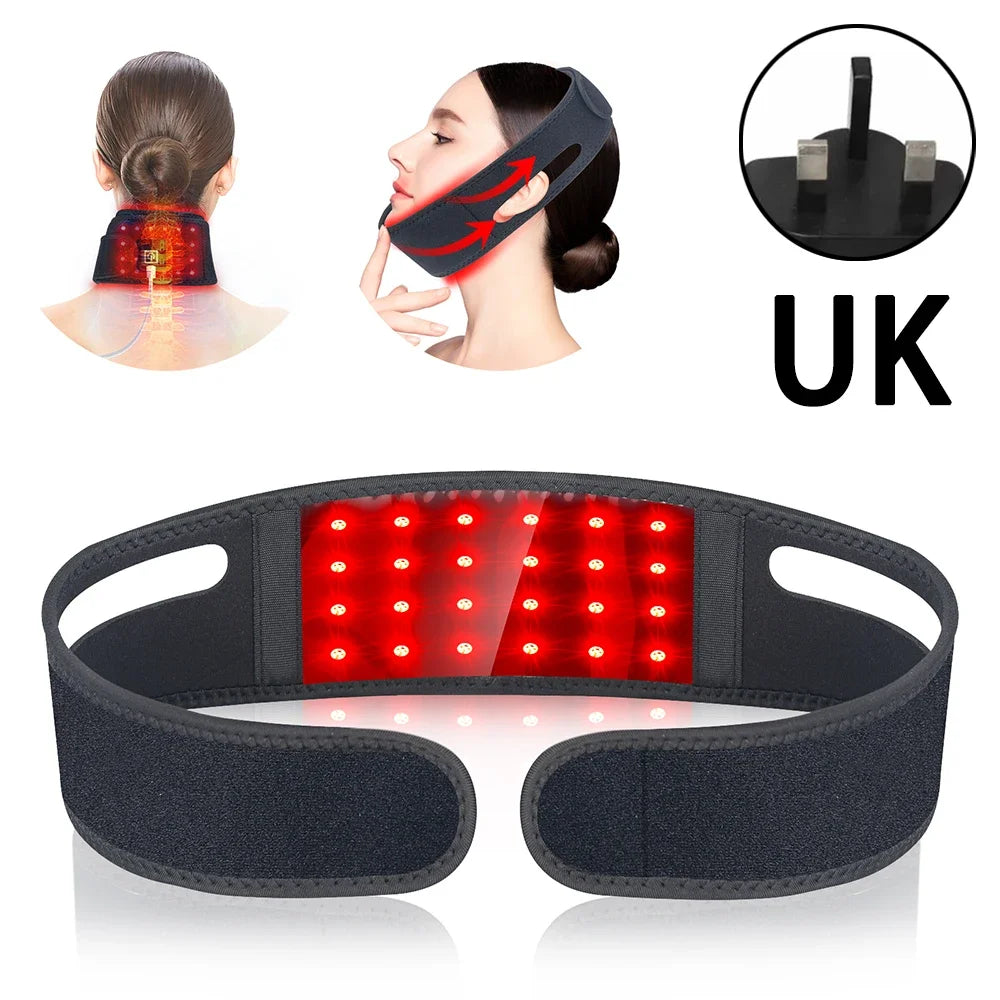
Target sagging skin on neck at home See it in action
Safety, Risks, and Who Should Avoid Certain Treatments
While many neck firming solutions are considered safe when used correctly, every treatment has limitations, possible side effects, and situations where professional guidance is recommended.
Common Side Effects and Recovery Considerations
Non-invasive neck treatments may cause temporary effects such as redness, sensitivity, swelling, or mild discomfort depending on the technology used. Skincare ingredients like retinoids may also cause irritation when introduced too quickly.
Professional procedures have different recovery requirements. RF, ultrasound, laser treatments, and injectables may require short recovery periods, while surgical neck lifts involve a longer healing process and more detailed aftercare.
Who May Not Be a Good Candidate
Certain individuals should seek medical advice before choosing a neck treatment for sagging skin. Factors that may affect suitability include:
- Pregnancy, breastfeeding, or certain medical conditions that require treatment adjustments
- Highly sensitive skin or a history of reactions to active skincare ingredients
- Unrealistic expectations about what non-surgical treatments can achieve
- Health conditions that may increase procedure-related risks
Why Provider Selection Matters
Medical-grade neck treatments should be performed by qualified professionals who can evaluate skin quality, muscle activity, fat distribution, and the degree of laxity before recommending an approach.
A proper consultation helps ensure realistic expectations, explains possible risks, and determines whether non surgical neck lift options or surgical treatment are appropriate for your specific concerns.
Treatment Costs, Results, Downtime, and Longevity Compared
The best neck treatment is not always the most expensive or the most advanced option. The right choice depends on the severity of sagging, the type of aging concern being treated, your recovery preferences, and how long you want results to last.
Cost and Value Comparison
Treatment costs can vary widely based on location, provider experience, technology used, and the number of sessions required. Instead of focusing only on price, consider the overall value: expected improvement, maintenance needs, downtime, and long-term results.
- Skincare: Usually the lowest-cost option and best suited for prevention, hydration, and improving surface texture.
- At-home devices: Require an upfront investment but may provide ongoing support when used consistently as part of a neck aging treatment routine.
- Professional non-surgical treatments: Generally cost more because they use stronger energy-based technologies and require trained providers.
- Injectables: Often involve repeat treatments because results are temporary and focused on specific concerns like wrinkles or volume loss.
- Neck lift surgery: Typically the highest-cost option but may provide the most significant correction for advanced loose skin.
How Quickly Results Appear
Results depend on whether a treatment creates gradual skin remodeling or produces a more immediate structural change.
- Skincare and home devices: Improvements usually appear gradually over weeks to months with consistent use.
- RF and ultrasound treatments: Results often develop over time as collagen production and remodeling increase.
- Injectables: Some visible improvements may appear quickly, especially for wrinkles and volume-related concerns.
- Surgery: Provides the most noticeable correction for severe sagging, although final results become clearer as healing progresses.
How Long Results Typically Last
The longevity of a neck skin tightening treatment depends on the procedure, individual aging process, skincare habits, and whether maintenance treatments are needed.
- Daily skincare and sun protection help maintain skin quality but do not permanently stop aging changes.
- At-home devices may require regular use to maintain visible improvements.
- Professional collagen-stimulating treatments often require maintenance sessions to support results over time.
- Surgical neck lift results can last longer than non-surgical options because excess skin and underlying structures are directly addressed, although natural aging continues.
Frequently Asked Questions About Loose Neck Skin Treatments
What is the best treatment for loose neck skin?
The best treatment for loose neck skin depends on the amount of laxity and the cause of aging changes. Mild looseness may respond to consistent skincare and supportive devices, while moderate or severe sagging may require professional treatments such as RF, ultrasound, or surgery.
How can I tighten sagging neck skin without surgery?
To tighten sagging neck skin without surgery, focus on realistic options such as daily sunscreen, targeted skincare, healthy lifestyle habits, and non-invasive technologies like LED, red light therapy, RF, or microcurrent devices. These approaches may improve firmness and texture but cannot fully remove significant excess skin.
What is the best non-surgical neck lift option?
RF and ultrasound-based treatments are commonly used non surgical neck lift options because they target deeper skin layers and support collagen remodeling. The best choice depends on skin thickness, degree of laxity, and the specific concern being treated.
What works fastest for turkey neck?
For severe turkey neck caused by significant excess skin, a surgical neck lift generally provides the most dramatic correction. For wrinkles or muscle-related concerns, injectables may create faster visible improvements but do not replace surgical tightening.
Can loose neck skin be tightened naturally?
Natural approaches such as sun protection, balanced nutrition, skincare, and posture improvements can support healthier-looking skin. However, they usually cannot reverse advanced loose skin or major neck laxity.
What is the best treatment for sagging neck and jowls?
The best treatment for sagging neck and jowls depends on whether the main issue is skin laxity, fat changes, muscle activity, or volume loss. Some people benefit from combining treatments that address different causes of facial and neck aging.
How long do neck tightening treatment results last?
Results vary by treatment type. Skincare and home devices require ongoing use, while professional procedures may last longer but often involve maintenance treatments. Surgical results are generally more durable but do not prevent future aging.
Does insurance cover treatment for loose neck skin?
Most treatments for loose neck skin are considered cosmetic and are typically not covered by insurance. Coverage may depend on whether a procedure is medically necessary, so it is best to confirm directly with your insurance provider.
Discover more options in the Skin and Beauty Care Devices collection and explore supportive wellness tools from the Body Care and Health Devices collection.
Related Guide: Neck Pain and Tension: Top Treatments Compared for Quick Relief













