

Does stress relief head massage really work?
Yes, a stress relief head massage can help reduce stress by activating the body’s relaxation response, easing muscle tension, improving circulation, and calming the nervous system. While it is not a replacement for professional treatment, regular gentle scalp massage can support relaxation and overall well-being.
Head Massage for Stress Relief: Gentle Scalp Techniques That Actually Work
A head massage for stress relief is a simple way to calm your mind, release built-up tension, and create a relaxing daily reset. Whether stress comes from work pressure, mental fatigue, tension headaches, or an easily irritated scalp, the right scalp massage techniques can help your body shift into a calmer state.
This guide explains how stress relief head massage works, the science behind scalp massage relaxation, and how to perform gentle techniques at home—even if you have a sensitive scalp.
⏱ 6 min read
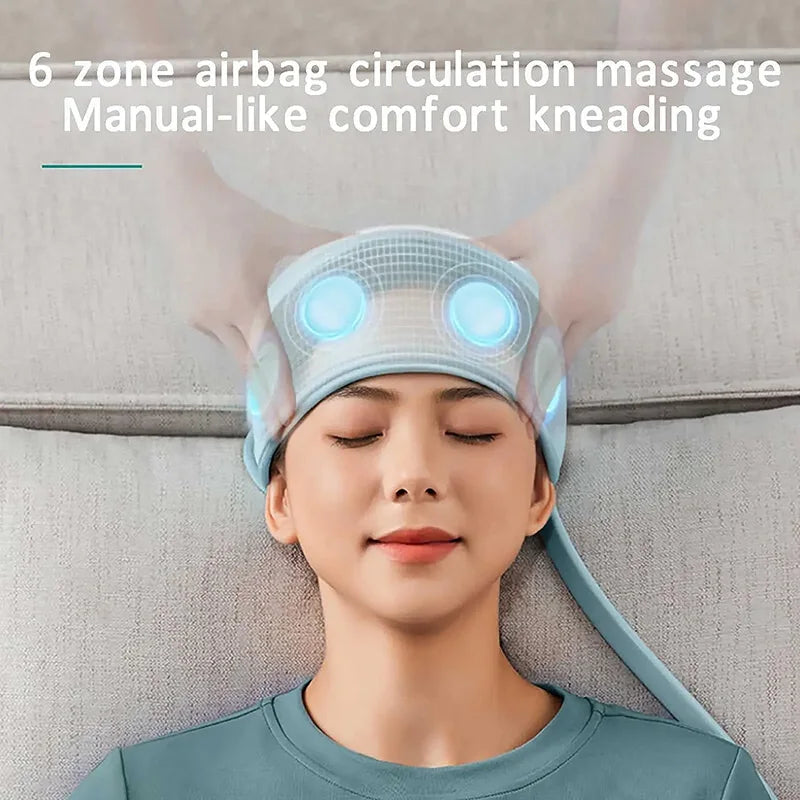
A calming moment of scalp massage relaxation at home See it in action
What science says about stress reduction
Research on massage and touch-based relaxation suggests that gentle massage may help lower perceived stress, reduce muscle tension, and encourage relaxation responses in the body. These effects are linked to changes in nervous system activity, circulation, and mood regulation.
How does head massage relieve stress?
A relaxing head massage works through several pathways. Gentle pressure stimulates sensory nerves in the scalp, encourages muscle relaxation around the head and neck, and helps activate the parasympathetic nervous system—the part of the body responsible for rest and recovery.
Who benefits the most
Stress relief head massage may be especially helpful for people experiencing mental fatigue, occasional tension headaches, tight neck muscles, work-related stress, or scalp sensitivity. Gentle techniques make it suitable for many people who want a calming self-care routine.
Why head massage helps reduce stress (the science explained)
Nervous system and cortisol response
Head massage activates the parasympathetic nervous system, often called the body's “rest and recovery” mode. This helps counter everyday stress responses by encouraging slower breathing, reduced muscle tension, and a calmer physical state.
Because stress often keeps the body in a heightened state of alertness, a relaxing head massage can provide a signal that it is time to unwind.
Blood circulation and muscle relaxation
Gentle scalp massage improves blood flow around the scalp and surrounding tissues. Slow circular movements can help loosen tight areas around the temples, forehead, jaw, and neck where many people hold stress-related tension.
Stress hormones and relaxation response
Regular relaxation practices, including scalp massage relaxation, may support healthier stress management by helping the body transition from tension into a more balanced state. The goal is not to eliminate stress completely but to create moments of recovery throughout the day.
Stress relief head massage techniques for every sensitivity level
Gentle scalp massage for sensitive scalp
If you have a sensitive scalp, start with minimal pressure and slow movements. Use the pads of your fingertips instead of your nails, and avoid aggressive rubbing that may increase irritation.
Circular fingertip massage
Place your fingertips on the scalp and make small, gentle circles. Move gradually across different areas rather than staying too long in one spot. This technique supports relaxation without overstimulation.
- Use soft fingertip circles across the crown
- Move from the front hairline toward the back of the scalp
- Keep pressure light and comfortable
- Pause if any area feels irritated
Temple and forehead release
The temples and forehead often become tense during stressful periods. Apply gentle circular motions around these areas to encourage relaxation and reduce feelings of tightness.
Neck and base-of-skull relaxation
The base of the skull connects with muscles that support the head and neck. Gentle pressure and slow movements in this area may help release tension accumulated from posture, screen use, or stress.
Step-by-step head massage routine for stress relief at home
5-minute stress reset
- Take several slow breaths before beginning.
- Massage both temples using small circular motions for about 60 seconds.
- Move to the crown and gently massage the scalp.
- Apply light pressure around the base of the skull.
- Finish with slow strokes from the forehead toward the back of the head.
10–15 minute relaxation routine
- Begin with deep breathing for 1–2 minutes.
- Divide the scalp into sections and massage each area gently.
- Hold light pressure on tense areas for 5–10 seconds.
- Relax the temples, jaw, and neck muscles.
- End with slow calming strokes to signal relaxation.
Building a daily relaxation habit
A short daily routine is often easier to maintain than occasional long sessions. Pairing head massage with other calming habits, such as bedtime relaxation or breathing exercises, can help create a consistent stress management routine.
Key pressure points for stress and anxiety relief
Temples and forehead points
The temples are common areas where people notice stress-related tightness. Gentle circular massage around the temples and forehead may help ease tension and encourage a calmer feeling.
Base of skull and neck release
The muscles around the base of the skull and upper neck can become tight from stress and prolonged sitting. Gentle pressure in this area supports muscle release and relaxation.
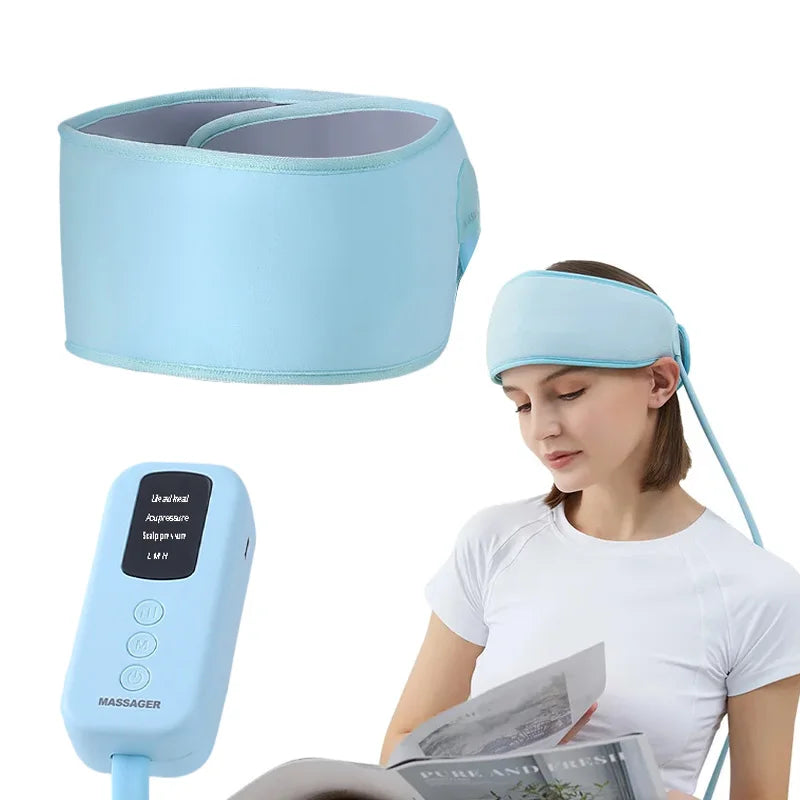
Gentle motion and heat combine for a relaxing scalp treatment See it in action
Benefits of scalp massage for anxiety, stress, and sleep
Mental clarity and mood
A relaxing head massage can create a quiet moment away from daily stressors. Many people find that calming routines help improve focus, reduce mental overload, and support a more balanced mood.
Sleep quality
Using scalp massage before bedtime can help the body transition into a more relaxed state. A consistent nighttime routine may make it easier to unwind before sleep.
Headache and muscle tension relief
Stress-related tension often affects the scalp, temples, forehead, and neck. Gentle massage may help loosen tight muscles and provide temporary comfort from everyday tension.
| Before | After Consistent Use |
|---|---|
| Restless evenings | Easier wind-down before bed |
| Tension headaches | Reduced stress-related discomfort |
| Overstimulated scalp | Calmer, more comfortable sensation |
Many pair this routine with other calming rituals found in Lifestyle collections to create a full evening reset.
Manual massage vs scalp massagers, oils, and heat
When hands work best
Manual scalp massage gives you the most control over pressure and is often the best option for sensitive scalps. Your fingertips can quickly adjust based on comfort level.
Choosing scalp massage tools
Soft silicone scalp massagers or lightweight electric tools can make longer sessions easier by providing consistent movement. Choose tools designed for gentle use and avoid anything that pulls, scratches, or causes discomfort.
For many, pairing scalp massage relaxation with devices designed for comfort—like the electric head massager found at electric head massager —adds ease without effort.
When to use oils or gentle heat
Light oils may enhance a relaxing scalp treatment by reducing friction and creating a soothing experience. However, avoid products that irritate your skin or trigger sensitivity.
Gentle warmth may help relax muscles faster. If using heat, always choose a low setting and stop if your scalp feels uncomfortable.
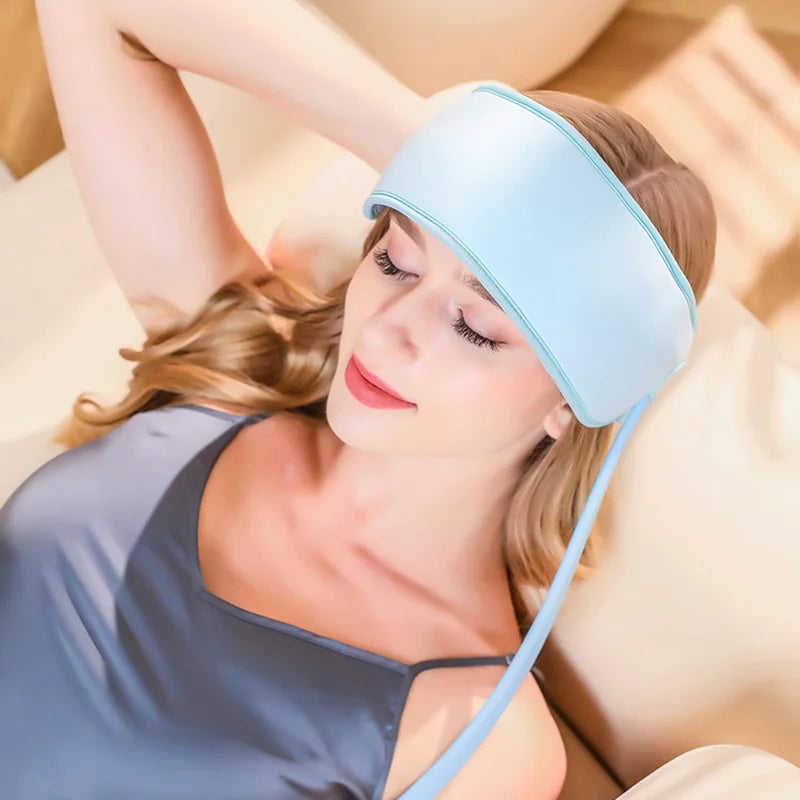
A nightly ritual for scalp massage relaxation See it in action
How often should you do stress relief head massage?
Recommended frequency
A stress relief head massage can be performed daily for 5–10 minutes or several times per week for longer sessions. Consistency matters more than intensity.
When results become noticeable
Many people feel relaxed immediately after a gentle massage session. Longer-term benefits depend on consistency, stress levels, lifestyle habits, and individual response.
Safety tips and common mistakes
When to avoid scalp massage
Avoid massage on areas with active skin irritation, open wounds, infection, or unexplained scalp pain. If you have ongoing symptoms, consult a healthcare professional before continuing.
Mistakes that increase irritation
- Using excessive pressure
- Scratching the scalp with fingernails
- Moving too quickly
- Using harsh tools
- Ignoring pain or discomfort
Keeping movements slow and gentle helps create a safer, more relaxing experience.
When to seek professional care instead of self-massage
Persistent headaches
If headaches are frequent, severe, or continue despite relaxation techniques, professional evaluation may be needed to identify the underlying cause.
Scalp conditions
Ongoing itching, inflammation, unusual sensitivity, or changes in scalp condition should be discussed with a qualified healthcare provider rather than treated only with massage.
Chronic stress or anxiety
Head massage can support relaxation, but persistent stress or anxiety that affects daily life may require additional support from a mental health professional or healthcare provider.
FAQ: Head massage for stress relief
Does head massage reduce stress long term?
Yes, regular head massage may support long-term stress management by encouraging relaxation habits and helping the body recover from everyday tension.
Can scalp massage help with anxiety?
Scalp massage may help promote calmness and relaxation, which can support people experiencing everyday anxiety symptoms. It should not replace professional care when anxiety is severe or persistent.
How long should a head massage last?
Sessions can last from 5 to 20 minutes depending on your goals. Even short sessions can provide a relaxing break during a stressful day.
Is it safe for sensitive scalps?
Yes, scalp massage can be safe for sensitive scalps when performed with light pressure, gentle movements, and appropriate tools.
How does head massage relieve stress?
Head massage relieves stress by supporting relaxation responses, easing muscle tension, and helping the nervous system shift away from a heightened stress state.
Is scalp massage good for stress every day?
Daily gentle scalp massage is generally suitable for many people, provided it does not cause irritation or discomfort.
Should I use oils during a relaxing scalp treatment?
Oils are optional. If your scalp tolerates them well, they may make massage feel smoother, but avoid any product that causes irritation.
Are manual massages or scalp massagers more effective?
Both can be effective. Manual massage provides better pressure control, while scalp massagers can make consistent sessions easier.
For those seeking calm, confidence, and daily ease, scalp massage relaxation can become more than a routine—it can become a personal moment of recovery.













