

Shoe Bag vs Washing Shoes: Which Method Is Better?
Choosing between a shoe washing bag and washing shoes loose in the machine comes down to protection, shoe material, and how much control you want during the wash. For compatible canvas, mesh, and some synthetic sneakers, a dedicated shoe washing bag is generally the better machine-washing option because it helps reduce rubbing, impact, and uncontrolled movement. However, a bag cannot make unsuitable footwear machine-safe, so delicate materials and shoes with manufacturer restrictions should be cleaned another way.
Shoe Bag vs Washing Shoes Without a Bag: Which Is Better?
Quick answer
A shoe washing bag is usually the better choice for machine-washable sneakers because it helps contain the shoes, reduce direct contact with the washer drum, and limit excessive movement. Washing shoes without a bag can work for some durable footwear, but it exposes the shoes to more rubbing and impact. Neither method guarantees that shoes will not be damaged.
Best method by shoe type and washing situation
- Canvas or mesh sneakers: Use a shoe washing bag when the care instructions permit machine washing.
- Durable synthetic sneakers: A shoe washing bag can provide additional movement and contact control.
- Machine-washable shoes with no bag available: Washing loose may be acceptable when the manufacturer permits it, but expect more movement and noise.
- Temporary alternative: A pillowcase or mesh laundry bag can provide some containment, but neither is necessarily designed specifically for shoes.
- Suede, delicate leather, or water-sensitive footwear: Hand cleaning is generally more appropriate than machine washing.
Shoe Washing Methods Compared at a Glance
Shoe washing bag vs no bag vs alternatives
| Method | Protection | Movement Control | Water & Detergent Flow | Convenience | Best For |
|---|---|---|---|---|---|
| Shoe washing bag | Higher | Good | Good with breathable construction | High | Machine-washable canvas, mesh, and suitable synthetic sneakers |
| No bag | Lower | Low | Direct | High | Durable shoes approved for machine washing |
| Mesh laundry bag | Moderate | Moderate | Good | High | General-purpose containment when properly sized |
| Pillowcase | Moderate | Moderate to low | Variable | High | Occasional backup method for compatible shoes |
| Hand washing | Highest control | Full control | Manual | Lower | Delicate or machine-restricted footwear |
Which method should you choose?
Start with the shoe manufacturer's care instructions rather than the washing accessory. If the shoes are approved for machine washing, a dedicated shoe washing bag offers a practical balance between cleaning and protection. If the shoes are durable and the manufacturer permits loose washing, a bag is optional, but direct drum contact creates more opportunity for rubbing and impact.
If a dedicated bag is unavailable, a properly sized mesh laundry bag or pillowcase can provide some containment. For suede, delicate leather, fragile decorations, deteriorated adhesives, or shoes specifically labeled for hand cleaning, skip the washer and use a material-appropriate cleaning method.
What a Shoe Washing Bag Actually Does
A shoe washing bag is not a shield that makes every sneaker safe to wash. Its primary role is to create a protective layer between the footwear and the washing machine environment while still allowing water and detergent to pass through. This distinction matters because the bag can reduce certain mechanical stresses, but it cannot correct an unsuitable wash cycle, high heat, weak construction, or incompatible shoe material.
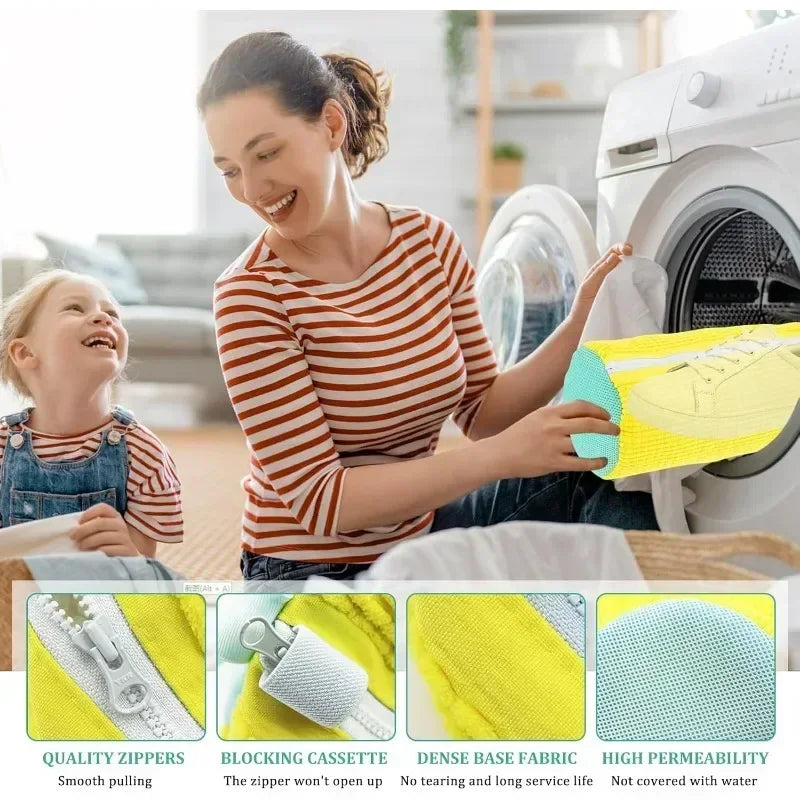
Reduces shoe-to-drum rubbing and impact
Shoes washed loose can repeatedly contact the washer drum as they tumble. A dedicated washing bag helps create a layer around the footwear, reducing direct shoe-to-drum contact and helping limit some rubbing and impact. This can be particularly useful when the goal is to protect the exterior finish and reduce unnecessary mechanical wear.
Helps control shoe movement
Containment can also reduce uncontrolled movement. Instead of allowing each shoe to tumble independently around the drum, the bag keeps the footwear together in a defined space. This does not eliminate movement, but it can make the washing process more controlled.
Allows water and detergent to reach the shoes
A useful shoe washing bag needs to permit water and detergent circulation. The purpose is not to seal the footwear away from the wash. Breathable fabric allows the cleaning solution to reach the shoes while the bag provides containment and protection.
What a washing bag cannot prevent
A bag cannot prevent damage caused by unsuitable materials, excessive heat, aggressive cycles, weak adhesives, deteriorated foam, fragile decorations, or incorrect drying. If a shoe is not designed for machine washing, putting it inside a protective bag does not change that limitation.
Can You Wash Shoes in a Washing Machine Without a Bag?
When washing without a bag is reasonable
Washing shoes without a bag can be reasonable when the footwear is durable, machine-washable, and the manufacturer allows machine cleaning. Some textile sneakers can tolerate a careful cycle without a dedicated accessory. However, the absence of a bag means the shoes have less protection against repeated contact with the drum and other items.
Risks of washing shoes loose in the drum
The main concern is mechanical movement. Loose shoes can repeatedly strike the drum, rub against each other, deform as they tumble, and create substantial noise. Loose laces, removable inserts, and other components can also move independently. A poorly balanced load may contribute to additional washer vibration or an uneven wash cycle.
For shoes that are already weakened, these stresses can be more significant. A separated sole, cracked upper, loose trim, or deteriorated adhesive may worsen during agitation regardless of whether a bag is used.
How to reduce risk if you skip the bag
- Confirm that the footwear is machine-washable.
- Use the gentlest suitable cycle.
- Use cold or cool water when permitted by the care instructions.
- Use an appropriate amount of mild detergent rather than excessive detergent.
- Avoid overloading the drum.
- Remove loose dirt before washing.
- Air dry the shoes instead of exposing them to unnecessary high heat.
What Can You Use Instead of a Shoe Washing Bag?
If you do not have a dedicated shoe washing bag, several alternatives can provide some degree of containment. They should be treated as substitutes rather than exact equivalents because their construction, closure, size, ventilation, and durability may differ.
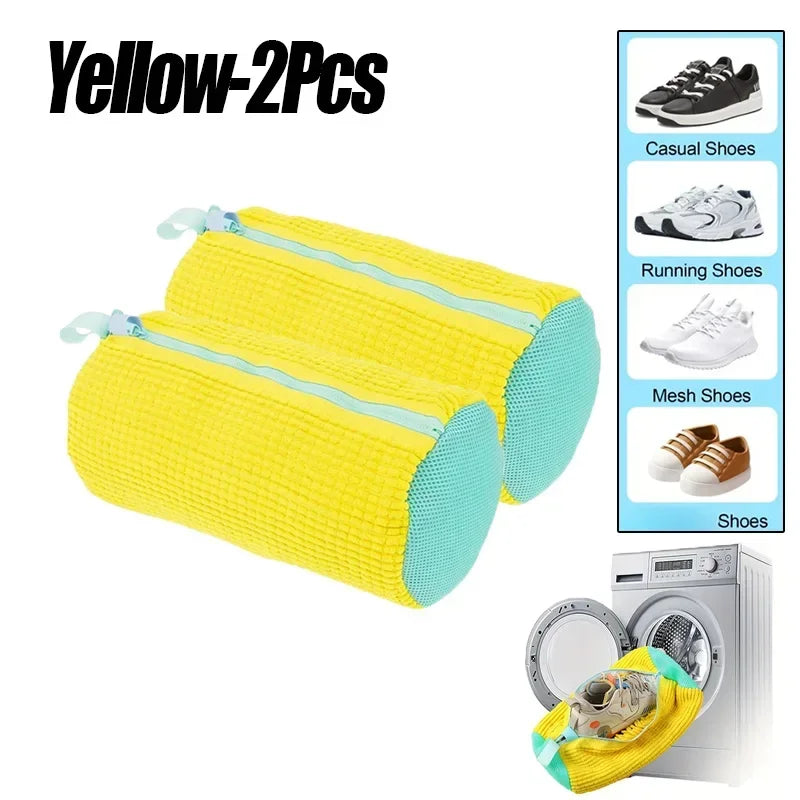
Mesh laundry bag
A mesh laundry bag can work as an alternative when it is large enough to accommodate the shoes without excessive compression. Its open construction can support water and detergent circulation, while the enclosure reduces uncontrolled movement.
Fit matters. A small general-purpose laundry bag may compress the shoes, while a bag with a weak closure may open during the cycle. A dedicated shoe washing bag is designed around the needs of footwear, so it may be more practical for repeated shoe washing.
Pillowcase
A pillowcase is a common improvised solution because it is readily available and can keep shoes from moving completely loose inside the drum. It can work for compatible, durable footwear when a dedicated bag is unavailable.
However, a pillowcase is not specifically engineered for machine-washing shoes. The closure may be less secure, the fit can vary considerably, and airflow and water circulation depend on the fabric. It should therefore be considered a temporary alternative rather than an automatic replacement for a purpose-built shoe washing bag.
Hand washing
Hand washing provides the greatest control over pressure, water exposure, brushing, and movement. This makes it a better choice for footwear that is too delicate for machine agitation or that carries manufacturer instructions against machine washing.
Is a Pillowcase a Good Alternative to a Shoe Washing Bag?
When a pillowcase can work
A pillowcase can be useful when you need a simple containment method for durable, machine-washable sneakers. It can reduce direct movement compared with washing shoes completely loose and may help keep footwear from repeatedly striking the drum.
Pillowcase limitations
The biggest limitation is that pillowcases vary in size, fabric, construction, and closure. A loose pillowcase may allow shoes to move too freely, while a tightly packed one can restrict circulation. There is also no guarantee that the opening will remain secure throughout the wash.
Pillowcase vs dedicated shoe washing bag
A dedicated shoe washing bag is generally preferable for repeated machine washing because it is designed specifically to contain footwear. A purpose-built bag can combine a suitable size, secure zipper closure, breathable material, and protective construction. A pillowcase remains a useful backup when those features are unavailable.
Which Shoe Materials Can Be Machine Washed?
The washing method should follow the shoe's construction and manufacturer instructions. The fact that a shoe looks like a sneaker does not automatically mean it belongs in a washing machine.
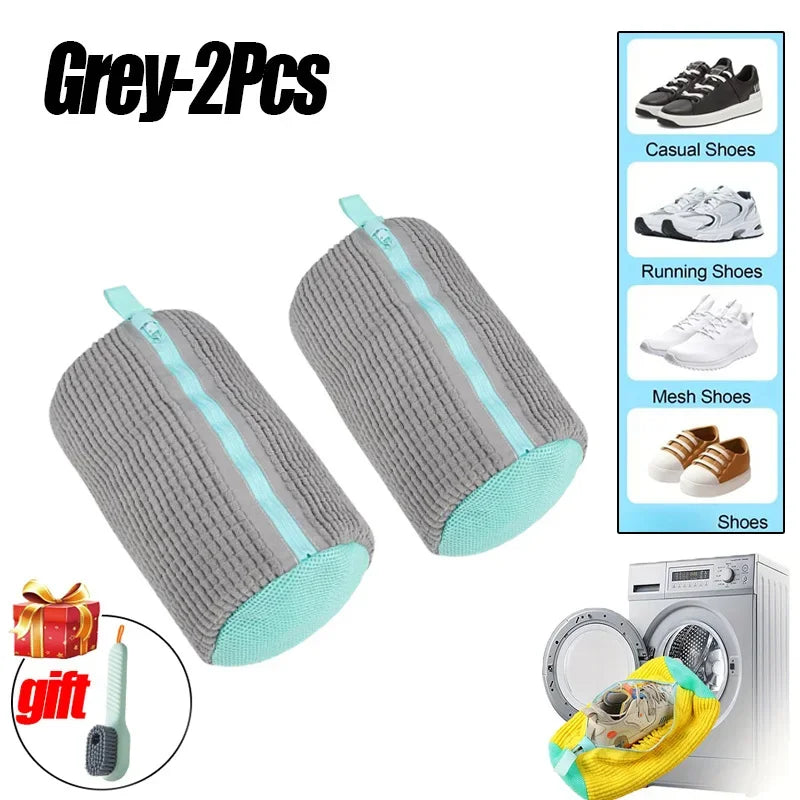
Canvas shoes
Many canvas shoes can tolerate careful machine washing when their care instructions permit it. Canvas is commonly more suitable for controlled water-based cleaning than water-sensitive materials. A gentle cycle, suitable temperature, and air drying can help limit unnecessary stress.
Mesh sneakers
Mesh sneakers may benefit from controlled machine washing because their textile uppers can often be cleaned with water when the manufacturer allows it. A shoe washing bag can help reduce uncontrolled movement while allowing water and detergent to reach the mesh.
Synthetic materials
Synthetic uppers vary widely. Some are suitable for machine washing, while others contain glued components, coatings, printed details, or decorative elements that may not tolerate agitation or heat. Check the manufacturer's care instructions before selecting a wash method.
Leather and suede shoes
Leather and suede should not be treated like ordinary washable textile sneakers. Water exposure and machine agitation can alter texture, appearance, structure, or finish. Unless the manufacturer specifically states that machine washing is appropriate, use a material-specific cleaning method instead.
How to Wash Shoes Safely With a Shoe Washing Bag
Once you have confirmed that your footwear is suitable for machine washing, a shoe washing bag can make the process more controlled.
1. Check the care label and shoe construction
First, check the manufacturer's cleaning instructions. Look for restrictions involving machine washing, water temperature, detergent, or drying. Examine the shoes for separated soles, cracked materials, loose components, and other signs of deterioration.
2. Remove laces, insoles, and loose dirt
Remove removable insoles and laces when the care instructions permit. Shake or brush away loose dirt before placing the shoes in the washer. This reduces the amount of debris entering the wash and makes it easier to clean the shoes thoroughly.
3. Place the shoes securely in the bag
Put the compatible shoes into the washing bag without overfilling it. A secure zipper helps keep the footwear enclosed throughout the cycle. The bag should contain the shoes without forcing them into an excessively tight position.
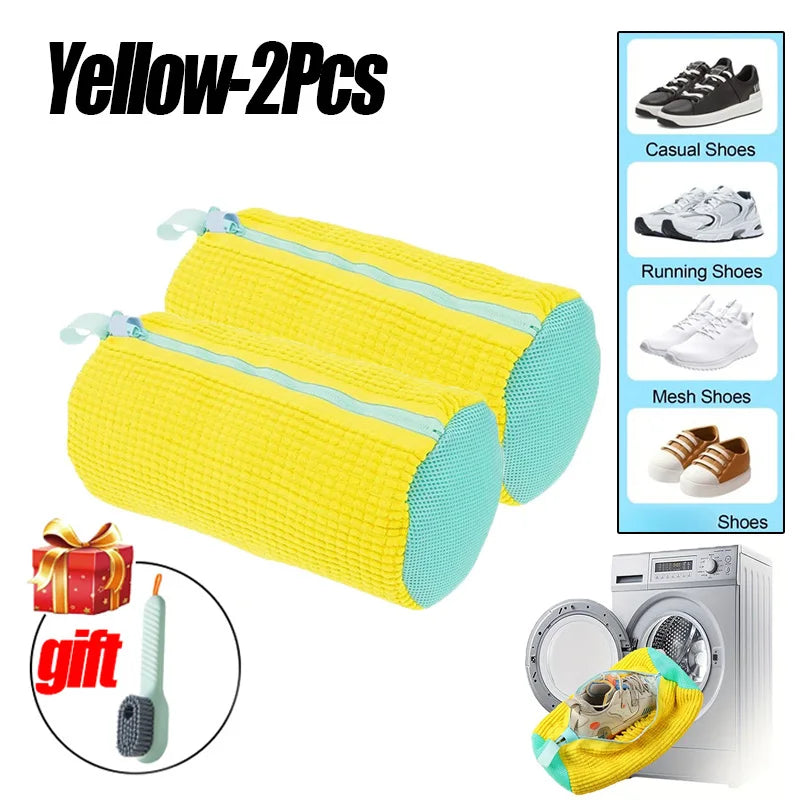
A reusable option such as the Shoe Washing Bag for Gentle Sneaker Machine Wash Tool uses polyester nylon construction, a zipper closure, and a hanging hook. Its purpose is to provide an enclosed layer around compatible footwear while allowing water and detergent to pass through.
4. Use a gentle cycle and suitable shoe detergent
Select a gentle cycle and water temperature that are appropriate for the footwear. Follow the shoe manufacturer's instructions for detergent and avoid assuming that more detergent produces a better clean. Excessive agitation, heat, or detergent can create problems even when the shoes themselves are machine-washable.
5. Balance the washing machine load
A shoe washing bag does not replace proper washer loading. Avoid creating an overloaded or poorly balanced drum. If the washer becomes unusually noisy or unstable, stop the cycle if appropriate and follow the appliance manufacturer's instructions for correcting the load.
6. Air dry instead of using high heat
Air drying is generally the safer default for compatible sneakers unless the manufacturer provides different instructions. High heat can affect adhesives, foam, synthetic materials, finishes, and shoe shape. Allow the shoes to dry thoroughly before wearing them again.
When You Should Not Put Shoes in a Washing Machine
Shoes made from suede, delicate leather, or other water-sensitive materials
These materials can require specialized cleaning methods. Machine agitation and water exposure may cause changes that a protective bag cannot prevent.
Footwear with fragile decorations or weak construction
Sequins, delicate trims, glued decorations, exposed components, or fragile construction can be vulnerable to repeated movement and water exposure. Hand cleaning may provide better control.
Shoes with manufacturer instructions against machine washing
The manufacturer's care instructions should take priority over general washing advice. If the label says not to machine wash the footwear, use the recommended alternative instead.
Signs that a shoe is already too damaged to machine wash
- Separated or lifting soles
- Cracked or deteriorating uppers
- Loose decorative components
- Weak or deteriorated adhesives
- Damaged foam or structural elements
- Parts that are already detached or unstable
A washing bag can reduce some mechanical exposure, but it cannot restore damaged footwear or prevent an existing construction problem from worsening.
Shoe Washing Bag vs Alternatives: Pros and Cons
Shoe washing bag
A dedicated shoe washing bag provides a practical balance of containment, protection, and convenience. It is especially useful for compatible sneakers that are washed regularly. Reusable polyester nylon construction and a secure zipper can make it suitable for repeated use.
No bag
Washing without a bag is simple and costs nothing, but the shoes remain exposed to direct drum contact and uncontrolled movement. It can be reasonable for some durable footwear when machine washing is approved.
Mesh laundry bag
A mesh laundry bag is versatile and can provide good circulation. Its limitations depend on its size, structure, closure, and ability to accommodate footwear. A general laundry bag is not necessarily designed around shoe protection.
Pillowcase
A pillowcase is inexpensive and convenient when a dedicated bag is unavailable. Its main drawbacks are inconsistent fit, closure security, ventilation, and durability. It is best viewed as an improvised backup.
Hand washing
Hand washing offers the highest level of control and is appropriate for many delicate or machine-restricted shoes. The tradeoff is that it requires more time and manual effort.
How to Choose the Best Shoe-Washing Method for Your Setup
Choose a shoe washing bag if...
Choose a dedicated shoe washing bag when your sneakers are machine-washable and you want to reduce direct drum contact, uncontrolled movement, and unnecessary impact. It is particularly practical for canvas, mesh, and suitable synthetic footwear that you clean regularly.
If you want a reusable containment option, the KentDo shoe washing bag is designed for machine-washing compatible sneakers and uses durable polyester nylon with a secure zipper. It should be viewed as a protection and convenience accessory, not a guarantee against damage.
Choose a mesh bag or pillowcase if...
Use a mesh laundry bag or pillowcase when the footwear is machine-washable and a dedicated shoe bag is not available. Make sure the alternative is appropriately sized and remains securely closed. These options can reduce uncontrolled movement, but they may not provide the same fit or protective construction as a dedicated shoe washing bag.
Choose hand washing if...
Choose hand washing for suede, delicate leather, water-sensitive materials, fragile decorations, deteriorated shoes, or footwear that the manufacturer says should not be machine washed. Manual cleaning allows you to control water exposure, pressure, brushing, and movement much more precisely.
Conclusion
So, is it better to use a shoe bag or wash shoes without one? For machine-washable canvas, mesh, and suitable synthetic sneakers, a breathable shoe washing bag is generally the more controlled option. It can help reduce rubbing, impact, and uncontrolled movement while still allowing water and detergent to reach the footwear.
Washing shoes without a bag can work for some durable shoes, while a mesh laundry bag or pillowcase can serve as an occasional alternative. Hand washing remains the better choice for delicate materials and footwear that is not approved for machine cleaning.
The key is to treat a washing bag as a risk-reduction tool rather than a guarantee of zero damage. Check the shoe's care instructions first, choose an appropriate cycle, avoid excessive heat, and air dry when permitted. If your sneakers are machine-washable and you want a dedicated way to contain them during the wash, a reusable shoe washing bag can be a practical addition to your laundry routine.
Pillar Article: Best Shoe Washing Bags: Top Picks for Safer Machine Washing













