

Shoe Laundry Bag for Machine: Safer Sneaker Washing
Machine-washing sneakers can be convenient, but loose shoes can tumble against the washer drum, rub against other laundry, create clattering noise, and experience unnecessary abrasion. A shoe laundry bag for machine washing adds a protective layer around suitable footwear while still allowing water and detergent to move through the bag.
The important distinction is that a shoe washing bag does not make every shoe safe for machine washing. Your footwear's care instructions, construction, wash temperature, cycle, detergent, and drying method still matter. For machine-washable sneakers, however, a reusable shoe laundry bag can make the process more contained and organized.
When choosing one, focus on five practical factors: protective construction, secure zipper closure, appropriate dimensions, water and detergent circulation, and reusable durability.
What Is a Shoe Laundry Bag for Machine Washing?
A shoe laundry bag is a reusable protective enclosure designed to hold footwear during a washing-machine cycle. Unlike washing loose shoes directly in the drum, the bag creates a layer between the shoes and surrounding surfaces, helping reduce direct rubbing and uncontrolled movement.
How a Shoe Washing Bag Works
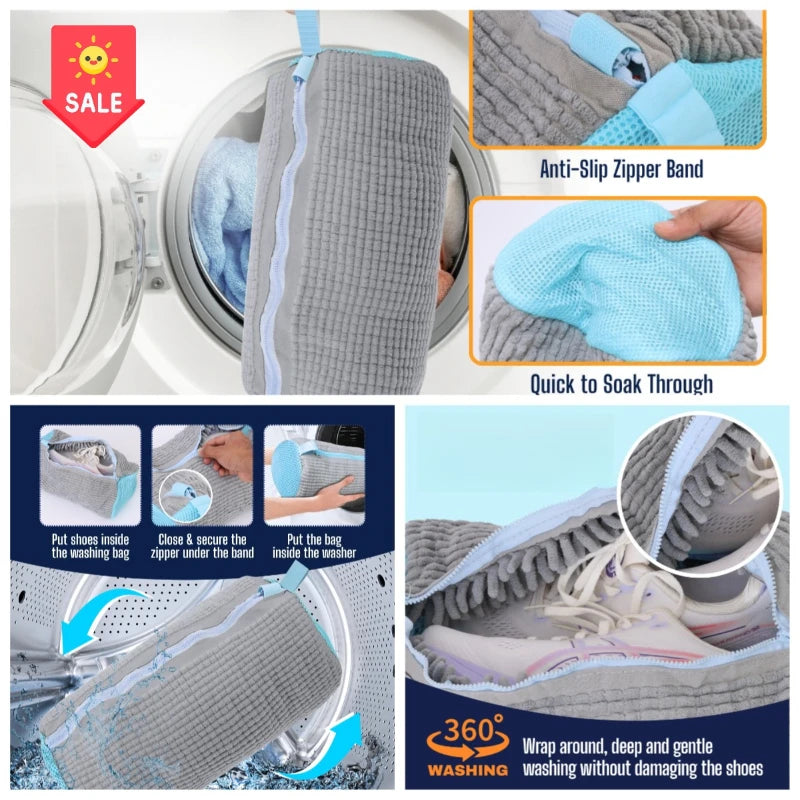
The basic principle is simple: place appropriate sneakers inside the bag, close the zipper securely, and put the enclosed shoes into the washer. The bag holds the footwear together while its fabric allows washing water and detergent to reach the shoes.
This containment can help reduce direct contact between the footwear and washer drum and may also limit how freely individual shoes strike other items. It is particularly useful when you want to wash sneakers without leaving them loose inside the machine.
What the Bag Can and Cannot Protect Against
A shoe bag can help reduce rubbing, impact, uncontrolled movement, and contact with other laundry. It may also make the wash process less disruptive by keeping the shoes contained. However, it cannot guarantee that sneakers will emerge undamaged.
Footwear can still be affected by excessive heat, aggressive cycles, prolonged soaking, unsuitable detergent, weak adhesives, delicate materials, or incorrect drying. The bag is a protective accessory, not a substitute for proper shoe-care instructions.
Key Features to Look for in a Shoe Washing Bag
Protective Mesh or Fabric Construction
The material needs to balance protection with adequate water circulation. A useful shoe laundry bag should allow water and detergent to pass through while creating a barrier around the footwear.
The KentDO shoe washing bag uses durable polyester nylon. The material is designed for repeated use and provides a lightweight enclosure around sneakers rather than adding unnecessary bulk to the laundry load.
Secure Zipper Closure
A zipper is more than a convenience feature. If the closure opens during a wash cycle, the shoes can come out of the bag and return to uncontrolled movement inside the drum.
Before every wash, check that the shoes are fully inside the bag and that the zipper is completely closed. Avoid forcing an overfilled bag shut because excessive pressure can place unnecessary strain on the closure.
Size and Interior Capacity
The bag should be large enough to accommodate your footwear without compressing it excessively. KentDO's shoe washing bag measures 39 × 19 cm, making its dimensions an important consideration when deciding whether your particular shoes will fit comfortably.
Reusability and Easy-Care Construction
A reusable shoe washing bag can become a regular laundry accessory instead of a single-use solution. Polyester nylon is lightweight and practical for repeated washing, while the attached hook makes it easier to hang the bag for drying after use.
Noise and Shoe Movement Control
Loose shoes can produce considerable clatter when they repeatedly contact the washer drum. Containing the shoes in a dedicated bag can reduce direct contact and organize their movement, although it cannot guarantee silent operation.
Shoe Laundry Bag Features Compared at a Glance
| Feature | Why It Matters | What to Check |
| Protective fabric | Creates a barrier around footwear | Durable material that still permits water flow |
| Zipper closure | Helps keep shoes contained | Fully closes without forcing the bag |
| Appropriate capacity | Prevents excessive compression | Compare internal dimensions with your shoes |
| Water and detergent flow | Supports normal cleaning action | Fabric should allow wash water through |
| Reusable construction | Supports repeated cleaning | Durable, washable material |
| Drying hook | Makes post-wash drying easier | Useful for hanging the bag between washes |
Pros and Cons
Pros:
- Helps reduce direct rubbing and impact during machine washing.
- Keeps sneakers contained instead of allowing them to tumble freely.
- Allows water and detergent to pass through the enclosure.
- Reusable polyester nylon supports repeated use.
- Secure zipper helps keep footwear inside the bag.
- Lightweight construction is convenient for home use and storage.
Cons:
- It does not make leather, suede, or other unsuitable footwear machine-washable.
- It cannot guarantee damage-free washing.
- Bag dimensions may not accommodate very large footwear or bulky shoes.
- It may reduce shoe clatter without eliminating washer noise completely.
What Size Shoe Laundry Bag Do You Need?
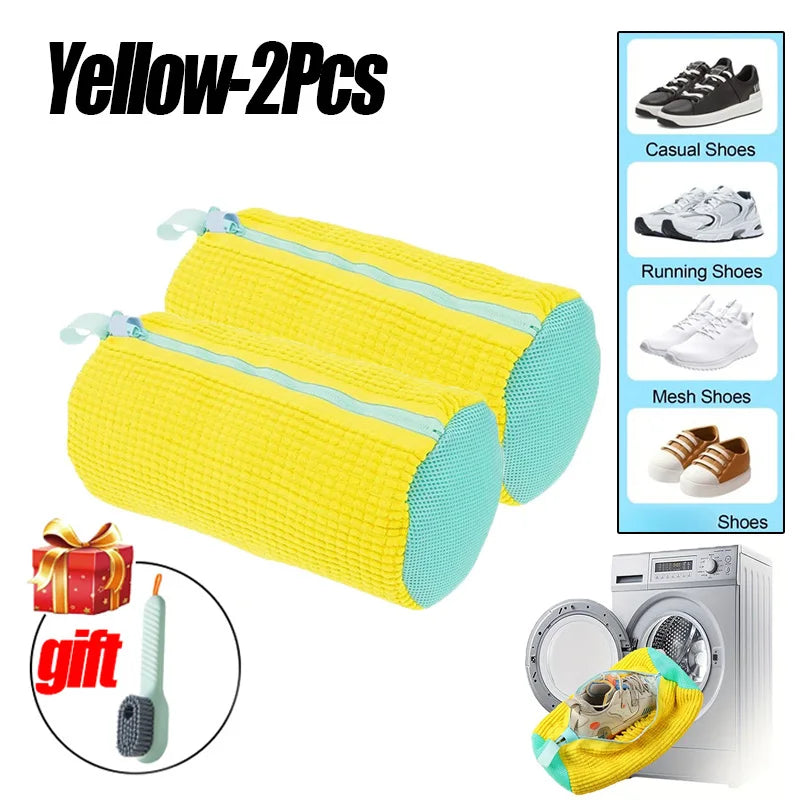
The right size depends on the footwear's dimensions rather than shoe size alone. A larger numerical shoe size generally requires more internal length, but shoe shape and construction also affect fit.
Sizing by Shoe Size
Measure your footwear if you are uncertain. Compare the shoe's overall length and width with the bag dimensions, allowing enough space to place the shoes inside without aggressively compressing them.
For the 39 × 19 cm KentDO shoe washing bag, check your sneakers against those dimensions before washing. Shoes that are unusually large, high-top, heavily structured, or bulky may require a larger bag.
One Pair vs. Multiple Shoes
Do not assume that adding more footwear is better. Overfilling reduces available space for water circulation and can put unnecessary stress on the zipper and fabric.
For a typical washing routine, prioritize comfortable containment over maximum capacity. If a pair barely fits, forcing it into the bag is a sign that a larger washing bag may be more appropriate.
How Much Room Should Sneakers Have?
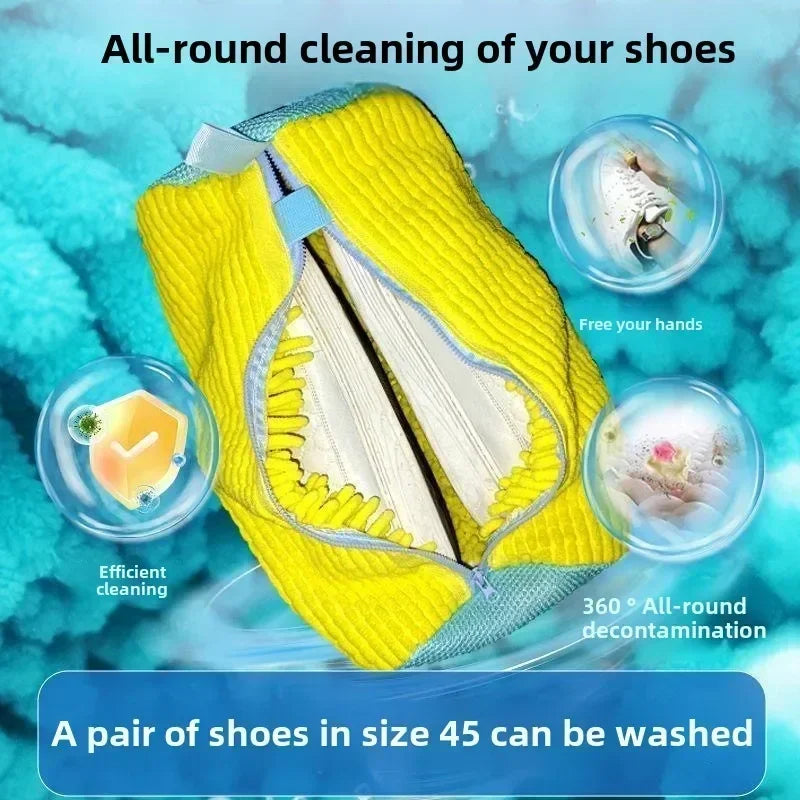
Sneakers should fit securely without being tightly compressed. The goal is containment, not creating a rigid package around the shoes. Adequate space allows the wash water and detergent to reach exposed surfaces while reducing uncontrolled movement.
Which Shoes Can You Wash in a Machine With a Shoe Bag?
Common Machine-Washable Footwear
Many fabric, canvas, and certain synthetic sneakers can be machine-washed when their manufacturer permits it. Some everyday running shoes may also be suitable, depending on their materials, adhesives, cushioning systems, and care instructions.
Always start with the footwear manufacturer's recommendations. A shoe washing bag is useful only when the underlying footwear is appropriate for machine cleaning.
Shoes That May Not Be Suitable
Leather and suede footwear commonly requires specialized cleaning rather than a conventional washing-machine cycle. Shoes with delicate decorative components, fragile adhesives, sensitive finishes, or manufacturer warnings against machine washing should also be treated cautiously.
When in doubt, hand cleaning is often a safer option than assuming a protective bag eliminates the risks of machine washing.
Always Check the Shoe Care Label
The manufacturer's care instructions take priority. Check whether machine washing is permitted, which temperature is recommended, whether specific detergents should be avoided, and how the footwear should be dried.
How to Wash Sneakers in a Washing Machine With a Shoe Laundry Bag
1. Check the Shoes and Remove Loose Dirt
Brush away loose mud, gravel, stones, grass, and other debris before placing the sneakers into the washing bag. Removing heavy surface dirt first can reduce the amount of debris entering the washer.
2. Remove Laces and Insoles When Appropriate
If the manufacturer's care instructions allow it, remove laces and insoles before washing. Separate components can be cleaned more easily and may dry faster. Do not remove or manipulate components that are permanently integrated into the shoe.
3. Place the Shoes in the Bag and Secure the Zipper
Put the sneakers inside the shoe laundry bag without overloading it. Make sure no part of the footwear is caught in the zipper. Close the zipper completely before placing the bag in the washing machine.
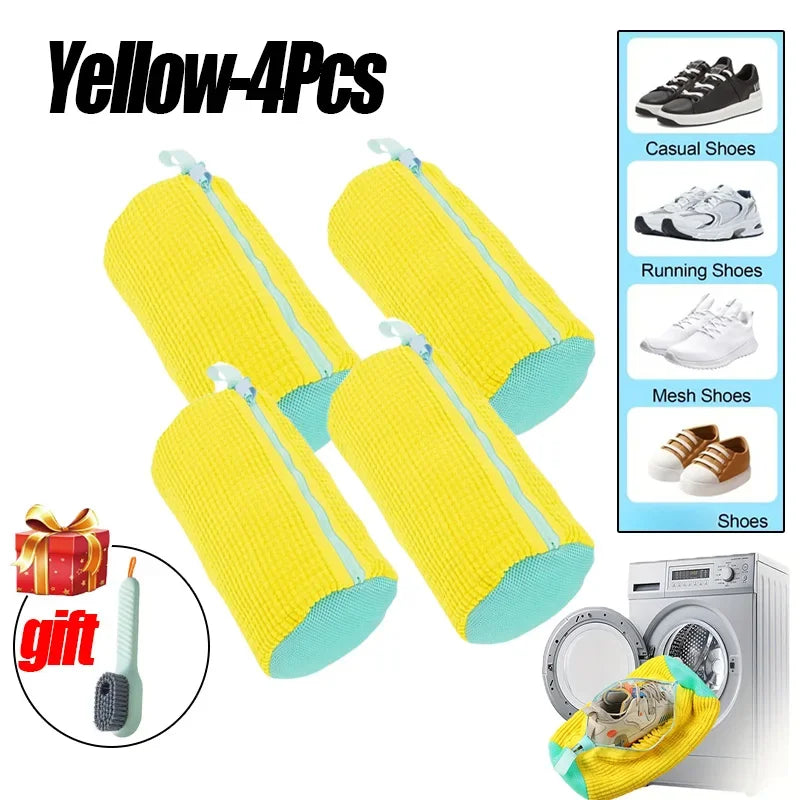
A reusable option such as the KentDO shoe washing bag is designed specifically for this containment step. Its polyester nylon construction, zipper closure, and 39 × 19 cm size are intended to make routine machine washing more convenient for suitable footwear.
4. Add Suitable Laundry Detergent
Use an appropriate detergent and follow the detergent manufacturer's recommended amount. More detergent does not necessarily mean cleaner shoes and can leave residue that is difficult to rinse away.
5. Choose an Appropriate Wash Cycle
Follow the shoe manufacturer's washing instructions and your washing machine's guidance. When machine washing is approved, a gentler cycle is generally preferable to an unnecessarily aggressive setting.
Temperature also matters. Avoid hot water unless the footwear manufacturer specifically permits it, because heat can affect certain materials, adhesives, finishes, and synthetic components.
6. Remove and Dry the Shoes Correctly
Remove the shoes from the bag when the cycle finishes and follow the footwear manufacturer's drying instructions. Air drying is often preferable to exposing footwear to high heat, but the correct method depends on the shoe's construction.
Hang the empty shoe washing bag from its hook and allow it to dry completely before storage or its next use.
Does a Shoe Washing Bag Prevent Sneaker Damage?
What Protection a Bag Can Provide
A shoe washing bag can reduce direct contact between sneakers and the washer drum, help contain shoe movement, and create a buffer between footwear and other laundry. These functions address several common concerns associated with washing shoes loose in a machine.
For people who regularly clean suitable sneakers at home, this can make the washing process more controlled and convenient.
What a Bag Cannot Guarantee
No shoe washing bag can guarantee that sneakers will retain their original shape, color, adhesives, cushioning, or surface finish. The final result depends on the footwear, washing machine, detergent, water temperature, cycle, and drying method.
The most accurate way to think about a shoe bag is as one part of a safer machine-washing routine—not as insurance against every possible form of shoe damage.
Real-Use Scenarios: When a Shoe Laundry Bag Makes Sense
Washing Everyday Sneakers
If you regularly wear fabric or synthetic sneakers that the manufacturer allows you to machine-wash, a reusable shoe laundry bag can simplify the routine. Instead of placing loose shoes directly into the drum, you can contain them before starting the cycle.
Cleaning Running Shoes After Outdoor Use
Running shoes can accumulate dirt after outdoor activities. When the footwear is machine-washable, a shoe bag provides a practical way to keep the pair together during cleaning while reducing uncontrolled contact with the washer.
Reducing Washer Clatter From Loose Shoes
If the main problem is the loud knocking created by loose sneakers, containing the footwear may help reduce direct drum impacts. Results vary by washer, shoe construction, load size, and cycle, so complete noise elimination should not be expected.
How to Clean and Maintain a Reusable Shoe Laundry Bag
Empty and Rinse Away Debris
After washing muddy or heavily soiled shoes, inspect the inside of the bag and remove trapped dirt, grass, and debris. Rinse the bag when necessary so residue does not accumulate between uses.
Inspect the Mesh and Zipper
Check the polyester nylon fabric for tears and inspect the zipper before each repeated use. A damaged bag should not be relied on for securely containing footwear.
Air-Dry Before Storage
Allow the bag to dry fully before storing it. The built-in hook on the KentDO design provides a convenient way to hang it after washing.
Shoe Laundry Bag Buying Checklist
Check Construction, Capacity, Zipper, and Compatibility
- Confirm the bag dimensions are suitable for your footwear.
- Choose durable material designed for repeated use.
- Look for a secure zipper that can remain closed throughout the cycle.
- Make sure the construction allows water and detergent to circulate.
- Consider whether a hook or similar drying feature is useful to your routine.
- Verify that your shoes are actually approved for machine washing.
Match the Bag to Your Washing Routine
If you wash suitable sneakers regularly, a reusable shoe laundry bag is generally more practical than improvising with unsuitable household items. A dedicated bag is designed around footwear containment, zipper security, and repeated laundry use.
The KentDO Shoe Washing Bag uses polyester nylon, measures 39 × 19 cm, includes a secure zipper and drying hook, and is available in a one- or two-bag package option. Those specifications make it a straightforward choice for shoppers looking for a reusable washing machine shoe bag rather than a disposable solution.
Final Takeaway
A shoe laundry bag for machine washing can make sneaker cleaning more controlled by helping reduce direct rubbing, containing shoe movement, and separating footwear from the rest of the laundry. The best results still depend on choosing machine-washable shoes, using an appropriate cycle and detergent, and drying the footwear correctly.
If you are choosing a shoe washing bag for sneakers, prioritize durable construction, secure zipper closure, suitable dimensions, water and detergent flow, and reusability. For a lightweight option with polyester nylon construction, a 39 × 19 cm size, zipper closure, and drying hook, the KentDO Shoe Washing Bag is designed around those everyday requirements.
For shoppers ready to add a dedicated protective layer to their sneaker-washing routine, the product page provides the available package options and specifications.
Pillar Article: Best Shoe Washing Bags: Top Picks for Safer Machine Washing













