
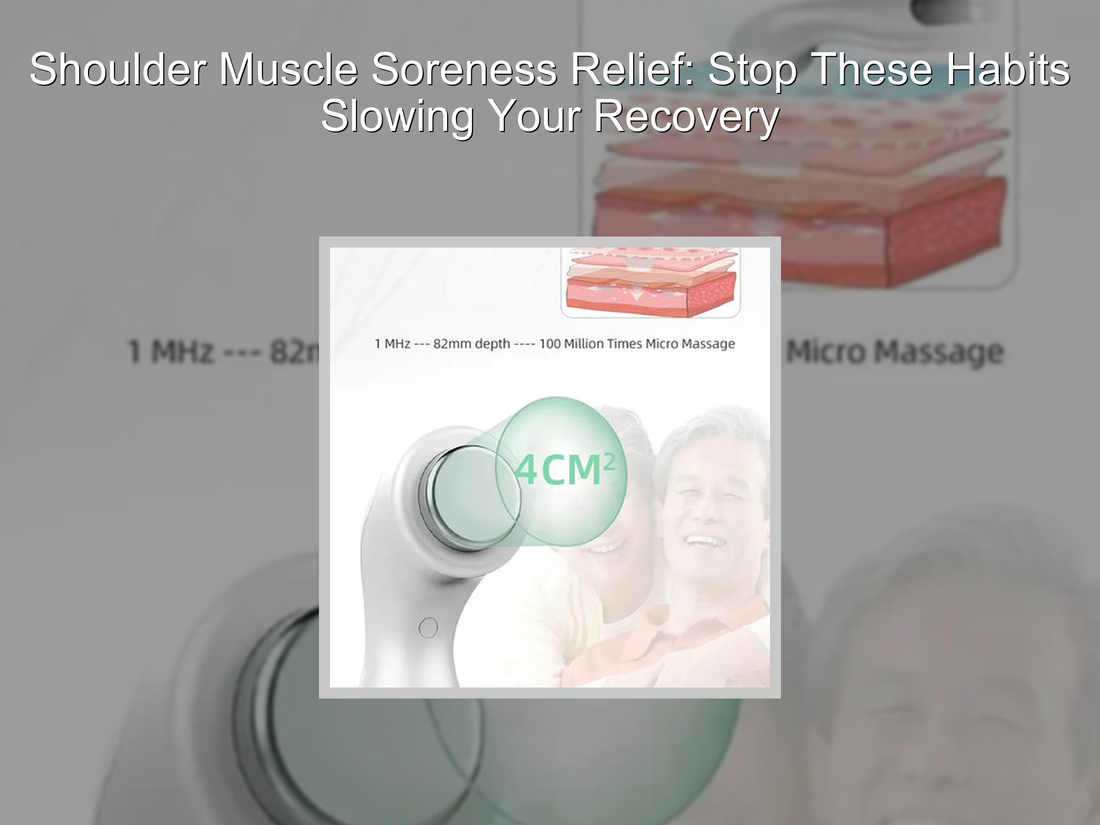
Does Heat Help with Muscle Soreness?
Yes. Heat therapy can be an effective way to relieve shoulder muscle soreness once the initial inflammation from an injury has settled. By gently increasing tissue temperature, heat widens blood vessels, improves circulation, and helps deliver oxygen and nutrients to recovering muscles. This combination can reduce stiffness, improve flexibility, and make everyday movements more comfortable.
Benefits of Heat Therapy for Muscles
- Relieves muscle stiffness: Warmth helps tight muscle fibers relax, making the shoulder easier to move.
- Improves blood circulation: Increased blood flow supports the body's natural repair process.
- Enhances flexibility: Gentle heat before stretching or mobility exercises may improve range of motion.
- Reduces tension from posture: Heat therapy can ease muscle tightness caused by prolonged desk work or repetitive activities.
- Supports chronic muscle discomfort: Many people with ongoing muscle tightness, including chronic myofascial pain syndrome, find heat useful as part of a comprehensive treatment plan.
When to Use Heat for Muscle Soreness
Heat therapy for a sore shoulder is generally most appropriate after the first 24 to 48 hours following a strain, once significant swelling has decreased. It may also be helpful before gentle stretching, mobility exercises, or physical therapy sessions to prepare tight muscles for movement.
- After delayed onset muscle soreness (DOMS) from exercise
- For chronic shoulder tightness or muscle tension
- Before light stretching or rehabilitation exercises
- Following long periods of sitting or repetitive overhead work
When Heat Should Be Avoided
Heat is not the best choice immediately after an acute injury. If the shoulder is swollen, visibly inflamed, or warm to the touch, cold therapy is generally recommended during the early recovery phase. People with reduced skin sensation, circulation disorders, or certain medical conditions should consult a healthcare professional before using heat therapy.
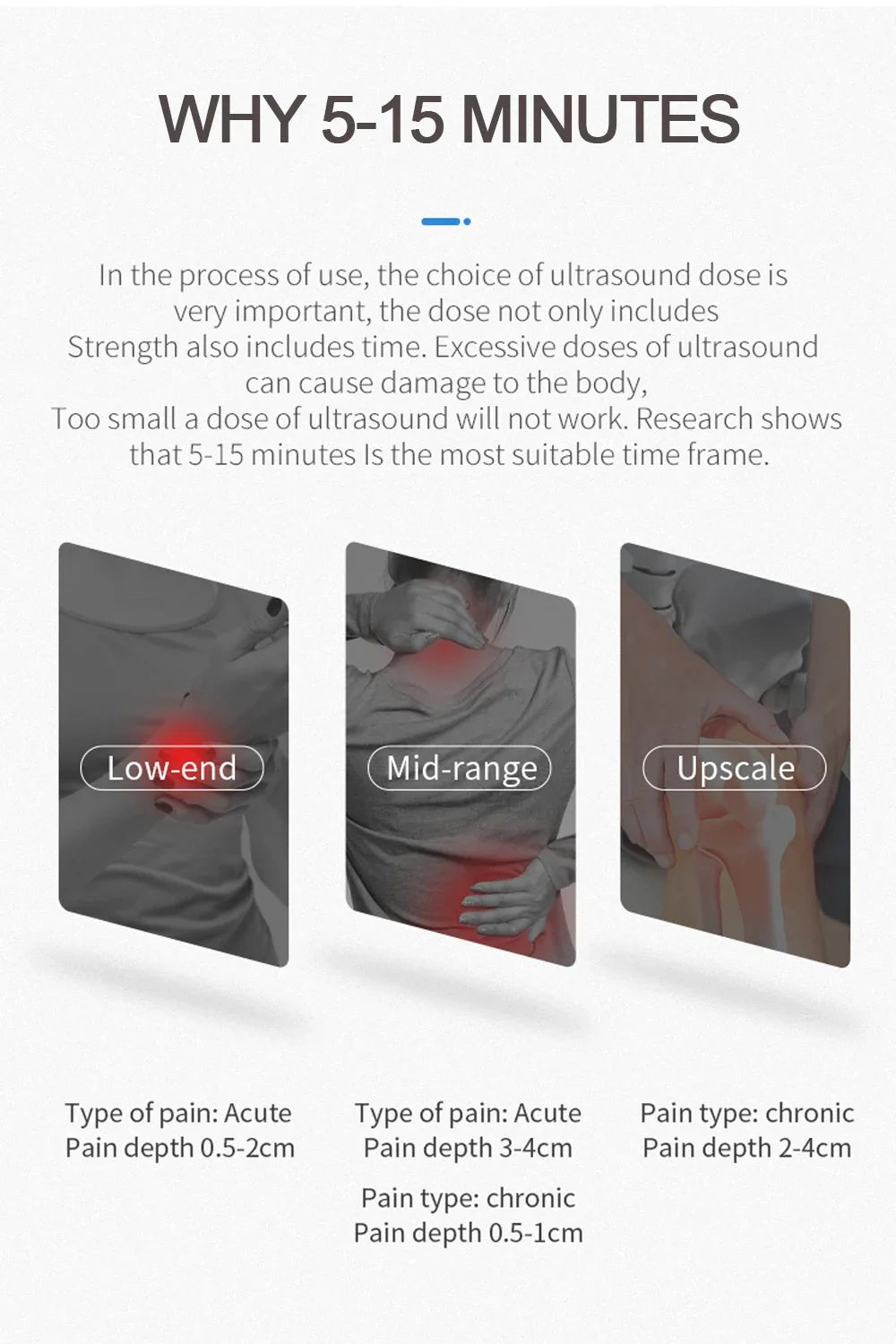
The benefits of heat therapy for muscles may be enhanced when combined with appropriate rehabilitation techniques and targeted therapeutic devices.
Ready to feel relief faster? Pair heat therapy with precision ultrasound for targeted muscle recovery using the Kentdo Ultrasound Physiotherapy Device .
Does a Heating Pad Help with Muscle Pain?
For many people, the answer is yes. A heating pad can reduce muscle tension, improve comfort, and temporarily relieve stiffness caused by exercise, poor posture, or repetitive movement. While heating pads primarily warm surface tissues, they can be an effective part of a home recovery routine for mild to moderate shoulder muscle soreness.
However, deeper muscle structures around the rotator cuff or persistent shoulder pain may require additional treatment, such as guided rehabilitation exercises or therapeutic modalities recommended by a healthcare professional.
How to Use a Heating Pad Safely
- Wait until the acute inflammatory phase has passed, typically after 24 to 48 hours.
- Apply heat for approximately 15 to 20 minutes at a comfortable temperature.
- Place a thin cloth between the heating pad and your skin to help prevent burns.
- Use heat before stretching or mobility exercises to improve flexibility.
- Stop treatment if discomfort, excessive redness, or worsening pain develops.
Common Mistakes to Avoid
- Using high heat settings for extended periods.
- Falling asleep while using a heating pad.
- Applying heat to a swollen or newly injured shoulder.
- Relying on heat alone without correcting posture, activity habits, or muscle imbalances.
For people with recurring shoulder soreness from sports, physically demanding work, or chronic muscle tightness, combining heat therapy with appropriate exercise, mobility work, and ultrasound therapy may provide more comprehensive relief than using surface heat alone.
How Ultrasound Therapy Boosts Shoulder Recovery
Therapeutic ultrasound has long been used in rehabilitation clinics to support recovery from muscle and soft tissue injuries. Home-use devices, such as the Kentdo Ultrasound Physiotherapy Device , are designed to deliver high-frequency sound waves that reach deeper tissues than surface heat alone. While individual results vary, ultrasound therapy may help reduce pain, improve tissue flexibility, and support the body's natural healing process when combined with appropriate exercise and activity modification.
Who May Benefit
- People with recurring shoulder muscle tightness from repetitive work or sports.
- Individuals recovering from mild muscle strains after the acute inflammatory phase.
- Those experiencing chronic myofascial discomfort under the guidance of a healthcare professional.
- Active adults looking to complement stretching, strengthening, and physical therapy.
Current Evidence and Limitations
Clinical studies suggest that therapeutic ultrasound may provide pain relief and improve soft tissue mobility for some musculoskeletal conditions. However, outcomes can vary depending on the cause of shoulder pain, treatment settings, and whether ultrasound is combined with exercise-based rehabilitation. It should not replace medical evaluation for severe injuries, suspected rotator cuff tears, fractures, or persistent shoulder dysfunction.
| Feature | Traditional Heat Therapy | Kentdo Ultrasound Device |
|---|---|---|
| Primary Target | Surface muscles | Deeper soft tissues |
| Main Effect | Improves circulation and reduces stiffness | Delivers therapeutic sound waves to targeted tissues |
| Best For | General muscle tightness and mild soreness | Persistent muscle discomfort and rehabilitation support |
| Typical Use | Warm-up and relaxation | Part of a structured recovery routine |
Unlike a standard heating pad, the Kentdo Ultrasound Physiotherapy Device combines gentle warmth with therapeutic ultrasound, providing a targeted option for people seeking deeper muscle recovery at home.
Get yours now — limited stock! Restore comfort and flexibility with the Kentdo Ultrasound Physiotherapy Device .
Heat Therapy vs Ultrasound: Which Works Better?
Neither therapy is universally better—the right choice depends on the cause of your shoulder discomfort, your recovery goals, and whether you're dealing with temporary muscle soreness or ongoing soft tissue irritation. In many cases, heat therapy for a sore shoulder and therapeutic ultrasound can complement one another rather than compete.
Comparison by Condition
| Condition | Heat Therapy | Ultrasound Therapy |
|---|---|---|
| Post-workout muscle soreness (DOMS) | Excellent for easing stiffness | May complement recovery if soreness persists |
| Muscle tightness from poor posture | Helps relax tight muscles | May support deeper soft tissue treatment |
| Chronic muscle discomfort | Useful for symptom relief | Often used alongside rehabilitation programs |
| Recent acute injury with swelling | Not recommended initially | Professional assessment recommended before treatment |
When to Choose Each Option
| Method | Advantages | Considerations |
|---|---|---|
| Heat Therapy | Affordable, convenient, improves circulation, and delivers many benefits of heat therapy for muscles. | Limited penetration into deeper tissues. |
| Ultrasound Therapy | Targets deeper soft tissues and complements rehabilitation exercises. | Requires a therapeutic device and correct usage. |
| Combined Approach | May provide both immediate comfort and deeper therapeutic support for suitable patients. | Most effective as part of a comprehensive recovery plan rather than a standalone treatment. |
Preventing Shoulder Muscle Soreness
Although occasional shoulder soreness is common after exercise or physical work, adopting healthy daily habits can reduce the likelihood of recurring discomfort. Consistent prevention strategies help keep muscles flexible, improve shoulder function, and support long-term recovery.
Posture and Workstation Ergonomics
- Maintain neutral posture: Keep your shoulders relaxed rather than rounded forward while sitting or standing.
- Adjust your workspace: Position your monitor at eye level and keep your keyboard and mouse close enough to avoid reaching.
- Take movement breaks: Stand, stretch, and gently move your shoulders every 30 to 60 minutes during prolonged desk work.
- Avoid carrying heavy bags on one shoulder: Distribute weight evenly whenever possible.
Warm-Up and Strengthening Habits
- Warm up before activity: Five to ten minutes of light movement prepares muscles for exercise and reduces injury risk.
- Strengthen the shoulder muscles: Balanced strengthening of the rotator cuff, upper back, and shoulder stabilizers improves joint support.
- Stretch after exercise: Gentle flexibility exercises may reduce muscle tightness and maintain range of motion.
- Allow adequate recovery: Schedule rest days and avoid repeatedly training sore muscles without sufficient recovery time.
- Stay hydrated and sleep well: Proper hydration and quality sleep are essential for muscle repair and overall recovery.
For people who experience recurring muscle tightness despite healthy habits, supportive recovery tools from our body care and health devices collection may complement stretching, strengthening, and other evidence-based recovery practices.
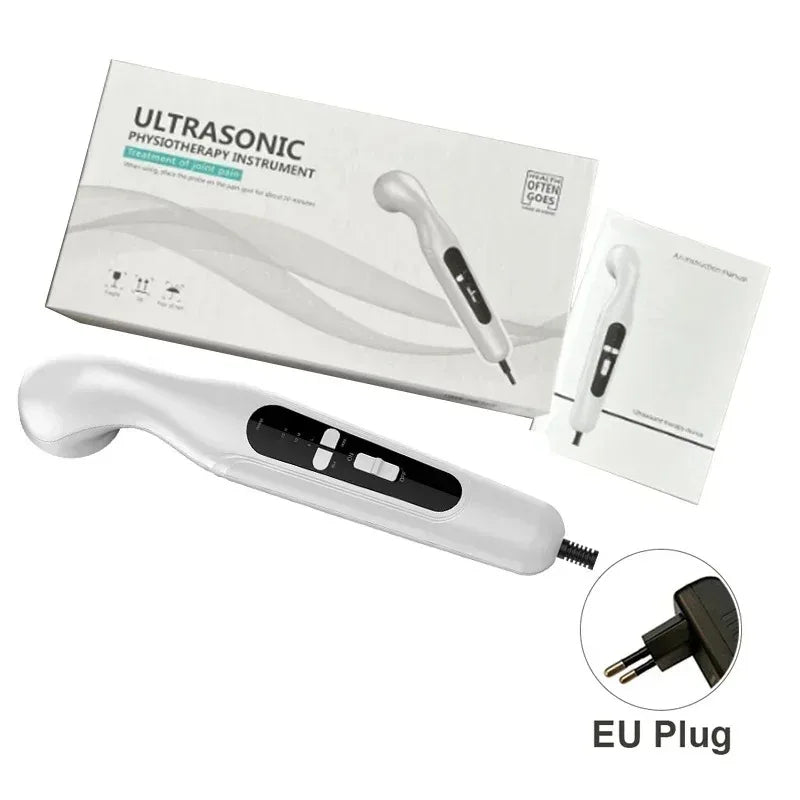
Consistent recovery habits, healthy posture, and appropriate therapy can help reduce shoulder muscle soreness and improve everyday comfort.
Shoulder Muscle Soreness FAQ
1. How long does shoulder muscle soreness usually last?
Mild shoulder muscle soreness from exercise or overuse typically improves within 24 to 72 hours. Moderate muscle strains may take one to three weeks to recover, while persistent pain lasting longer than a few weeks should be evaluated by a healthcare professional to rule out tendon, joint, or rotator cuff injuries.
2. Does heat help with muscle soreness better than ice?
Both therapies have a role. Ice is generally recommended during the first 24 to 48 hours after an acute injury to help manage pain and swelling. Heat is more appropriate after the initial inflammatory phase or for chronic muscle tightness because it improves circulation and reduces stiffness.
3. Does a heating pad help with muscle pain after exercise?
Yes. A heating pad can help relieve post-exercise muscle tightness and improve flexibility once significant inflammation has resolved. Use moderate heat for 15 to 20 minutes at a time, and avoid applying heat to a freshly injured or swollen shoulder.
4. When should I use heat for muscle soreness?
Heat therapy is most beneficial after the first one to two days following a minor strain or whenever muscle stiffness limits comfortable movement. It can also be used before stretching or mobility exercises to help loosen tight shoulder muscles.
5. Can I exercise with sore shoulder muscles?
Light activity and gentle range-of-motion exercises are often appropriate for mild muscle soreness. However, avoid heavy lifting or high-intensity training if pain worsens with movement, strength decreases, or shoulder function is significantly limited.
6. What causes shoulder muscle soreness without injury?
Shoulder muscle soreness is commonly caused by poor posture, repetitive overhead activities, muscle fatigue, stress-related tension, prolonged computer use, or delayed onset muscle soreness (DOMS) after unfamiliar exercise. Less commonly, pain may originate from the neck or other nearby structures.
7. How do I know if my shoulder pain is muscle soreness or a rotator cuff injury?
Typical muscle soreness causes a dull, aching discomfort that gradually improves over several days. A rotator cuff injury is more likely if you experience sharp pain, marked weakness, difficulty lifting your arm, nighttime pain that interrupts sleep, or symptoms that fail to improve with conservative care.
8. When should I see a doctor for shoulder muscle soreness?
Seek medical evaluation if shoulder pain follows significant trauma, is accompanied by severe swelling or deformity, causes numbness or loss of strength, persists beyond several weeks despite home treatment, or progressively worsens instead of improving.
Meta Description: Learn what causes shoulder muscle soreness, when to use heat or ice, how heating pads and therapeutic ultrasound may help, and practical strategies to recover safely and prevent recurring shoulder pain.
Tags: shoulder muscle soreness, shoulder pain from muscle soreness, does heat help with muscle soreness, does a heating pad help with muscle pain, benefits of heat therapy for muscles, heat therapy for sore shoulder, shoulder muscle soreness relief, chronic myofascial pain syndrome treatment, muscle recovery, pain management
Pillar Article: How Does Therapeutic Ultrasound Work for Deep Muscle Healing?
Other Related Articles:
Explore More:













