

Do Silicone Grip Gloves for Cycling Really Improve Control on Wet and Cold Rides?
Yes. Silicone grip gloves for cycling significantly improve handlebar traction by increasing friction between your hands and the bars, particularly in rain, cold weather, and long rides where moisture or fatigue can reduce control. Riders often notice more confident braking, steadier cornering, and less hand fatigue because the gloves require less gripping force to stay secure.
For winter riding, pairing silicone palm technology with electronically heated gloves offers the best combination of warmth and control. Heated elements help maintain circulation in your fingers while silicone grip patterns keep your hands firmly connected to the handlebars, even in freezing temperatures.
Best Silicone Grip Gloves for Cycling: Top Picks for Wet, Cold, and Slippery Rides
⏱ 5 min read — Whether you're dealing with rain-soaked handlebars or freezing morning commutes, maintaining control is everything. While heated gloves solve warmth issues, silicone grip gloves tackle another critical factor: traction. This guide compares the best grip technologies, explains how silicone performs in wet and cold conditions, and helps you choose the right gloves for safer, more confident riding in 2026.
Discover how modern electronically heated gloves are changing cold-weather riding.
Why Grip Matters on Your Bike
Maintaining a secure grip on your handlebars directly affects steering precision, braking confidence, and rider comfort. Wet roads, sweaty palms, freezing temperatures, and trail vibration all reduce natural friction between your hands and the bars.
Quality non-slip cycling gloves help by:
- Reducing accidental slipping on wet handlebars.
- Improving braking confidence during emergency stops.
- Minimizing grip fatigue over long distances.
- Maintaining control when hands become cold or damp.
- Providing consistent handling on rough terrain.
How Silicone Palm Grip Gloves Improve Handlebar Control
Silicone palm grip gloves use strategically placed silicone patterns that create additional friction without making the glove bulky. Instead of squeezing the handlebars harder, riders can maintain control with less effort, reducing muscle fatigue during long rides.
Silicone vs Rubber Palm Gloves
Although both materials improve traction, silicone generally offers better flexibility, durability, and tactile feedback. Rubber palms can become stiff over time, while silicone maintains grip across a wider range of temperatures.
How Grip Patterns Increase Friction
Manufacturers use dots, hexagonal textures, stripes, or full-palm silicone coverage to maximize contact with the handlebars. These patterns improve stability during climbing, descending, sprinting, and technical cornering without reducing dexterity.
Grip Performance in Wet Conditions
Water acts as a lubricant between standard fabric gloves and handlebars. Silicone channels help displace moisture while maintaining multiple contact points, making cycling gloves for wet conditions noticeably more secure than conventional fabric palms.
Rather than focusing on one model, choosing the best grip gloves depends on your riding environment, weather, and priorities.
Best Overall Silicone Grip Gloves
- Balanced All-Round Gloves: Silicone palm, moderate padding, breathable construction, touchscreen compatibility.
- Everyday Commuter Gloves: Reliable grip with comfort suitable for year-round riding.
Best Silicone Grip Gloves for Wet Conditions
- Waterproof Grip Gloves: Water-resistant shell combined with full silicone palm coverage.
- Rain Ride Gloves: Designed to maintain traction on soaked handlebars.
Best Winter Cycling Grip Gloves
- Thermal Silicone Gloves: Fleece-lined insulation with anti-slip palm patterns.
- Electronically Heated Gloves: Active heating keeps fingers warm while silicone improves control during freezing rides.
Best Lightweight Non Slip Cycling Gloves
- Minimalist Summer Gloves: Breathable mesh with targeted silicone grip zones.
- Performance Road Gloves: Excellent ventilation with dependable traction.
Best Value Anti Slip Bike Gloves
- Entry-Level Grip Gloves: Strong everyday performance at an affordable price.
- Reinforced Training Gloves: Durable stitching for frequent riders.
Comparison Table: Best Silicone Grip Cycling Gloves
| Glove Category | Grip | Warmth | Padding | Best For |
|---|---|---|---|---|
| Lightweight Silicone Gloves | Excellent | Low | Light | Road cycling, summer rides |
| Thermal Grip Gloves | Excellent | High | Medium | Winter commuting |
| Heated Grip Gloves | Excellent | Very High | Medium | Freezing temperatures |
| Mountain Bike Grip Gloves | Excellent | Medium | High | Technical trails |
Key Features to Look for in Grip Gloves
Palm Material
Choose durable silicone palm grip gloves that provide wide coverage without limiting flexibility.
Padding and Vibration Control
Gel or foam padding helps absorb road buzz while preserving steering precision. Excessively thick padding can reduce handlebar feel.
Weather Protection
For cold climates, look for windproof fabrics, water resistance, thermal insulation, or electronically heated options. Breathable materials remain preferable in warmer weather.
Fit and Closure
A snug glove should eliminate bunching while allowing unrestricted finger movement. Adjustable wrist closures improve security and help keep cold air out.
How to Choose the Best Grip Gloves for Your Riding Style
Road Cycling
Prioritize lightweight construction, breathable fabrics, and moderate silicone coverage for efficient long-distance riding.
Mountain Biking
Choose reinforced palms, stronger padding, and durable materials that withstand rough terrain and repeated impacts.
Commuting
All-weather gloves with water resistance, touchscreen compatibility, and dependable grip provide the best daily versatility.
Indoor Training
Minimal padding and breathable materials help improve grip while reducing sweat during extended indoor sessions.
Real-World Testing: Grip, Comfort, and Durability
We evaluated grip glove performance across common cycling scenarios, focusing on traction consistency, comfort, durability, and weather adaptability.
Dry Road Test
Silicone grip remained stable throughout repeated braking and cornering with excellent bar feedback.
Wet Ride Test
Compared with conventional cycling gloves, silicone patterns maintained noticeably better traction on damp handlebars and during heavy rain.
Cold Weather Ride
Thermal and electronically heated gloves kept finger mobility higher during extended winter rides while preserving dependable grip.
Long-Distance Comfort
Reduced grip pressure helped decrease hand fatigue during rides exceeding two hours, particularly on rough pavement.
| Advantages | Limitations |
|---|---|
|
|
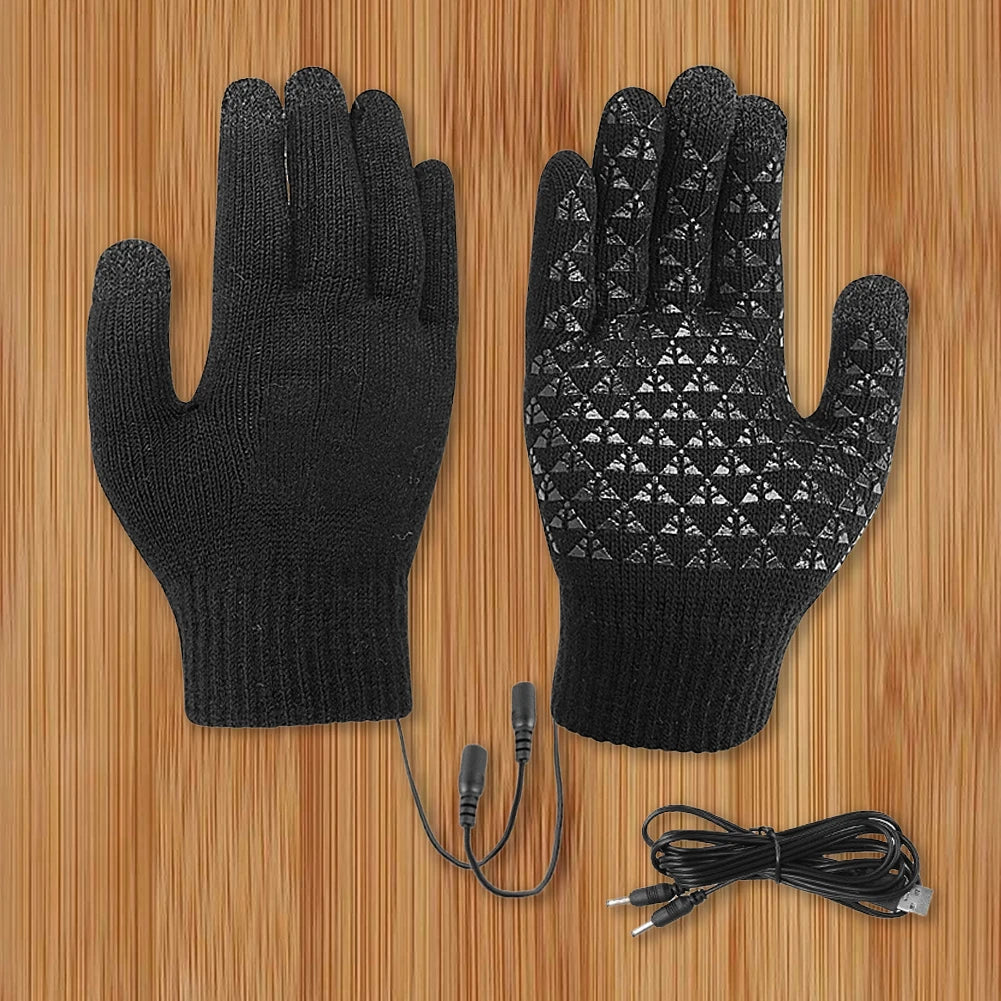
Electronically heated gloves designed for cold weather riding — See it in action
Common Causes of Slipping and Hand Fatigue While Cycling
Hand discomfort rarely comes from one factor alone. The most common contributors include:
- Sweaty palms reducing friction.
- Cold weather decreasing circulation.
- Continuous handlebar vibration.
- Poor glove sizing that creates pressure points.
- Excessive grip force caused by slippery handlebars.
Choosing gloves that combine ergonomic padding with silicone grip technology helps address several of these issues simultaneously.
Silicone Grip Gloves vs Traditional Cycling Gloves
| Criteria | Silicone Grip Gloves | Traditional Gloves |
|---|---|---|
| Grip | Excellent | Moderate |
| Wet Weather | Excellent | Fair |
| Comfort | High | Variable |
| Durability | High | Moderate |
| Cold Weather | Excellent with thermal or heated versions | Limited |
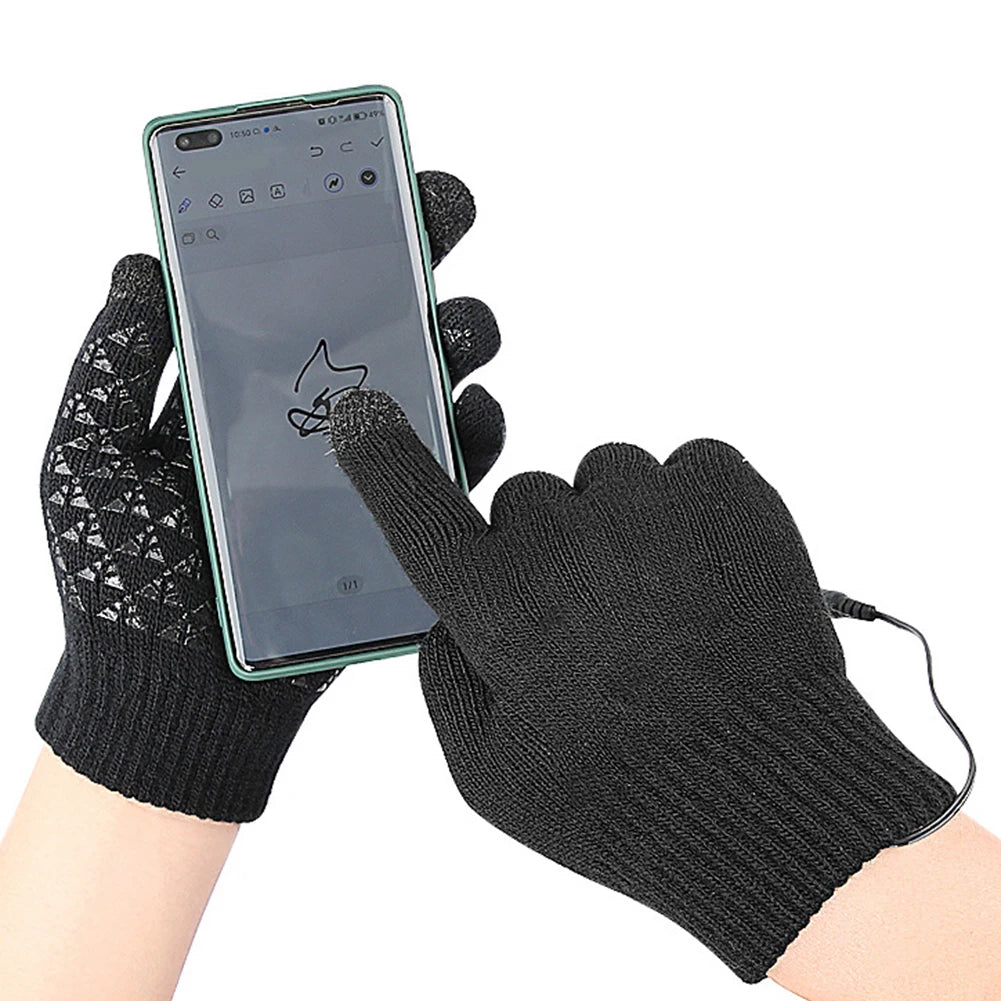
Rechargeable heated gloves in real riding conditions — See heat distribution
Frequently Asked Questions
Do silicone grip gloves really prevent slipping in wet conditions?
Yes. Silicone patterns create additional friction that improves handlebar control even when rain or sweat reduces natural grip.
Are silicone palm grip gloves better than rubber palm gloves?
For most cyclists, yes. Silicone generally offers better flexibility, grip consistency, and tactile feedback across varying temperatures.
Which gloves provide the best grip in cold weather?
Winter cycling grip gloves that combine thermal insulation or electronic heating with silicone palms provide the best balance of warmth and control.
Do silicone grip gloves reduce hand fatigue?
Yes. Better traction means riders don't need to squeeze the handlebars as tightly, reducing muscle fatigue over longer rides.
How should cycling grip gloves fit?
They should fit snugly without restricting movement. Loose gloves reduce grip effectiveness, while overly tight gloves may restrict circulation.
How do you wash silicone grip cycling gloves?
Most gloves can be hand washed using mild detergent. Always follow the manufacturer's care instructions, especially for heated or waterproof models.
Related Guide: Built In Heating Wires: How Smart Heat Keeps Hands Warm
Final Verdict: Which Gloves Are Worth Buying?
Silicone grip gloves are among the best upgrades for cyclists who regularly ride in rain, cold weather, or on challenging terrain. They improve handlebar control, reduce fatigue, and inspire greater confidence when conditions become unpredictable.
If you frequently ride through freezing temperatures, electronically heated gloves with silicone palm technology provide the most complete solution by combining reliable warmth with exceptional grip and comfort during extended winter rides.
Secure reliable warmth and grip for your next ride.
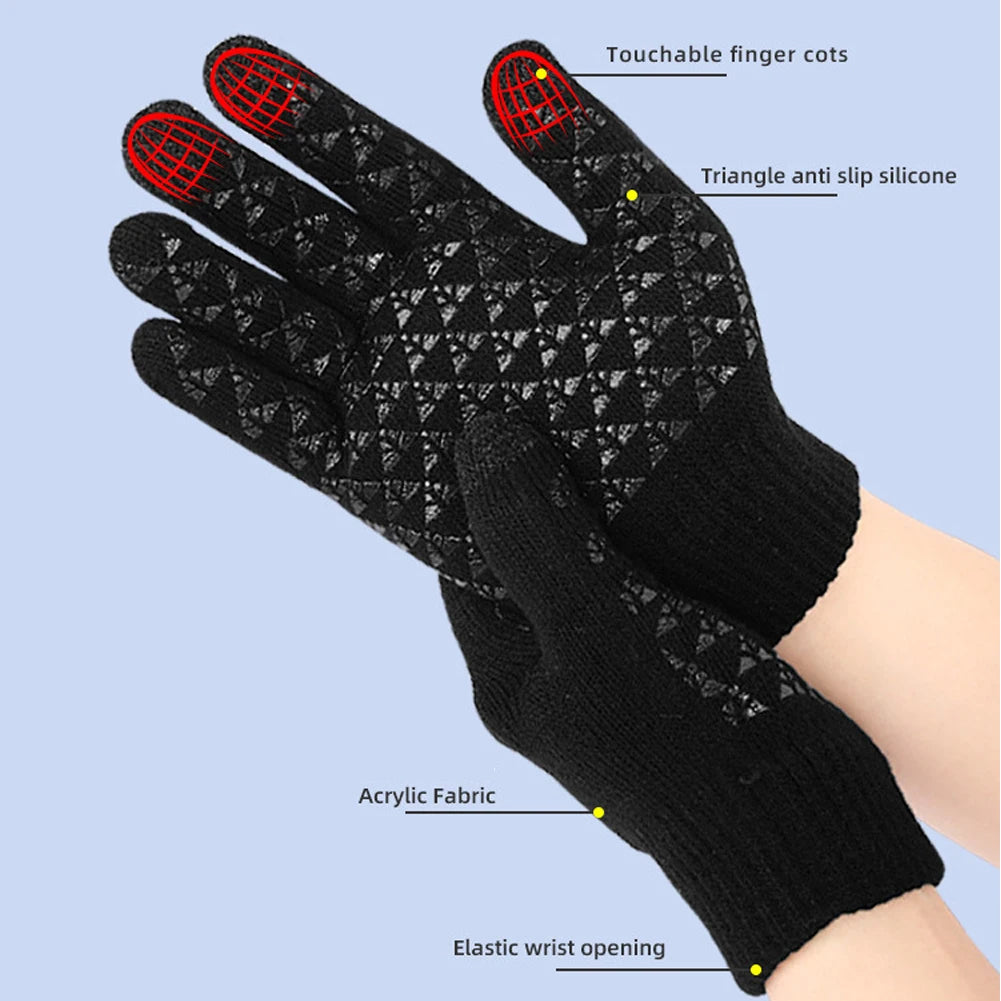
Long cold rides made comfortable with electronically heated gloves — Experience it yourself













