
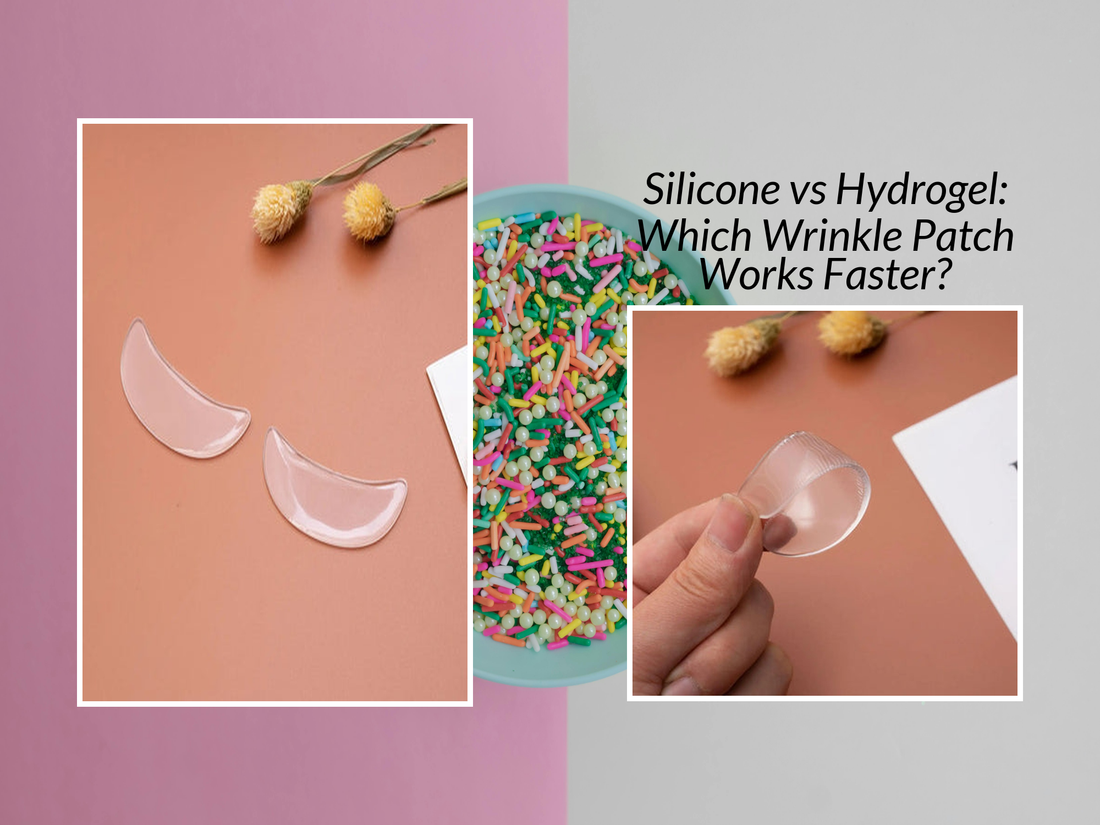
❓ Which wrinkle patch works faster: silicone or hydrogel?
Silicone wrinkle patches typically deliver faster and longer-lasting results compared to hydrogel. While hydrogel offers instant hydration and cooling, silicone patches create a moisture-sealing barrier that flattens fine lines more effectively with repeated use. For both quick results and sustained wrinkle reduction, silicone is usually the better choice.
Hydrocolloid vs Silicone for Wrinkles: Which Patch Actually Works Better?
In this in-depth wrinkle patch comparison, we explore how silicone and hydrocolloid (hydrogel) patches affect skin hydration, wrinkle appearance, and long-term smoothing results. From under-eye patches to reusable forehead wrinkle patches, understanding how each material works can help you choose the right solution for faster visible improvement.
Many skincare shoppers want tools that visibly smooth fine lines overnight without complicated routines. But do wrinkle patches really work—and if they do, which material performs better for real wrinkles rather than temporary hydration?
⏱ 7 min read
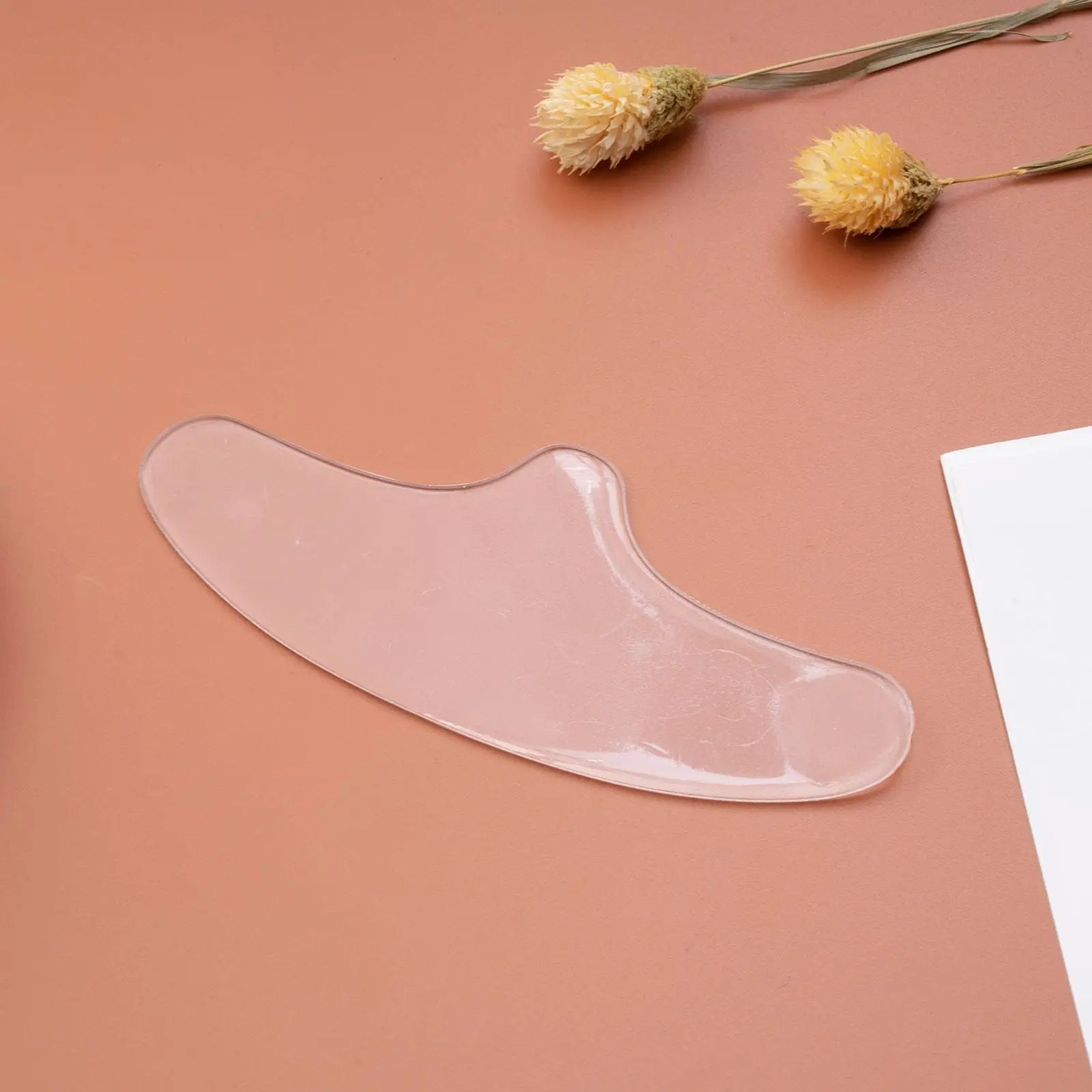
💡 See it in action: wrinkle patches for eyes that actually smooth while you sleep.
👉 See price — stock low! Shop reusable silicone wrinkle patches now.
Quick Comparison: Hydrocolloid vs Silicone Wrinkle Patches
Both hydrocolloid and silicone wrinkle patches work by creating a sealed environment on the skin, but they behave very differently once applied. Understanding how each material interacts with skin hydration, elasticity, and wrinkle formation helps explain why some patches work better for certain types of lines.
- Silicone patches: Create a breathable occlusive barrier that locks in moisture and gently compresses the skin to temporarily smooth wrinkles.
- Hydrocolloid patches: Absorb fluid and maintain hydration on the skin’s surface, which can temporarily plump fine lines.
- Reusability: Silicone patches are typically reusable, while hydrocolloid patches are usually single-use.
- Best use: Silicone patches are commonly used for forehead lines, crow’s feet, and chest wrinkles, while hydrocolloid patches are more common for acne or hydration-focused treatments.
Because the mechanisms are different, the question of hydrocolloid vs silicone for wrinkles often comes down to wrinkle type, desired results, and how frequently the patches are used.
How Wrinkle Patches Work on Skin
Wrinkle patches rely on two primary dermatology concepts: occlusion and hydration. When a patch seals the skin, it prevents moisture loss and allows the outer layer of skin to absorb water more efficiently.
The Role of Occlusion and Skin Hydration
Occlusion means covering the skin so that water cannot easily evaporate. When skin stays hydrated, it becomes slightly swollen and more flexible. This temporary plumping effect can soften the appearance of fine lines and surface wrinkles.
Why Temporary Wrinkle Smoothing Happens
When hydration increases in the stratum corneum (the outermost skin layer), small wrinkles can appear smoother. This effect is similar to what happens when skin is well moisturized. However, wrinkle patches do not permanently erase wrinkles — they mainly create short-term smoothing and hydration benefits.
For deeper understanding of skin hydration and barrier health, explore more resources in our skin and beauty care devices collection.
Silicone Wrinkle Patches Explained
Silicone wrinkle patches are made from medical-grade silicone that adheres gently to the skin. These patches are widely used in dermatology for scar treatment and have been adapted for cosmetic wrinkle smoothing.
Do Silicone Patches Work for Wrinkles?
Many people wonder, do silicone patches work for wrinkles? Research on silicone scar sheets suggests that silicone can improve hydration and support skin healing by maintaining a stable moisture barrier. When used for wrinkles, silicone patches flatten and smooth the skin overnight, which can reduce the visible depth of expression lines.
Benefits of Silicone Eye Patches
- Improve hydration around delicate eye skin
- Temporarily smooth crow’s feet and fine lines
- Reusable for multiple treatments
- Gentle adhesion without harsh adhesives
Anti-Aging Silicone Patches Effectiveness
The effectiveness of silicone wrinkle patches comes mainly from consistent overnight use. By keeping skin compressed and hydrated for several hours, these patches can gradually soften expression lines, especially on the forehead, under eyes, and chest.
Many beauty routines now include reusable silicone eye patches alongside other eye care tools designed to support skin hydration and recovery.
Hydrocolloid (Hydrogel) Patches Explained
Hydrocolloid patches are commonly used in wound care and acne treatment. They contain gel-forming agents that absorb fluid while maintaining a moist environment on the skin’s surface.
How Hydrogel Patches for Wrinkles Work
Hydrogel patches for wrinkles focus mainly on hydration. The gel layer draws moisture to the skin and helps reduce dehydration lines by temporarily plumping the surface of the skin.
When Hydrocolloid Patches Help Skin Most
- When wrinkles are caused by dry or dehydrated skin
- When a quick hydration boost is needed before makeup
- When the skin barrier needs calming or soothing
However, hydrocolloid patches generally do not compress facial muscles the way silicone patches do, which means they may be less effective for deeper expression lines.
Hydrocolloid vs Silicone for Wrinkles (Side-by-Side Comparison)
- Hydration: Both provide hydration, but hydrocolloid focuses more on moisture absorption while silicone seals existing moisture.
- Compression effect: Silicone patches gently flatten the skin, which can reduce expression lines.
- Reusability: Silicone patches are often reusable, while hydrocolloid patches are typically single use.
- Best wrinkle type: Hydrocolloid works better for dehydration lines; silicone works better for expression wrinkles.
- Typical wear time: Silicone patches are often worn overnight, while hydrocolloid patches may be used for shorter sessions.
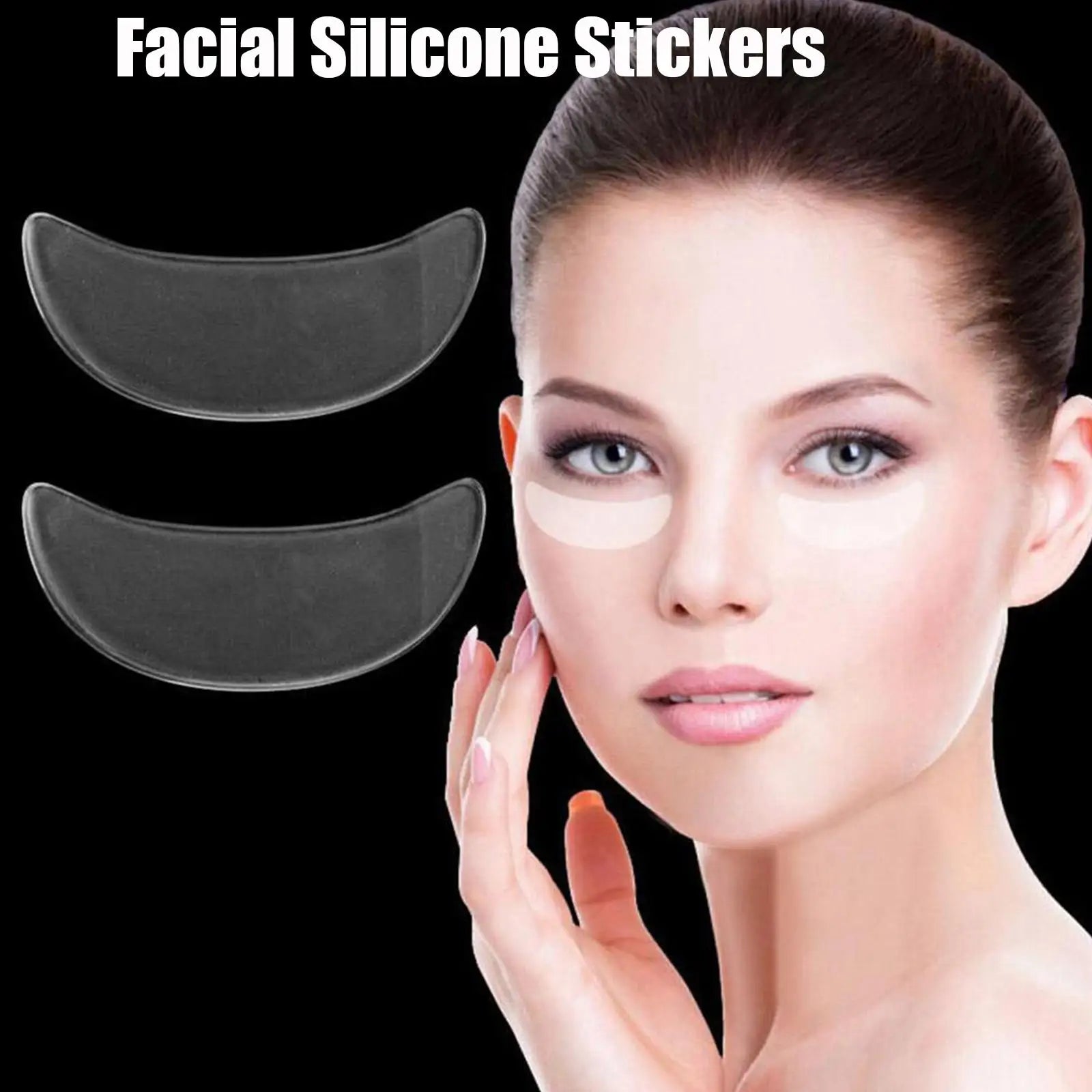
💡 Target fine lines faster with reusable silicone eye patches — smooth skin, no mess.
🔥 Limited supply — don’t wait! Get your wrinkle patches here.
Which Works Faster for Wrinkles?
Hydrogel patches can provide an immediate plumping effect because they deliver a burst of hydration. This makes them useful for short-term smoothing before events or makeup application.
Silicone patches, however, typically show more noticeable smoothing after a few uses because they combine hydration with gentle compression. By keeping the skin flattened and hydrated for several hours, they can visibly reduce expression lines faster over repeated treatments.
Which Wrinkle Types Each Patch Works Best For
Fine Lines and Dehydration Wrinkles
Hydrocolloid or hydrogel patches may work well for dehydration lines because they provide a strong hydration boost that temporarily plumps the skin.
Expression Lines and Forehead Wrinkles
Silicone patches often perform better for expression lines because they flatten the skin and limit movement during sleep.
Deep Static Wrinkles
Neither patch type permanently removes deep wrinkles, but consistent silicone patch use may soften their appearance by improving hydration and skin elasticity over time.
Real-World Use: Comfort, Fit & Reusability
Comfort matters—especially if patches are worn overnight. Silicone wrinkle patches tend to stay in place better because they adhere naturally to skin without extra adhesives. Hydrogel patches are cooling and soothing but may slide if skin becomes oily or if worn for long periods.
Top Benefits of Reusable Silicone Eye Patches
- Reusable up to 15 times—saves money and waste
- Flexible fit for under eyes, forehead, or smile lines
- Works with your skin’s own moisture—no added serum needed
- Gentle on sensitive skin, latex-free
When to Choose Hydrocolloid vs Silicone Patches
- Choose silicone patches if: you want overnight wrinkle smoothing or reusable anti-aging patches.
- Choose hydrocolloid patches if: your main goal is hydration or calming irritated skin.
- Choose silicone for expression wrinkles like forehead lines and crow’s feet.
- Choose hydrocolloid for dehydration lines that appear when skin lacks moisture.
Do Wrinkle Patches Really Work? What Dermatology Research Says
Wrinkle patches can temporarily improve the appearance of lines by increasing hydration and smoothing the skin surface. Silicone patches, in particular, have a long history in dermatology for scar treatment, where they help maintain moisture and support skin recovery.
While wrinkle patches do not permanently remove wrinkles, consistent use may reduce the appearance of fine lines and expression wrinkles, especially when combined with good skincare habits such as sunscreen, retinoids, and regular moisturizing.
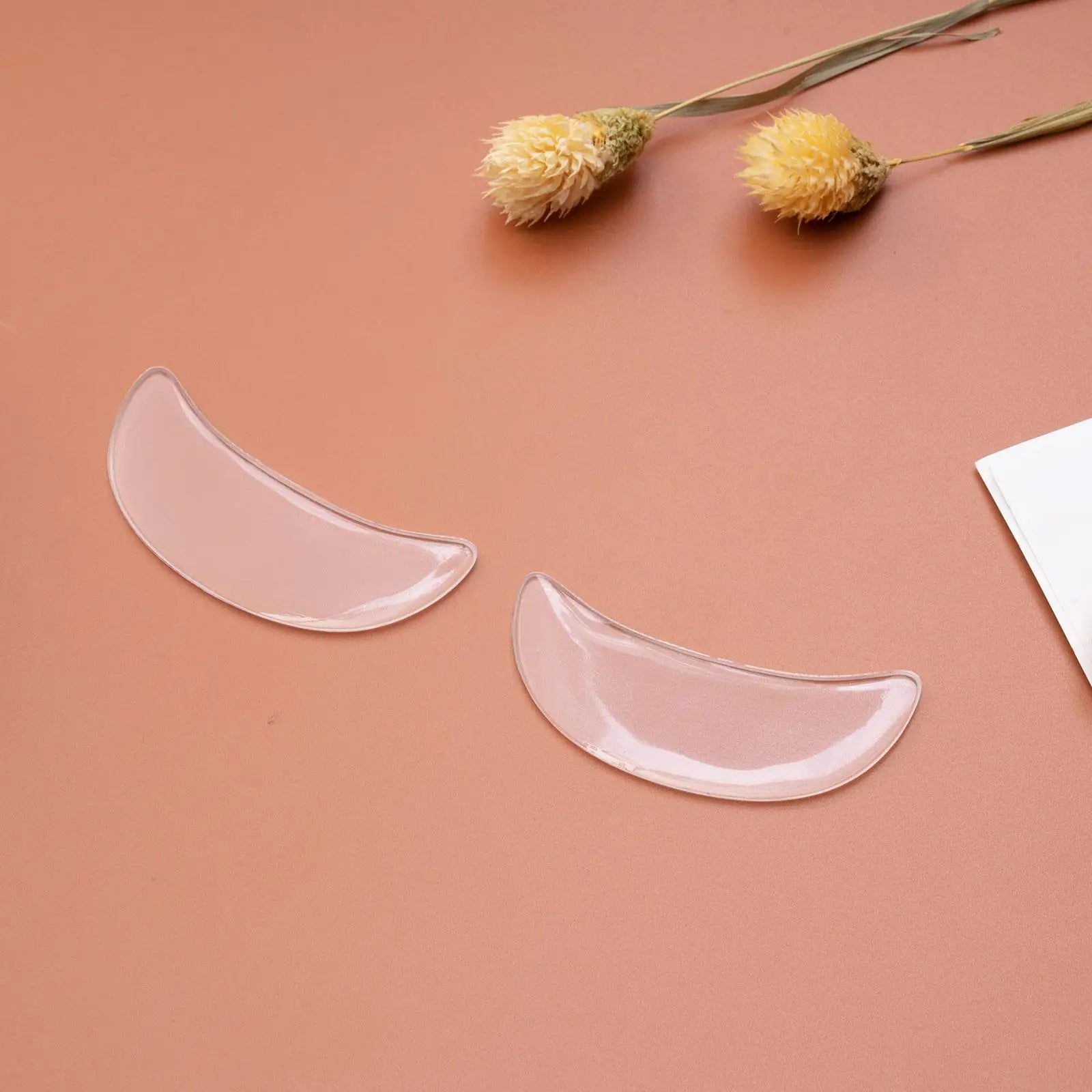
💡 Smoother skin is just a patch away — wrinkle patches for eyes that work while you rest.
✨ Upgrade your skincare routine! Order your KentDO wrinkle patches today.
FAQs
Do wrinkle patches really work?
Yes. Wrinkle patches can temporarily smooth fine lines by increasing hydration and keeping skin compressed while you rest. Silicone patches are especially effective for expression lines because they maintain a moisture barrier overnight.
Do silicone patches work for wrinkles?
Silicone patches can reduce the visible depth of wrinkles temporarily by flattening the skin and preventing moisture loss. With consistent use, they may help soften expression lines over time.
Do silicone eye patches work?
Yes. Silicone eye patches help hydrate delicate under-eye skin and smooth crow’s feet by sealing in moisture and keeping the skin surface flat during wear.
Can I use wrinkle patches for eyes daily?
Yes. Most reusable silicone wrinkle patches are designed for daily or nightly use. Consistent wear—often for 6–8 hours overnight—produces the most noticeable smoothing results.
How long do reusable wrinkle patches last?
High-quality silicone wrinkle patches can typically be reused up to 15 times when cleaned and stored properly between uses.
Pillar Article: The Hidden Science Behind Silicone Patches for Wrinkles
Other Related Articles:
Explore More:













