

Do interchangeable ski goggle lenses really make a difference?
Yes. Interchangeable ski goggle lenses let you adapt to changing weather without replacing your entire pair of goggles. By switching to the right tint for current light conditions, you improve contrast, reduce glare, and spot terrain changes sooner. Whether you're skiing through bright sunshine, flat light, or heavy snowfall, interchangeable ski goggles help maintain consistent visibility throughout the day.
Benefits of interchangeable ski goggles
- Improve contrast on snow in changing weather.
- Reduce eye fatigue caused by excessive glare.
- Use one frame with multiple lenses instead of carrying multiple goggles.
- Switch lenses quickly before conditions affect visibility.
- Extend the lifespan of your goggles by replacing only the lens when needed.
When interchangeable lenses are worth using
Goggles with interchangeable lenses provide the biggest advantage for skiers and snowboarders who experience changing mountain weather throughout the day. If you regularly ski from early morning into afternoon, travel between tree runs and open bowls, or encounter storms, investing in goggles interchangeable lenses offers noticeably better vision and comfort than relying on a single all-purpose tint.
How to Change Ski Goggle Lenses (Step-by-Step for Every System)
⏱ 7 min read
Struggling to see when weather shifts or worried about scratching your lens mid-mountain? Learning how to change ski goggle lenses properly keeps your vision sharp and your gear protected. This guide explains safe replacement techniques, common attachment systems, lens selection, and maintenance tips that apply to most modern ski goggles changeable lenses.
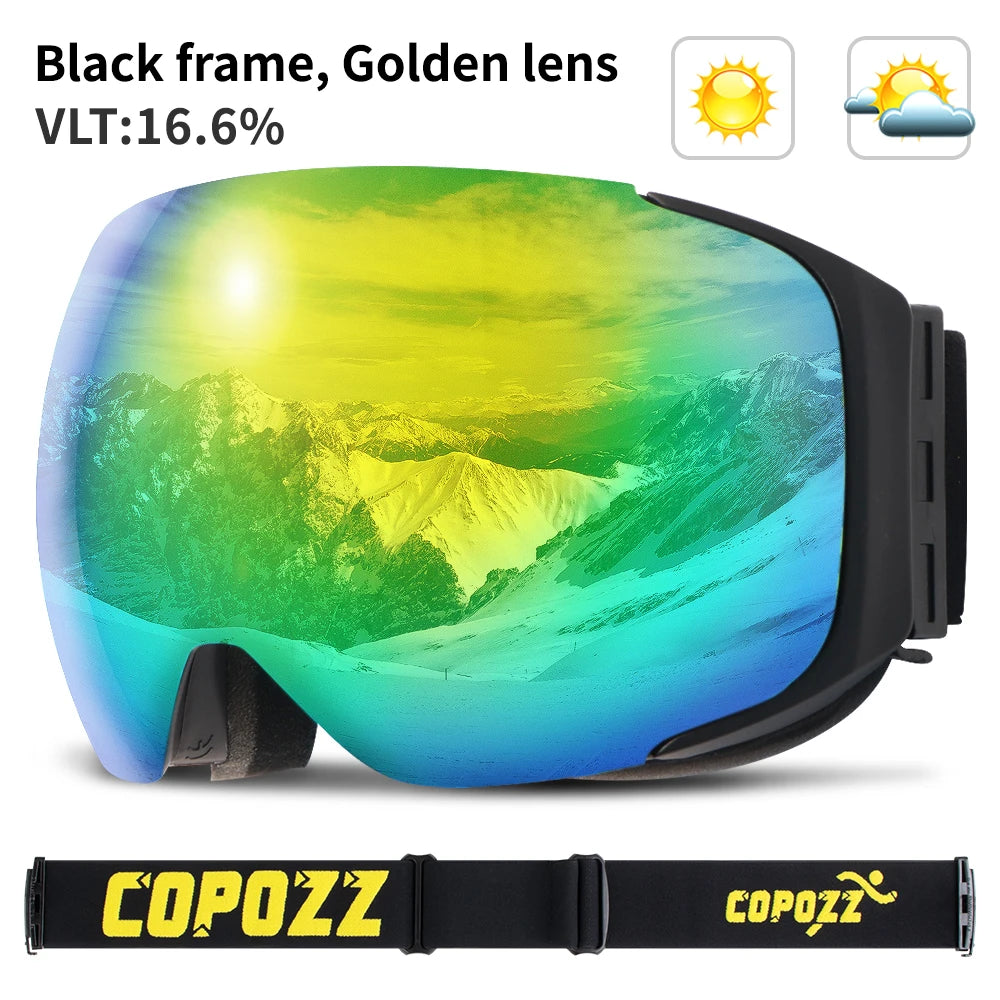
Ski goggles interchangeable lenses for fast light adaptation See it in action
Why interchangeable lenses change your skiing experience
Interchangeable lens ski goggles allow you to match your lens tint to the weather instead of forcing one lens to perform in every condition. This improves visibility, helps you identify bumps and icy patches sooner, and reduces eye strain during long days on the mountain.
- Sharper contrast across changing snow textures.
- Reduced glare on sunny days.
- Improved visibility during storms and flat light.
- One frame works across multiple weather conditions.
How to change ski goggle lenses (step-by-step)
Before you start: identify your lens system
Not every ski goggles replaceable lens system works the same way. Check whether your goggles use magnetic, snap-fit, clip-lock, or frame-flex construction before attempting removal. Following the correct method minimizes the risk of scratches or broken attachment points.
Tools and preparation checklist
- Clean microfiber cloth.
- Dry storage pouch for the removed lens.
- Replacement lens compatible with your frame.
- Warm, dry area whenever possible.
- Clean hands to prevent fingerprints on the optics.
Step 1: Remove the existing lens safely
Hold the frame securely without twisting it. Magnetic lenses should separate gently from one corner. Snap-fit and clip-lock systems require releasing the attachment points in the recommended order. Traditional frame-flex designs should only be flexed enough to free the lens.
Step 2: Clean and inspect the frame
Remove snow, moisture, dust, and debris before installing the replacement. Inspect magnets, clips, grooves, and seals for damage that could affect fit.
Step 3: Install the new lens correctly
Align one side first before securing the rest of the lens. Magnets should naturally guide positioning, while clip and snap systems should engage evenly around the frame. Avoid forcing any section into place.
Step 4: Seal check and fit test
Run your fingers around the entire edge of the frame to verify a complete seal. Wear the goggles briefly to confirm there are no gaps, movement, or airflow that could contribute to fogging.
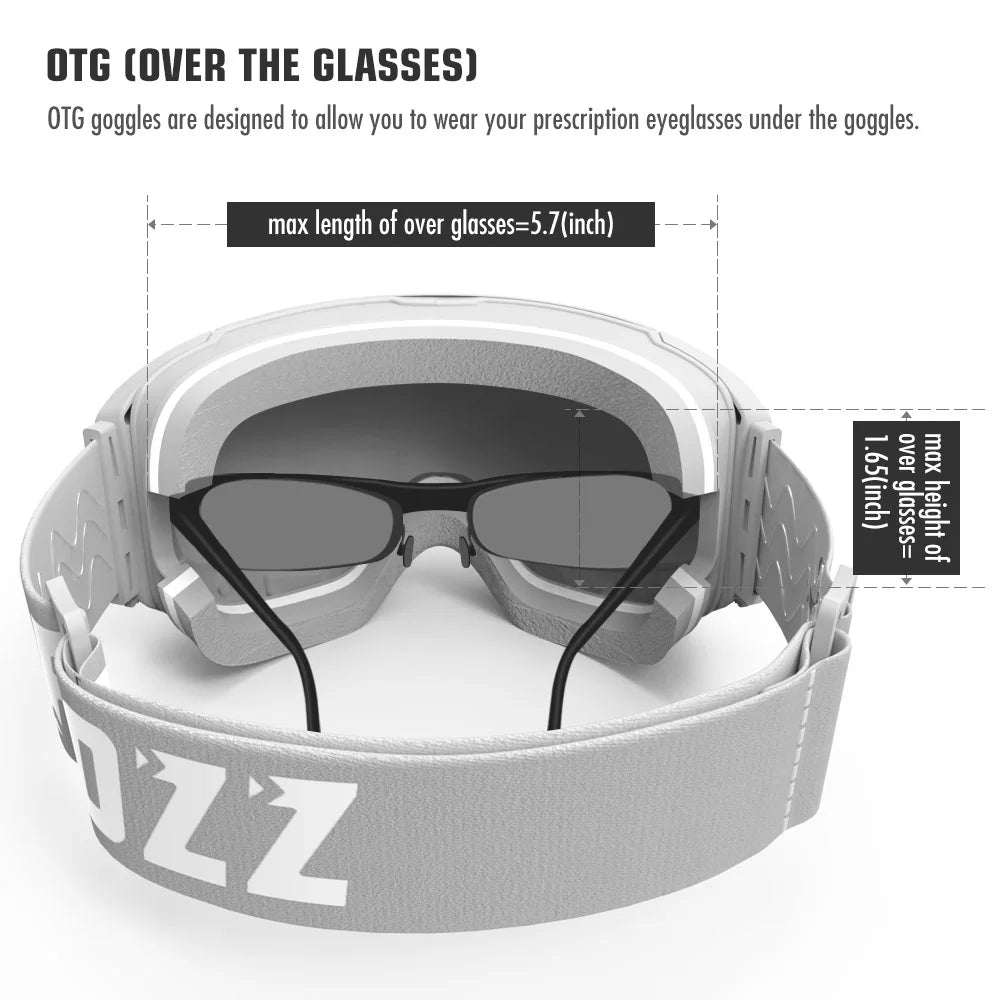
Quick, secure lens swapping with ski goggles changeable lenses See it in action
Different ski goggle lens systems explained
Magnetic interchangeable lenses
Magnetic systems provide the quickest swaps and are especially useful during changing weather. Powerful magnets align the lens automatically, although you should always confirm the lens is fully seated before skiing.
Snap-fit designs use molded tabs that press firmly into the frame. They balance ease of use with a secure hold and are common on many modern snow goggles interchangeable lenses.
Clip-lock systems
Clip-lock designs rely on mechanical latches that must click into place individually. Although swapping takes slightly longer, they provide excellent retention during aggressive skiing.
Frame-flex (traditional) systems
Frame-flex goggles require gently bending the frame to release or install the lens. Patience is important because excessive force can crack the frame or damage the lens edge.
Brand-specific proprietary systems
Some manufacturers use unique attachment methods that only accept their own replacement lenses. Before purchasing a replacement, verify compatibility by checking your model number rather than assuming all interchangeable lenses fit every frame.
How to avoid scratching or damaging your ski goggle lenses
Handle the lens correctly
Always grip lenses by the edges instead of touching the viewing surface. Place removed lenses directly into a microfiber pouch instead of laying them on hard surfaces.
Protect the anti-fog coating
The inner lens coating is delicate. Avoid wiping the inside unless absolutely necessary, and never use paper towels or clothing to clean it.
Avoid foam and frame damage
Do not bend the frame beyond what the manufacturer recommends. Store goggles away from excessive heat so the face foam and frame maintain their shape.
Troubleshooting lens removal and installation
Lens won't come out
Warm the goggles with your hands for a few minutes and follow the proper release sequence. Never force the lens free.
Lens won't snap in
Check for snow, ice, dirt, or misaligned attachment points before trying again.
Lens appears misaligned
If one corner sits higher than the rest, remove the lens completely and reinstall it from the recommended starting point. Partial installation often prevents a full seal.
Fogging after swapping
Moisture trapped during installation commonly causes fogging. Dry both the frame and replacement lens before fitting whenever possible.
Common mistakes when changing ski goggle lenses
- Replacing lenses while snow or moisture is entering the frame.
- Touching or rubbing the inside anti-fog coating.
- Using excessive force during removal.
- Skipping the final seal inspection.
- Leaving replacement lenses unprotected in a backpack.
When to replace a ski goggle lens instead of reusing it
Signs a lens should be replaced
- Deep scratches affecting visibility.
- Persistent fogging despite proper care.
- Damaged seals or attachment tabs.
- Cracks or chips around the lens edge.
Compatibility before buying a replacement
Replacement lenses should match your exact frame model. Even similar-looking goggles often use different mounting systems, making lenses incompatible across brands or product generations.
Lens color guide for changing conditions
Choosing the right lens tint is just as important as knowing how to replace it. Visible Light Transmission (VLT) measures how much light passes through the lens. Lower VLT percentages suit bright sunshine, while higher VLT lenses work better in darker weather.
Low-light lenses
Yellow, light amber, and light rose lenses with high VLT improve contrast during storms, snowfall, fog, and flat light.
Sunny-day lenses
Dark gray, black, and mirrored lenses with lower VLT reduce glare and eye fatigue during bluebird conditions.
Variable-condition lenses
Rose, copper, and amber lenses offer excellent all-around performance when weather changes throughout the day. Carrying a spare lens allows you to adapt quickly instead of compromising visibility.

Confidence in flat light with the right lens color guide for ski goggles See it in action
Care and storage tips to extend lens life
Cleaning after swapping
- Use a clean microfiber cloth on the outer lens only.
- Allow snow to melt naturally before wiping away moisture.
Drying before storage
- Air dry goggles completely before placing them in a case.
- Avoid storing damp goggles inside sealed bags.
Storing spare lenses
- Store every spare lens in its own microfiber pouch.
- Keep lenses separated to prevent scratches.
- Rotate between lenses throughout the season to reduce wear.
Frequently asked questions
How often should I change ski goggle lenses?
Switch lenses whenever light conditions change enough to reduce visibility. Most skiers change lenses based on weather rather than a fixed schedule.
Can swapping lenses damage anti-fog coatings?
Yes. Handle lenses by their edges and avoid touching or wiping the inside surface.
Are interchangeable lenses secure at high speed?
Yes. Properly installed modern interchangeable systems remain secure during high-speed skiing and snowboarding.
Can I change lenses while on the mountain?
You can, although changing them in a sheltered, dry location reduces the chance of moisture becoming trapped inside the lens.
Why does my lens feel loose after installing?
Remove it and reinstall, checking every clip, magnet, or groove to confirm a complete seal.
Do all replacement lenses fit every brand?
No. Most replacement lenses are designed specifically for one frame model or product family, so always verify compatibility before purchasing.
Can scratched lenses be repaired?
Minor cosmetic marks may remain harmless, but deep scratches that interfere with vision usually require replacing the lens rather than attempting repairs.
Should I change lenses in cold weather?
Yes, but doing so indoors or in a sheltered area is easier because cold temperatures can make some frame materials less flexible and increase the chance of trapping moisture.













