

Does ski goggles replacement foam really fix fit and comfort issues?
Ski goggles replacement foam can significantly improve comfort, seal, and stability when the original foam has worn out. New foam restores the soft barrier between your face and the goggle frame, reducing pressure points and preventing cold air leaks.
In many cases, replacing foam solves:
- Wind entering the goggles and causing eye irritation
- Loose or unstable fit during movement
- Gaps between goggles and face that affect visibility
However, foam replacement will not fix structural issues such as a bent frame, damaged vents, or poor lens design. If those problems exist, replacing the entire goggle is usually the better solution.
Ski Goggles Replacement Foam: Can You Replace It & How to Fix It Step by Step
⏱ 6 min read
Cold wind sneaking in? Eyes watering halfway down the run? If your goggles suddenly feel uncomfortable or foggy, the problem often isn’t the lens—it’s the foam. Worn padding can quietly ruin your day on the mountain, even with premium gear. The fix is simpler than most riders expect.
Can you replace foam on ski goggles? (Quick answer + when it works)
Yes, you can replace foam on ski goggles in most cases. Ski goggles foam replacement works when the frame is still intact and the original foam has simply degraded, flattened, or started peeling.
However, replacing foam on ski goggles may not work if the frame is cracked, warped, or if the foam is permanently molded into the frame with no removable edge.
- Replace foam: When foam is peeling, compressed, or causing air leaks
- Buy new goggles: When frame damage affects fit or lens alignment
- DIY works best: On standard plastic frames with glued foam layers
This guide explains exactly how to replace ski goggle foam step by step, including tools, materials, and common mistakes to avoid.
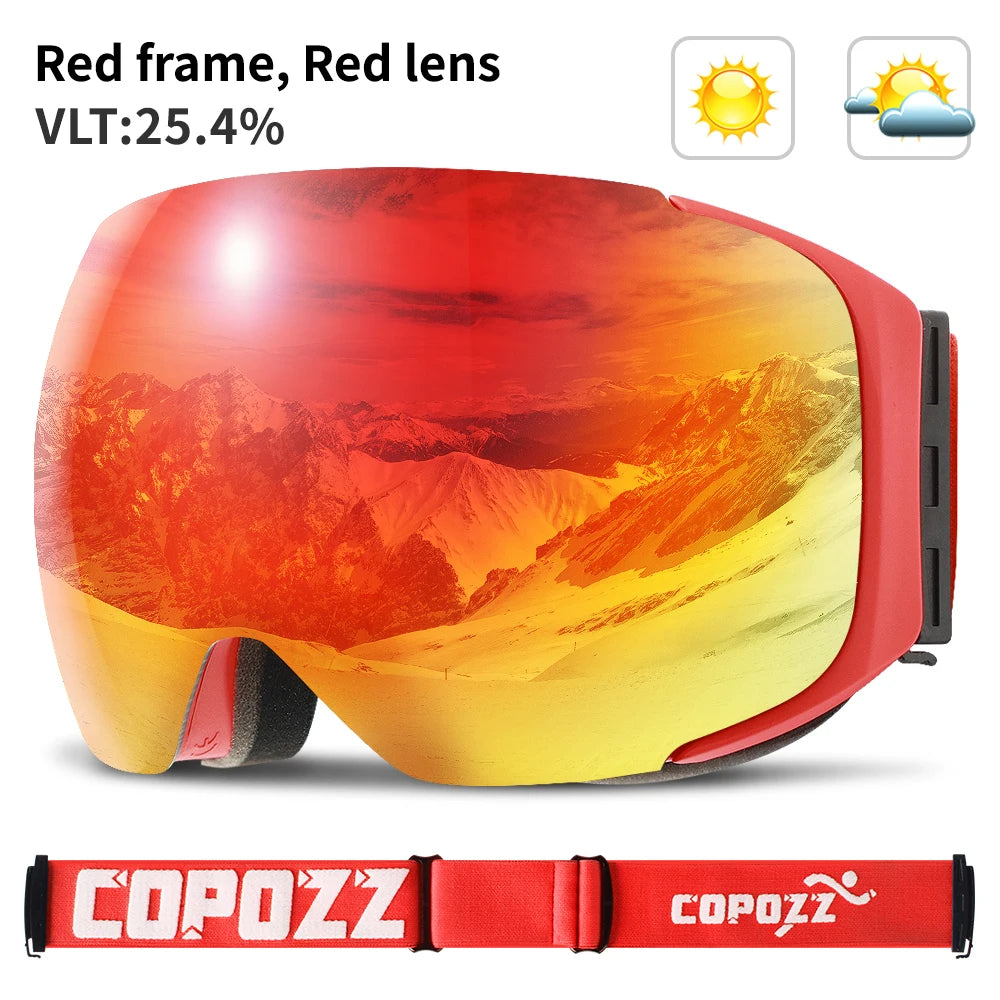
ski goggles replacement foam helps stop wind sensitive eyes and restore comfort 💡 See it in action
When you should replace foam vs. buy new goggles
Not every pair of ski goggles is worth repairing. Before starting a ski goggle foam replacement, check whether your goggles are still structurally sound.
-
Replace the foam if:
- The foam is peeling, cracked, or flattened
- The frame is still rigid and undamaged
- The lens is clear and not scratched or delaminating
-
Buy new goggles if:
- The frame is warped or cracked
- The lens has fogging issues between layers
- The foam is integrated and cannot be removed cleanly
In general, replacing foam is a low-cost fix, but only when the rest of the goggle is still performing properly.
Why ski goggles foam matters for comfort, seal, and visibility
Foam for ski goggles is not just for comfort—it plays a critical role in maintaining a proper seal, airflow balance, and clear vision.
- Seal: Foam prevents cold air from entering and warm air from escaping unevenly
- Comfort: Multi-layer foam cushions pressure points on the face
- Moisture control: Foam absorbs sweat and reduces internal fogging
- Fit stability: Proper foam thickness keeps goggles aligned with your face
When foam breaks down, even high-quality goggles can feel uncomfortable and perform poorly. That’s why ski goggles replacement foam can make a noticeable difference.
5 Clear Signs Your Goggle Foam Needs Replacing
- Cold air leaking in around the nose or cheeks
- Red, irritated eyes after short runs
- Foam peeling, flaking, or staying compressed
- Increased fog despite good ventilation
- Goggles feel loose even with a tight strap
Any one of these signals that ski goggles replacement foam could restore comfort without buying new gear.
Tools and materials needed for ski goggle foam replacement
Before replacing foam on ski goggles, prepare the right tools to ensure a clean and durable result.
- Replacement ski goggle foam (pre-cut or sheet foam)
- Scissors or precision knife
- Isopropyl alcohol or adhesive remover
- Soft cloth or cotton pads
- Contact adhesive or flexible glue
- Masking tape (optional for alignment)
Using the correct adhesive is important. Choose a flexible glue that can handle cold temperatures without becoming brittle.
How to replace ski goggle foam step by step (DIY guide)
Step 1 – Remove old foam safely
Gently peel off the old foam from the frame. Use your fingers or a plastic tool to avoid scratching the surface. Remove all loose pieces.
Step 2 – Clean glue residue completely
Use isopropyl alcohol or adhesive remover to clean off old glue. This step is critical for ensuring the new foam sticks properly.
Step 3 – Cut and test-fit replacement foam
Measure and cut the replacement foam to match the shape of your goggles. Test-fit before applying glue to ensure proper alignment.
Step 4 – Apply adhesive and attach foam
Apply a thin, even layer of adhesive to the frame. Press the foam into place carefully, starting from one side and working across.
Step 5 – Let it cure properly before use
Allow the adhesive to cure fully based on manufacturer instructions. Avoid using the goggles until the foam is securely bonded.
Common problems when replacing foam (and how to fix them)
- Foam won’t stick: Clean residue more thoroughly and use stronger adhesive
- Foam doesn’t fit: Trim gradually and test-fit multiple times
- Uneven pressure on face: Use multi-layer foam or adjust thickness
- Glue visible after install: Apply thinner adhesive layer and press evenly
Taking time during preparation prevents most issues during ski goggles foam replacement.
How to choose the right replacement foam for your face and goggles
Choosing the right replacement ski goggle foam ensures comfort and performance after installation.
- Thickness: Thicker foam improves cushioning but may affect fit
- Density: Soft outer layers with firmer backing provide better support
- Shape compatibility: Match foam shape to your specific goggle frame
- Breathability: Look for foam designed to manage moisture and airflow
| Foam Type | Best For | Benefit |
|---|---|---|
| Single-layer | Short sessions | Lightweight feel |
| Dual-layer | All-day riding | Balanced comfort and seal |
| Triple-layer | Cold, windy conditions | Maximum warmth and moisture control |
If possible, choose foam designed specifically for your goggle model. Universal foam works but may require more trimming and adjustment.
Improve Visibility and Comfort with Better Fit
Replacing foam improves more than comfort—it directly affects visibility. A proper seal stabilizes airflow, reducing fog buildup and glare issues.
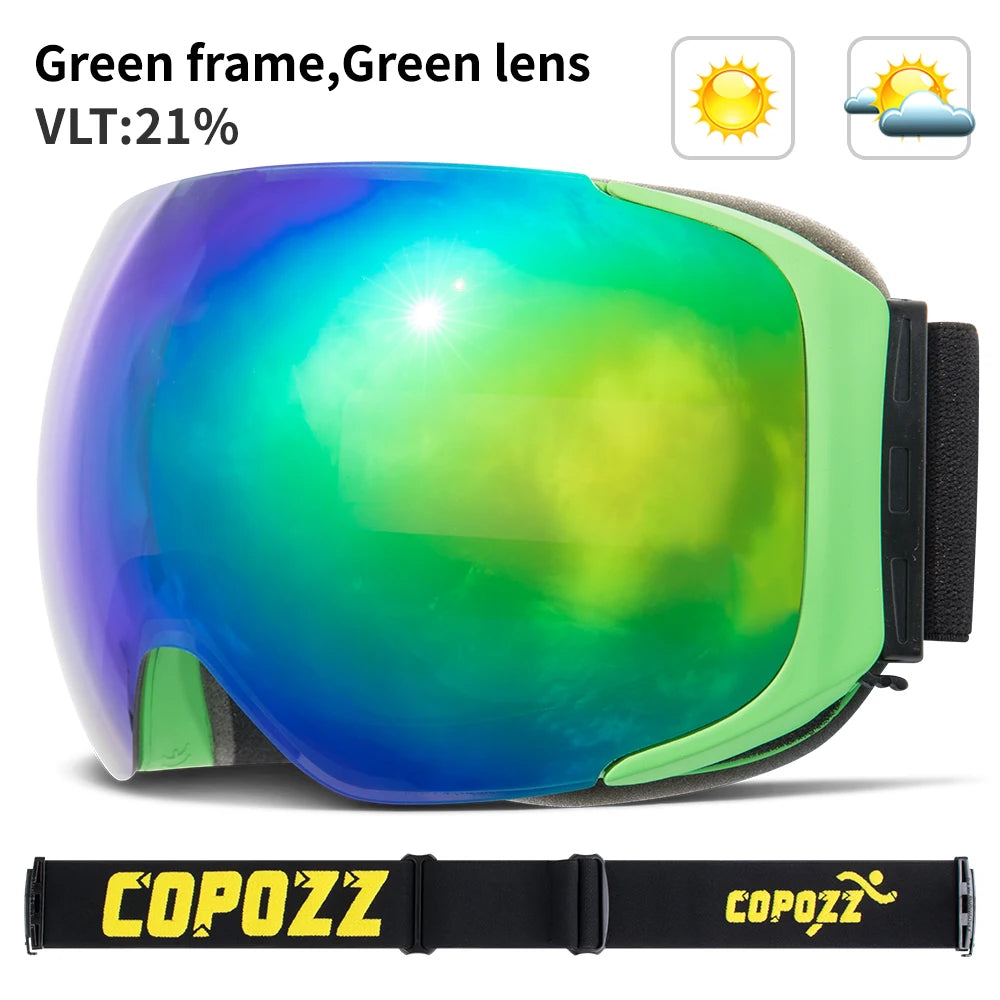
Fresh foam helps prevent wind burn in eyes and boosts clarity 💡 See it in action
- Less eye watering on chairlifts
- Clearer vision on high-speed descents
- More consistent comfort with helmets
- Reduced pressure around nose bridge
For those focused on overall gear wellness, exploring the Lifestyle collection can support comfort beyond the slopes.
Common Foam Replacement Mistakes to Avoid
- Using foam that’s too thin for cold conditions
- Skipping frame cleaning before installation
- Riding immediately without letting adhesive cure
- Ignoring helmet compatibility
A careful install ensures ski goggles replacement foam lasts multiple seasons.
How to Make Replacement Foam Last Longer
- Air-dry goggles fully after each ride
- Avoid storing in damp bags
- Clean sweat residue monthly
- Rotate goggles if you ride frequently
Eye comfort matters on and off the mountain. Riders who struggle with irritation may also benefit from tools in the Eye Care Devices collection.
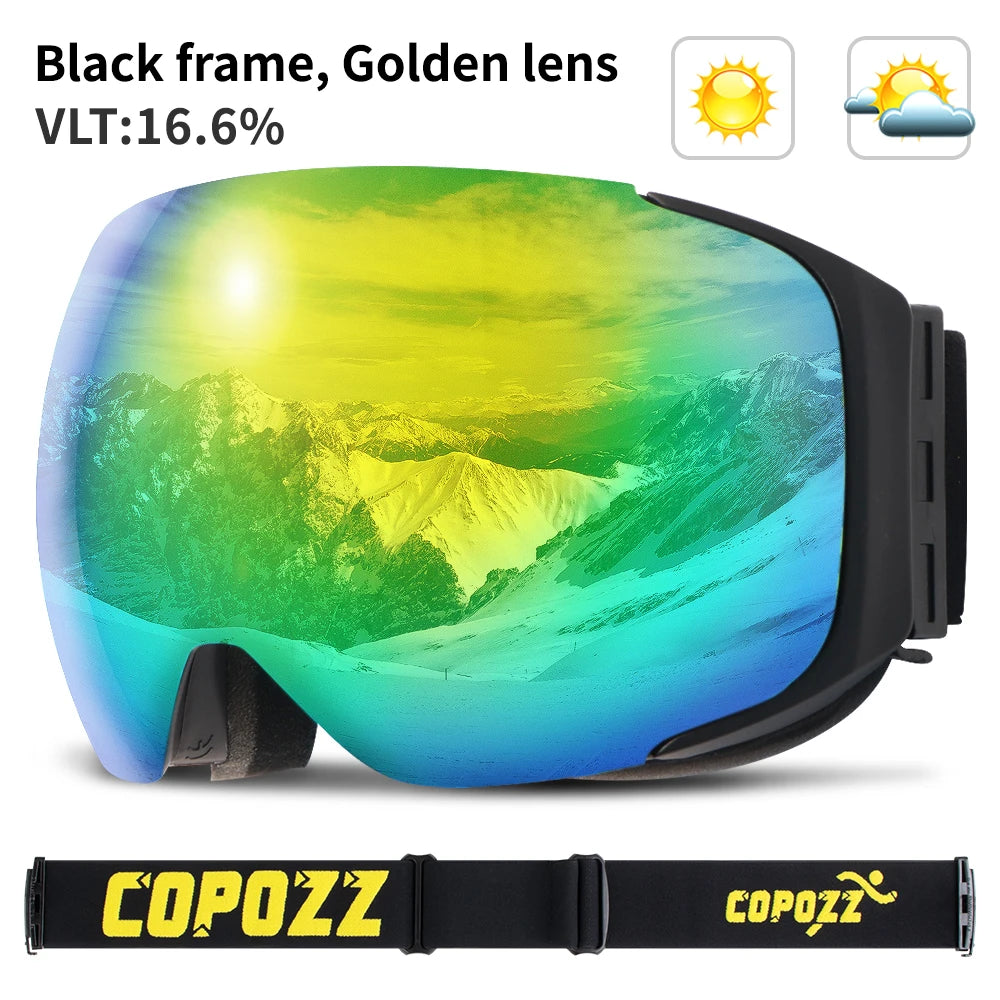
Better seal, better confidence on every run 💡 Upgrade your comfort today
Mini FAQ: Ski goggles replacement foam
Can you replace the foam on ski goggles yourself?
Yes, replacing foam on ski goggles is a simple DIY task if you have the right tools and adhesive.
How long does ski goggle foam replacement last?
New foam typically lasts 1–3 seasons depending on usage and care.
Can replacement foam fix wind burn in eyes?
Yes, properly installed foam improves the seal and helps reduce cold air exposure.
Is replacing foam cheaper than buying new goggles?
Yes, foam replacement is significantly cheaper, but only worth it if the goggles are otherwise in good condition.
Can all ski goggles foam be replaced?
No, some goggles have integrated foam that cannot be removed without damaging the frame.













