

Does a Ski Helmet With Visor Really Work?
A ski helmet with visor combines certified head protection with integrated eye coverage in one system. Modern designs use dual-lens visors, anti-fog coatings, adjustable ventilation, and impact-resistant construction to provide consistent visibility across changing mountain conditions.
Compared with a traditional helmet and goggles setup, an integrated ski helmet goggles system offers faster transitions, fewer pressure points, and better compatibility for many glasses wearers. While separate goggles still provide greater lens customization, visor helmets are an excellent choice for resort skiing, recreational riders, and anyone who values convenience.
- Anti-fog systems: Dual lenses, coatings, and ventilation channels help reduce condensation.
- Ventilation interaction: Helmet vents and visor airflow work together to balance warmth and visibility.
- Lens technology: Available with mirrored, photochromic, polarized, or high-contrast lenses depending on the model.
Ski Helmet With Goggles Review: Real Pros, Cons, and Buyer Verdict
⏱ 7 min read
Cold wind. Blinding glare. Fogged lenses halfway down a run. If you've ever stopped mid-slope to adjust slipping goggles or wipe condensation from your lenses, you're not alone. A ski helmet with goggles promises to simplify your setup—but is an integrated visor actually better than a traditional helmet and goggles combination?
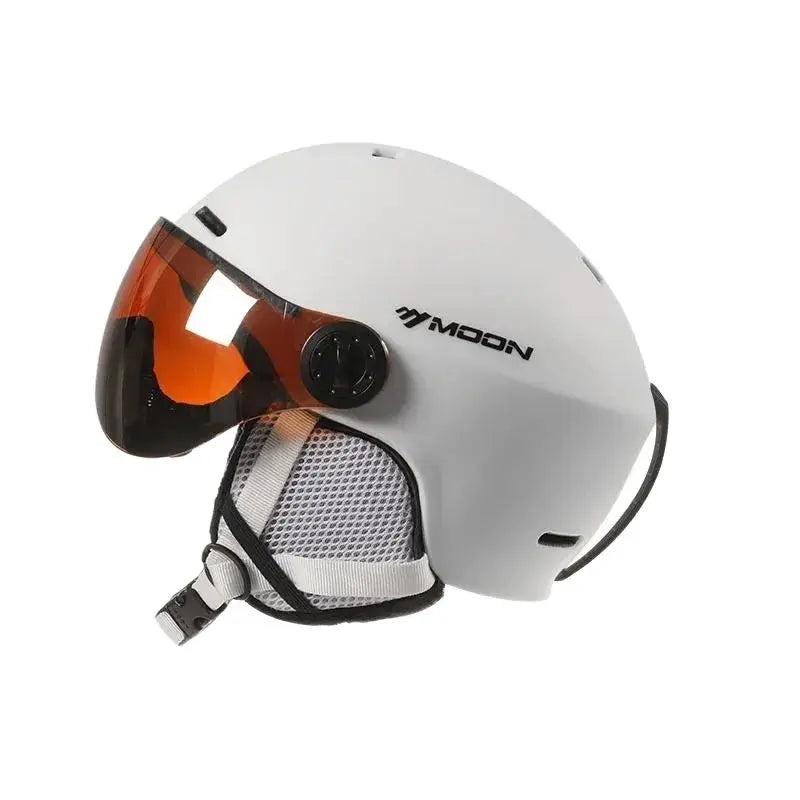
Integrated ski helmet goggles for clear vision and confidence — See it in action
Ski Helmet With Visor Pros and Cons: Is It Worth It?
A ski helmet with visor integrates your helmet and eye protection into one coordinated system. Rather than buying separate components and hoping they fit well together, everything is designed to work as a single unit.
This guide compares integrated ski helmet goggles with traditional helmet and goggles setups, helping beginners, experienced resort skiers, and glasses wearers understand where visor helmets excel—and where conventional goggles still have an advantage.
What Is a Ski Helmet With Visor and How Does It Work?
Integrated visor design
A helmet with goggles attached uses a built-in visor that pivots, slides, or magnetically locks into position in front of your face. Unlike independent goggles secured with an elastic strap, the visor remains attached to the helmet at all times.
Most integrated ski helmet goggles feature:
- Impact-resistant visor lenses
- Double-lens thermal construction
- Anti-fog coatings
- Adjustable ventilation channels
- Easy lift-up operation for breaks and chairlifts
How it differs from helmet and goggles
A traditional helmet and goggles combination offers maximum flexibility because goggles can be swapped for different weather conditions. An integrated helmet with goggles focuses instead on convenience, consistent fit, and reduced pressure around the face.
Ski Helmet With Visor vs Goggles: Side-by-Side Comparison
| Feature | Integrated Visor Helmet | Traditional Helmet and Goggles |
|---|---|---|
| Visibility | Wide panoramic view with minimal frame obstruction | Depends on goggle design |
| Fog Resistance | Very good when ventilation is functioning properly | Highly dependent on helmet-goggle compatibility |
| Comfort | Excellent for many glasses wearers and long resort days | Can create pressure from straps or mismatched fit |
| Lens Changes | Limited on many models | Usually faster and more flexible |
| Maintenance | Visor cleaning and occasional replacement | Separate maintenance for helmet and goggles |
| Overall Convenience | Excellent | Moderate |
If you primarily ski at resorts in changing but predictable weather, integrated visor helmets often provide the easiest ownership experience. Skiers who regularly encounter deep powder, racing conditions, or rapidly changing light may still appreciate the flexibility of interchangeable goggles.
Pros and Cons of Ski Helmets With Visors
Advantages
- Simple setup: Helmet and eye protection are always aligned.
- Comfort: Eliminates tight goggle straps across the face.
- Prescription glasses compatibility: Many visor helmets comfortably fit over everyday glasses.
- Weather protection: Reduced gaps help limit wind and snow intrusion.
- Wide field of view: Large visor designs improve peripheral awareness.
Disadvantages
- Replacement costs: Scratched visors may cost more than replacing standard lenses.
- Limited lens options: Some helmets offer fewer interchangeable tints.
- Slightly heavier: Integrated mechanisms add modest weight.
- Less customization: Advanced skiers may prefer specialized racing or backcountry goggles.
Comfort, Fit, and Prescription Glasses Compatibility
Comfort is one of the biggest reasons skiers switch to integrated helmets. Because the visor replaces a separate goggle strap, pressure is distributed more evenly around the helmet instead of concentrating around the eyes and temples.
Fit tips
- Choose a snug helmet without pressure points.
- Adjust the rear retention dial before closing the chin strap.
- Open ventilation slightly during warmer weather.
- Confirm the visor seals evenly around your face.
Using OTG glasses
Many visor helmets provide additional clearance for prescription glasses, making them more comfortable than traditional over-the-glasses (OTG) goggles. Before purchasing, verify that your frame dimensions fit within the manufacturer's recommended specifications.
Many users report:
- Less need for readjustment
- Stable positioning on rough terrain
- Reduced temple pressure
- Improved comfort during full-day skiing
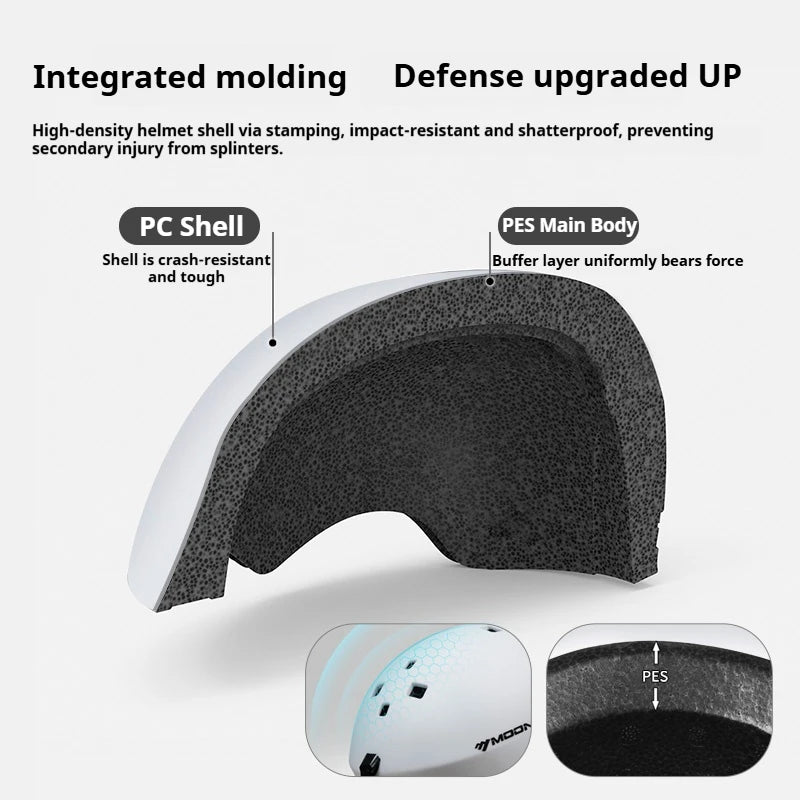
Helmet and goggles combo built for all-day comfort — See it in action
Fog Control, Ventilation, and Visibility
Warm weather
During spring skiing or mild temperatures, adjustable vents become especially important. Proper airflow helps remove warm, moist air before condensation develops.
Cold and storm conditions
In colder weather, integrated visor systems rely on double-lens construction, thermal insulation, and anti-fog coatings to maintain visibility. Heavy wet snowfall can still overwhelm any lens system, so regular clearing and proper ventilation remain important.
- Double-lens construction: Reduces temperature differences that create fog.
- Anti-fog coatings: Help prevent moisture buildup.
- Ventilation channels: Maintain airflow while limiting cold drafts.
- Photochromic and polarized options: Improve visibility in changing light.
Integrated visor helmets generally perform best during resort skiing with mixed sunshine, clouds, and light snowfall. Extreme alpine weather may still favor specialized interchangeable goggles.
Safety, Certifications, and Durability
Impact protection
Choose helmets that meet recognized alpine skiing safety standards. Proper certification confirms the helmet has been tested for impact management appropriate for snow sports.
Scratch resistance
Modern visors feature durable coatings, but scratches remain possible if the helmet is transported without protection or cleaned using abrasive materials.
Replacement visors
Before buying, check whether replacement visors are readily available from the manufacturer. Easy access to replacement lenses can significantly extend the usable lifespan of your helmet.
Best for
- Beginners learning resort skiing
- Casual recreational skiers
- People who wear prescription glasses
- Families seeking convenient equipment
- Skiers who prioritize comfort over customization
Who should stick with goggles
- Backcountry skiers
- Freeride enthusiasts
- Competitive racers
- Anyone who frequently swaps specialized lens tints
Final Verdict: Visor Helmet or Traditional Helmet and Goggles?
A ski helmet with visor offers meaningful advantages for most recreational skiers. Better comfort, fewer adjustments, improved glasses compatibility, and reliable visibility make integrated ski helmet goggles an excellent option for resort use.
Traditional helmet and goggles combinations still provide greater flexibility for experts who regularly change lenses or ski in demanding alpine conditions. For the majority of skiers, however, the convenience and consistent performance of an integrated system outweigh the trade-offs.
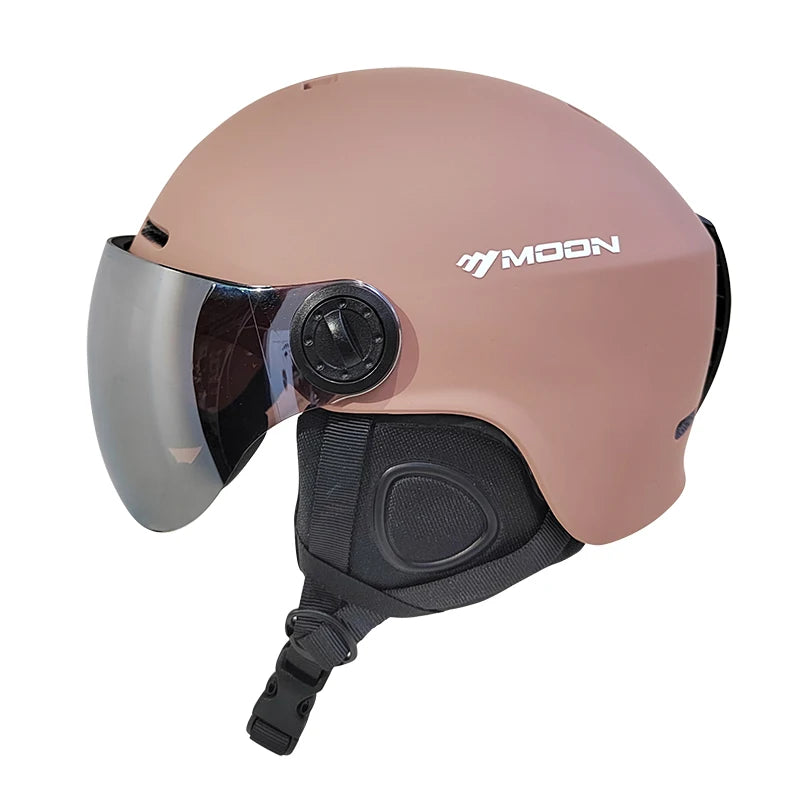
Confidence-ready ski safety gear for your next run — See it in action
Frequently Asked Questions
Are integrated ski helmet goggles safe?
Yes. When properly certified and correctly fitted, integrated ski helmet goggles provide the same level of head protection as traditional ski helmets while delivering dependable eye protection through an attached visor.
Can I wear prescription glasses with a visor helmet?
Many visor helmets are specifically designed to accommodate prescription glasses comfortably. Always verify frame compatibility before purchasing.
Do visor helmets fog less than goggles?
In many situations, yes. Because the visor and helmet are engineered together, airflow is often more consistent, reducing the chance of fog caused by mismatched equipment.
How do I replace or maintain a ski helmet visor?
- Clean only with microfiber cloths and mild soap.
- Avoid paper towels or abrasive cleaners.
- Store the helmet in a protective bag when transporting it.
- Replace heavily scratched visors promptly if replacement parts are available.
- Inspect ventilation openings regularly for debris.
Are ski helmets with visors safer than separate goggles?
Neither system is inherently safer when both are properly fitted and certified. The biggest advantage of visor helmets is consistent alignment and reduced fit issues.
Do visor helmets work well in heavy snow and bad weather?
They perform well in most resort conditions. During heavy wet snowfall or severe storms, some advanced skiers still prefer specialized goggles with interchangeable storm lenses.
Can you replace a scratched ski helmet visor?
Many manufacturers sell replacement visors, although availability varies by model. Check replacement options before purchasing your helmet.
Why do some skiers still prefer traditional goggles?
Traditional goggles offer greater flexibility, wider lens choices, and easier upgrades for racing, backcountry travel, and specialized weather conditions.
Are visor helmets heavier than standard ski helmets?
Usually yes, but the difference is typically modest and rarely noticeable during normal resort skiing.













