

Air Drying Clothes Makes Them Stiff: Causes, Fixes, and Faster Drying Solutions
Why Do Air Dried Clothes Feel Stiff? (Quick Answer)
Air drying clothes makes them stiff because fabric fibers can become rigid as moisture evaporates without the movement and airflow provided by a dryer. When clothes dry in one fixed position, fibers may cling together, while leftover detergent, fabric softener, or hard water minerals can create a rough or crunchy texture.
The most common reasons why do air dried clothes feel stiff include slow evaporation, high humidity, mineral buildup, excess laundry products, and the natural structure of certain fabrics. Cotton towels, heavy garments, and thick materials are especially likely to feel stiff after air drying.
Improving airflow, reducing residue, and adjusting your washing and drying routine can help prevent stiff laundry air dry problems while keeping fabrics comfortable and fresh.
What Causes Stiff Laundry When Air Drying?
Lack of Movement (No Tumbling Effect)
One major reason air drying clothes makes them stiff is the lack of mechanical movement. A tumble dryer repeatedly lifts, drops, and separates fabrics during drying, which helps loosen fibers and maintain softness.
With air drying, clothes remain still on a rack, line, or hanger. As water leaves the fabric, fibers can settle together and dry in a more compressed position. This is especially noticeable with thicker fabrics that hold more moisture and take longer to dry.
Mineral Residue From Hard Water
Hard water can contribute to stiff laundry by leaving behind mineral deposits after washing. Minerals such as calcium and magnesium may remain on fabric fibers after water evaporates, creating a rougher surface that feels less flexible.
If your clothes feel stiff even when drying conditions seem good, hard water may be part of the problem. Removing mineral buildup and adjusting laundry habits can help improve softness and prevent stiff laundry air dry issues.
Detergent and Fabric Softener Residue
Using too much detergent or fabric softener can leave behind residue that coats fabric fibers. Instead of making clothes softer, excess product buildup may reduce flexibility and create a heavier, less breathable feel after air drying.
Residue problems are more common when washing heavily soiled loads, using concentrated products, or washing with insufficient rinsing. Following proper detergent amounts and cleaning your washing machine regularly can help maintain softer fabrics.
Humidity and Slow Drying Conditions
Air drying clothes humidity problems often occur when moisture cannot escape quickly enough. In humid rooms or during rainy weather, water evaporates more slowly, keeping fabrics damp for longer periods.
Slow drying gives residues more time to remain on fibers and allows fabrics to dry in a stiffened state. Improving ventilation, increasing airflow, and reducing moisture buildup can make a noticeable difference in drying performance.
Fabric Type and Fiber Structure
Different fabrics react differently during air drying. Natural fibers such as cotton and linen absorb more water and may become firmer as they dry because their fibers contract slightly during evaporation.
Thick towels, denim, bedding, and heavyweight cotton items usually need extra airflow and spacing to stay soft. Synthetic fabrics often dry faster and may feel less stiff because they absorb less moisture.
⏱ 9 min read — If you have ever checked a drying rack and wondered why your clothes are still damp, rough, or stiff, you are not alone. Slow air drying can affect fabric comfort, extend laundry time, and increase the chance of musty odors when moisture remains trapped indoors. Understanding the causes is the first step toward softer clothes and faster drying results.
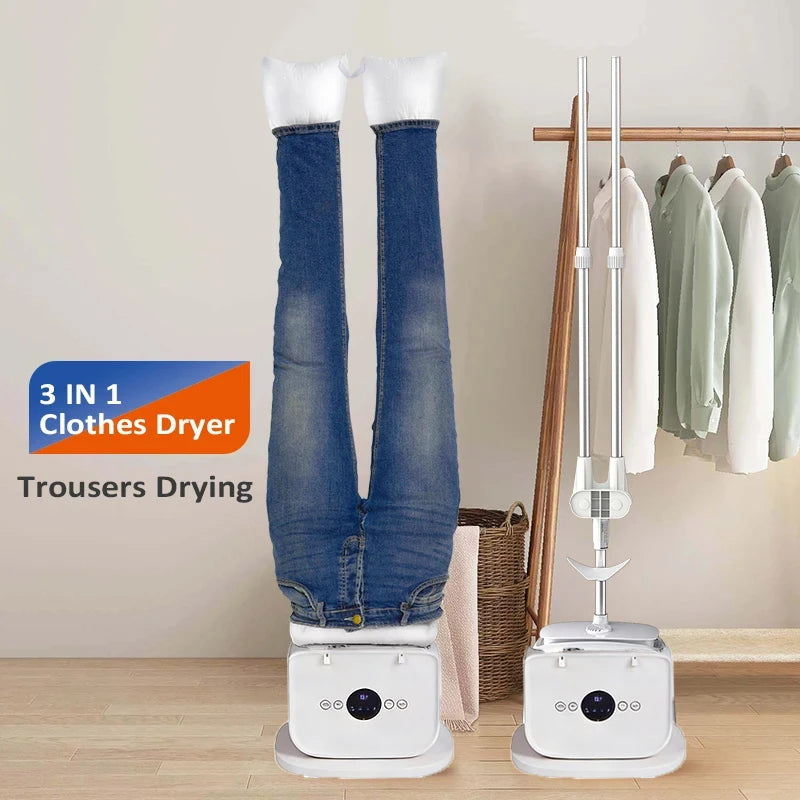
slow air drying clothes & drying clothes in rainy season — See it in action
Why Air Drying Clothes Takes Long (And Why It Causes Stiffness)
Air drying clothes takes long when evaporation slows because of limited airflow, low temperatures, high humidity, or tightly packed fabrics. When moisture stays inside fibers for an extended period, fabrics have more time to dry into a firmer shape, which can create the stiff texture many people notice after air drying.
The speed of drying depends on how quickly water can move from fabric into the surrounding air. Good ventilation, warmer air, and proper spacing help moisture escape faster, while crowded drying racks and enclosed rooms slow the process.
Slow drying increases:
- Residue buildup from detergent, fabric softener, and minerals left behind after evaporation
- Fiber stiffness as fabrics remain compressed while drying
- The rough or “crunchy” texture often associated with indoor air drying
Finding ways to improve air drying speed clothes not only reduces drying time but also helps maintain softer fabrics and prevent stiff laundry when air drying.
How Controlling Humidity Cuts Dry Times Fast
Indoor clothes drying becomes much slower when moisture has nowhere to escape. High humidity reduces the air’s ability to absorb additional moisture, which means water remains trapped in fabrics longer. This is why air drying clothes humidity problems are common during rainy seasons, in small rooms, or in spaces with limited ventilation.
When drying clothes indoors, managing humidity is just as important as improving airflow. A room filled with damp laundry can quickly become more humid, slowing evaporation and increasing the chance of stiff, musty-smelling fabrics.
Why humidity matters for faster drying
Higher humidity reduces the difference between wet fabric and surrounding air, making evaporation less efficient. Clothes may feel cool or damp for hours because moisture is leaving the fibers much more slowly.
- High indoor humidity slows moisture evaporation from fabrics
- Closed rooms trap water vapor released during drying
- Condensation around windows can indicate excess moisture
- Rainy weather creates challenging conditions for indoor laundry drying
Keeping indoor humidity balanced helps clothes dry more evenly and reduces the conditions that lead to stiffness.
Simple ways to improve airflow indoors
Improving air movement is one of the easiest indoor clothes drying solutions . You do not always need major changes—small adjustments can help moisture leave fabrics faster.
- Use a fan: Position a fan to circulate air around hanging clothes instead of only blowing at one spot.
- Increase ventilation: Open doors or windows when outdoor conditions allow fresh air exchange.
- Reduce rack overcrowding: Leave space between garments so air can move around each item.
- Consider moisture control tools: In consistently humid rooms, dehumidifiers or air conditioning can help create better drying conditions.
Combining airflow improvements with proper garment spacing can significantly improve air drying speed clothes and make indoor drying more efficient throughout the year.
How to Soften Air Dried Clothes (Step-by-Step Fixes)
Before Drying: Wash Adjustments That Prevent Stiffness
The best way to how to soften air dried clothes is to prevent stiffness before fabrics reach the drying rack. Laundry habits during the wash cycle directly affect how flexible and comfortable clothes feel after drying.
- Use the correct amount of detergent — Excess detergent can leave residue that coats fibers and makes fabrics feel stiff after air drying.
- Reduce mineral buildup — For homes with hard water, using appropriate laundry care methods can help limit deposits that make clothes feel rough.
- Use an effective rinse cycle — Thorough rinsing helps remove leftover detergent and product residue before drying.
- Remove excess water before hanging — A proper spin cycle helps reduce drying time without leaving fabrics overloaded with moisture.
During Drying: Techniques That Keep Fabric Soft
How clothes are placed on a rack or line can determine whether they dry soft or become rigid. Proper airflow and gentle handling help prevent stiff laundry air dry problems.
- Shake clothes before hanging — Loosening fibers before drying helps garments maintain a softer texture.
- Space items apart — Avoid overlapping fabrics so air can circulate around each piece.
- Hang heavier items correctly — Spread towels, jeans, and thick fabrics evenly to prevent areas from staying damp longer.
- Reposition garments while drying — Turning or adjusting items improves airflow and promotes more even evaporation.
After Drying: How to Fix Stiff Clothes Quickly
If fabrics already feel rough after drying, there are several ways to restore flexibility. These methods can help with how to fix stiff clothes after air drying without completely rewashing the load.
- Shake and stretch fabrics gently — Manual movement can help separate fibers that dried together.
- Use a short dryer finish if available — A brief tumble cycle can recreate some of the movement that air drying lacks.
- Lightly mist and reshape — Adding a small amount of moisture can help relax fibers before wearing or folding.
How to Speed Up Indoor Drying With Real-World Techniques
The best way to air dry clothes indoors is to create conditions that help moisture escape quickly. Better airflow, smart rack placement, and moisture control can reduce drying time while helping fabrics stay softer.
- Space clothes evenly — Fabrics need room around them for air circulation. Crowded racks trap moisture and slow evaporation.
- Use moving airflow — A fan can improve circulation around drying clothes and help moisture leave fabric faster.
- Place drying racks strategically — Keep racks away from tight corners and position them where air can move freely.
- Use hangers for heavier items — Jackets, shirts, and jeans often dry faster when they hang with more surface area exposed.
- Control indoor moisture — Ventilation, air conditioning, or humidity control tools can make indoor drying more efficient.
These indoor clothes drying solutions are especially useful for apartments and smaller homes where ventilation is limited. If space is tight, consider lightweight racks that match your home’s aesthetic. Apartment shoppers often browse Lifestyle collections for airflow-focused home items that make indoor drying less of a hassle.
Best Way to Air Dry Clothes Indoors (By Situation)
Small Apartments / No Ventilation
The best way to air dry clothes indoors in a small apartment is to maximize airflow while preventing moisture from collecting in one area. Limited space can slow evaporation, especially when drying racks are placed against walls, inside corners, or crowded rooms.
- Place drying racks near windows, doors, or areas with natural air movement when possible.
- Use a fan to circulate air around garments and reduce trapped humidity.
- Avoid placing wet clothes in closets, bathrooms without ventilation, or enclosed corners.
- Leave space between garments so air can reach all fabric surfaces.
These simple indoor clothes drying solutions help reduce drying time and lower the chance of stiff fabrics caused by slow evaporation.
Rainy Season Drying Tips
Drying clothes in rainy season can be challenging because outdoor humidity is already high, making it harder for moisture to leave fabrics. During wet weather, focus on creating a controlled indoor drying environment.
- Increase airflow with fans or ventilation whenever possible.
- Use air conditioning or dehumidifying options to reduce excess moisture.
- Avoid drying too many loads at the same time in one small room.
- Move clothes away from damp areas where moisture can accumulate.
Managing humidity during rainy periods helps clothes dry more evenly and prevents the damp, stiff feeling that often comes with slow indoor drying.
Cold or Humid Climates
In colder or consistently humid climates, lower temperatures and moisture-heavy air can significantly slow evaporation. To improve results, choose warmer indoor locations with better circulation instead of leaving laundry in unused spaces.
- Dry clothes in rooms with stable temperatures and good airflow.
- Avoid overcrowding drying racks, especially with thick fabrics like towels and denim.
- Rotate or reposition garments if one side remains damp longer.
- Combine airflow improvements with moisture control for faster drying.
Small environmental changes can make a noticeable difference when air drying clothes in challenging climates while helping fabrics stay softer.
Quick Tips to Prevent Stiff Laundry When Air Drying
Small changes to your laundry routine can help prevent stiff laundry air dry problems and keep fabrics feeling more comfortable. Use this checklist whenever you air dry clothes:
- Shake clothes before hanging — Loosen fibers and remove fabric compression before drying begins.
- Use the right amount of detergent — Avoid excess product buildup that can make fabrics feel rough.
- Improve airflow — Use fans, ventilation, or better rack placement to help moisture escape.
- Avoid overcrowding drying racks — Leave space between items so air can circulate evenly.
- Dry in lower-humidity conditions — Choose well-ventilated areas whenever possible.
- Clean laundry equipment regularly — Maintaining your washing machine helps reduce residue that can transfer to fabrics.
FAQ: Air Drying Clothes and Stiffness
How do you soften clothes after air drying?
To soften air dried clothes, shake and gently stretch the fabric after drying to help separate fibers. A short tumble cycle can also restore some softness by adding movement. Adjusting washing habits, reducing residue, and improving airflow can help prevent stiffness in future loads.
Why do clothes feel stiff after drying indoors?
Indoor drying often causes stiffness because airflow may be limited and humidity can slow evaporation. When moisture leaves fabrics slowly, fibers may dry in a fixed position and feel firmer. Poor ventilation, detergent residue, and mineral buildup can make the problem more noticeable.
Does air drying damage clothes?
No, air drying is generally gentler on clothing than high-heat machine drying. It can help protect fabrics from excessive heat exposure, but poor drying conditions may leave clothes feeling stiff or less flexible.
What fabrics get stiff the most?
Cotton, towels, linen, and other absorbent natural fibers often become stiff because they hold more water and have a stronger fiber structure that changes as they dry. Thick materials usually need more airflow and spacing to stay soft.
Does hard water make clothes stiff?
Yes, hard water can contribute to stiff laundry by leaving behind minerals such as calcium and magnesium. These deposits can build up on fibers over time, making fabrics feel rough or less flexible after air drying.
Is vinegar better than fabric softener for air drying?
Vinegar is commonly used by some households as a laundry rinse option to help reduce certain residues, while fabric softeners work by coating fibers to change how fabrics feel. The best choice depends on your laundry needs, fabric type, and washing routine. Using too much of any laundry product can contribute to buildup.
Why do air dried clothes feel stiff even after using fabric softener?
Clothes may still feel stiff after using fabric softener if the main issue is slow drying, high humidity, hard water minerals, or excess product buildup. Softness depends on both washing and drying conditions, not only the products added during laundry.
Is indoor air drying worse than outdoor drying?
Indoor air drying is not always worse, but it can take longer when ventilation and humidity control are limited. Outdoor drying often benefits from natural airflow, while indoor drying may require fans, ventilation, or moisture control to achieve similar results.
How can I soften towels without using a dryer?
You can soften towels without a dryer by washing with the correct amount of detergent, preventing residue buildup, shaking towels before hanging, and allowing enough airflow during drying. Avoid tightly folding or stacking towels before they are completely dry.
Why do clothes dry slowly during the rainy season?
Clothes dry slowly during rainy seasons because outdoor humidity is higher, reducing how quickly moisture can evaporate from fabric. Better ventilation, airflow, and indoor moisture control can help speed up drying.
What's the fastest way to air dry clothes indoors?
The fastest way to air dry clothes indoors is to combine proper spacing, strong airflow, good ventilation, and moisture control. Place garments where air can move around them and avoid overcrowding drying racks.
Does vinegar really soften clothes?
Vinegar may help reduce certain residues in laundry when used appropriately, which can make fabrics feel less stiff for some households. However, softness also depends on water quality, detergent use, fabric type, and drying conditions.
Which fabrics become stiff most easily when air dried?
Absorbent fabrics such as cotton towels, heavy cotton clothing, and linen are more likely to feel stiff after air drying. These materials benefit from extra airflow, proper spacing, and gentle handling before and after drying.
If you want to explore complementary tools for maintaining comfort and healthy living environments, many shoppers browse Body Care and Health Devices as part of their routine, along with Lifestyle picks for compact home organization.
Related Guide: Indoor Heated Air Clothes Drying Honest Review and Results













