

Does air drying clothes in an apartment really work?
Quick answer
Yes. Air drying clothes in an apartment works well when you maximize airflow, reduce indoor humidity, and leave enough space between garments. Most everyday clothing dries within 6–24 hours, while thicker fabrics such as towels and denim may take longer.
How indoor air drying works
Air drying relies on evaporation. Water leaves the fabric faster when fresh air circulates around every surface and the surrounding air isn't already saturated with moisture. Even in a small apartment, opening a window, running an exhaust fan, or using a portable fan can dramatically improve drying performance.
Typical drying times
- Light synthetic clothing: 3–6 hours
- T-shirts and cotton tops: 6–10 hours
- Jeans: 12–24 hours
- Bath towels: 12–24 hours
- Wool sweaters: 12–24+ hours depending on thickness
How to Air Dry Clothes in an Apartment (Fast, Odor-Free, Space-Smart Guide)
Air drying clothes in an apartment doesn't have to mean damp corners, wrinkled shirts, or waiting days for laundry to finish. Whether you live in a studio, high-rise flat, or rental without a balcony, a few simple habits can help clothes dry faster while reducing humidity, preventing musty odors, and saving valuable floor space.
⏱ 6 min read
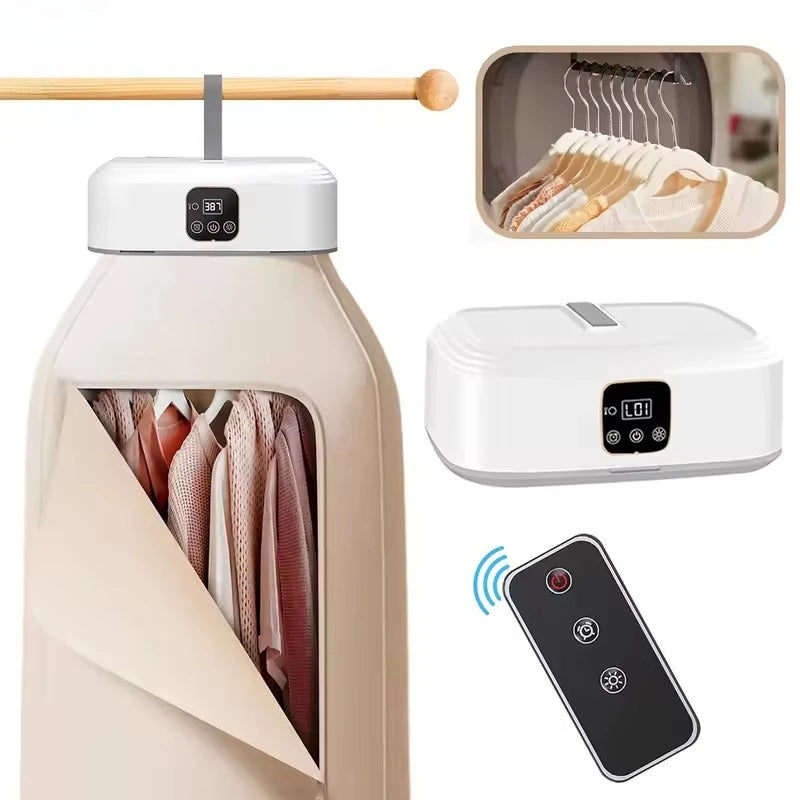
Smart setup for small apartment laundry drying — See it in action
Why Drying Clothes Indoors Is Hard in Apartments
Drying clothes in an apartment is less about the size of your home and more about how moisture moves through the space. Limited ventilation, crowded layouts, and higher indoor humidity all slow evaporation.
Limited airflow and trapped humidity
Without consistent air movement, moisture released from clothing remains in the room. As humidity rises, evaporation slows, increasing drying times and making damp odors more likely.
Space constraints
Small apartments often require drying racks to fit into narrow walkways or corners. Crowded garments restrict airflow, leaving pockets of moisture between fabrics.
Condensation and mold risks
Repeated indoor drying without ventilation can contribute to condensation on windows and cool walls. Opening a window, running an exhaust fan, or reducing humidity helps protect both clothing and your living space.
Step-by-Step: How to Air Dry Clothes in an Apartment
If you're wondering how to air dry clothes in an apartment efficiently, follow this complete workflow.
Step 1: Spin out as much water as possible
Use your washing machine's highest safe spin cycle before hanging clothes. Removing excess water at this stage can shorten drying time by several hours.
Step 2: Choose the best drying location
Select an area with natural airflow, such as beside an open window, near a balcony door, or in a ventilated bathroom. Avoid enclosed closets or stagnant corners.
Step 3: Space garments for airflow
Leave several centimeters between each item. Hang shirts by the shoulders, spread towels fully open, and avoid layering garments over one another.
Open windows whenever weather allows, use extractor fans during and after showers, or run a dehumidifier if your apartment regularly feels damp.
Step 5: Check for complete dryness
Before folding or storing clothing, feel thicker seams, waistbands, pockets, and cuffs. Even if the outer fabric feels dry, hidden moisture can create mildew or unpleasant odors inside wardrobes.
Many apartment dwellers pair these habits with a portable drying solution that folds away when not in use.
Best Places to Dry Clothes in an Apartment
The location you choose affects both drying speed and indoor humidity.
Near windows
Fresh outdoor air helps carry moisture away from fabrics. Position a drying rack close enough to benefit from airflow while avoiding direct rain or excessive sunlight that may fade delicate fabrics.
Bathroom with ventilation
A bathroom equipped with an exhaust fan can handle moisture effectively. Run the fan while clothes dry to reduce humidity buildup.
Balcony or laundry area
If your apartment includes a covered balcony or shared laundry area, these spaces usually provide better ventilation while keeping indoor living areas uncluttered.
Living room
An open living room often offers better airflow than bedrooms. Place the rack where air can circulate around every side without blocking daily movement.
Places to avoid
Avoid wardrobes, enclosed bedrooms, and unventilated corners. These locations trap moisture, slow evaporation, and increase the chance of musty-smelling laundry.
How Long Different Fabrics Take to Dry Indoors
Different materials absorb and release moisture at different rates.
Cotton
Most cotton clothing dries in 6–10 hours with good airflow, although heavier sweatshirts take longer.
Denim and towels
Dense fabrics typically require 12–24 hours. Hanging them separately with plenty of surrounding space speeds up drying.
Athletic wear
Synthetic performance fabrics usually dry within 3–6 hours because they retain less water than natural fibers.
Wool and delicates
Lay delicate garments flat on a drying rack or mesh surface to help them maintain their shape while drying evenly.
Fabric-Specific Air Drying Tips
Cotton
Shake garments before hanging to reduce wrinkles and improve airflow through the fabric.
Wool
Lay sweaters flat rather than hanging them, which can stretch the shoulders.
Denim
Turn jeans inside out and hang them by the waistband so thicker seams receive better airflow.
Delicates
Use padded hangers or flat drying racks to preserve shape and reduce fabric stress.
Synthetic fabrics
These materials dry quickly but should be kept away from direct heaters to prevent unnecessary heat exposure.
How to Dry Clothes Faster in a Flat or Small Apartment
You don't need a tumble dryer to reduce drying times. Focus on improving the environment around your laundry.
Optimize airflow
A gentle cross breeze created by opening two windows or combining a window with a fan removes moisture continuously.
Use fans safely
Position a standing or oscillating fan to blow across—not directly into—a drying rack. Continuous air movement is more effective than high heat.
Use a dehumidifier
In humid climates or during rainy seasons, lowering indoor humidity often speeds drying more than increasing temperature.
Seasonal adjustments
During winter, dry clothes in the warmest well-ventilated room. During summer, take advantage of natural airflow early in the day while avoiding excessive humidity during storms.
Common Mistakes When Drying Clothes Indoors
Overcrowding
Too many garments on one rack prevent air from reaching every surface.
Poor ventilation
Keeping windows closed and fans off allows humidity to accumulate, slowing evaporation.
Using excessive heat
Placing clothing directly against portable heaters or radiators can damage some fabrics and create unnecessary safety risks.
Leaving clothes slightly damp
Folding or storing clothing before it is completely dry often causes mildew, stale smells, and repeated rewashing.
Smart Tools That Make Indoor Air Drying Easier
Simple accessories can improve drying efficiency without permanently occupying valuable apartment space.
Foldable racks provide balanced airflow while storing away easily after use.
A compact fan keeps air circulating and reduces drying time for everyday laundry.
Dehumidifiers
These are especially useful in humid apartments where moisture tends to linger.
Moisture absorbers
Passive moisture absorbers can help in wardrobes or small rooms where humidity occasionally builds up.
- Foldable drying racks for flexible placement
- Hangers to improve airflow between garments
- Clip hangers for socks and small items
- Fans to boost air circulation
- Dehumidifiers for humid environments
These tools support faster drying without taking up permanent space in your apartment. You can also explore compact options in the Lifestyle collection.
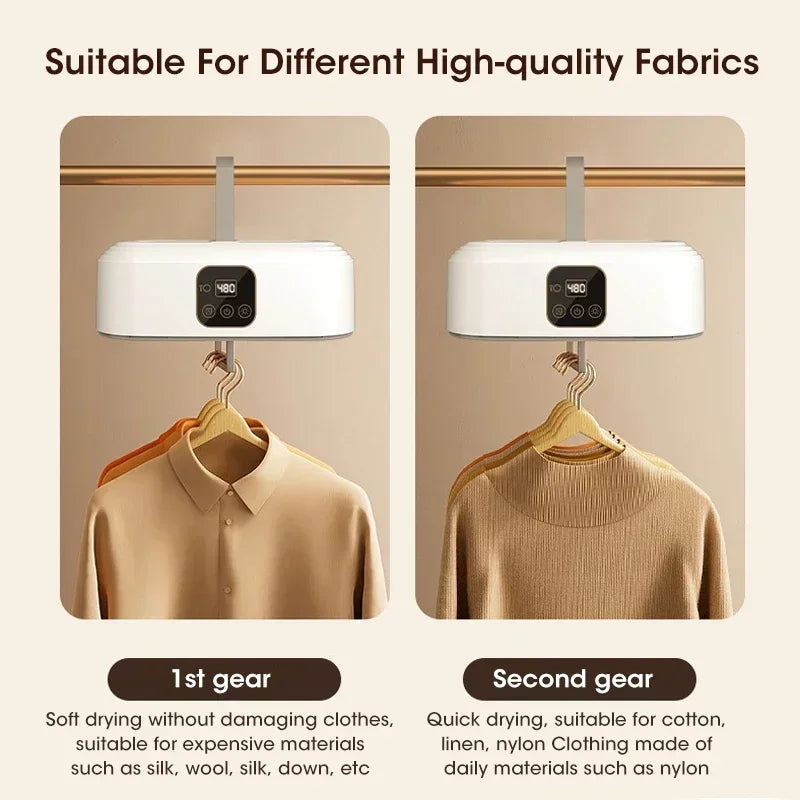
Portable dryer for apartment routines — See it in action
A Simple Daily Drying Routine That Works
Consistency beats power. A simple daily routine prevents laundry pileups and keeps fabrics fresh.
- Wash smaller loads more frequently.
- Hang items with space between sleeves and pant legs.
- Use a mini portable clothes dryer for thicker items.
- Confirm garments are fully dry before folding.
- Store clothes immediately to reduce wrinkles and clutter.
This approach keeps your apartment organized and your clothes consistently fresh.
Indoor Drying Methods Compared
| Method | Best for | Advantages | Limitations |
|---|---|---|---|
| Drying rack | Daily mixed loads | Excellent airflow, easy to fold away | Requires floor space while in use |
| Hangers | Shirts and dresses | Saves space and reduces wrinkles | Can become crowded |
| Hybrid approach | Families and larger loads | Fast drying with flexible layouts | Needs careful organization |
For most apartments, a hybrid setup offers the best combination of drying speed, flexibility, and efficient use of limited space.
Real Apartment Setups (Small Space Examples)
- Studio apartment: Place a foldable rack beside a window with a fan creating cross ventilation.
- One-bedroom apartment: Dry everyday clothing in the living room while using the bathroom exhaust fan for towels.
- Shared apartment: Schedule smaller laundry loads to avoid overcrowding shared drying areas.
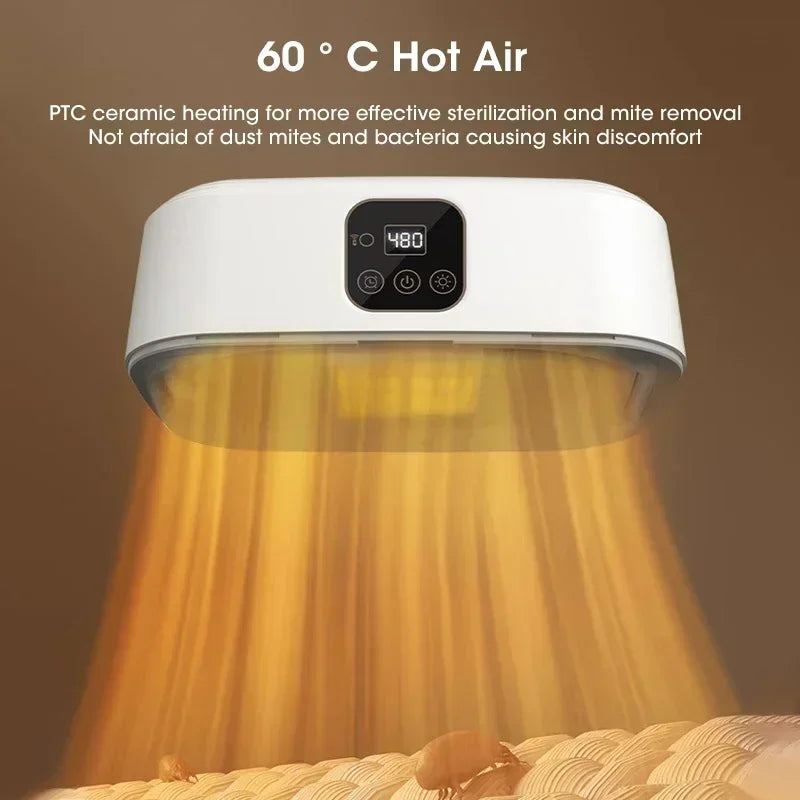
Mini portable clothes dryer for daily loads — See it in action
Quick FAQs About Drying Clothes in an Apartment
How long does it take to air dry clothes indoors?
Light clothing typically dries within 3–10 hours, while jeans, towels, and thick fabrics often require 12–24 hours depending on humidity and airflow.
Is drying clothes indoors bad for apartments?
No. It is generally safe as long as humidity is managed through ventilation, fans, or a dehumidifier to reduce condensation and mold risk.
What is the fastest way to dry clothes in a flat?
Use a high spin cycle, space garments apart, improve airflow with a fan, and lower indoor humidity.
Where should I not dry clothes in an apartment?
Avoid enclosed closets, poorly ventilated bedrooms, and tight corners where air circulation is minimal.
Do clothes smell if dried indoors?
Only when moisture remains trapped for too long. Good airflow and completely drying garments before storage prevent musty odors.
Related Guide: No Space for Dryer Solutions That Actually Fit Your Home













