

Best Lumbar Traction Machine for Home Use (2026 Guide)
Quick Comparison: Best Lumbar Traction Machines at a Glance
Finding the best lumbar traction machine for home use starts with understanding how each type of device works. Some provide automated spinal decompression with minimal effort, while others rely on manual stretching or gravity-assisted positioning. The right choice depends on your symptoms, comfort preferences, available space, and budget.
Comparison Table (Types, Features, Best For)
| Device Type | Primary Features | Best For | Typical Price |
|---|---|---|---|
| Smart / Electric Lumbar Traction Massager | Adjustable air pressure, automated traction cycles, consistent decompression | Daily home use, convenience, regular back care | $$–$$$ |
| Manual Traction Device (Belts / Inflatable) | User-controlled stretching, lightweight, portable | Budget-conscious users and occasional use | $ |
| Stretch Boards | Fixed-angle spinal stretching and flexibility exercises | Light decompression and mobility training | $–$$ |
| Inversion Tables | Gravity-assisted spinal decompression | Full-body inversion therapy | $$–$$$$ |
Each lumbar traction machine offers different levels of intensity, control, and comfort. Electric models emphasize repeatable sessions with minimal setup, while manual devices appeal to users looking for a simple, low-cost way to stretch the lower back. Inversion tables generally provide the strongest decompression but require more space and may not be appropriate for everyone.
Buyer Decision Matrix
| If You Want... | Recommended Option |
|---|---|
| Simple daily routines with consistent traction | Smart or electric lumbar traction massager |
| The lowest upfront cost | Manual inflatable traction belt |
| A portable back traction machine at home | Compact pneumatic or inflatable device |
| Greater spinal stretching using body weight | Inversion table |
| Gentle flexibility and mobility exercises | Stretch board |
For most people searching for the best lumbar traction device for home, an adjustable electric model offers the easiest balance of comfort, consistency, and convenience. Users who only need occasional stretching may find a manual solution sufficient, while those seeking stronger decompression often consider inversion systems.
Does Lumbar Traction Work? Evidence, Benefits, and Limitations
What Research Says
Clinical research suggests that lumbar traction may provide short-term relief for certain people with lower back pain, particularly when symptoms are associated with nerve compression or disc-related conditions. Results vary between individuals, and traction is generally considered one component of a broader treatment plan rather than a standalone cure.
The primary goal of lumbar traction is to temporarily reduce pressure on spinal structures by gently separating the vertebrae. This may help decrease irritation around compressed nerves, improve movement, and reduce feelings of stiffness in some users.
Who Benefits Most
Many people choose a home lumbar traction device to help manage:
- Herniated or bulging discs
- Sciatica and nerve-related discomfort
- Chronic lower back stiffness
- Muscle tightness after prolonged sitting
- Reduced flexibility caused by sedentary lifestyles
Smart lumbar traction massagers help deliver controlled, repeatable traction sessions with adjustable pressure, making it easier to maintain a consistent routine than many manual stretching methods.
When Traction May Not Help
Although lumbar traction device benefits can be meaningful for some people, results are not universal. Individuals with severe spinal instability, fractures, certain inflammatory conditions, or unexplained back pain should seek medical guidance before beginning traction therapy. If symptoms worsen during use, discontinue treatment and consult a qualified healthcare professional.
Smart Lumbar Traction Massager Compared to Manual Options
Back stiffness after long hours at a desk. Morning tightness that won't fade. The frustration of trying stretches, belts, or rigid frames with mixed results. If you're comparing a modern smart lumbar traction machine with traditional manual devices, understanding how each works can help you choose the option that best supports your daily comfort routine.
⏱ 7 min read
Which option actually fits your lifestyle and comfort goals? Read on.
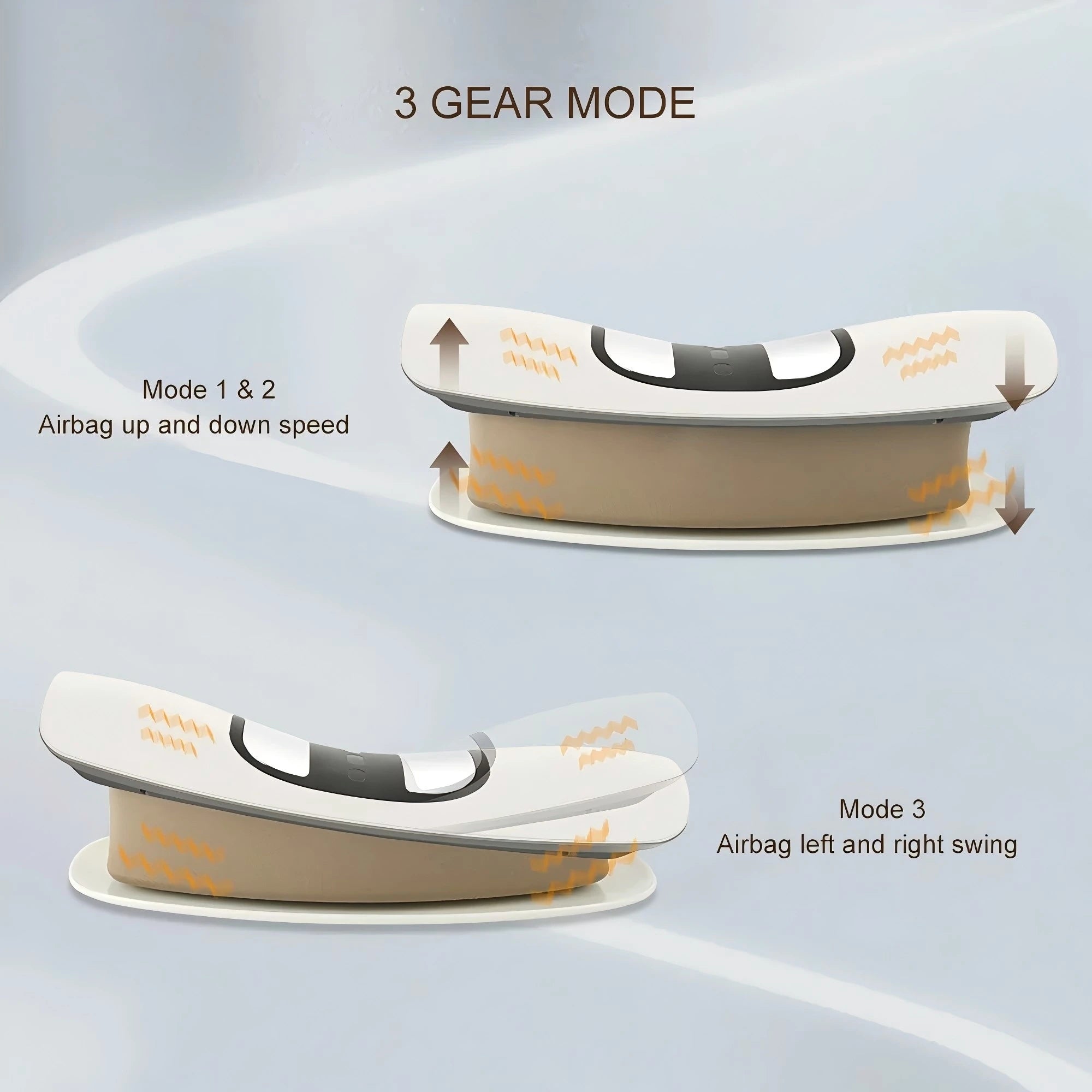
Smart lumbar traction massager delivering consistent home back traction. See it in action.
What Is a Lumbar Traction Machine & How It Works
A lumbar traction machine is designed to gently stretch the lower spine, creating temporary space between vertebrae to reduce pressure on discs, joints, and nearby nerves. This process, often called spinal decompression, can support mobility and may help relieve tension associated with common lower back conditions.
Home lumbar traction devices achieve decompression using several different mechanisms, each suited to different users and comfort preferences.
Spinal Decompression Basics
When controlled traction is applied, the lower spine experiences a gentle elongation that may temporarily reduce compressive forces. Many users describe feeling less stiffness after treatment, particularly when traction is combined with good posture, regular movement, and appropriate strengthening exercises.
- Air traction systems: Inflate gradually to lift and elongate the lumbar spine.
- Motorized traction: Apply rhythmic, adjustable pulling force with consistent pressure.
- Gravity-assisted traction: Use body weight to decompress the spine through inversion.
By easing compression in the lower back, these systems may improve comfort, reduce nerve irritation, encourage relaxation of surrounding muscles, and support recovery from everyday mechanical back strain.
Types of Lumbar Traction Devices (And Which Is Right for You)
Motorized / Smart Lumbar Traction Massagers
Motorized and smart lumbar traction massagers use electric motors or air-powered chambers to deliver controlled spinal decompression. Adjustable pressure levels and programmed traction cycles help provide a consistent experience from one session to the next, making these devices a practical choice for users who want a reliable back traction machine at home.
They are often best suited for:
- People managing recurring lower back stiffness.
- Users who want quick, repeatable home sessions.
- Those looking for adjustable intensity instead of manual stretching.
- Individuals who value convenience and minimal setup.
Manual Traction Devices (Belts, Inflatable, Stretch Boards)
Manual lumbar traction devices depend on body positioning or user-controlled tension to stretch the spine. Inflatable belts increase pressure gradually around the waist, while stretch boards encourage gentle spinal elongation through body alignment and flexibility exercises.
These options are generally more affordable and portable, but results can vary depending on positioning, technique, and user consistency. They are often appropriate for occasional use or people exploring lumbar traction for the first time.
Inversion Tables & Gravity-Based Systems
Inversion tables rely on gravity to decompress the spine by tilting the body into an inverted position. Many users appreciate the full-body stretch they provide, but they require more storage space and a greater time commitment than compact traction devices.
Because inversion changes blood pressure and body positioning, these systems may not be suitable for individuals with certain cardiovascular, eye, or balance conditions. Users should carefully follow manufacturer guidance before beginning inversion therapy.
Smart vs Manual: Side-by-Side Comparison
| Feature | Smart Lumbar Traction Massager | Manual Traction Tools |
|---|---|---|
| Traction Control | Automatic, adjustable pressure with preset programs | User-controlled and technique dependent |
| Ease of Use | Simple one-button operation with minimal setup | Requires positioning, adjustment, or inflation |
| Comfort | Even pressure distribution during treatment | Comfort varies based on posture and device design |
| Portability | Compact rechargeable massager design | Ranges from portable belts to bulky equipment |
| Daily Consistency | High, with repeatable traction sessions | Depends on user technique and routine |
| Best For | Frequent home use and long-term routines | Occasional stretching and lower-cost solutions |
For many households, smart lumbar traction devices provide a better balance of convenience, comfort, and repeatable performance. Manual tools remain a worthwhile option for users with limited budgets or those who only need occasional spinal stretching.
Best Lumbar Traction Machines for Home Use
Best Overall Smart Lumbar Traction Machine
A premium electric lumbar traction massager stands out for its combination of adjustable traction intensity, multiple treatment modes, ergonomic support, and user-friendly controls. These features make it an excellent choice for people seeking dependable spinal decompression several times per week without complicated setup.
Look for models that include:
- Multiple traction intensity levels.
- Comfortable lumbar support.
- Automatic treatment programs.
- Compact, rechargeable designs for convenient storage.
Best Budget Lumbar Traction Device
Manual inflatable traction belts remain one of the most affordable ways to experience gentle lumbar decompression. While they lack the automation and precision of electric models, they are lightweight, portable, and suitable for users with mild lower back discomfort who do not require daily treatment.
Best for Herniated Disc & Sciatica
Motorized lumbar traction devices with gradual, controlled pull cycles are often preferred by users managing symptoms associated with herniated discs or sciatica. Consistent pressure adjustment helps deliver a more predictable stretching experience than manual methods, although individual results vary and medical advice should always guide treatment for persistent nerve symptoms.
Best Manual Traction Option
Stretch boards and traction belts remain practical choices for users who prefer non-electric equipment. They are easy to transport, require little maintenance, and can complement mobility exercises or flexibility routines when used correctly.
Best Advanced / Medical-Style Device
High-end lumbar traction systems typically offer programmable treatment settings, greater adjustability, and more refined pressure control. These machines appeal to users seeking enhanced customization, longer-term ownership value, and a treatment experience that more closely resembles professional spinal decompression equipment used in clinical settings.
Lumbar Traction Device Benefits (By Condition)
Herniated Disc & Bulging Disc
For some people with herniated or bulging discs, lumbar traction may temporarily reduce pressure on affected spinal structures by creating additional space between the vertebrae. This gentle decompression can help improve mobility, reduce feelings of tightness, and make everyday movements more comfortable when combined with an appropriate rehabilitation plan.
While traction is not a cure for disc injuries, many users incorporate regular sessions alongside stretching, strengthening exercises, and posture improvements as part of a broader back-care routine.
Sciatica & Nerve Compression
Sciatica often develops when the sciatic nerve becomes irritated or compressed. A lumbar traction machine may help reduce mechanical pressure around the lower spine, allowing some users to experience temporary relief from radiating discomfort, numbness, or stiffness extending into the hips or legs.
Results differ depending on the underlying cause of nerve compression, so persistent or worsening symptoms should always be evaluated by a healthcare professional.
Chronic Lower Back Pain & Stiffness
People who spend long hours sitting at a desk or driving frequently develop muscle tightness and reduced spinal mobility. Consistent lumbar traction sessions may encourage gentle stretching of the lower back, helping improve flexibility and reduce stiffness that builds throughout the day.
Many users report the best results when traction is combined with regular movement, ergonomic workstation adjustments, and core-strengthening exercises rather than relying on decompression therapy alone.
Who Should Use a Lumbar Traction Machine (And Who Shouldn't)
A home lumbar traction machine can be a useful option for many adults seeking conservative relief from mechanical lower back discomfort. However, choosing the right candidate is just as important as selecting the right device.
- Good candidates: Adults with mild to moderate lower back discomfort, muscle tightness, reduced flexibility, sedentary lifestyles, or recurring stiffness after prolonged sitting.
- Use caution: Individuals with chronic spinal disorders, persistent nerve symptoms, osteoporosis, recent surgery, or unresolved back pain should consult a qualified healthcare professional before beginning traction therapy.
- Avoid use: People with spinal fractures, severe spinal instability, spinal infections, certain tumors, or other medical conditions where traction has not been medically recommended.
If back pain is accompanied by significant weakness, loss of bladder or bowel control, fever, or unexplained weight loss, seek prompt medical evaluation instead of self-treating with a lumbar traction device.
How to Use a Lumbar Traction Machine at Home Safely
Using a lumbar traction machine correctly helps maximize comfort while reducing the risk of unnecessary strain. Beginners should prioritize gentle settings and gradually increase intensity only if sessions remain comfortable.
- Begin with the lowest traction level to allow your body to adjust to spinal decompression.
- Keep initial sessions between 10 and 20 minutes unless the manufacturer recommends otherwise.
- Place the device on a stable, flat surface to maintain proper body alignment throughout treatment.
- Increase intensity gradually over several sessions instead of making large adjustments at once.
- Stop immediately if you experience increased pain, numbness, dizziness, or unusual discomfort.
Short, consistent sessions performed several times per week are generally more beneficial than infrequent, extended treatments. Following the manufacturer's instructions, maintaining good posture throughout the day, and combining traction with regular mobility exercises can help support better long-term outcomes.
Is Lumbar Traction Safe? Risks & Precautions
When used according to the manufacturer's instructions, lumbar traction is generally considered safe for many people with mild to moderate mechanical lower back discomfort. The key is to apply gradual, controlled traction rather than excessive force. If a session causes increasing pain instead of gentle stretching, discontinue use and seek medical advice.
- Begin with the lowest comfortable traction setting and increase intensity gradually.
- Avoid using excessive force or extending sessions beyond the recommended duration.
- Always follow the manufacturer's operating guidelines.
- Do not continue treatment if symptoms become worse during or after a session.
- Consult a healthcare professional before use if you have osteoporosis, recent spinal surgery, fractures, or other significant spinal conditions.
Many smart lumbar traction machines include preset treatment programs, adjustable pressure levels, and built-in safety features that help deliver more consistent decompression than manual methods, making them an approachable option for first-time users.
How to Choose the Best Lumbar Traction Device for Home
Key Features to Compare
Choosing the best lumbar traction device for home depends on how often you plan to use it, the level of adjustment you need, and your available budget. Comparing the following features can help narrow your options.
- Traction type: Motorized systems provide consistent decompression, while manual devices rely on user positioning or inflation.
- Adjustability: Multiple intensity levels allow you to customize treatment as your comfort changes over time.
- Comfort: Look for ergonomic lumbar support, even pressure distribution, and secure positioning.
- Portability: Compact, rechargeable designs are easier to store and transport than larger traction equipment.
- Ease of use: Simple controls encourage regular use and improve long-term consistency.
Budget vs Performance Considerations
Budget-friendly traction belts and stretch devices can provide gentle decompression for occasional use, but they typically require more manual adjustment and may deliver less consistent results. Mid-range and premium electric lumbar traction massagers generally offer better comfort, programmable treatment modes, and more precise pressure control for users planning to incorporate traction into a regular home wellness routine.
Rather than choosing based on price alone, consider long-term value, overall build quality, ease of operation, and how well the device matches your individual back care needs.
What Real Users Are Saying
People switching from manual stretching methods to smart lumbar traction devices commonly report that automated sessions make it easier to maintain a consistent routine. While individual experiences vary, recurring themes include greater convenience and more predictable treatment.
- Less setup time before each session.
- More consistent pressure throughout treatment.
- Improved comfort compared with manually adjusted traction.
- Greater motivation to maintain regular home use.
- Compact designs that fit easily into daily routines.
Devices like the smart lumbar traction massager are frequently described as providing a more structured and controlled decompression experience than improvised home stretching methods, making them a practical option for users seeking repeatable daily back care.
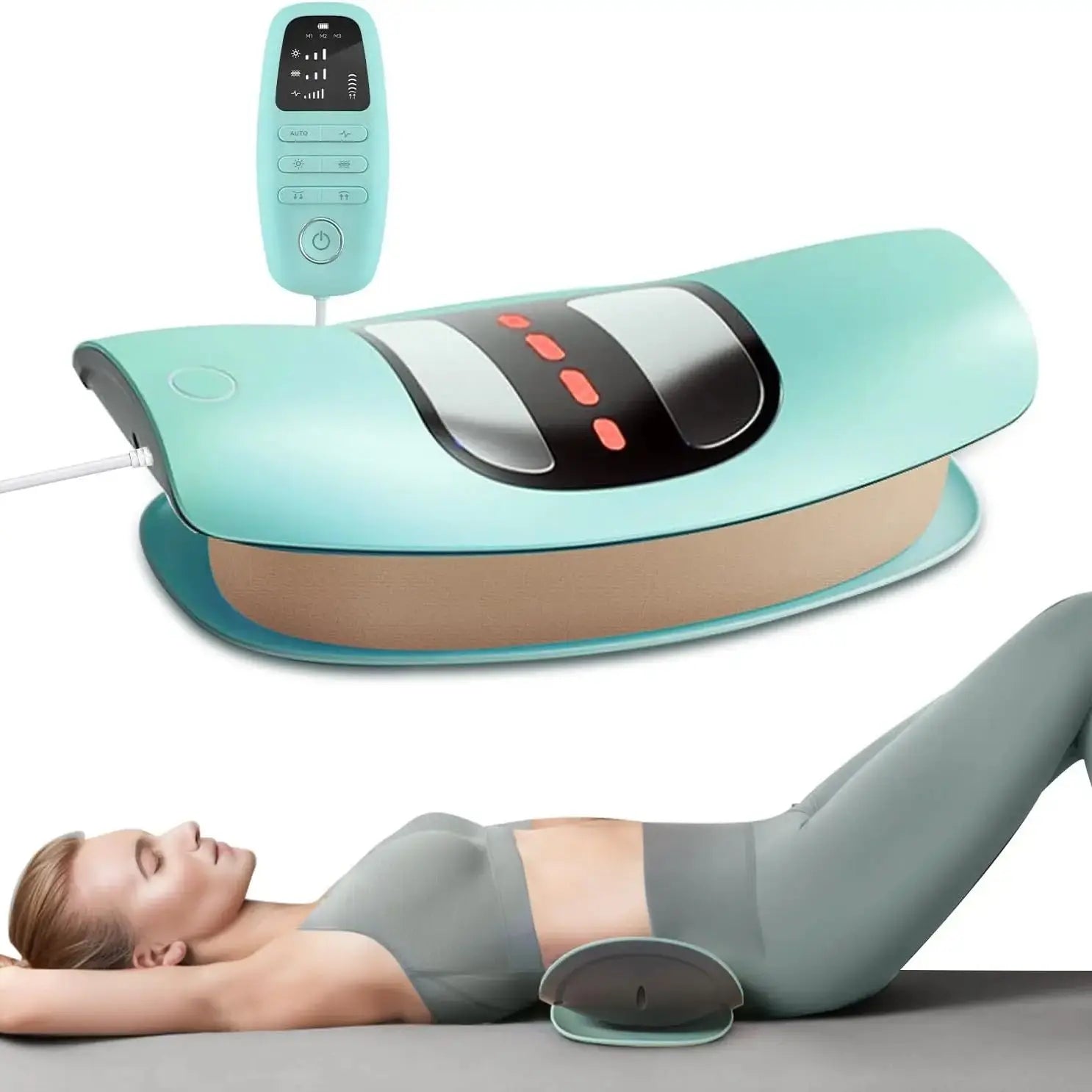
Compact lumbar traction machine for consistent home back traction. See it in action.
Buying Guide: Choosing the Right Lumbar Traction Machine
The best lumbar traction device for home depends on your symptoms, preferred treatment style, and how frequently you plan to use it. Comparing a few essential features before purchasing can help you choose a device that delivers both comfort and long-term value.
Traction Force
Look for a lumbar traction machine with adjustable traction levels rather than a fixed amount of force. Beginners often benefit from gentle settings, while experienced users may appreciate a wider adjustment range that allows sessions to be customized over time.
A well-designed device should support the natural curve of your lower back while distributing pressure evenly. Features such as ergonomic padding, adjustable air pressure, and multiple treatment modes can improve comfort and encourage consistent use.
Smart Features
Many modern electric lumbar traction massagers include programmable treatment cycles, rechargeable batteries, automatic pressure control, and intuitive one-button operation. These features help create repeatable sessions and reduce the guesswork involved with manual traction methods.
Budget Expectations
Home lumbar traction devices are available across a wide range of price points.
- Entry-level: Manual traction belts and stretch boards designed for occasional use.
- Mid-range: Compact electric or pneumatic devices offering adjustable traction and improved comfort.
- Premium: Smart lumbar traction massagers with advanced controls, multiple treatment programs, and enhanced ergonomics for frequent use.
Rather than focusing solely on price, consider durability, ease of use, adjustability, and whether the device fits your long-term back care routine.
Frequently Asked Questions
What is the best lumbar traction machine for home use?
For most users, an electric or smart lumbar traction massager provides the best combination of adjustable pressure, consistent decompression, ease of use, and convenience. Manual devices remain a good choice for occasional stretching or tighter budgets.
Does lumbar traction really work for lower back pain?
It can help some individuals, particularly those with mechanical lower back pain, disc-related discomfort, or nerve compression. Results vary depending on the underlying condition, and traction is generally most effective when combined with exercise, posture improvements, and other conservative treatments.
Is lumbar traction safe to use every day?
Many people can safely perform daily sessions if they follow the manufacturer's recommendations and remain comfortable throughout treatment. If symptoms worsen or you have an underlying spinal condition, consult a healthcare professional before continuing.
How long should you use a lumbar traction machine?
Most home users begin with sessions lasting 10 to 20 minutes. Longer sessions do not necessarily improve results, and gradual progression is typically recommended.
What is the difference between lumbar traction and manual traction?
Smart and electric lumbar traction machines provide controlled, repeatable decompression using automated pressure systems. Manual traction devices depend on user positioning or manually applied force, so consistency may vary from one session to another.
Can a smart lumbar traction massager replace physical therapy?
No. A smart lumbar traction massager can be a useful tool for home symptom management, but it is not a substitute for a personalized rehabilitation program or professional medical care when those are needed.
Who should avoid using a lumbar traction device?
People with spinal fractures, severe instability, certain spinal infections, recent surgery, or other conditions where traction has not been medically recommended should avoid use unless specifically advised by a qualified healthcare professional.
How much does a good home lumbar traction device cost?
Manual traction devices are generally the most affordable, while premium electric lumbar traction massagers cost more because they provide adjustable traction, automated treatment modes, and greater consistency for regular home use.
Related Guide: Best Lumbar Traction Device Home Compared for Real Relief













