

Does a smart window cleaning robot really work?
A smart window cleaning robot really works by combining powerful suction, intelligent path planning, edge detection, and built-in safety systems to clean glass surfaces with minimal manual effort. Compared with traditional window cleaning, it delivers more consistent coverage, reduces cleaning time, and makes maintaining high or difficult-to-reach windows significantly safer and more convenient.
Smart Window Cleaning Robot: Features That Actually Matter
⏱ 8 min read
Cleaning windows sounds simple—until you're balancing on a ladder, fighting stubborn streaks, and spending hours reaching every corner of the glass. A smart window cleaning robot offers a hands-free alternative designed to improve both safety and convenience. However, not every model performs the same. Understanding which features genuinely improve cleaning quality, reliability, and ease of use helps you choose the best robot window cleaner for your home instead of paying for features you'll rarely use.
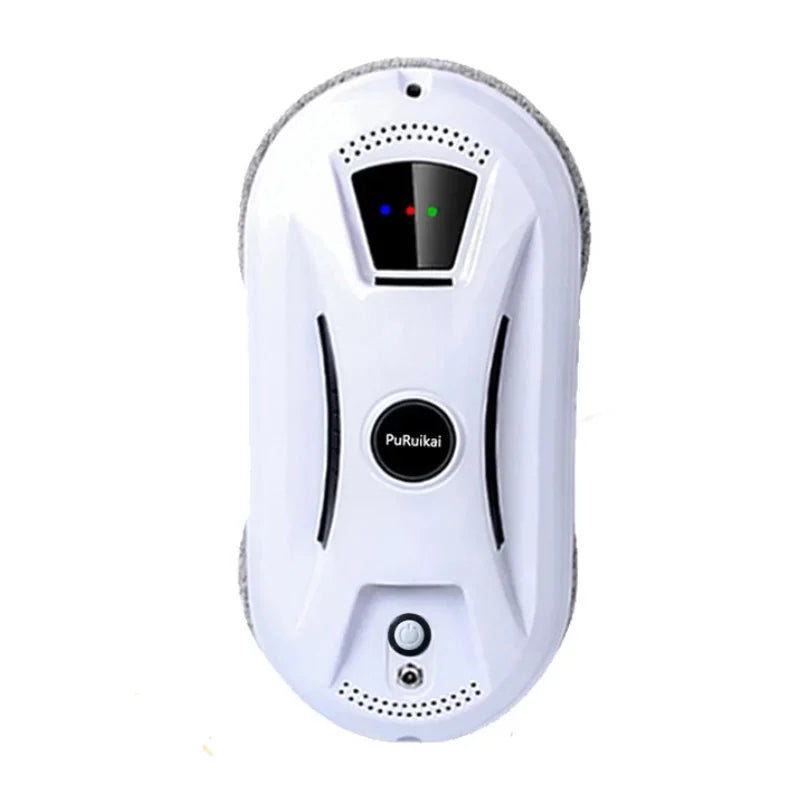
A smart window cleaning robot in action — See how hands-off window cleaning reduces effort instantly.
What is a smart window cleaning robot?
A smart window cleaning robot is an automated glass-cleaning device that securely attaches to smooth surfaces using a powerful vacuum motor while moving across the glass in a programmed cleaning pattern. Modern models combine suction technology, intelligent navigation, edge sensors, and safety backups to deliver reliable cleaning with far less physical effort than traditional hand washing.
Instead of repeatedly spraying and wiping every section by hand, you place the robot on the window, attach its safety cable if required, and start the cleaning cycle. The robot maps its movement, cleans the surface systematically, and finishes when the selected cleaning mode is complete. This combination of automation and precision makes window maintenance easier for apartments, family homes, offices, and properties with large glass panels.
The best smart window cleaning robots also include features such as AI-assisted path planning, washable microfiber cleaning pads, battery backup during power interruptions, and remote or app-based controls. Together, these capabilities help improve cleaning consistency while reducing the risks associated with cleaning exterior or hard-to-reach windows.
Best window cleaning robot features explained
Suction power and stability
Suction is the foundation of every smart window cleaning robot. A high-performance vacuum motor keeps the robot firmly attached to vertical glass while allowing it to move smoothly across the surface. Consistent suction not only improves cleaning accuracy but also provides confidence when cleaning tall windows or exterior glass.
- Reliable adhesion: Maintains a secure grip throughout the cleaning cycle.
- Stable operation: Reduces slipping on smooth or slightly dusty glass.
- Continuous performance: Supports uninterrupted cleaning on large windows.
- Greater compatibility: Works effectively on many framed and frameless glass surfaces.
AI navigation and smart path planning
Advanced navigation technology allows a robot to clean efficiently instead of moving randomly. Intelligent path planning maps the glass, minimizes overlap, and ensures nearly complete coverage while reducing cleaning time.
- Detects window boundaries and adjusts direction automatically.
- Creates organized vertical and horizontal cleaning routes.
- Avoids repeatedly cleaning the same section.
- Completes the cleaning cycle with consistent coverage.
Edge and frame detection
Quality robots use sensors to recognize edges, window frames, and changes in surface boundaries. This helps prevent accidental movement beyond the glass while improving performance on framed windows. On frameless glass, sophisticated edge detection is especially valuable for maintaining safe operation.
Built-in spray systems
Some premium models include automatic spray functions that apply a controlled amount of cleaning solution while the robot operates. Even moisture distribution helps loosen fingerprints, dust, and light grime, reducing streaks compared with using dry pads alone.
Safety rope and battery backup
Safety features are essential when cleaning elevated or exterior windows. Look for models equipped with a safety rope, emergency battery backup, and anti-fall protection. If household power is interrupted, battery backup keeps the robot attached long enough for safe removal rather than allowing an immediate drop.
Remote control and app connectivity
Modern window cleaning robots often include remote controls or smartphone apps that simplify everyday operation. Depending on the model, users can start or pause cleaning, choose different cleaning modes, monitor progress, or manually reposition the robot without standing directly beside the window.
Cleaning modes and customization
Multiple cleaning modes make it easier to match the robot to different situations. Quick cleaning is useful for light dust, while intensive modes provide additional passes for glass exposed to pollen, rain spots, or urban pollution. Adjustable cleaning patterns also improve flexibility for windows of different sizes.
Noise level and energy efficiency
Because window cleaning robots rely on continuous suction, some operating noise is expected. Premium models often balance powerful motors with quieter operation and efficient energy use, making them more comfortable to run while working from home or completing other household tasks.
Maintenance and washable cleaning pads
Easy maintenance contributes to consistent cleaning performance over time. Washable microfiber pads, accessible replacement parts, and simple routine care help preserve suction, improve cleaning quality, and reduce long-term ownership costs.
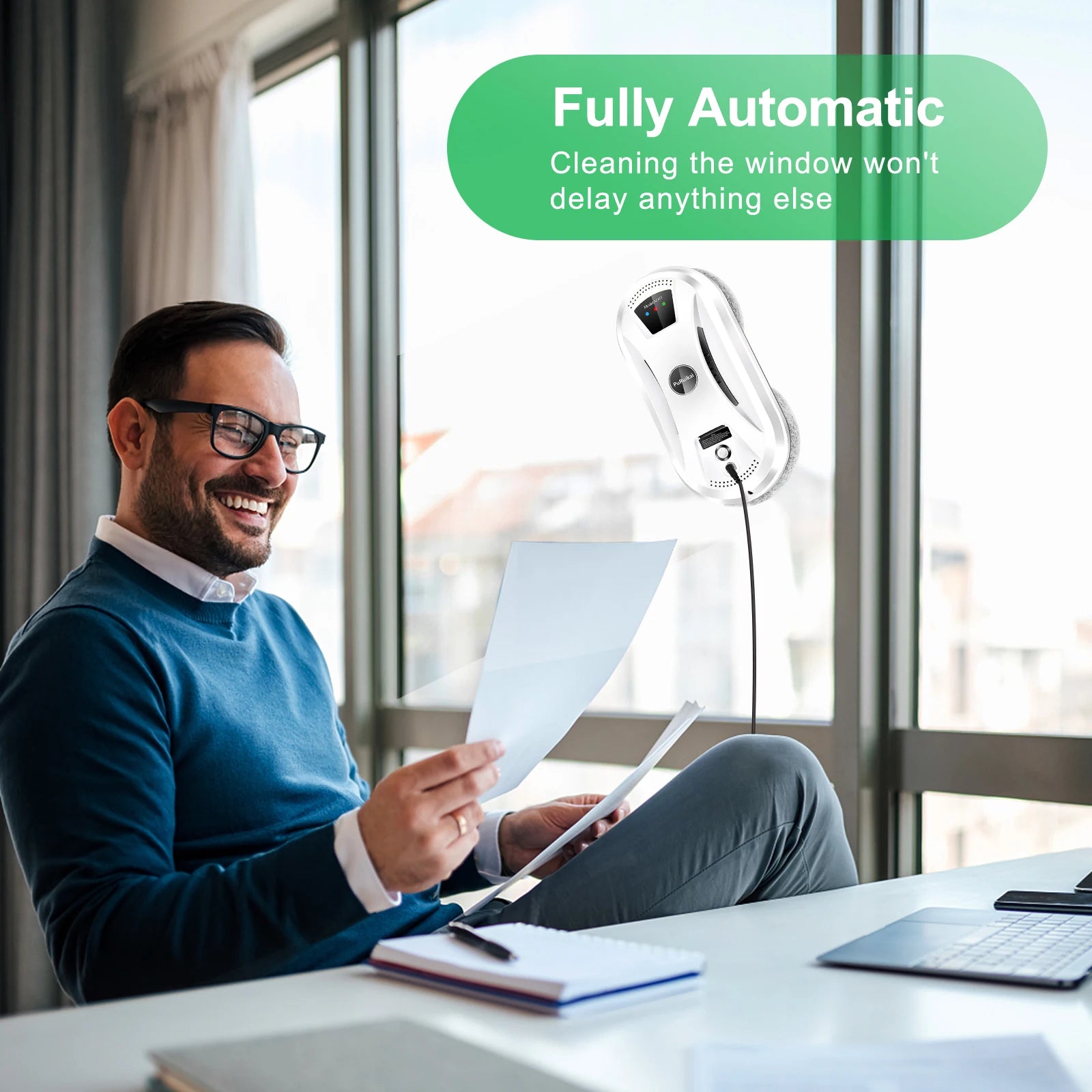
Precision navigation delivers consistent clarity — Explore the best robot window cleaner benefits.
Robot window cleaner benefits in everyday use
Time savings
One of the biggest advantages of a smart window cleaning robot is the amount of time it saves. After attaching the robot to the glass and selecting a cleaning mode, you can focus on other household tasks while it works independently. For homes with multiple windows or large glass doors, this can reduce the time spent on routine cleaning considerably.
Safety improvements
Cleaning exterior windows often involves ladders, awkward reaching, or leaning outside upper-floor windows. A robot window cleaner minimizes these risks by remaining securely attached to the glass with continuous suction, while safety ropes and backup batteries provide additional protection on compatible models.
Consistent cleaning quality
Unlike manual cleaning, where results can vary depending on technique or fatigue, robotic cleaners follow programmed paths that deliver even coverage across the surface. Regular maintenance cleaning also prevents heavy dirt buildup, making it easier to keep windows looking clear throughout the year.
Accessibility advantages
Automatic window cleaning robots are especially useful for people with limited mobility, busy families, older adults, and anyone living in apartments with difficult-to-reach windows. They simplify routine maintenance without requiring significant physical effort while helping maintain consistently clean glass.
Window cleaning robot features comparison
| Feature Category | Essential Features | Premium Features | Nice-to-Have Upgrades |
|---|---|---|---|
| Safety | Strong suction, safety rope | Battery backup, advanced anti-fall sensors | Real-time safety notifications |
| Navigation | Systematic cleaning path | AI path planning and edge detection | Automatic route optimization |
| Cleaning | Washable microfiber pads | Built-in spray system | Multiple customizable cleaning modes |
| Convenience | Remote control | Smartphone app connectivity | Voice assistant compatibility |
| Maintenance | Replaceable cleaning pads | Easy-access components | Maintenance reminders through the app |
This comparison can help prioritize features based on budget. Essential features provide reliable everyday cleaning, while premium capabilities improve convenience, coverage, and long-term ownership for homes with larger or more challenging glass surfaces.
Compatibility with different window types
Framed vs. frameless glass
Most quality robots perform well on framed windows. For frameless glass, advanced edge detection becomes increasingly important because the robot must recognize the edge without relying on a physical frame.
Thick and thin glass
Window cleaning robots generally work across a wide range of residential glass thicknesses as long as the surface is smooth, clean enough for suction, and compatible with the manufacturer's recommendations.
Large windows and skylights
Large picture windows, sliding glass doors, and skylights benefit from robots equipped with strong suction, efficient navigation, and long operating cycles. These features help maintain consistent cleaning across expansive surfaces with fewer interruptions.
Mirrors and shower glass
Many automatic window cleaning robots can also be used on mirrors, glass partitions, shower doors, and similar smooth glass surfaces. Always verify compatibility in the manufacturer's instructions before cleaning specialty glass or coated finishes.
Who benefits most from a smart window cleaning robot?
A smart window cleaning robot is a practical investment for anyone who regularly cleans large or hard-to-reach glass surfaces. While nearly every household can benefit from automated cleaning, certain users see the greatest improvement in convenience, safety, and long-term maintenance.
- Urban apartment residents: Safely clean exterior-facing windows without leaning outside or using ladders.
- Busy homeowners: Maintain clean windows while spending less time on repetitive household chores.
- Families with children or older adults: Reduce the need for risky manual window cleaning around elevated glass.
- High-rise occupants: Simplify routine maintenance for difficult-to-access windows.
- Homes with extensive glass: Large picture windows, sliding doors, and sunrooms benefit from consistent automated cleaning.
How to choose the right window cleaning robot
The best window cleaning robot buying guide starts by matching features to the type of glass you clean most often. Rather than choosing the model with the longest feature list, prioritize the capabilities that improve performance for your specific home.
For apartments
If you live in an apartment or condominium, prioritize:
- Reliable suction for vertical windows.
- Battery backup and a safety rope for elevated cleaning.
- Compact size for convenient storage.
- Quiet operation if cleaning while working from home.
For large homes
Homes with multiple windows or large glass panels benefit from:
- AI navigation for efficient coverage.
- Long operating cycles.
- Washable microfiber pads.
- App control for added convenience.
For commercial glass
Businesses, offices, storefronts, and properties with expansive glass surfaces should look for:
- High-performance suction systems.
- Consistent edge detection.
- Durable construction for frequent use.
- Fast cleaning modes that reduce maintenance time.
Budget vs. premium checklist
| Feature | Budget Models | Premium Models |
|---|---|---|
| Suction performance | Good | Higher, more consistent |
| Navigation | Basic systematic routes | AI-assisted path planning |
| Safety | Safety rope | Safety rope plus battery backup and advanced sensors |
| Cleaning system | Microfiber pads | Microfiber pads with automatic spray options |
| Connectivity | Remote control | Remote control and smartphone app |
When deciding what to look for in window cleaning robot features, start with dependable suction, intelligent navigation, and robust safety systems. Premium features such as automatic spray functions and app connectivity improve convenience but are most valuable for households with frequent cleaning needs.
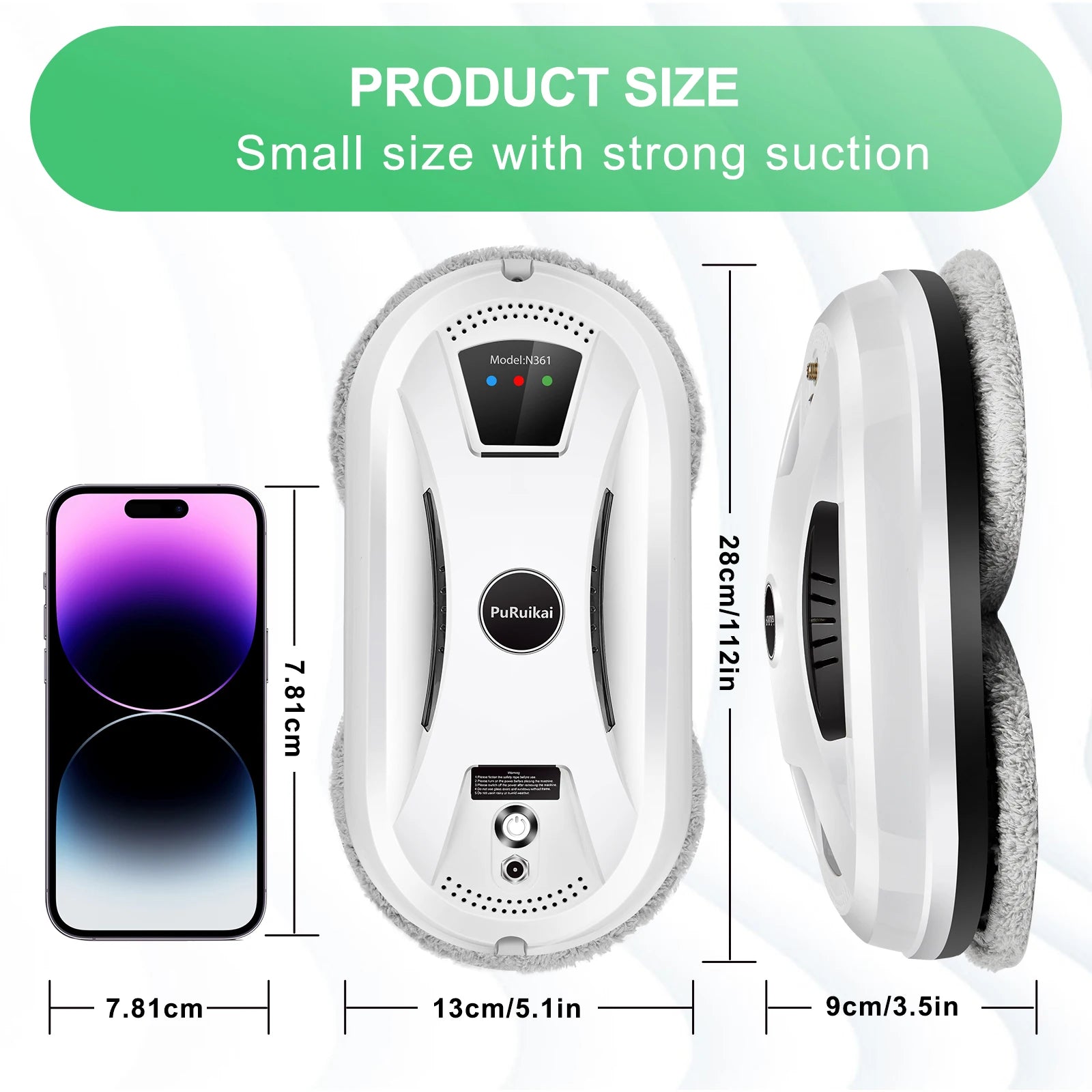
Designed for modern homes — Reduce cleaning time with confidence.
Frequently Asked Questions
What window cleaning robot features are essential before buying?
The most important window cleaning robot features include strong suction, intelligent navigation, reliable edge detection, a safety rope, battery backup, and washable microfiber cleaning pads. These core features have the greatest impact on cleaning performance, safety, and long-term reliability.
How much suction power does a window cleaning robot need?
Rather than focusing on a specific suction rating, look for a robot that maintains consistent adhesion throughout the cleaning cycle. Stable suction helps the robot move smoothly across vertical glass while reducing the chance of slipping, especially on large or exterior windows.
Can a window cleaning robot clean frameless windows safely?
Yes. Many premium models are designed to clean both framed and frameless glass. For frameless windows, advanced edge detection and accurate path planning are especially important because the robot must recognize glass boundaries without relying on a surrounding frame.
Do window cleaning robots work on thick, tinted, or coated glass?
Most robots work well on smooth residential glass, including many thick and tinted windows, provided the surface is compatible with the manufacturer's recommendations. Specialty coatings or textured finishes may require additional verification before use.
Is an automatic spray system worth paying extra for?
If you clean windows frequently or deal with fingerprints, pollen, or light dirt buildup, an integrated spray system can improve cleaning efficiency and reduce streaking. For occasional maintenance cleaning, a model without automatic spraying may still provide excellent results when used with quality cleaning pads.
What safety features should every window cleaning robot have?
Essential safety features include continuous suction, a secure safety rope, edge detection sensors, and an emergency battery backup. Together, these systems help keep the robot attached to the glass during normal operation and temporary power interruptions.
How long do cleaning pads and replacement parts last?
Washable microfiber pads typically last for dozens of cleaning cycles when cleaned according to the manufacturer's instructions. Replacement frequency depends on usage, while brushes, filters, and other wear components should be inspected periodically to maintain optimal cleaning performance.
Which smart features improve cleaning performance the most?
AI-assisted navigation, systematic path planning, automatic edge detection, customizable cleaning modes, and app connectivity are among the best window cleaning robot features. These technologies improve coverage, reduce missed areas, and make routine operation more convenient.
Choosing a smart window cleaning robot with the right combination of safety, navigation, and cleaning features helps transform routine window maintenance into a faster, safer, and more consistent experience. By matching the robot's capabilities to your home's window types and cleaning needs, you can enjoy clearer glass with less effort throughout the year.













