

Do snowboard helmet goggle combos really improve fit and visibility?
Yes. A well-designed snowboard helmet goggle combo improves comfort, visibility, and overall performance by matching the helmet shell, goggle frame, ventilation channels, and face foam. When these components are engineered to work together, they minimize forehead gaps, reduce pressure points, improve airflow, and help keep lenses clear during changing mountain conditions.
Best Snowboard Helmet Goggle Combo: Top Helmet and Goggles Sets Compared
⏱ 6 min read
The best snowboard helmet goggle combo does more than create a clean look—it enhances comfort, safety, and visibility throughout your day on the mountain. Whether you're carving groomers, riding through snowstorms, or learning your first turns, a compatible helmet and goggle setup can reduce fogging, eliminate the dreaded forehead gap, and deliver a more secure fit. This guide compares leading combinations, explains what makes them work well together, and helps you choose the right setup for your riding style.
Quick Comparison Table: Best Snowboard Helmet and Goggle Combos
If you're shopping for the best snowboard helmet goggle combo, compare more than price alone. Ventilation design, helmet construction, lens technology, and overall compatibility all influence comfort and visibility. The combinations below are frequently paired because they deliver reliable fit and strong on-snow performance.
| Combo | Best For | Helmet Type | Goggle Lens | Key Feature |
|---|---|---|---|---|
| Smith Method + Squad Goggles | All-around performance | MIPS lightweight helmet | Cylindrical anti-fog lens | Excellent vent alignment |
| Oakley MOD1 + O Frame 2.0 | Budget riders | Low-profile skate style | Dual anti-fog lens | Affordable combo option |
| Anon Logan + Relapse Goggles | Fog prevention | Endura-shell helmet | Magnetic lens system | Strong anti-fog airflow |
| Giro Ledge + Revolt Goggles | Beginner snowboarders | Hard-shell helmet | EXV field-of-view lens | Comfortable beginner fit |
| OutdoorMaster Kelvin + Pro Goggles | Budget combo | Lightweight ABS helmet | Interchangeable lenses | Great value bundle |
Although these helmet and goggles for snowboarding are often sold separately, riders commonly pair them because their frame shapes, ventilation systems, and overall fit work exceptionally well together.
Best Snowboard Helmet Goggle Combo Picks
The best snowboard helmet goggle combo depends on your riding experience, weather conditions, budget, and fit preferences. The recommendations below stand out for compatibility, comfort, ventilation, and overall value rather than simply matching brand names.
Best Overall Snowboard Helmet and Goggles Combo
A lightweight MIPS helmet paired with medium-sized cylindrical goggles remains the most versatile choice for resort riders. This combination provides dependable protection, balanced ventilation, and a comfortable seal that helps eliminate the common snowboard helmet goggles gap.
Why it stands out:
- Excellent balance of protection, weight, and comfort
- MIPS impact protection for added rotational safety
- Cylindrical dual-lens goggles with dependable anti-fog performance
- Well-aligned ventilation for all-day riding
Best for: Riders who want one setup that performs well across most snow and weather conditions.
Best Budget Helmet Goggle Combo Snowboard
Affordable doesn't have to mean uncomfortable. Entry-level helmet and goggle packages built around durable ABS construction and dual-pane lenses provide dependable protection while keeping costs under control.
Pros
- Excellent value for new riders
- Reliable impact protection
- Simple adjustment systems
- Compatible with most face shapes
Considerations
- Heavier than premium in-mold designs
- Fewer premium ventilation features
Best Anti-Fog Snowboard Goggles Helmet Combo
If you frequently ride during storms or humid conditions, prioritize airflow above everything else. The strongest anti fog snowboard goggles helmet combo systems synchronize helmet vents with upper goggle ventilation to move warm, moist air away from the lens before condensation develops.
- Large ventilation ports
- Triple-layer moisture-managing face foam
- Dual-pane lens construction
- Magnetic or quick-change lens compatibility
Best for: Riders who regularly encounter snowfall, flat light, or changing temperatures.
Best Lightweight Helmet and Goggles for Snowboarding
Low-profile helmets combined with panoramic goggles reduce fatigue on long riding days while expanding peripheral vision. In-mold helmet construction keeps overall weight low without sacrificing everyday protection.
- Lightweight in-mold shell
- Wide field-of-view lens
- Reduced pressure around temples and ears
- Comfortable for full-day resort sessions
Best Combo for Beginners
New snowboarders benefit most from forgiving fit systems that are easy to adjust and compatible with a wide variety of face shapes. Medium-sized goggles paired with dial-fit helmets offer flexibility as riders learn proper gear setup.
- Simple dial-adjustment helmet
- Medium-frame goggles with balanced coverage
- Easy strap adjustment
- Excellent compatibility across multiple brands
Best Premium MIPS Combo
Premium riders looking for maximum comfort and advanced safety features should consider a MIPS-equipped helmet paired with high-end interchangeable goggles. These combinations typically include premium liners, adjustable ventilation, and superior optics that improve contrast in mixed lighting.
- Advanced MIPS protection
- Premium lens clarity
- Excellent ventilation management
- Ideal for frequent mountain use
Best Combo for Women
Many women's-specific helmet and goggle combinations feature slightly lower-volume shells and narrower goggle frames while maintaining the same protective standards as unisex models. The result is a more secure fit without excess pressure around the cheeks or temples.
- Lower-profile helmet design
- Comfortable foam for smaller face shapes
- Wide peripheral vision
- Lightweight all-day comfort
Best Combo for Kids
Children need lightweight equipment that balances protection, warmth, and easy adjustment. Kid-focused combinations typically include simple dial-fit helmets, durable lenses, and secure straps that stay in place throughout a full day on the slopes.
- Lightweight helmet construction
- Easy sizing adjustments
- Durable dual-pane goggles
- Comfortable fit for growing riders
A properly matched snowboard helmet and goggle setup creates a seamless seal that improves comfort, airflow, and visibility throughout the day.
Snowboard Goggles and Helmet Compatibility Explained
Snowboard goggles and helmet compatibility is determined by how well the helmet shell, goggle frame, ventilation channels, and face foam work together. A properly matched setup creates a continuous seal that blocks cold air while allowing warm, humid air to escape, improving both comfort and visibility throughout the day.
Preventing the Snowboard Helmet Goggles Gap
The "gaper gap" is one of the easiest signs of poor compatibility. It typically appears when the helmet sits too high above the goggles or when the frame size doesn't match the helmet profile. Besides affecting appearance, this exposed space allows cold air to reach your forehead and can disrupt airflow around the lens.
- Choose goggles designed for your helmet's overall size and shape.
- Look for helmet brims that sit close to the top edge of the goggle frame.
- Avoid pairing oversized goggles with compact helmets or vice versa.
- Test the complete setup before riding to ensure the foam seals evenly around your face.
Vent Alignment and Anti-Fog Performance
One of the biggest advantages of a well-matched snowboard helmet and goggles fit is improved ventilation. When helmet intake vents align with the goggle's upper vents, warm air naturally flows upward instead of collecting behind the lens. This airflow is a key reason why an anti fog snowboard goggles helmet combo performs better than mismatched equipment.
- Helmet vents channel warm air away from your forehead.
- Upper goggle vents release moisture before condensation develops.
- Dual-pane lenses provide additional insulation against temperature differences.
- Proper airflow helps maintain clear vision during long runs and changing weather.
Frame Size vs Helmet Shape
Not every helmet follows the same internal shape. Some fit rounder head profiles, while others are slightly more oval. Matching your goggle frame to the helmet's shape helps maintain even foam contact, prevents pressure points, and maximizes peripheral vision.
When checking snowboard helmet and goggles fit, the face foam should rest evenly against your cheeks and forehead without lifting at the corners. The goggles should remain stable while allowing enough space for natural airflow.
Integrated Systems vs Mixed Brands
Many riders successfully mix brands, but compatibility matters more than matching logos. Integrated helmet-and-goggle systems are designed together, making vent placement, frame curvature, and strap positioning easier to optimize. Mixed-brand combinations can perform just as well when the sizing and ventilation characteristics complement one another.
Why Matching Helmet and Goggles Performs Better
Comfort on Long Riding Days
A compatible helmet and goggles for snowboarding distribute pressure more evenly, reducing hot spots around the temples and forehead. Better weight balance also helps minimize fatigue during full days on the mountain.
- Balanced foam density improves long-term comfort.
- Even strap tension reduces unwanted movement.
- Proper shell support keeps goggles securely positioned.
Airflow and Moisture Management
Effective moisture management depends on synchronized ventilation rather than aggressive anti-fog coatings alone. When airflow moves naturally through both the helmet and goggles, excess humidity escapes before it condenses on the lens.
- Aligned ventilation channels improve airflow efficiency.
- Helmet intake vents direct humid air upward.
- Goggle exhaust vents help maintain clear lenses throughout changing conditions.
Better Visibility in Changing Conditions
Whether you're riding in bright sunshine, snowfall, or flat light, a stable helmet-goggle interface helps preserve a consistent field of view. Reduced shifting means fewer distractions and more confidence when terrain or weather changes unexpectedly.
- Stable fit minimizes lens movement.
- Reliable sealing reduces wind intrusion.
- Consistent visibility improves rider confidence in variable conditions.
How to Match Snowboard Goggles With a Helmet
Learning how to match snowboard goggles with a helmet comes down to four essentials: ventilation, lens selection, frame sizing, and overall compatibility. Taking a few minutes to evaluate these factors before buying can improve comfort, reduce fogging, and create a more secure fit on the mountain.
Check Helmet Vent Placement
Most snow helmets feature intake vents above the brow that are designed to work with the upper vents on compatible goggles. When these openings align correctly, warm, humid air is directed away from the lens instead of becoming trapped inside the frame.
- Look for helmets with unobstructed brow vents.
- Confirm that the top of the goggle frame does not block airflow.
- Adjust helmet fit before tightening the goggle strap.
Choose the Right Lens for Weather
Lens tint plays a major role in visibility and depth perception. Many experienced riders carry interchangeable lenses or choose a versatile tint that performs well across a wide range of lighting conditions.
- Low-light or yellow lenses for snowy days and flat light.
- Mirrored or darker lenses for bright alpine sunshine.
- Medium VLT lenses for changing resort conditions.
- Dual-pane construction for improved fog resistance.
Ensure Strap and Frame Compatibility
The goggle strap should sit securely against the rear retention clip without twisting or slipping. A properly matched strap width and frame profile help keep the goggles stable during carving, jumps, and rough terrain.
- Ensure the strap sits flat around the helmet.
- Check that the frame seals evenly around your face.
- Avoid excessive strap tension that can create pressure points.
Test Fit Before Buying
Before committing to a snowboard helmet and goggles fit, wear both pieces together for several minutes. Look up, down, and side to side while checking for forehead gaps, uneven foam contact, or shifting during movement. A properly fitted combination should remain comfortable without creating hot spots or restricting your field of view.
Helmet + Goggle Combo vs Buying Separately
Buying a pre-matched helmet goggle combo snowboard package isn't the only option. Some riders prefer integrated systems for guaranteed compatibility, while others mix brands to customize fit, lens technology, or budget.
| Option | Advantages | Considerations |
|---|---|---|
| Integrated combo | Optimized fit, vent alignment, consistent styling, simplified purchasing | Fewer customization choices |
| Mix-and-match setup | Greater flexibility, wider lens options, easier upgrades over time | Requires careful compatibility testing |
If maximum convenience is your priority, integrated combinations are an excellent choice. Riders who already own quality equipment may prefer purchasing helmets and goggles separately, provided they verify sizing and ventilation compatibility before heading onto the snow.

A properly matched helmet and goggle system creates a better seal, more efficient airflow, and clearer vision in challenging conditions.
How to Prevent Goggle Fog and Maximize Ventilation
Airflow Alignment
Most fogging occurs because moisture cannot escape efficiently—not because the lens itself is defective. Matching helmet ventilation with goggle exhaust vents creates continuous airflow that helps keep lenses clear throughout the day.
- Use helmets with adjustable ventilation whenever possible.
- Keep helmet intake vents free from hats or bulky layers.
- Maintain a proper seal without blocking ventilation channels.
Lens Care
Good maintenance extends the life of anti-fog coatings and preserves optical clarity. Always allow goggles to dry naturally after riding and avoid wiping the inside surface of the lens while it is wet.
- Dry goggles completely between sessions.
- Store lenses in a protective pouch.
- Replace heavily scratched lenses when visibility declines.
Common Fogging Mistakes
Small habits can make a noticeable difference in real-world performance. Avoid placing wet goggles directly on your forehead during breaks, and don't trap excess heat by overdressing around your helmet.
- Avoid covering ventilation openings.
- Remove excess moisture before storing goggles.
- Choose dual-pane lenses designed for snow sports.
- Use equipment that promotes balanced airflow rather than relying on anti-fog sprays.
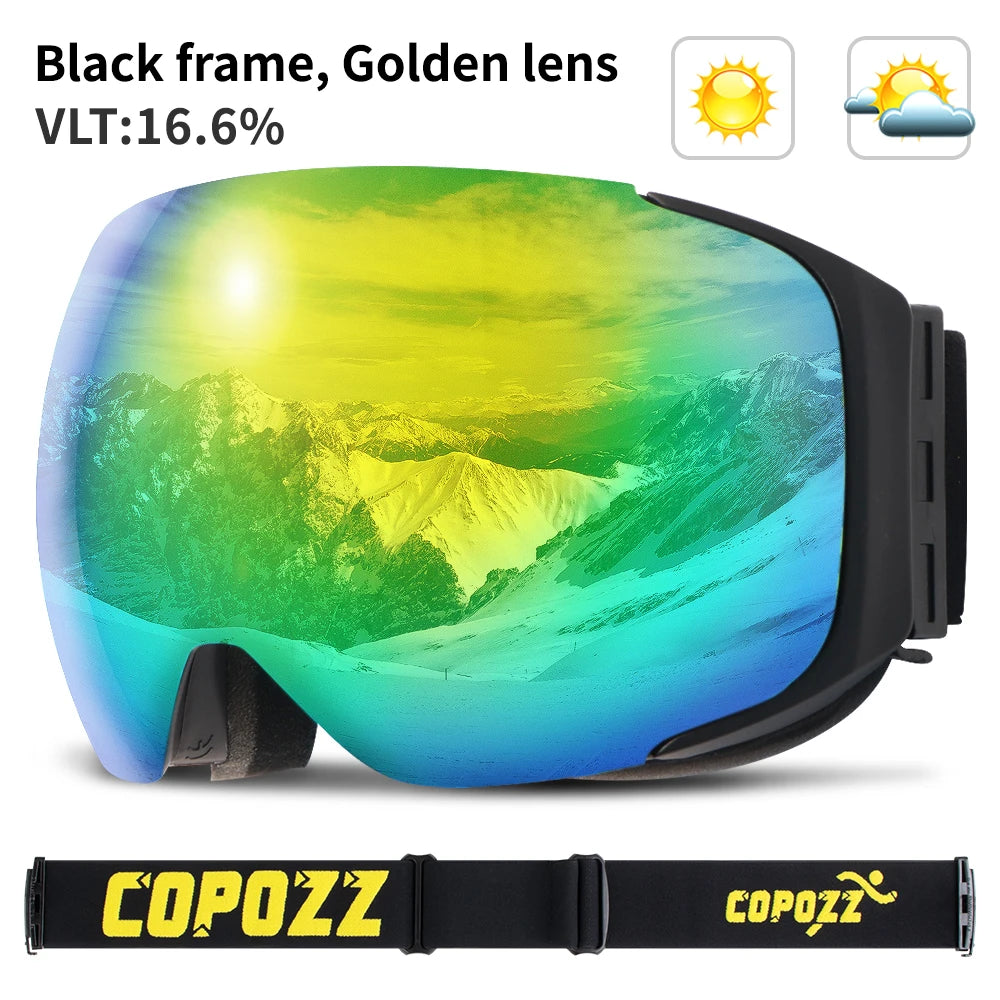
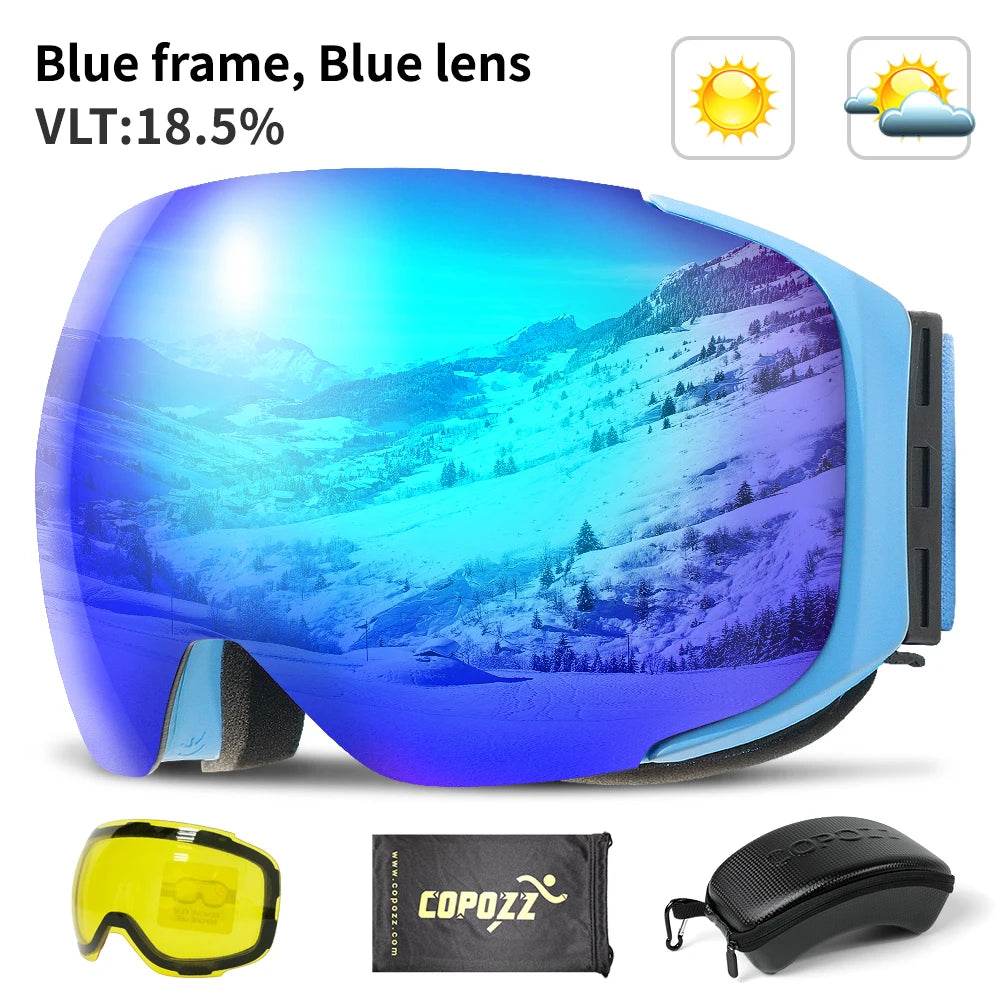
The best anti fog snowboard goggles helmet combo systems depend on thoughtful ventilation engineering instead of temporary treatments. Riders using Magnetic Ski Goggles also benefit from fast lens changes that make it easier to adapt to shifting light and weather conditions.
Proper airflow, quality lenses, and a compatible helmet help keep vision clear throughout changing mountain conditions.
Which Setup Fits Your Riding Style?
Weekend Explorers
If you ride a handful of weekends each season, prioritize comfort, easy adjustments, and dependable visibility over premium racing features.
- Choose a lightweight helmet with a simple dial-fit system.
- Medium-frame goggles offer excellent compatibility with most helmets.
- Interchangeable or magnetic lenses make changing weather easier to manage.
- Focus on value without sacrificing certified protection.
Storm Chasers
Frequent riders in snowy or low-visibility conditions should invest in equipment designed around airflow and moisture management.
- Look for aggressive ventilation channels.
- Choose dual-pane anti-fog lenses with efficient exhaust vents.
- Prioritize a secure helmet-to-goggle seal.
- Select lenses that enhance contrast during flat light.
All-Day Resort Riders
Long days on the mountain demand lightweight equipment that stays comfortable from the first chair to the final run.
- Lightweight helmets help reduce neck fatigue.
- Wide-field goggles improve peripheral awareness.
- Stable strap systems maintain consistent positioning.
- Balanced ventilation keeps lenses clearer throughout changing temperatures.
Snowboard Helmet and Goggle Combo Buying Guide
Choosing the right snowboard helmet and goggles fit involves more than matching colors. Use this checklist to compare safety, comfort, visibility, and long-term value before purchasing your next setup.
Helmet Safety Certifications
Start with certified protection. Look for helmets that meet recognized standards such as ASTM F2040 or CE EN1077. These certifications verify that the helmet has been tested for impact absorption, retention strength, and structural performance appropriate for snow sports.
Lens Technology and Visibility
Modern snowboard goggles use technologies that improve vision across changing terrain and lighting conditions. Dual-pane construction, anti-fog coatings, UV protection, and contrast-enhancing lens tints all contribute to better visibility and reduced eye fatigue.
- Dual-pane lenses reduce condensation.
- Contrast-enhancing tints improve terrain definition.
- Interchangeable lenses adapt to changing weather.
- Full UV protection helps protect your eyes at higher elevations.
Fit and Sizing Tips
- Fit the helmet first before selecting goggles.
- Confirm the goggle frame sits close to the helmet brim.
- Check that face foam seals evenly without pressure points.
- Look upward to ensure no forehead gap appears.
- Adjust strap tension before tightening the helmet fit system.
Ventilation Design
Effective ventilation is one of the biggest differences between an average setup and a great one. Brow vents, upper goggle vents, and exhaust channels should work together to move warm air away from the lens while maintaining warmth inside the helmet.
MIPS and Impact Protection
If your budget allows, MIPS-equipped helmets provide additional protection by helping reduce rotational forces during certain angled impacts. While not mandatory for every rider, MIPS is a worthwhile feature for frequent snowboarders seeking an additional level of impact management.
For wellness-focused riders who care about eye comfort beyond the slopes, explore related insights in Eye Care Blog and everyday essentials in Lifestyle.
Frequently Asked Questions
Do matched combos really stop forehead gaps?
Yes. A properly matched snowboard helmet goggle combo aligns the helmet brim with the goggle frame to eliminate or greatly reduce the exposed forehead area commonly called the "gaper gap."
Can one pair handle changing weather?
Many modern snowboard goggles include interchangeable lenses, allowing riders to switch between bright, overcast, and storm conditions without replacing the entire setup.
Are fog-free goggles maintenance heavy?
No. Most quality goggles require only basic care, including drying them completely after use and avoiding contact with the inside anti-fog coating.
Can you mix different brands of helmet and goggles?
Yes. Many mixed-brand combinations work extremely well provided the frame size, helmet profile, and ventilation systems are compatible. Always test both pieces together before purchasing whenever possible.
What lens color works best for snowboarding?
Rose, amber, bronze, and moderate-VLT lenses are popular because they enhance contrast while remaining versatile across a wide range of mountain conditions.
Are integrated combos worth the extra cost?
For many riders, yes. Integrated helmet and goggle combinations simplify compatibility, improve ventilation alignment, and reduce the likelihood of fit issues. Riders who prefer customization, however, may benefit from selecting compatible pieces individually.
How long should a snowboard helmet last?
Replace a helmet immediately after any significant impact, even if no visible damage is present. Otherwise, manufacturers commonly recommend replacing helmets every three to five years, depending on usage, storage conditions, and material wear.













