Are cozy throw blankets better than fleece blankets for comfort and warmth?
Cozy throw blankets are not automatically warmer or more comfortable than fleece blankets. The best choice depends on the material, thickness, climate, and how you plan to use it. Fleece is usually the better choice for lightweight warmth, easy care, and travel, while wool, sherpa, plush, and faux fur throws can provide a warmer or more luxurious feel. For everyday couch comfort, choose fleece or plush; for maximum winter insulation, look for thick sherpa or wool; and for year-round versatility, choose a breathable lightweight fleece or cotton blend.
Cozy Throw Blankets vs Fleece Blankets: Which Is Warmer and Better for Comfort?
Cozy throw blankets can make a room feel warmer and more comfortable, but choosing between fleece and other throw blanket materials is not always straightforward. A lightweight fleece blanket may be ideal for everyday lounging, while a plush, sherpa, wool, or faux fur throw may deliver a softer or warmer feel. The right option depends on whether you prioritize insulation, breathability, portability, easy washing, durability, or decorative style.
⏱ 7 min read
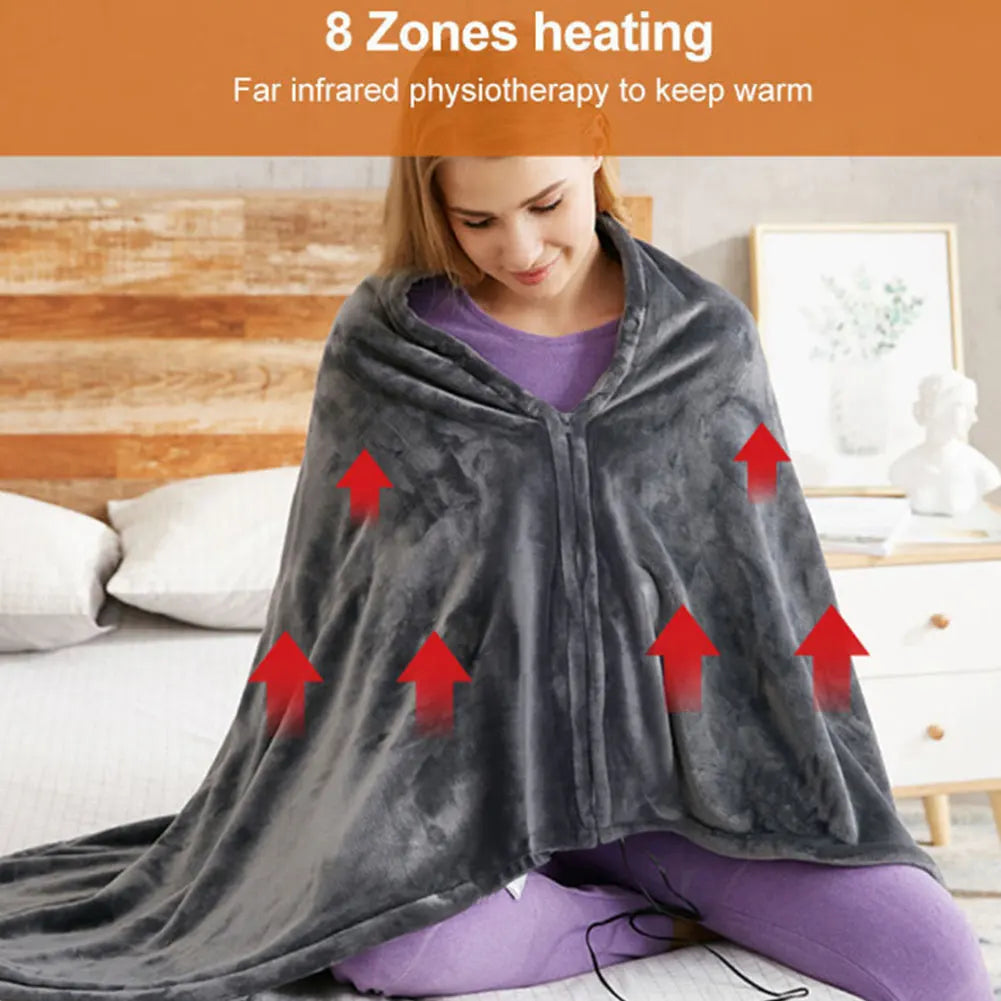
soft fleece blankets and cozy fleece blankets for everyday warmth — See it in action
Cozy Throw Blankets Comparison at a Glance
When comparing cozy throw blankets, the most important differences are material, insulation, weight, maintenance, and price. A throw blanket is generally a smaller blanket designed for personal use, while fleece describes the material. That means a fleece blanket can also be a throw blanket, but not every throw blanket is made from fleece.
Side-by-Side Comparison Table
| Feature | Fleece Throw | Plush or Sherpa Throw | Wool Throw | Cotton Throw |
|---|---|---|---|---|
| Warmth | High for its weight | Very high | Very high | Low to moderate |
| Softness | Soft and smooth | Very soft and plush | Warm with a more textured feel | Soft and breathable |
| Weight | Lightweight | Medium to heavy | Medium to heavy | Light to medium |
| Breathability | Moderate | Low to moderate | Good | High |
| Care | Usually easy to machine wash | Usually machine washable, depending on construction | Often requires gentler care | Generally easy to wash |
| Best Use | Everyday comfort and travel | Cold-weather lounging | Cold climates and premium warmth | Year-round layering |
Best Choice by Use Case
- Best for lightweight everyday warmth: Fleece
- Best for a plush, luxurious feel: Plush or faux fur
- Best for maximum cold-weather insulation: Wool or thick sherpa
- Best for breathability and mild climates: Cotton
- Best for easy travel: Lightweight fleece
- Best for decorative comfort: Plush, faux fur, or textured knit throws
Pros and Cons Summary
Fleece pros: Lightweight, warm for its weight, compact, affordable, and usually easy to wash.
Fleece cons: It may feel less luxurious than plush or faux fur and can feel warmer than desired for people who overheat easily.
Other cozy throw pros: Wool, sherpa, plush, and faux fur can offer stronger insulation or a more premium texture.
Other cozy throw cons: Some are heavier, less portable, more expensive, or more demanding to maintain.
In short, the most comfortable throw blanket is the one that matches your temperature preferences and daily routine. For many households, a lightweight fleece throw is the most versatile option, while thicker materials are better when maximum warmth is the priority.
Cozy Throw Blanket vs Fleece Blanket: Key Differences Explained
The difference between fleece and throw blankets is primarily a difference between material and purpose or size . A cozy throw blanket is typically a smaller blanket intended for one person, often used on a couch, chair, bed, or while traveling. Fleece is a synthetic fabric commonly used to make blankets and throws.
Material and Fabric Construction
Throw blankets can be made from cotton, fleece, wool, sherpa, plush fabrics, faux fur, or blended materials. Fleece is generally made from polyester fibers with a brushed surface that creates a soft texture and helps retain warm air.
This distinction matters because comparing a fleece blanket with a throw blanket is not always an apples-to-apples comparison. A fleece throw is both a fleece blanket and a throw blanket. The more useful comparison is usually fleece versus another specific material, such as fleece versus plush or fleece versus wool.
Warmth and Heat Retention
Fleece provides strong warmth relative to its weight because its structure helps trap air near the body. However, thickness and construction matter. A thin fleece throw may be less insulating than a thick sherpa, wool, or plush blanket.
For that reason, the warmest option is not determined by the word “throw.” A thick throw made from an insulating material can be warmer than a lightweight regular blanket made from a breathable fabric.
Weight and Breathability
Fleece is typically lightweight and flexible, making it convenient for couches, beds, travel, and layering. Thick plush, faux fur, and some wool throws feel heavier and more substantial, which some people prefer for cold-weather comfort.
Breathability also varies by fabric. Cotton and wool generally allow more moisture and heat movement than dense synthetic plush materials. If you tend to feel hot while sleeping or lounging, a lighter and more breathable fabric may be more comfortable.
Durability and Long-Term Value
Fleece can provide good long-term value because it is generally affordable, lightweight, and resistant to many common forms of everyday wear. Its value is especially strong for households that want a blanket for frequent washing and regular use.
Wool can also be highly durable when cared for properly, while premium plush and faux fur throws may require more attention to preserve their texture. The best long-term choice depends on how frequently the blanket will be used and whether convenience or premium materials matter more to you.
Maintenance and Washability
Many fleece throws are easy to maintain and can be machine washed according to the care label. Using appropriate washing temperatures and avoiding excessive heat can help preserve softness and shape.
Wool, delicate knits, and some decorative throws may require more careful cleaning. Always follow the manufacturer's care instructions, especially when a blanket contains blended fibers, decorative trim, or special backing.
Throw Blanket vs Fleece Blanket Warmth Comparison
When comparing throw blanket vs fleece blanket warmth, the key factor is not simply the blanket's size. Material, thickness, loft, and the amount of air trapped within the fabric all influence how warm a blanket feels.
Which Blanket Feels Warmest?
A thick wool, sherpa, or plush throw may feel warmer than a thin fleece blanket. However, fleece often provides an excellent balance of insulation and low weight. This makes it a popular choice for people who want warmth without a heavy blanket pressing down on them.
In practical terms, a thick and dense throw is often warmer than a lightweight one, regardless of whether it is marketed as a throw or a regular blanket.
Warmth by Climate
- Mild climates: Cotton, lightweight fleece, and thin knitted throws can provide comfortable warmth without excessive insulation.
- Cool indoor rooms: Medium-weight fleece and plush throws offer a practical balance of warmth and comfort.
- Cold winters: Thick fleece, sherpa, wool, and dense plush materials are better suited to stronger insulation.
- Variable temperatures: A lightweight fleece throw is easy to add or remove as conditions change.
Breathability vs Insulation
Maximum warmth is not always the same as maximum comfort. A dense blanket can retain more heat, but a breathable material may feel better if you tend to overheat. Fleece offers moderate breathability with reliable insulation, while cotton is generally more breathable and thick sherpa or plush materials tend to emphasize warmth.
Is a Throw Warmer Than a Blanket?
A throw is not automatically warmer than a regular blanket. “Throw” usually describes a smaller blanket designed for personal use, while warmth depends mainly on the material, thickness, and construction. A thick wool throw can be warmer than a thin fleece blanket, while a lightweight cotton throw may provide less insulation than a heavier fleece blanket.
For layering, a throw can be especially useful because it adds targeted warmth without requiring you to heat an entire room or use a heavier full-size blanket.
Warmest Blanket Materials Comparison
The warmest blanket materials comparison depends on more than insulation alone. Softness, breathability, weight, durability, and care requirements all influence which material feels best in real-world use.
Fleece
Fleece is a strong all-around choice for lightweight warmth. Its brushed synthetic fibers help trap warm air while keeping the blanket relatively light and easy to fold. Fleece is particularly useful for everyday lounging, layering, travel, and households that prefer simple care.
Sherpa
Sherpa has a thick, fluffy texture designed to provide substantial warmth and softness. It is often used in cold-weather throws and reversible blankets, sometimes paired with a smooth fleece side for a combination of insulation and comfort.
Plush
Plush blankets are designed to feel soft and substantial. Compared with standard fleece, plush fabrics may have a denser or more velvety surface. A plush throw can be an excellent choice for people who prioritize softness and a luxurious feel alongside warmth.
Wool
Wool is a naturally insulating material that can provide substantial warmth while offering useful breathability. It is a strong option for colder environments, although care requirements and texture can vary significantly between wool types and blends.
Faux Fur
Faux fur throws provide a thick, luxurious texture and can offer strong insulation. They are often chosen for decorative living spaces and cold-weather comfort, although they may be heavier and less convenient for travel than fleece.
Cotton Knit
Cotton knit throws are breathable and comfortable, making them useful in mild climates or as an additional layer. They generally provide less insulation than thick fleece, sherpa, wool, or plush fabrics of similar size.
Best Cozy Throw Blankets by Category
The best cozy blankets are not identical for every shopper. A blanket that is perfect for a cold bedroom may be too warm for a mild climate, while a lightweight travel throw may not provide enough insulation for winter nights.
Best Overall
A medium-weight fleece throw is often the best overall choice because it combines warmth, low weight, easy storage, and relatively simple care. It works well for couches, bedrooms, travel, and everyday layering.
Best Budget
Basic fleece throws are usually among the most affordable options. They provide dependable warmth and softness without the higher cost associated with premium wool, specialty knits, or luxury faux fur.
Best Luxury
For a more premium experience, consider high-quality wool, plush, faux fur, or carefully constructed sherpa throws. These materials can provide a more substantial texture and elevated appearance in addition to warmth.
Best for Winter
Thick sherpa, wool, dense plush, and heavy fleece are strong choices for cold winter conditions. Choose based on whether you prefer maximum insulation, natural fibers, or a soft synthetic texture.
Best for Travel
A lightweight fleece throw is usually the most practical travel option. It folds easily, adds personal warmth on trips, and is generally easier to pack than a thick wool, faux fur, or heavy sherpa blanket.
Best for Pets
For pets, a washable and durable fleece throw is often a practical choice for protecting furniture and creating a comfortable resting surface. Look for a blanket that is easy to clean and appropriate for the intended space.
How Cozy Throw Blankets Compare in Material, Warmth, and Comfort
Understanding how cozy throw blankets compare in terms of material and warmth makes it easier to choose based on your actual needs rather than appearance alone. Different fabrics excel in different conditions.
Fleece vs Plush
Fleece is generally lighter and more practical, while plush blankets are often selected for a softer, denser, more luxurious feel. A plush blanket may feel warmer because of its thickness and surface texture, but fleece is usually easier to pack and layer.
If you want a versatile blanket for everyday use, fleece is often the better choice. If softness and a premium feel are your top priorities, plush may be more appealing.
Sherpa vs Faux Fur
Sherpa and faux fur both provide a thick, soft texture and strong cold-weather comfort. Sherpa is commonly used in practical reversible blankets, while faux fur is often chosen for a more decorative and luxurious appearance.
The best choice depends on whether you prioritize easy everyday use, visual style, texture, and maintenance.
Cotton vs Wool
Cotton is generally lighter and more breathable, making it useful for mild temperatures and year-round layering. Wool provides stronger natural insulation and is often better suited to colder conditions.
Choose cotton when breathability and easy everyday comfort matter most. Choose wool when cold-weather warmth and natural insulation are higher priorities.
Best Material for Year-Round Use
For many households, lightweight to medium-weight fleece offers the best balance for year-round use. It provides warmth during cooler months without the bulk of heavier materials and can be layered when temperatures drop.
In warmer climates, breathable cotton may be more comfortable. In consistently cold climates, thicker fleece, sherpa, or wool may provide better insulation.
How to Choose the Right Cozy Throw Blanket
A practical cozy throw blanket buying guide should start with how and where you will use the blanket. Instead of choosing based only on appearance, consider climate, room, maintenance, size, and budget.
Choose by Climate
For mild temperatures, choose cotton or lightweight fleece. For cool indoor rooms, medium-weight fleece or plush materials offer a useful balance. For colder winters, consider thick fleece, sherpa, wool, or dense plush materials.
Choose by Room
For a living room, appearance and softness may matter as much as warmth. A plush, faux fur, or textured throw can complement the space. For a bedroom, prioritize the warmth level and breathability that match your sleeping preferences. For a home office or reading chair, a lightweight fleece throw is convenient and easy to keep nearby.
Choose by Maintenance
If the blanket will be used frequently, choose a material with care instructions that fit your routine. Fleece and many cotton throws are often convenient for regular washing, while wool and delicate decorative materials may require more careful treatment.
Choose by Budget
Fleece is often a strong value option for shoppers who want reliable warmth at an accessible price. Premium wool, high-quality plush, sherpa, and faux fur can cost more but may offer a different texture, appearance, or level of insulation.
Consider Size and Coverage
Many throw blankets measure approximately 50 by 60 inches, although sizes vary. This is typically suitable for one-person couch use or casual layering. A larger throw may provide more coverage on a bed, while a smaller blanket may be easier to carry and store.
Some buyers combine fleece comfort with modern heating technology, such as this USB Heated Blanket , for targeted warmth during extremely cold weather.
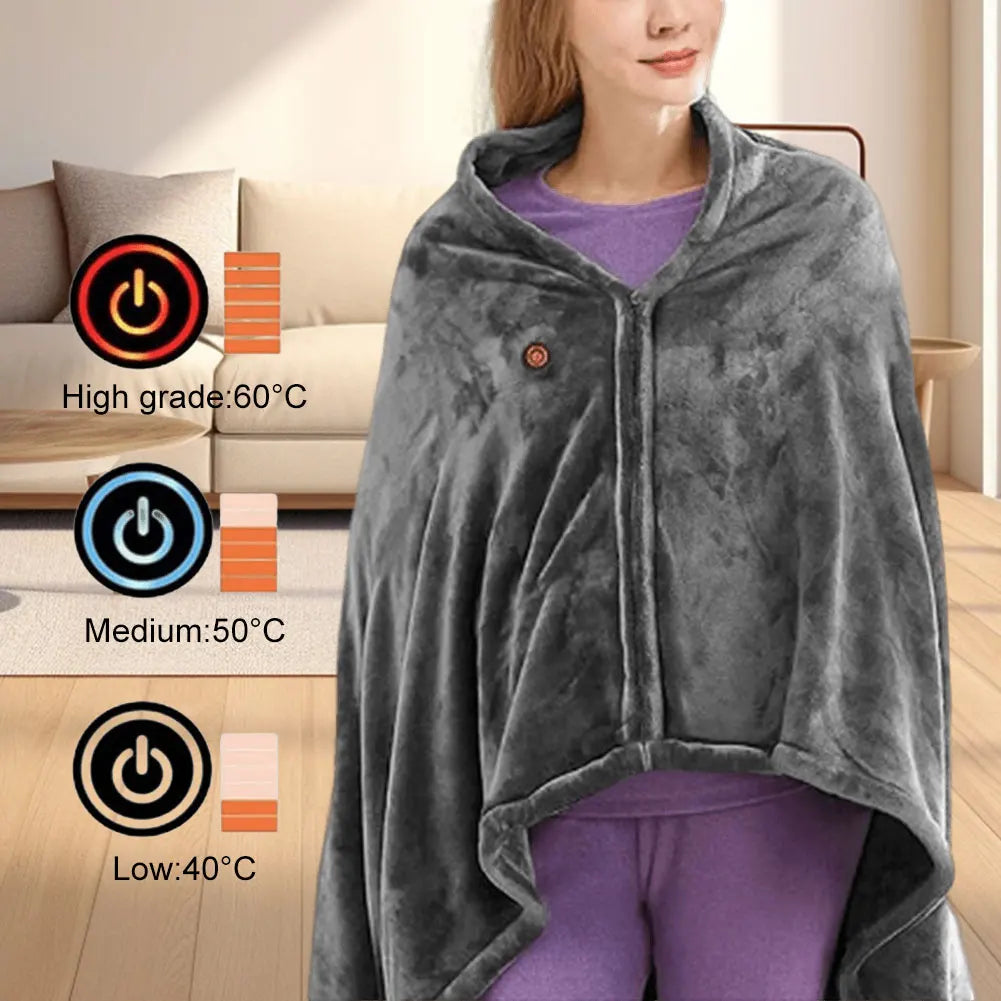
soft fleece blankets for winter comfort — See it in action
Frequently Asked Questions
How do cozy throw blankets compare in terms of material and warmth?
Cozy throw blankets vary widely because they can be made from fleece, plush, sherpa, wool, faux fur, cotton, or blends. Fleece offers lightweight warmth, while thick sherpa, plush, wool, and faux fur can provide stronger insulation. Cotton is generally more breathable and better suited to mild temperatures or layering.
What is the warmest type of throw blanket?
The warmest type of throw blanket is typically a thick wool, sherpa, plush, or dense faux fur throw. Actual warmth depends on the material's thickness, construction, and how effectively it traps air.
Are throw blankets warm enough for winter?
Yes, some throw blankets are warm enough for winter. Thick fleece, sherpa, wool, plush, and faux fur throws can provide substantial insulation. Lightweight cotton throws are generally better for mild weather or layering.
Is a throw warmer than a regular blanket?
Not necessarily. A throw is usually defined by its size and intended use rather than its warmth. A thick wool throw may be warmer than a thin regular blanket, while a lightweight cotton throw may provide less insulation than a heavier fleece blanket.
Are fleece blankets the warmest option?
Fleece blankets are not always the warmest option. Thick wool, sherpa, plush, or faux fur may provide stronger insulation. However, fleece offers an excellent balance of warmth, low weight, portability, and easy care.
Are fleece blankets worth buying?
Fleece blankets are worth considering if you want affordable, lightweight warmth that is easy to use for lounging, layering, travel, or everyday comfort. They are especially practical for shoppers who prioritize versatility and simple maintenance.
Is a fleece blanket warm?
Yes. A fleece blanket can feel quite warm because its fabric structure helps retain warm air while remaining relatively lightweight. The warmth level depends on the fleece's thickness and construction.
What is the difference between fleece and plush blankets?
Fleece is generally lightweight, smooth, and practical, while plush blankets typically emphasize a denser, softer, more luxurious texture. Both can be warm, but plush may feel heavier and more substantial than standard fleece.
Which cozy throw blanket is best for year-round use?
A lightweight or medium-weight fleece throw is often the most versatile year-round choice because it provides warmth without excessive bulk. In warmer climates, breathable cotton may be more comfortable, while colder environments may require thicker fleece, sherpa, or wool.
Should I choose a throw blanket or a regular blanket?
Choose a throw blanket when you want personal coverage for a couch, chair, travel, or light layering. Choose a regular blanket when you need more coverage for a bed or want a primary sleeping layer. The best option depends on the intended use, not simply the label.
Related Guide: Best USB Heated Blanket for Maximum Comfort