Does a soothing foot spa really work for relaxation and recovery?
Yes—for most healthy adults, a soothing foot spa can be an effective way to ease tired feet, promote relaxation, and support short-term recovery after standing, walking, or exercise. The primary foot spa benefits come from warm water, gentle massage, and hydrotherapy, which work together to relax muscles, encourage healthy blood flow, and reduce feelings of foot fatigue. While a foot spa is not a medical treatment for chronic foot conditions, evidence supports the use of heat and massage as practical tools for improving comfort and overall well-being.
Soothing Foot Spa Benefits for Relaxation, Circulation, and Recovery
A soothing foot spa offers far more than a comforting soak. Regular sessions may help improve circulation, relieve muscle tension, reduce everyday stress, and support recovery after long hours on your feet. By combining warm water with massage features and hydrotherapy principles, many modern foot spas provide a simple way to incorporate restorative self-care into your daily routine.
Whether you use a foot spa for home use after work, following exercise, or as part of an evening wellness ritual, consistent sessions can improve physical comfort while encouraging relaxation. The greatest benefits are typically experienced when a foot spa is paired with healthy foot care habits and regular movement.
Aching feet after long workdays, lingering soreness after workouts, or constant muscle tension can gradually affect your comfort, mobility, and mood. A soothing foot spa transforms recovery into an easy at-home ritual, helping you unwind, encourage circulation, and give tired feet the attention they deserve.
⏱ 6 min read
Have you ever noticed that your feet can still feel heavy and tired even after sitting down? Adding warmth and gentle massage may help your body transition from daily activity into a more relaxed state.
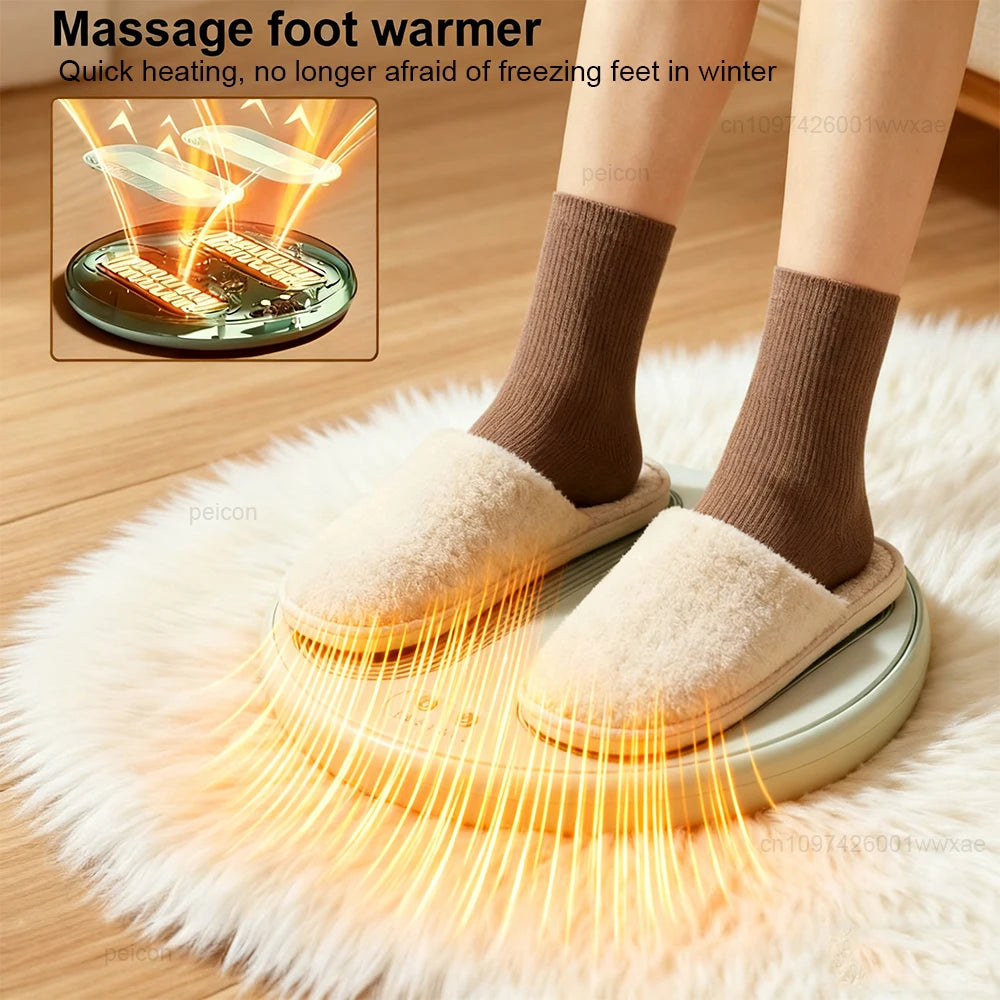
A soothing foot spa designed for daily foot relaxation — See it in action
What Are the Main Foot Spa Benefits for the Body?
Foot spa therapy combines warm water immersion, gentle massage, and hydrotherapy to create several evidence-supported benefits. While results vary from person to person, research on heat therapy and massage suggests these features can improve comfort, promote relaxation, and temporarily reduce muscle tightness. Understanding what a foot spa can realistically do helps set appropriate expectations.
May improve circulation through warmth and hydrotherapy
Warm water encourages blood vessels near the skin to widen, increasing blood flow to the feet and lower legs. Improved circulation supports oxygen delivery to muscles and soft tissues, which may reduce feelings of fatigue after prolonged standing or walking. Although a foot spa does not treat circulatory disease, healthy individuals often experience warmer, more comfortable feet after a session.
Helps reduce muscle tension and foot fatigue
Massage rollers, vibration, and warm water work together to relax tight muscles and reduce stiffness. This foot spa therapeutic effect may be especially noticeable after work shifts, travel, or exercise, when the muscles of the feet have been under prolonged stress.
Supports relaxation and stress reduction
The combination of warmth, light massage, and quiet rest encourages the body's natural relaxation response. Many users report lower stress levels and a greater sense of calm after a 15–20 minute session, making a foot spa a practical addition to an evening self-care routine.
May aid recovery after standing or exercise
People who spend much of the day on their feet or participate in regular physical activity often use a foot spa for recovery. Increased circulation and relaxed muscles may help reduce the sensation of soreness and heaviness, although recovery also depends on adequate rest, hydration, and overall health.
Can improve comfort before sleep
Using a home foot spa before bedtime can help the body transition into a more restful state. Relaxed muscles, reduced foot discomfort, and the calming effect of warm water may make it easier to unwind at the end of a busy day.
How a Foot Spa Works (Hydrotherapy Explained)
The therapeutic effects of a foot spa are primarily driven by hydrotherapy, heat, and mechanical massage. Each feature contributes differently, which is why understanding how a foot spa works helps explain why it feels so relaxing without overstating its medical benefits.
Heat and blood vessel response
Warm water causes superficial blood vessels to dilate, increasing blood flow to the feet and lower legs. This improved circulation delivers oxygen and nutrients to tissues while helping muscles feel looser and less tense. For most users, water between 37°C and 40°C provides effective warmth without excessive heat.
Hydrotherapy and buoyancy
Hydrotherapy combines the soothing properties of warm water with gentle movement. Even though your body weight is only partially supported during a foot soak, buoyancy and water movement help reduce pressure on sore tissues while creating a calming sensory experience that contributes to relaxation.
Massage rollers and vibration
Many electric foot spas include textured massage rollers and vibration functions that stimulate the soles of the feet. These features provide gentle mechanical stimulation, helping ease muscle tightness and improving overall comfort during a session. Their effects are generally greatest when combined with warm water rather than used alone.
Why bubbles feel relaxing but have limited therapeutic effects
Bubble jets create a pleasant spa-like sensation by moving water around the feet, but they contribute less to muscle recovery than heat or massage rollers. Their primary benefit is enhancing comfort and the overall relaxation experience rather than providing deep therapeutic massage.
Who Benefits Most From a Foot Spa?
A foot spa for home use can benefit many people, but the results depend on individual needs, overall health, and how consistently it is used. While it is not a substitute for medical treatment, regular sessions may help improve comfort, reduce everyday foot fatigue, and support relaxation for people with active lifestyles.
People who stand for long hours
Healthcare professionals, retail employees, hospitality workers, teachers, and others who spend much of the day standing often experience sore, tired feet by evening. A 15–20 minute foot spa session with warm water and gentle massage may help relieve muscle tension, reduce feelings of heaviness, and improve overall comfort before the next day.
Active individuals after exercise
Walking, running, hiking, and strength training can leave the feet and lower legs feeling fatigued. Although a foot spa does not replace proper recovery practices, its combination of warmth and massage can promote relaxation and temporarily ease post-exercise stiffness as part of a broader recovery routine.
Older adults with tired feet
Many older adults experience occasional foot discomfort related to everyday activity. For those without medical conditions that limit heat therapy, a home foot spa may provide gentle comfort, improve flexibility in stiff muscles, and make regular foot care more enjoyable. Individuals with diabetes, neuropathy, or significant circulation problems should consult a healthcare professional before use.
People seeking stress relief
A foot spa is often used not only for physical recovery but also for mental relaxation. Setting aside time for a warm foot soak encourages a slower pace, helping reduce everyday stress while creating a consistent self-care habit that fits easily into an evening routine.
Foot Spa vs Traditional Foot Soak vs Manual Foot Massage
Warm water alone can be soothing, but different recovery methods provide different levels of support. A traditional foot soak focuses on warmth, a manual massage relies on hands or massage tools, and an electric foot spa combines heat with hydrotherapy and massage features for a more comprehensive at-home experience.
| Feature | Traditional Foot Soak | Manual Foot Massage | Electric Foot Spa |
|---|---|---|---|
| Warm water therapy | Yes | No | Yes |
| Massage stimulation | No | Hands or massage tool | Integrated rollers and vibration |
| Consistent water temperature | Limited | Not applicable | Available on many models |
| Hydrotherapy effects | Basic | No | Enhanced through water movement |
| Best for | Simple relaxation | Targeted muscle work | Routine recovery and relaxation |
A traditional foot soak offers basic warmth and relaxation, while manual massage can target specific areas of tension. An electric foot spa combines these benefits with hydrotherapy, massage rollers, and vibration, making it a convenient option for people seeking consistent home foot spa benefits after work, travel, or exercise.
Explore the electric foot spa solution for a convenient way to incorporate warm-water hydrotherapy and massage into your regular wellness routine.
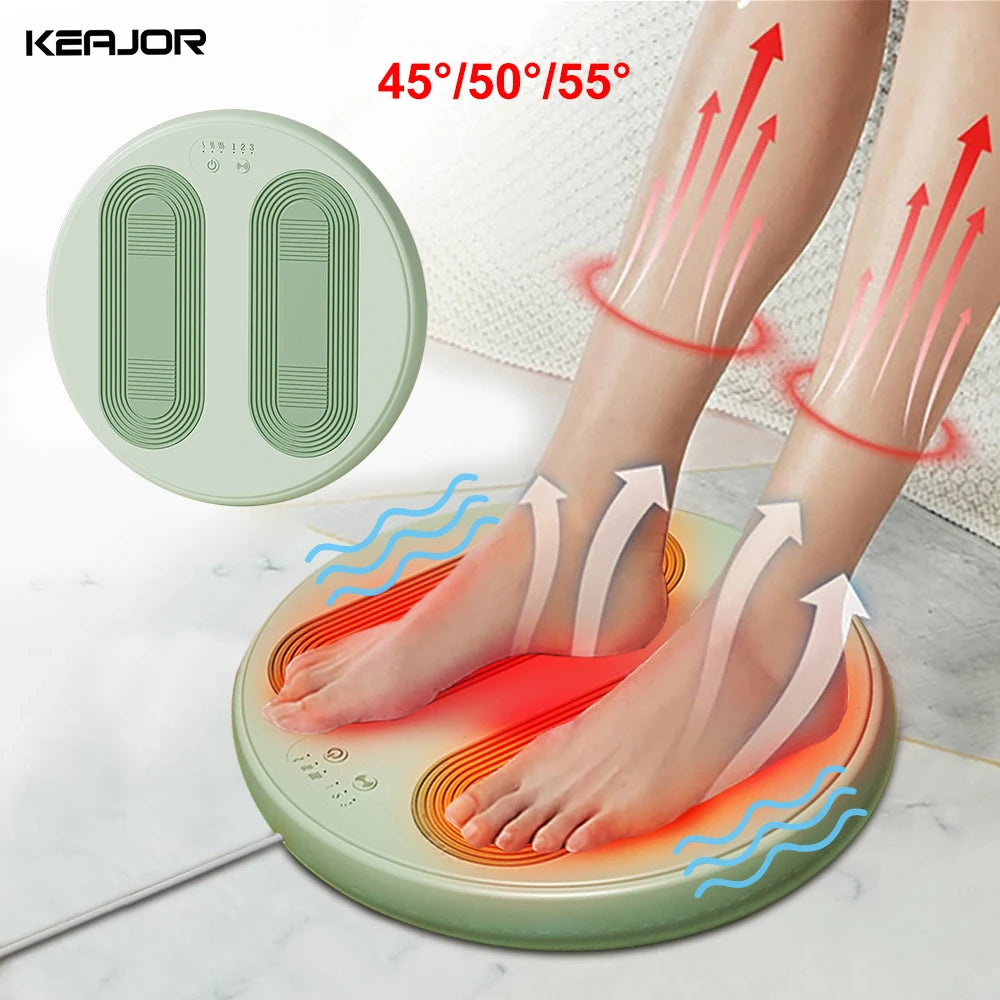
A foot spa for home use that supports recovery — Experience the comfort
How to Get the Most Benefits From a Foot Spa
Using a foot spa correctly helps maximize comfort while reducing the risk of skin irritation. A consistent routine is generally more beneficial than occasional long sessions.
Ideal water temperature
Keep the water between 37°C and 40°C . This range is warm enough to encourage relaxation and healthy circulation without exposing the skin to excessive heat.
Recommended session length
Most people benefit from soaking their feet for 15–20 minutes . Longer sessions typically provide little additional benefit and may contribute to dry skin.
How often to use a foot spa
For general relaxation and recovery, using a foot spa two to four times per week is sufficient for most people. Those with active lifestyles may choose more frequent sessions if their skin remains healthy and comfortable.
Aftercare tips
- Dry your feet thoroughly, especially between the toes.
- Apply a moisturizer to help maintain the skin barrier.
- Stay hydrated after longer warm-water sessions.
- Clean the foot spa according to the manufacturer's instructions after each use.
- Maintain a regular routine rather than relying on occasional extended sessions.
Complement your routine with tools from the Body Care and Health Devices collection to support full-body recovery.
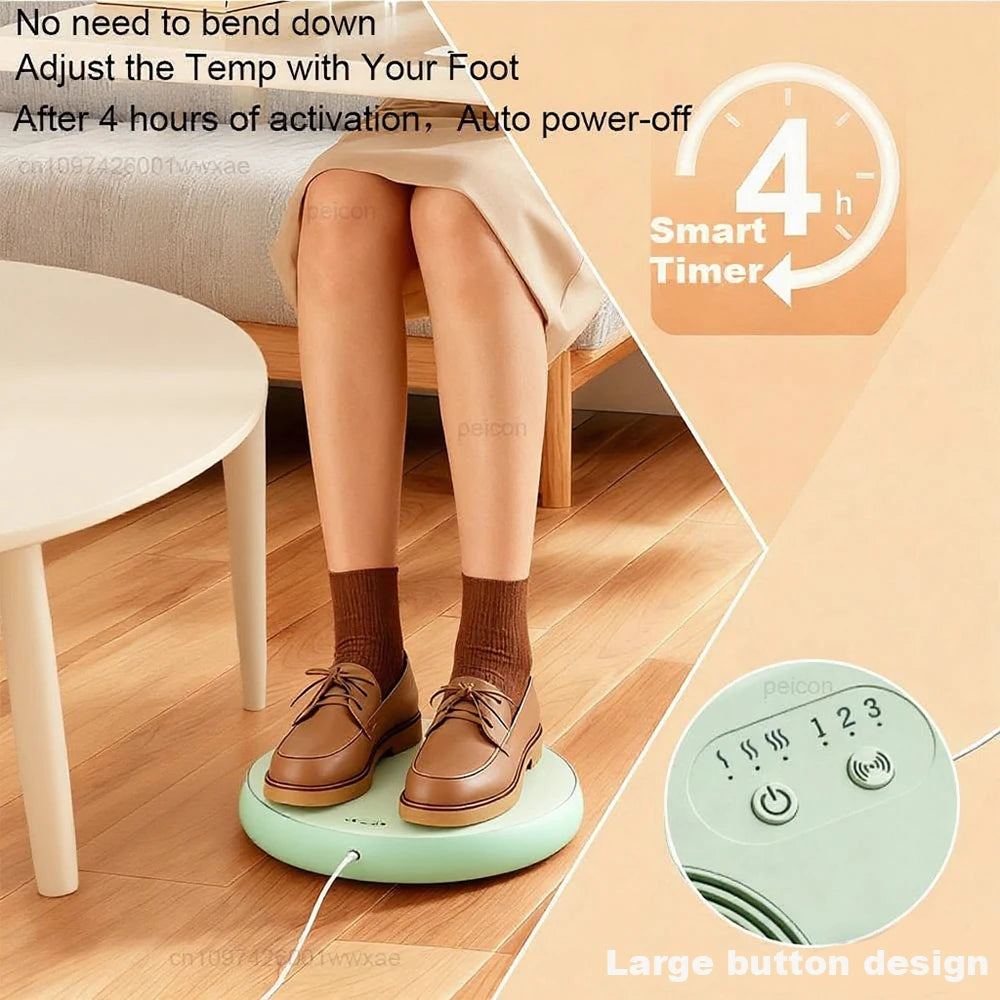
Your home spa for feet starts here — See the difference
Who Should Avoid Using a Foot Spa?
Foot spas are safe for most healthy adults when used as directed, but they are not appropriate for everyone. If you have an underlying medical condition that affects circulation, sensation, or skin integrity, speak with a healthcare professional before using warm-water hydrotherapy.
Diabetes and neuropathy
People with diabetes or peripheral neuropathy may have reduced sensation in their feet, making it difficult to judge water temperature accurately. This increases the risk of burns or skin injury, so medical guidance is recommended before regular use.
Open wounds or infections
Avoid using a foot spa if you have cuts, blisters, ulcers, fungal infections, or other open skin conditions. Warm water may worsen irritation or increase the risk of infection if the device is not thoroughly sanitized.
Severe circulatory disorders
Individuals with significant peripheral artery disease or other serious circulatory disorders should consult their healthcare provider before using a foot spa, as heat therapy may not be appropriate for every condition.
When to consult a healthcare professional
- Use warm—not hot—water, ideally between 37°C and 40°C.
- Limit sessions to about 15–20 minutes.
- Stop use if you experience pain, dizziness, skin irritation, or unusual discomfort.
- Clean and dry the foot spa thoroughly after every session to maintain hygiene.
Frequently Asked Questions
What are the benefits of a foot spa?
Common foot spa benefits include temporary relief from tired feet, reduced muscle tension, improved relaxation, and increased comfort after prolonged standing or exercise. Warm water and massage may also encourage healthy circulation in otherwise healthy individuals.
Is a foot spa good for your feet?
For most people, yes. A foot spa can be a helpful addition to a regular foot care routine by combining warmth, hydrotherapy, and gentle massage. It should not, however, be considered a treatment for chronic medical conditions or persistent foot pain.
How often should you use a foot spa?
Most people benefit from using a foot spa two to four times per week. Short sessions of 15–20 minutes are generally sufficient for relaxation and recovery, although some people safely enjoy daily use with moderate water temperatures.
What is the best water temperature for a foot spa?
A temperature between 37°C and 40°C provides comfortable warmth while minimizing the risk of skin irritation. Avoid excessively hot water, particularly if you have sensitive skin or reduced sensation in your feet.
Can a foot spa improve circulation?
Warm water encourages blood vessels near the skin to widen, temporarily increasing blood flow to the feet and lower legs. While this may improve comfort and reduce feelings of fatigue, it is not a treatment for circulatory disease.
Can a foot spa help plantar fasciitis?
A foot spa may temporarily ease discomfort associated with plantar fasciitis by relaxing tight muscles and soft tissues, but it does not address the underlying cause. Stretching, supportive footwear, and guidance from a healthcare professional remain important components of treatment.
Can a foot spa replace a massage?
A home foot spa provides gentle massage and hydrotherapy that many people find relaxing, but it cannot fully replace the personalized techniques of a licensed massage therapist for addressing specific muscular issues.
Are foot soak benefits backed by science?
Yes. Research supports the use of warm-water immersion and massage for promoting relaxation, easing temporary muscle tension, and improving comfort. However, evidence for treating specific medical conditions remains limited, so results vary depending on the individual.
Related Guide: Stimulate Circulation in Feet: Best Devices for Every Need