

Stainless Steel Camping Stove Durability: Material Science, Testing, and Real-World Performance
Choosing a camping stove is about more than burner output or brand reputation. The material used in the stove's frame and cooking surface has a direct impact on durability, heat resistance, corrosion protection, and long-term reliability. Whether you camp occasionally or spend weeks outdoors each year, understanding how stainless steel compares with aluminum and other common materials can help you choose equipment that withstands demanding conditions without compromising performance.
This guide explains the science behind stainless steel camping stove durability, including common stainless steel grades, corrosion resistance, and performance during repeated heating cycles. You'll also learn why material selection plays such an important role in reducing common camping gas stove problems over years of outdoor use.
⏱ 6 min read
Explore what makes some outdoor camping stoves last while others fail.
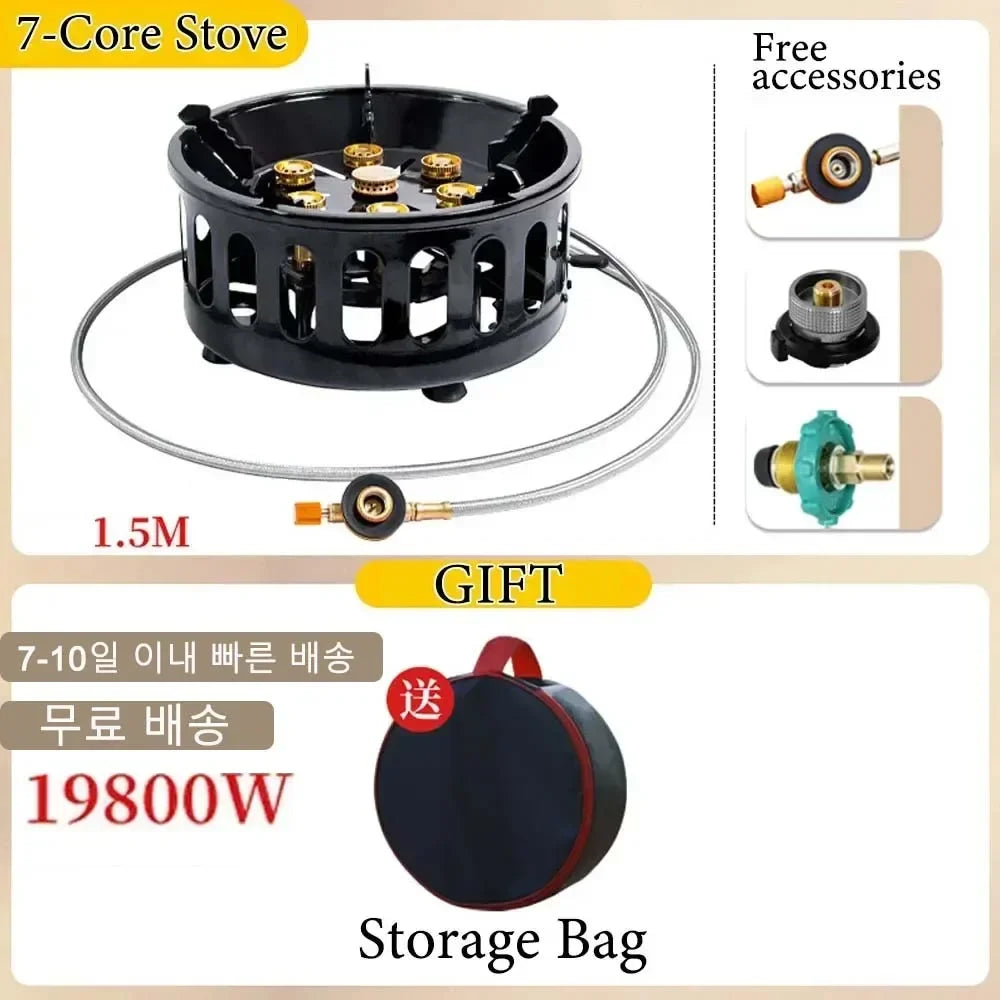
Stainless steel camp stove durability under real heat and packing stress. See it in action.
What Makes Stainless Steel Durable? (Grades, Composition, and Heat Behavior)
The durability of a stainless steel camp stove comes from its unique combination of alloy composition, heat resistance, and corrosion protection. Unlike painted or coated metals that rely on surface finishes, stainless steel protects itself through its chemical makeup, allowing it to perform consistently through years of outdoor cooking.
Stainless Steel Grades Used in Camp Stoves (304 vs 430 vs 316)
Not every stainless steel camping stove uses the same alloy. The grade selected influences corrosion resistance, strength, and overall lifespan.
- 304 stainless steel: The most common premium choice, offering an excellent balance of strength, corrosion resistance, and affordability for regular camping.
- 430 stainless steel: A more economical option that provides good heat resistance but lower corrosion protection in consistently wet or coastal environments.
- 316 stainless steel: Contains additional molybdenum for superior resistance to salt, humidity, and harsh outdoor conditions, making it well suited for marine or coastal camping.
For most campers, Grade 304 delivers the best combination of durability, value, and long-term performance.
How Stainless Steel Resists Corrosion (Chromium Oxide Layer Explained)
Stainless steel contains chromium, which reacts with oxygen to form an extremely thin chromium oxide layer across the surface. Although invisible, this protective layer continuously shields the underlying metal from rust and corrosion. If the surface is lightly scratched, the oxide layer naturally reforms when exposed to air, helping maintain long-term protection without additional coatings.
This self-protecting characteristic explains why stainless steel camping stoves continue performing reliably after exposure to rain, humidity, spilled food, or repeated outdoor use.
Behavior Under Repeated Heat Cycles
Every cooking session subjects a stove to thermal expansion and contraction. Over hundreds of heating and cooling cycles, lower-grade materials can gradually warp, loosen, or fatigue around burner assemblies and cookware supports.
A quality stainless steel camp stove maintains its structural integrity far better under repeated high temperatures. Its resistance to heat fatigue helps preserve burner alignment, stable pot supports, and overall frame rigidity, contributing to dependable performance during years of regular camping.
Stainless Steel vs Aluminum Camp Stove: Which Is Better?
Durability and Impact Resistance
When durability is the priority, stainless steel consistently outperforms aluminum. Its higher strength allows the frame, pot supports, and burner housing to withstand repeated loading, accidental drops, and vibration during transport with less risk of bending or permanent deformation.
Aluminum remains structurally sound for normal recreational use, but because it is softer, it is more susceptible to dents and distortion after repeated mechanical stress. This difference becomes increasingly noticeable for campers who cook frequently or transport their stove over rough terrain.
Weight and Portability Trade-Off
Aluminum's greatest advantage is its low weight. Backpackers, bikepackers, and minimalist hikers often prioritize every gram of gear, making aluminum an attractive option for short trips where portability outweighs maximum longevity.
A stainless steel camp stove weighs more, but the additional mass contributes to improved stability when supporting larger cookware and cooking for multiple people. For car camping, RV travel, overlanding, and base camps, many outdoor enthusiasts consider the added durability well worth the modest weight increase.
Heat Performance and Efficiency
Aluminum transfers heat rapidly, allowing the stove body to warm quickly. However, prolonged exposure to high-output burners can eventually contribute to warping in thinner aluminum components.
Stainless steel heats more gradually while maintaining its shape under sustained high temperatures. Its superior resistance to heat fatigue helps preserve burner alignment, cookware stability, and overall structural performance during repeated cooking sessions.
Best Use Cases for Each Material
- Choose stainless steel if you value maximum durability, frequent outdoor use, heavy cookware support, and dependable long-term performance.
- Choose aluminum if minimizing pack weight is your primary objective and the stove will see lighter or occasional use.
Camping Stove Materials Comparison (Steel, Aluminum, Titanium)
Strength-to-Weight Ratio
Each material offers a different balance between portability, durability, and cooking performance.
| Material | Weight | Durability | Corrosion Resistance | Best For |
|---|---|---|---|---|
| Stainless Steel | Moderate | Excellent | Excellent | Frequent camping, family trips, long-term ownership |
| Aluminum | Light | Moderate | Good | Backpacking and lightweight travel |
| Titanium | Very Light | Excellent | Excellent | Ultralight expeditions where weight is critical |
Field Performance Differences
Real-world performance depends on more than laboratory specifications. Stainless steel remains the preferred material for campers who regularly encounter rain, mud, rough roads, and repeated high-temperature cooking because it combines structural strength with excellent corrosion resistance.
Aluminum performs well on shorter trips where minimizing gear weight is important, while titanium excels in specialized ultralight applications despite its higher cost and potential for creating localized hot spots during cooking.
Cost vs Lifespan
Considering total ownership cost rather than purchase price often changes the value equation. Stainless steel camping stoves typically have a higher initial cost than basic aluminum models, but their resistance to corrosion, warping, and impact damage often results in a substantially longer service life.
Aluminum remains a cost-effective solution for occasional campers, whereas titanium commands premium pricing that is generally justified only for users seeking the lightest possible equipment.
Camping Stove Durability Test: What Causes Failure?
Thermal Stress and Repeated Heating
Every heating cycle causes metal to expand, followed by contraction as the stove cools. Over hundreds of cycles, these repeated stresses can weaken thinner materials, loosen fasteners, and eventually lead to distortion around burners or cookware supports. Materials with greater heat stability experience less long-term fatigue.
Moisture and Corrosion Exposure
Outdoor equipment is routinely exposed to rain, morning condensation, humidity, and spilled cooking liquids. Corrosion gradually weakens unprotected metal surfaces, particularly where coatings become scratched or worn. Stainless steel's protective chromium oxide layer significantly slows this process, helping maintain structural integrity throughout years of outdoor use.
Impact Damage in Transport
Camping stoves frequently experience vibration inside vehicles, compression from packed gear, and occasional drops during setup or transport. Stronger materials better resist dents, bent pot supports, and frame deformation, reducing the likelihood of performance issues after repeated trips.
Component Wear Over Time
Even when the stove body remains intact, moving components eventually experience wear. Burner heads, ignition systems, hinges, control valves, fuel connections, and pot supports all benefit from a rigid frame that minimizes flexing during operation. A durable stainless steel construction helps these components remain properly aligned, contributing to consistent burner performance and a longer overall service life.
Common Camping Gas Stove Problems by Material
Aluminum Stove Weak Points
Aluminum camping stoves are valued for their lightweight construction, but they are generally more vulnerable to long-term heat stress. Repeated exposure to high burner temperatures can gradually warp thinner components, particularly around pot supports and burner mounts. While quality aluminum models perform well for many recreational users, frequent high-output cooking can shorten their service life.
Coated Steel Issues
Coated steel relies on painted or powder-coated finishes to shield the underlying metal from moisture. Once these protective coatings become chipped through transport, abrasion, or repeated heating, exposed steel can begin to corrode. Regular inspection and proper storage help reduce the likelihood of rust developing over time.
Stainless Steel Strengths
A stainless steel camp stove typically develops fewer structural problems throughout its lifespan. Although prolonged heat exposure may produce blue, gold, or bronze discoloration on the surface, this is a normal cosmetic effect rather than a sign of reduced strength. The corrosion-resistant alloy continues protecting the metal beneath, allowing the stove to maintain reliable performance after years of outdoor use.
Burner System Failures
Regardless of material, the components most likely to experience wear include burner heads, ignition mechanisms, fuel valves, fuel connections, and cookware supports. A rigid frame helps these parts remain properly aligned, reducing unnecessary stress during operation and transportation. Durable construction therefore contributes not only to the lifespan of the stove body but also to the longevity of its critical operating components.
How Burner Camping Stove Design Affects Longevity
Material quality is only one part of a durable camping stove. Burner design, frame rigidity, and component layout also influence how well the stove withstands repeated outdoor use. Even a powerful burner can experience premature wear if mounted on a frame that flexes under load.
Well-designed stainless steel burner systems improve long-term reliability by:
- Maintaining rigid frame alignment that keeps burners centered beneath cookware.
- Promoting more even heat distribution to reduce localized thermal stress.
- Providing stable pot supports that minimize strain on burner assemblies and fuel connections.
- Reducing movement and vibration during transportation, lowering the risk of loose or damaged components.
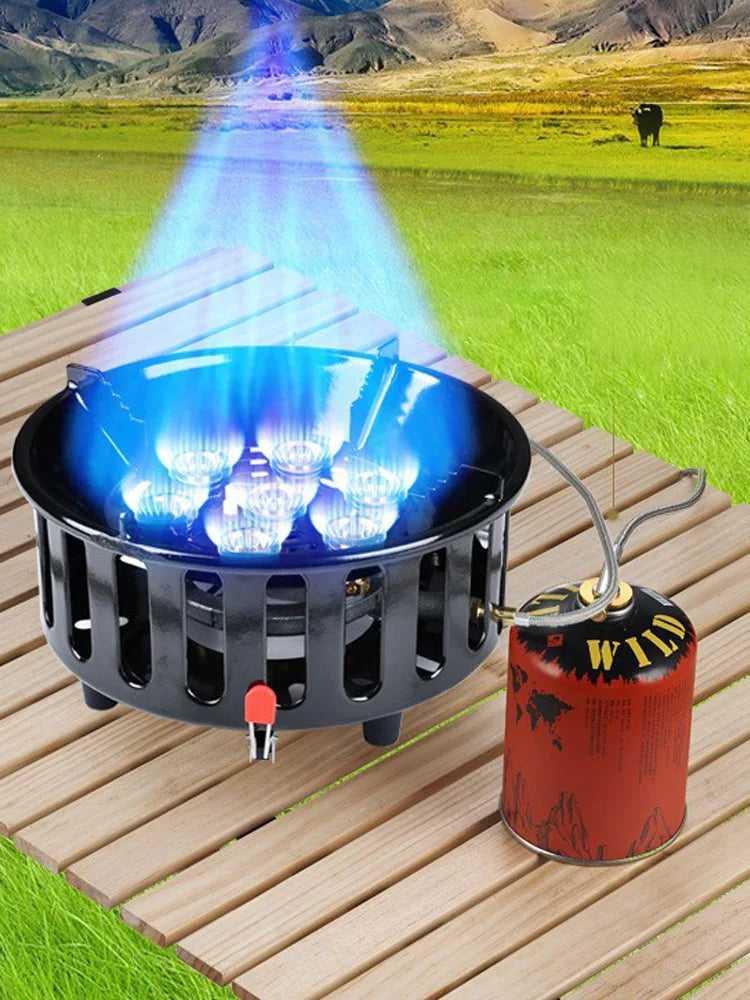
Burner camping stove stability with stainless steel frame. See it in action.
What Real Campers Report After Long-Term Use
High-Heat Cooking Performance
Campers who regularly cook with high-BTU burners often report that stainless steel stove frames remain rigid even after extended cooking sessions. Stable pot supports and heat-resistant construction help maintain consistent burner alignment, reducing wobble and improving confidence when using larger cookware.
Wet and Harsh Weather Use
Outdoor enthusiasts who camp in humid forests, rainy climates, or coastal areas frequently cite corrosion resistance as one of stainless steel's biggest advantages. Unlike coated metals that may become vulnerable once their protective finish is damaged, stainless steel continues to perform reliably with routine cleaning and proper storage.
Backpacking Limitations
Ultralight backpackers often prioritize weight savings over maximum durability, making aluminum or titanium attractive options for long-distance hikes. However, many campers acknowledge that when pack weight is less restrictive, stainless steel provides a longer service life and better resistance to accidental impacts during transport.
A High-Output Example Worth Noting
Some stainless steel camping stoves combine a durable frame with high-output burners, making them suitable for everything from weekend camping trips to larger outdoor cooking setups. Models built with rigid stainless construction can better withstand repeated heating cycles while delivering dependable flame control over years of use.
View the stainless steel camp stove built for serious outdoor cooking
Check whether a durable stainless steel camp stove matches your cooking style before heading outdoors.
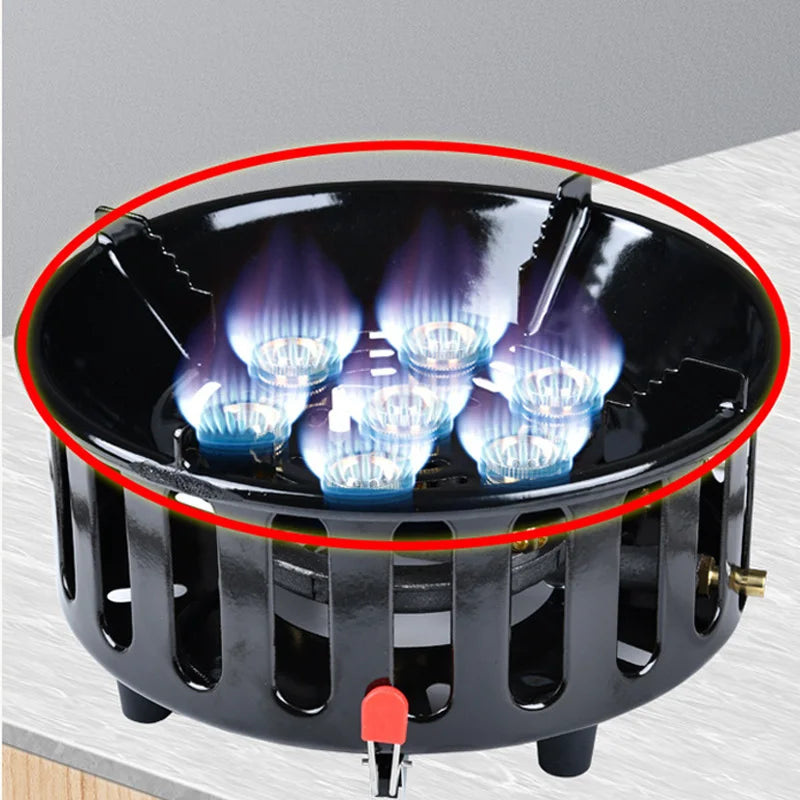
Outdoor camping stoves built to last. See it in action.
Maintenance and Care: How to Extend Stove Lifespan
Cleaning After Cooking
Clean the stove after every trip by removing grease, food residue, and soot from the burner area and cooking surface. Regular cleaning helps maintain efficient flame distribution while preventing buildup that could interfere with burner performance over time.
Preventing Rust and Residue
Although stainless steel is highly resistant to corrosion, drying the stove thoroughly before storage minimizes water spots, mineral deposits, and surface staining. Avoid using harsh abrasives that could scratch the protective surface, and periodically inspect fuel connections for dirt or debris.
Proper Storage Techniques
Store the stove in a dry location using a protective carrying case whenever possible. Keeping heavy equipment from resting directly on top of the stove during transport reduces the risk of bent pot supports, damaged control knobs, and unnecessary stress on burner components, helping preserve reliable performance for future trips.
Frequently Asked Questions
Is stainless steel too heavy for camping?
Stainless steel weighs more than aluminum, but the difference is usually worthwhile for campers who prioritize durability, stability, and long-term value. It is especially well suited to car camping, RV travel, overlanding, and family camping where gear weight is less restrictive.
Are stainless steel stoves worth it?
For frequent campers, the answer is often yes. Although the initial purchase price may be higher than entry-level aluminum models, stainless steel camping stove benefits include greater resistance to corrosion, heat damage, and impact. Over years of use, the longer lifespan can offset the higher upfront investment.
What is the best material for camping stoves?
The best material depends on your camping style. Stainless steel offers the best balance of durability, corrosion resistance, and structural strength for most users. Aluminum is ideal when minimizing weight is the highest priority, while titanium is best suited for ultralight backpacking despite its higher cost.
How long do stainless steel camp stoves last?
With routine cleaning and proper storage, a quality stainless steel camp stove can remain reliable for many years of regular outdoor use. Its resistance to warping, rust, and repeated thermal cycling generally allows it to outlast comparable aluminum or coated steel models.
Do stainless steel stoves rust?
Stainless steel is highly resistant to rust because it forms a protective chromium oxide layer that shields the underlying metal. While surface discoloration from heat is normal, true corrosion is uncommon when the stove is cleaned, dried, and stored properly after each trip.
Is stainless steel better than aluminum for camping stoves?
If durability and longevity are your primary goals, stainless steel is generally the better choice. Aluminum remains an excellent option for backpackers seeking the lightest possible equipment, but it is typically more susceptible to dents and heat-related deformation over time.
Which fuel type is best for stainless steel stoves?
Many stainless steel camping stoves are designed for gas fuels such as propane or butane because they provide fast ignition, consistent flame control, and clean operation. Some stainless steel stove designs also support wood or multi-fuel systems depending on their construction and intended use.
Are stainless steel stoves good for backpacking?
They can be, but they are generally better suited to campers who prioritize durability over minimum pack weight. For extended backpacking trips where every ounce matters, aluminum or titanium models are often preferred. For shorter hikes, base camps, or vehicle-supported adventures, stainless steel provides excellent long-term reliability.
Get a durable stainless steel camp stove before your next adventure
Related Guide: High Power Camping Gas Stove Comparisons: Best Heat Without Hassle













