

Does a stainless steel vs aluminum camping heater perform differently?
Yes. A stainless steel vs aluminum camping heater performs differently because the material directly influences weight, heat transfer, durability, corrosion resistance, and long-term reliability. Aluminum heater bodies warm up faster and are easier to carry, making them a practical choice for backpacking and lightweight camping. Stainless steel models are heavier but typically provide greater structural strength, improved resistance to dents, and better heat retention during extended use.
When comparing a stainless steel camping heater vs aluminum , there is no single winner. The better option depends on your camping style, expected weather conditions, how often you use your heater, and whether portability or long-term durability is your top priority. Understanding these trade-offs helps you choose a heater that matches your outdoor adventures instead of simply selecting the lightest or least expensive model.
Stainless Steel vs Aluminum Camping Heater: Which Material Is Better for Outdoor Heating?
⏱ 7 min read — The material used in a camping heater affects far more than appearance. It influences heating speed, heat retention, portability, maintenance, durability, and overall ownership costs. Whether you're building an ultralight backpacking kit, preparing for winter camping, or assembling a reliable basecamp setup, choosing between stainless steel and aluminum can significantly impact comfort, efficiency, and long-term performance.
Which outdoor setup fits your adventures? If every ounce matters, aluminum may be the better choice. If you prioritize durability and dependable performance through repeated seasons of camping, stainless steel often delivers greater long-term value. The sections below compare both materials so you can confidently choose the right heater for your needs.
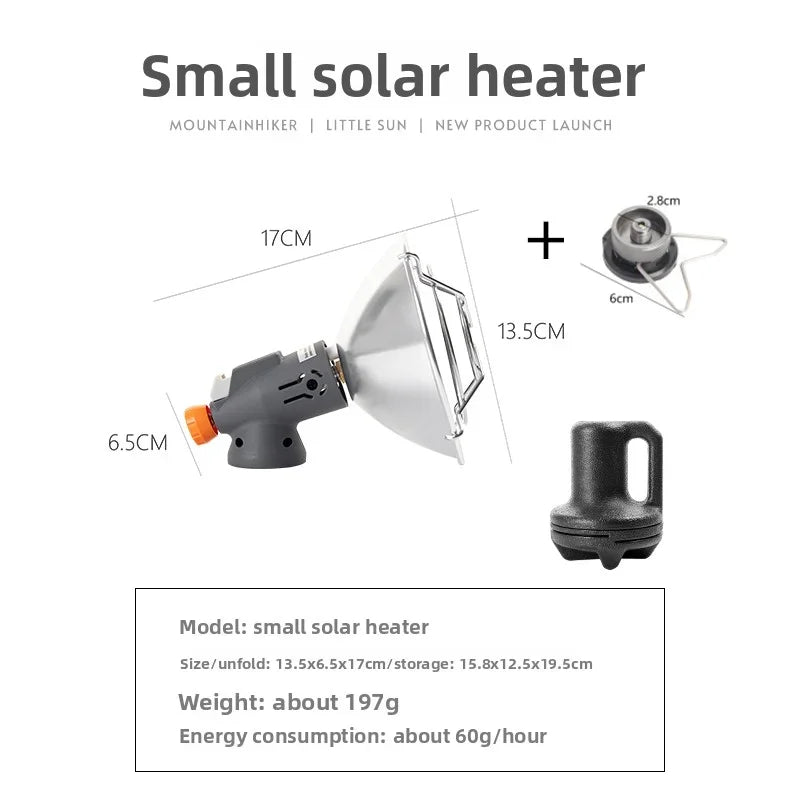
Camping heater material affects durability, portability, and heat distribution in real outdoor conditions.
Stainless Steel vs Aluminum Camping Heater: Key Differences at a Glance
A camping heater material comparison highlights meaningful differences in performance, ownership costs, and portability. While both materials are widely used in quality outdoor heaters, each excels in different situations.
| Feature | Aluminum | Stainless Steel |
|---|---|---|
| Weight | Typically 30–50% lighter, making it ideal for backpacking. | Heavier but offers a more rugged construction. |
| Heat Efficiency | Transfers heat quickly for fast warm-up. | Retains heat longer once fully warmed. |
| Durability | Strong but more susceptible to dents under heavy impact. | Excellent resistance to deformation and repeated high-heat use. |
| Corrosion Resistance | Natural oxide layer helps protect against corrosion. | Excellent rust resistance with proper care. |
| Cost | Often more affordable. | Usually higher initial investment with longer service life. |
| Best Use Case | Backpacking, hiking, and lightweight travel. | Winter camping, basecamp setups, and frequent outdoor use. |
For most campers, the decision comes down to balancing portability against durability. Aluminum offers excellent mobility and quick heat response, while stainless steel provides dependable strength and longer-lasting performance for demanding outdoor conditions.
How Camping Heater Materials Affect Heat Performance
Thermal Conductivity Explained
Thermal conductivity describes how quickly a material transfers heat from the burner to the heater body and into the surrounding air. Aluminum has much higher thermal conductivity than stainless steel, allowing it to warm up rapidly and spread heat across its surface more efficiently. This fast response makes aluminum camping heaters especially useful for short breaks, quick campsite setup, and lightweight outdoor cooking or heating where immediate warmth is preferred.
Heat Retention vs Heat Transfer
While aluminum heats faster, stainless steel excels at retaining heat once it reaches operating temperature. Its greater density and thermal mass allow it to release warmth more gradually, producing a steadier heating experience during extended use. For winter camping or long evenings outdoors, this slower heat loss can help maintain a more consistent level of warmth without the heater body cooling as quickly between burner cycles.
Why Heater Body Material Matters for Outdoor Heating
The heater body does more than protect internal components—it also influences overall efficiency, durability, and heat distribution. A well-designed housing helps spread warmth evenly while supporting the burner, reflector, and safety components. Materials that resist warping under repeated heating cycles help maintain proper burner alignment, contributing to reliable performance over many seasons of outdoor use.
Although burner design, fuel type, and ventilation have the greatest impact on total heat output, the heater body material affects how quickly warmth is delivered, how evenly it spreads, and how well the unit withstands demanding camping conditions.
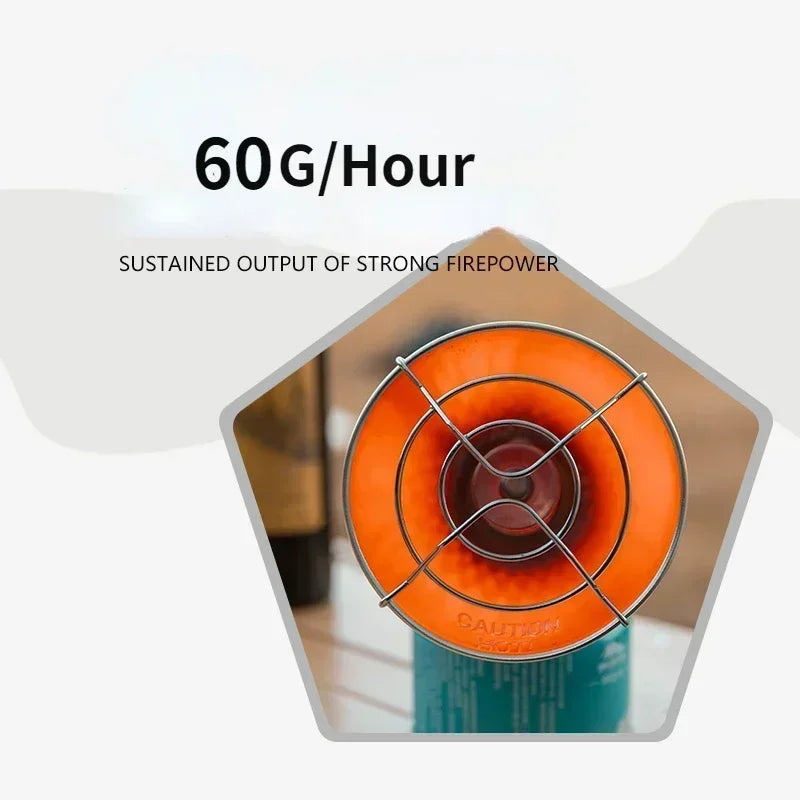
Material design influences outdoor heater efficiency, durability, and long-term performance.
Stainless Steel Camping Heater Pros and Cons
Advantages of Stainless Steel Heater Construction
For campers who prioritize longevity over minimum weight, stainless steel remains one of the most durable camping heater materials available. Its combination of strength, corrosion resistance, and structural stability makes it well suited to frequent outdoor use and harsh weather conditions.
- Highly durable and resistant to dents, impacts, and structural damage.
- Maintains its shape even after repeated exposure to high operating temperatures.
- Excellent corrosion resistance when cleaned and stored properly.
- Long service life for campers who use their heater regularly throughout the year.
- Greater thermal mass helps retain warmth during extended heating sessions.
- Reliable construction for demanding environments such as winter camping and basecamp setups.
Limitations of Stainless Steel Camping Heaters
Despite its durability, stainless steel involves several trade-offs that may not suit every camping style. Backpackers and minimalist travelers often find the additional weight less practical for long-distance trips.
- Heavier than comparable aluminum heater bodies, increasing pack weight.
- Typically costs more because of higher material and manufacturing expenses.
- Slower initial warm-up due to lower thermal conductivity.
- May be less convenient for ultralight camping where portability is the highest priority.
Aluminum Camping Heater Benefits and Drawbacks
Why Aluminum Is Popular for Portable Gear
The primary advantage of aluminum is its excellent balance of low weight and efficient heat transfer. For hikers, backpackers, and anyone carrying gear over long distances, an aluminum heater can noticeably reduce pack weight without sacrificing dependable heating performance. These qualities make aluminum one of the most common materials used in portable outdoor equipment.
- Extremely lightweight, making it ideal for backpacking and minimalist camping.
- High thermal conductivity provides fast heat-up times and efficient heat distribution.
- Typically more affordable than comparable stainless steel models.
- Naturally forms a protective oxide layer that helps resist corrosion.
- Easier to transport for hiking, overlanding, and weekend camping trips.
- Well suited to campers who prioritize portability over maximum durability.
Weaknesses of Aluminum Heater Bodies
Although aluminum offers outstanding portability, it is generally less resistant to physical damage than stainless steel. Frequent impacts, heavy loads, or years of intensive use may reduce its lifespan compared with more rugged materials.
- More susceptible to dents, scratches, or deformation from rough handling.
- Lower thermal mass means it cools more quickly after the burner is turned down or off.
- May show wear sooner under heavy commercial or long-term outdoor use.
- Not always the best choice for campers who prioritize maximum durability over reduced weight.
Real Camping Scenarios: Which Heater Material Works Best?
Backpacking and Ultralight Camping
For backpackers, every ounce matters. Aluminum heaters are usually the best material for camping heaters carried on foot because their lighter construction reduces overall pack weight while still delivering fast, efficient heating. If portability is your highest priority, aluminum is typically the better choice.
Winter Camping and Cold Weather
Stainless steel performs exceptionally well during winter camping and prolonged cold-weather use. Its greater strength and improved heat retention help provide more consistent warmth during extended heating sessions, making it a dependable option for challenging environments.
Car Camping and Basecamp Use
When equipment is transported by vehicle, weight becomes far less important. Many experienced campers choose stainless steel heaters for basecamp use because they tolerate repeated setup, transportation, and long-term outdoor use while maintaining reliable performance.
Emergency Preparedness and Long-Term Use
For emergency kits, hunting cabins, workshops, or preparedness supplies where long service life is important, stainless steel is often the preferred material. Its rugged construction withstands repeated use, frequent transportation, and years of storage better than many lightweight alternatives.
Coastal or Humid Environments
Both aluminum and stainless steel offer excellent corrosion resistance when properly maintained. Aluminum naturally develops a protective oxide coating, while quality stainless steel resists rust effectively in damp conditions. Regular cleaning and dry storage after each trip help maximize the lifespan of either material, especially when camping near saltwater or in humid climates.
Stainless Steel vs Aluminum Camping Heater Comparison Table
| Feature | Aluminum Camping Heater | Stainless Steel Camping Heater |
|---|---|---|
| Weight | Lightweight and easy to carry | Heavier but more robust |
| Heat-Up Speed | Warms quickly due to high thermal conductivity | Heats more gradually |
| Heat Retention | Cools down faster | Retains heat longer after reaching operating temperature |
| Durability | Good for normal outdoor use but more susceptible to dents | Excellent structural strength and impact resistance |
| Corrosion Resistance | Natural oxide layer helps prevent corrosion | Excellent corrosion resistance with proper maintenance |
| Typical Cost | Usually lower initial purchase price | Often higher upfront investment |
| Best For | Backpacking, hiking, and lightweight camping | Winter camping, basecamp use, and frequent outdoor adventures |
How to Choose the Best Material for Your Camping Heater
Choose Based on Camping Style
Your preferred camping style is the most important factor when deciding which is better: aluminum or stainless steel camping heater construction. Backpackers, bikepackers, and hikers usually benefit from lightweight aluminum heaters because they reduce overall pack weight. Campers traveling by vehicle, RV, or trailer often appreciate the durability and long service life of stainless steel models.
Consider Durability vs Weight
If your heater is likely to experience frequent transportation, rough terrain, or years of regular use, stainless steel provides superior resistance to dents and structural wear. If minimizing weight is essential for long-distance travel, aluminum offers an excellent balance of portability and reliable performance.
Budget and Long-Term Value
Aluminum heaters generally cost less upfront, making them attractive for occasional campers or those shopping on a budget. Stainless steel heaters often require a higher initial investment but can deliver better long-term value thanks to their durability, resistance to repeated heating cycles, and longer expected service life.
Maintenance Requirements
Both materials are relatively easy to maintain. Clean the heater after use, remove dirt and moisture before storage, and inspect burners and fittings regularly. Aluminum benefits from avoiding excessive impacts that could dent the body, while stainless steel should be kept clean to preserve its corrosion-resistant surface. Proper maintenance helps maximize safety, performance, and lifespan regardless of the material you choose.
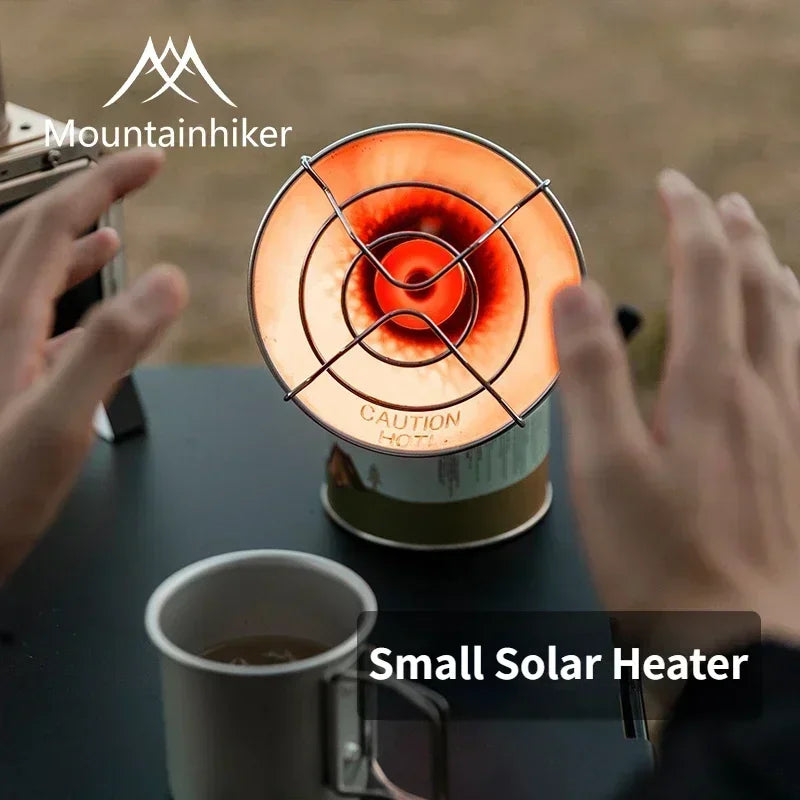
Choosing the right heater material improves outdoor comfort, reliability, and long-term value.
Expert Recommendation Matrix
| Camping Style | Recommended Material | Why It Works Best |
|---|---|---|
| Backpacking & Hiking | Aluminum | Minimizes pack weight while providing fast heat transfer and easy portability. |
| Winter Camping | Stainless Steel | Greater durability and improved heat retention for extended heating sessions. |
| Car Camping & Basecamp | Stainless Steel | Weight is less important, making long-term durability the biggest advantage. |
| Weekend & Casual Camping | Aluminum | Offers an affordable balance of portability, performance, and value. |
| Frequent Outdoor Use | Stainless Steel | Better suited to repeated heating cycles and years of regular use. |
Best Choice for Backpackers
Choose an aluminum camping heater if minimizing pack weight is your priority. Faster heat-up times and lightweight construction make it an excellent companion for hiking, trekking, and minimalist camping trips.
Best Choice for Winter Campers
Stainless steel is generally the best material for camping heaters used in cold weather. Its rugged construction and greater heat retention provide dependable performance during extended periods outdoors.
Best Value for Casual Campers
If you camp a few times each year, an aluminum heater typically offers the best balance of affordability, portability, and dependable performance. Campers who expect years of heavy use may find the higher upfront investment in stainless steel worthwhile.
Mini FAQ
Which is better: aluminum or stainless steel camping heater?
Neither material is universally superior. Aluminum is ideal for lightweight camping and backpacking because it is easier to carry, while stainless steel is better for campers who prioritize durability, long service life, and reliable performance in colder conditions.
Are aluminum heaters less durable?
Yes, aluminum is softer than stainless steel and is more susceptible to dents from heavy impacts. However, quality aluminum camping heaters remain durable enough for normal recreational camping when handled and stored properly.
Do stainless steel heaters retain heat better?
Yes. Stainless steel has greater thermal mass, allowing it to absorb and release heat more gradually. This helps maintain a steadier level of warmth during extended heating sessions.
Which heater material is best for backpacking?
Aluminum is generally the preferred choice for backpacking because its lightweight construction reduces pack weight while still providing efficient heat transfer and dependable performance.
Does heater material affect fuel efficiency?
The material itself has only a modest effect on fuel efficiency. Burner design, fuel quality, insulation, wind conditions, and overall heater engineering have a much greater impact on fuel consumption than whether the body is made from aluminum or stainless steel.
Can aluminum camping heaters rust?
Aluminum does not rust like iron or steel. Instead, it naturally forms a thin oxide layer that protects the surface from corrosion. Regular cleaning and storing the heater in a dry location help maximize its lifespan, especially after use in coastal or humid environments.
Related Guide: Best Butane Heater for Camping: Top Picks Compared













