

How to Wear a Nose Clip for Snoring: Correct Placement, Usage Tips, and What to Expect
A nose clip for snoring is a simple yet effective sleep aid designed to improve nasal airflow and reduce breathing resistance at night. Whether you’re using a magnetic anti snore nose clip or a reusable nasal dilator, correct placement is essential for comfort and results. This expert guide explains exactly how to wear it, how it works, who should use it, and what realistic results you can expect.
⏱ 7 min read
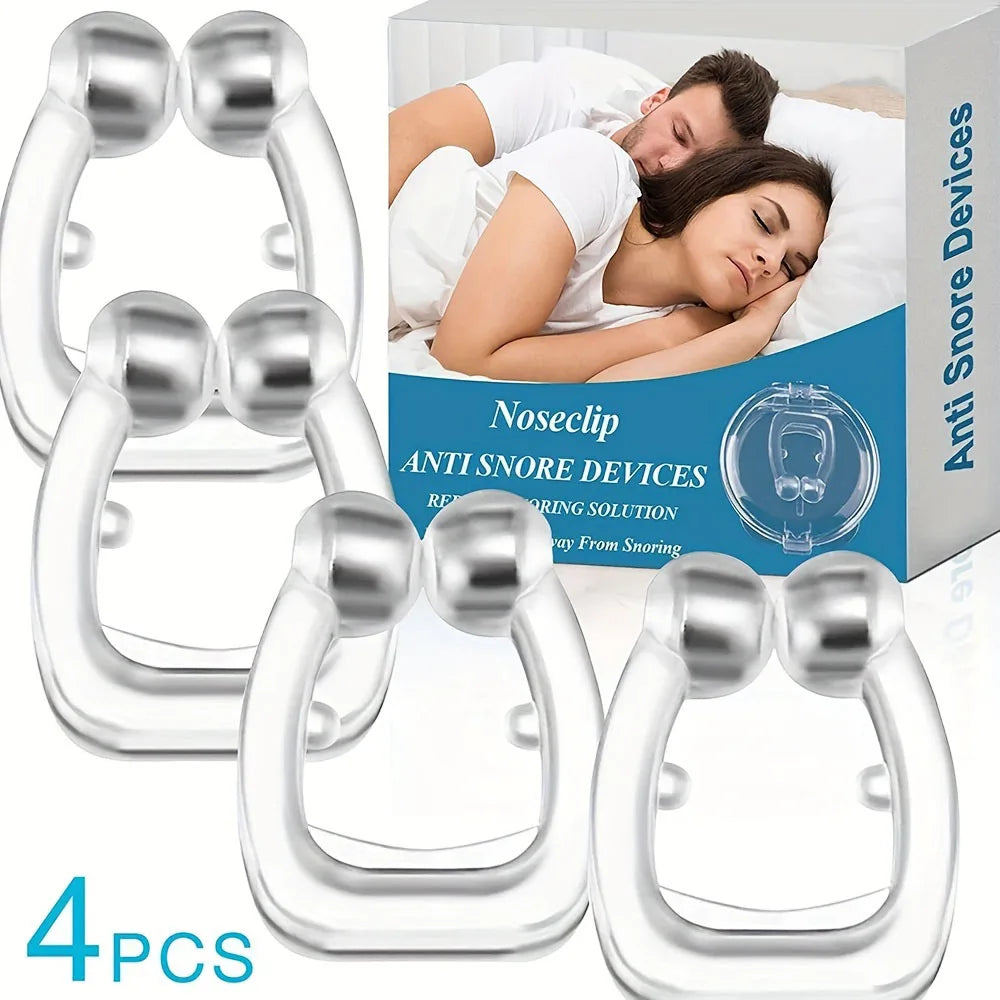
See it in action: nose clip for snoring, magnetic anti snore nose clip + instant relief
What Is a Nose Clip for Snoring?
A nose clip for snoring is a small device designed to improve airflow through the nasal passages during sleep. Depending on the design, it may gently widen the nostrils, support nasal walls, or use internal structure to keep the airway more open.
People often search how to wear a nose clip for snoring without realizing that different designs require different placement techniques. Understanding your device type is essential for proper use and comfort.
Types of Nose Clips (Magnetic Clips vs Nasal Dilators)
- Magnetic nose clips: Sit at or inside the nostrils and may use soft magnetic elements.
- Internal nasal dilators: Inserted slightly into the nose to expand airflow passages.
- External nasal dilators: Apply outward lifting pressure to open nasal passages.
Nose Clip vs Internal Nasal Dilator: Understanding the Difference
A traditional nose clip typically rests at the nostril entrance, while an internal nasal dilator sits deeper inside the nasal passage and physically expands it. This difference affects both comfort and placement technique.
How Does a Nose Clip for Snoring Work?
A nose clip may help reduce snoring by improving nasal airflow and reducing resistance during breathing. When airflow becomes smoother, vibration in soft tissues can decrease, leading to quieter sleep.
How Improved Nasal Airflow Reduces Snoring
Nasal congestion, allergies, or structural narrowing can restrict airflow and force mouth breathing. This increases throat vibration, which produces snoring sounds. Improving nasal airflow helps stabilize breathing patterns.
Learn more about nasal congestion and snoring
How Do Anti-Snoring Nose Clips Work in Different Users?
Effectiveness depends on the source of snoring. Users with mild nasal blockage or seasonal allergies typically see better improvement than those with throat-based airway obstruction.
When a Nose Clip Is Unlikely to Help
If snoring is caused by sleep apnea, significant throat obstruction, or obesity-related airway narrowing, a nose clip alone may not be sufficient.
Read more about sleep apnea warning signs
Who Should Use a Nose Clip for Snoring?
Before learning how to use a nose clip for snoring, it’s important to determine whether your snoring is likely related to nasal airflow issues.
Signs Your Snoring May Be Related to Nasal Congestion
- Frequent nasal blockage at night
- Seasonal allergies
- Difficulty breathing through the nose
- Snoring worse during colds
- Relief after saline sprays
When to Speak With a Healthcare Professional
If snoring includes choking, gasping, or breathing pauses, a medical evaluation is recommended to rule out sleep apnea.
How to Wear a Nose Clip for Snoring (Step-by-Step)
Step 1 – Wash Your Hands and Clean Your Nose
Clean the nose area to remove oils, sweat, or skincare residue that may affect grip.
Step 2 – Identify the Correct Orientation
Check the device instructions to determine the correct upward-facing side.
Step 3 – Position the Clip at the Nostrils
Place the clip evenly at the nostril openings without forcing it too deeply.
Step 4 – Adjust for a Secure and Comfortable Fit
Ensure balanced pressure on both nostrils without discomfort.
Step 5 – Test Breathing Before Bed
Take slow breaths to confirm improved airflow and comfort.
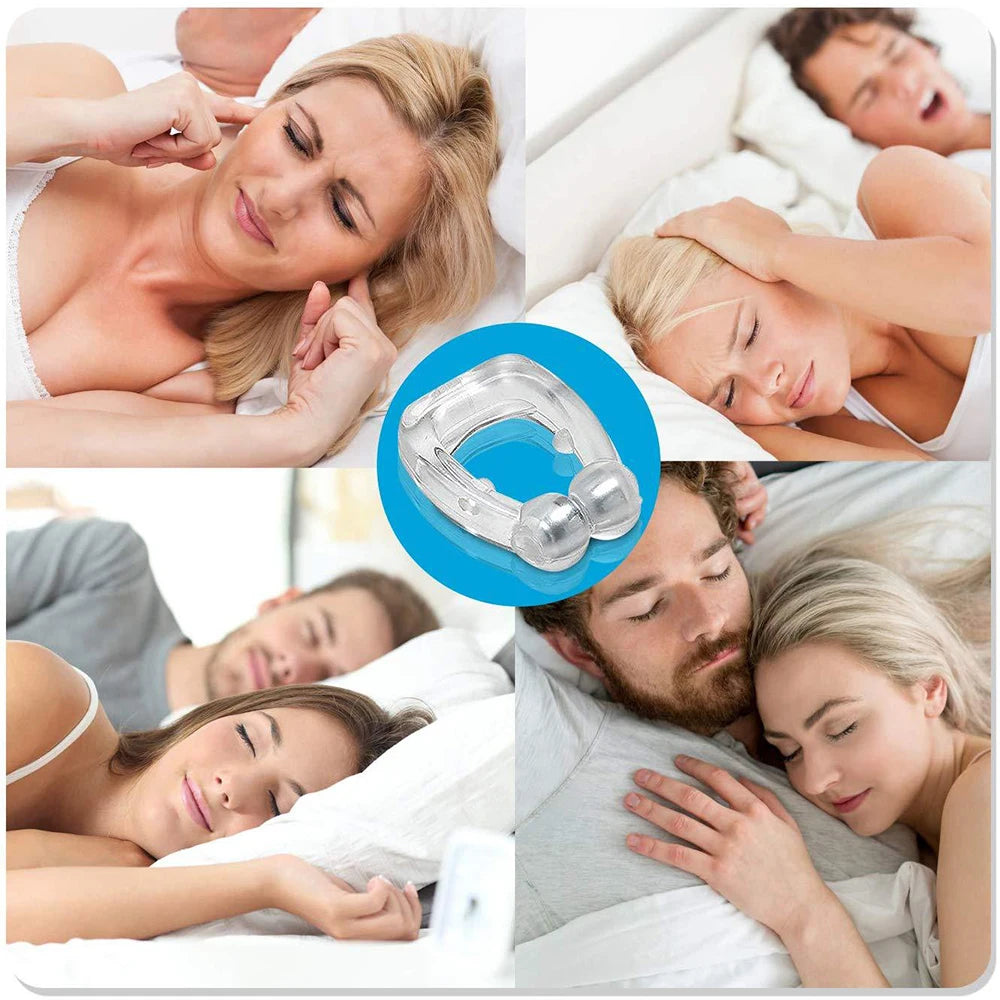
Step-by-step fit guide: magnetic anti snore nose clip placement
How to Use a Nose Clip for Snoring in 30 Seconds (Quick Start Guide)
- Clean and dry your nose.
- Place the clip at the nostril openings.
- Ensure balanced positioning.
- Adjust for comfort.
- Test breathing.
- Wear overnight if comfortable.
This answers how to use anti snoring nose clips and how to put on a nose clip correctly.
Visual Placement Guide: How to Put on a Nose Clip Correctly
Correct Placement
The clip should sit symmetrically with open airflow through both nostrils.
Incorrect Placement Mistakes
- Too high on the nose
- Too deep inside nostrils
- Uneven positioning
- Excess force during insertion
Common Mistakes When Wearing a Nose Clip
Wearing It Too High or Too Low
Incorrect positioning reduces airflow improvement.
Choosing the Wrong Size
Improper sizing can lead to slipping or discomfort.
Not Cleaning the Clip Regularly
Oil buildup reduces grip and hygiene.
Using It for Mouth-Based Snoring
Nose clips are less effective if snoring originates in the throat.
What Should a Properly Fitted Nose Clip Feel Like?
Signs of a Good Fit
- Comfortable pressure
- Improved nasal breathing
- Stable during movement
Signs the Clip Needs Adjustment
- Pain or pinching
- Uneven airflow
- Slipping during sleep
Does a Nose Clip Really Stop Snoring?
Success Rates Depend on the Cause of Snoring
Nose clips work best when snoring is caused by nasal airflow restriction, but results vary based on anatomy and sleep habits.
Expectations for First-Time Users
Some users notice immediate improvement, while others need several nights to adjust.
Nose Clip vs Nasal Strip: Which Works Better?
| Feature | Nose Clip | Nasal Strip |
|---|---|---|
| Mechanism | Internal nasal support | External lifting |
| Reusability | Reusable | Single use |
| Comfort | Moderate | High |
| Examples | KentDO Magnetic Nose Clip | Breathe Right, Airmax, Mute, Nasivent |
When to choose a nose clip: frequent nasal congestion and reusable solution needed.
When nasal strips may be better: sensitive users or external-only preference.
Troubleshooting: What If the Nose Clip Doesn't Work?
The Clip Keeps Falling Off
Clean skin and ensure correct sizing.
It Feels Uncomfortable
Adjust placement or try softer materials.
Snoring Still Continues
Snoring may originate outside the nasal airway.
You Wake Up With Nasal Irritation
Discontinue use if irritation persists and reassess fit.
Alternatives If a Nose Clip Doesn't Help
Nasal Strips
External support for improved airflow.
Positional Therapy
Side sleeping may reduce snoring.
Learn positional therapy methods
Medical Evaluation for Sleep Apnea
Important if symptoms persist or worsen.
FAQ
Does a nose clip for snoring really work?
Yes, especially for nasal blockage-related snoring.
How do nose clips stop snoring?
They improve airflow through the nasal passages.
How to use anti snore nose clip correctly?
Clean, position at nostrils, adjust, and test breathing.
How do you put on a nose clip?
Place it evenly at the nostrils and ensure comfort.
Can I wear a nose clip all night?
Yes, if comfortable and properly fitted.
Are magnetic nose clips safe?
Generally safe when made from medical-grade materials.
Will it fall out while sleeping?
Not if correctly sized and positioned.
How long does it take to see results?
Some users see results immediately.
Can side sleepers use a nose clip?
Yes, if properly fitted.
Why does my nose clip keep slipping off?
Usually due to oil, poor fit, or worn device.
What is the difference between a nose clip and a nasal dilator?
Clip sits at nostrils; dilator expands internally.
Where can I buy a nose clip for snoring?
Click here to buy the KentDO Magnetic Nose Clip — limited stock available!
Pillar Article: How to Use a Snore Nasal Clip the Right Way for Deep Sleep













