

Red Light Therapy on Neck: Benefits, Safety, and How to Use It
⏱ 7 min read
The neck is often one of the first areas to reveal visible signs of aging. Because its skin is thinner and exposed to constant movement and environmental stress, concerns such as fine lines, crepey texture, and reduced firmness commonly appear earlier than on the face. Red light therapy on the neck has become an increasingly popular non-invasive option for supporting collagen production, improving skin quality, and complementing a consistent skincare routine without downtime.
Discover how targeted solutions support different neck skin goals
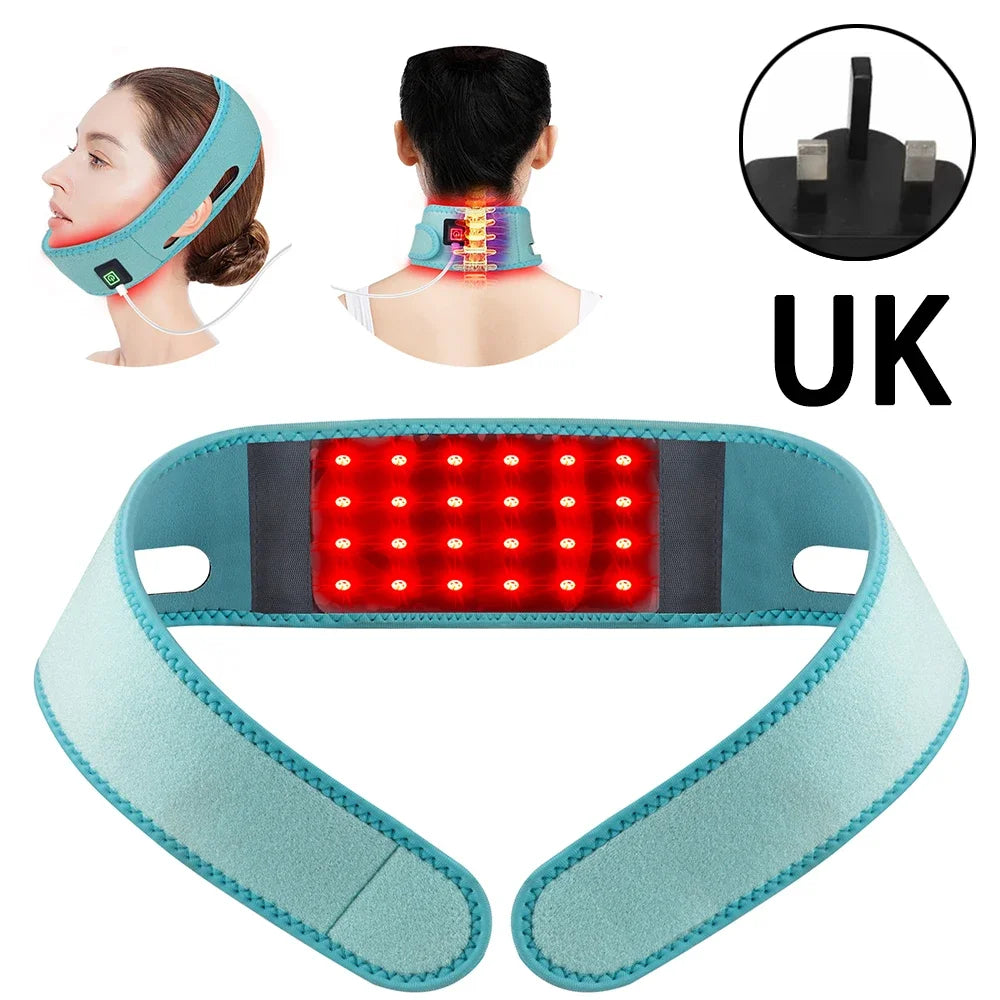
Targeted neck light exposure using red light therapy on neck skin See it in action
Does Red Light Therapy Really Work on Neck Skin?
Current research suggests that red light therapy may improve several aspects of skin health when used consistently. Wavelengths commonly ranging from 630-660nm are widely studied for cosmetic applications because they can stimulate cellular activity associated with collagen production and skin renewal. For the neck, this may translate into gradual improvements in fine lines, skin texture, hydration, and elasticity rather than dramatic overnight changes.
For people wondering does red light therapy work on neck wrinkles? , the available evidence is encouraging but realistic expectations are important. Most studies report modest improvements after several weeks of regular treatment, especially when red light therapy is paired with daily sun protection, moisturization, and an overall skincare routine.
Why Neck Skin Ages Faster Than You Think
Unique anatomy of neck skin
The neck differs from facial skin in several important ways. It contains fewer oil glands, has a thinner dermis, and naturally produces less structural support over time. Because collagen and elastin gradually decline with age, the neck is often one of the earliest places where laxity and wrinkles become noticeable.
These characteristics also explain why red light therapy for neck skin is often used as part of a broader anti-aging routine. By supporting normal cellular repair processes and collagen synthesis, light therapy complements topical skincare rather than replacing it.
Common causes of neck wrinkles and laxity
Several everyday factors accelerate visible aging in the neck:
- Natural collagen and elastin loss with age.
- Frequent sun exposure without adequate SPF protection.
- Repetitive bending from phones, tablets, and computer use.
- Daily movement that continually folds and stretches the skin.
- Inconsistent skincare compared with the face.
Because of these combined factors, red light therapy for neck wrinkles is most effective when paired with healthy skin habits such as sun protection, hydration, and consistent treatment over time rather than used as a standalone solution.
How Red Light Therapy Works on the Neck
Photobiomodulation: ATP and Mitochondrial Activity
Neck red light therapy works through a biological process known as photobiomodulation. Red wavelengths are absorbed by chromophores within the mitochondria—the energy-producing structures inside cells. This interaction supports the production of adenosine triphosphate (ATP), the primary energy source cells use for normal repair, renewal, and maintenance.
With greater cellular energy available, skin cells and connective tissue can more efficiently carry out everyday repair processes. While red light therapy does not reverse aging, it helps create conditions that support healthier skin function when treatments are performed consistently over time.
Collagen, Elastin, Inflammation, and Tissue Repair
Among the most studied photobiomodulation neck benefits is its ability to encourage fibroblast activity. Fibroblasts are responsible for producing collagen and elastin—the structural proteins that help maintain skin firmness, elasticity, and resilience. As natural collagen production slows with age, supporting these cells may contribute to smoother-looking neck skin and a reduction in the appearance of fine lines.
Research also suggests photobiomodulation may help regulate inflammatory responses and improve local microcirculation. Better circulation supports oxygen and nutrient delivery to tissues while assisting normal recovery processes. Together, these effects may contribute to healthier skin texture and improved tissue healing, making neck red light therapy a useful complement to a comprehensive skincare routine.
Red Light Therapy for Neck Pain and Muscle Relaxation
In addition to cosmetic applications, red light therapy is commonly used to support recovery from mild neck discomfort, muscle tightness, and post-exercise soreness. Some clinical studies indicate that photobiomodulation may help reduce pain perception and improve short-term function by supporting healthy circulation and modulating inflammatory processes.
For people experiencing muscle tension from prolonged desk work, exercise, or everyday posture, targeted neck light therapy at home can be incorporated alongside stretching, physical therapy, massage, and ergonomic improvements. While it should not replace medical treatment for persistent or severe neck pain, it may provide additional support as part of a broader rehabilitation or wellness plan.
How Red Light Therapy Supports Firmer, Youthful-Looking Neck Skin
LED Light Therapy Neck Tightening
As collagen production naturally slows with age, the neck can gradually lose firmness and definition. Consistent LED red light therapy supports normal collagen remodeling, which may improve the appearance of skin elasticity over time. Rather than producing an instant lifting effect, results typically develop gradually with regular treatments over several weeks.
Many users notice improvements in skin texture before significant changes in firmness. Maintaining realistic expectations and following a consistent treatment schedule are key to achieving the best cosmetic outcomes.
Neck Anti-Aging Light Therapy for Elasticity and Texture
In addition to supporting collagen, red light therapy may help improve overall skin texture by encouraging healthy cellular turnover and maintaining the skin barrier. This can make the neck appear smoother, softer, and more evenly hydrated while reducing the visibility of fine lines.
For enhanced results, combine light therapy with a daily moisturizer containing hydrating ingredients such as hyaluronic acid and finish with broad-spectrum sunscreen during daytime hours to help protect newly supported collagen.
User insight: “After three weeks, my neck looked more even and felt firmer under makeup. I finally stopped hiding it with scarves.”
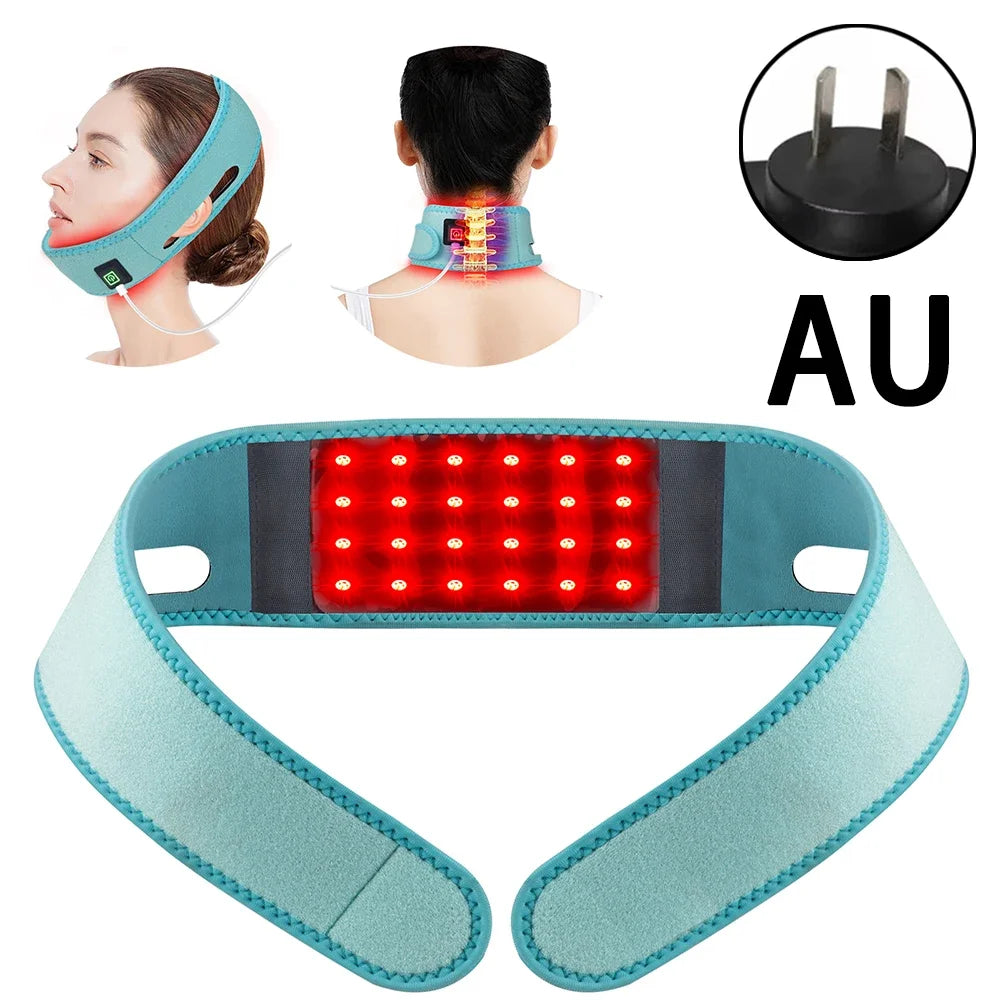
Photobiomodulation for neck skin as part of in home red light therapy See it in action
How to Use Red Light Therapy on Neck at Home
Device Selection and Wavelength Guidelines
Select a device designed specifically for home use that delivers red light in the 630-660nm range, a wavelength commonly studied for skin rejuvenation. Wearable wraps, flexible pads, and LED panels can all be effective when they provide consistent coverage across the treatment area and are used according to the manufacturer's instructions.
Look for products that clearly state their treatment specifications and safety certifications. A well-designed device should fit comfortably around the neck, deliver even light distribution, and make it easy to maintain a regular treatment schedule.
Session Duration, Frequency, and Safety Tips
For most cosmetic applications, sessions of approximately 5-10 minutes per treatment area, performed 3-5 times per week, provide a practical starting point. Position the device as directed by the manufacturer, keep the treatment area clean and free of heavy sunscreen or opaque products, and avoid looking directly into illuminated LEDs unless appropriate eye protection is provided or recommended.
Visible improvements in skin texture and firmness generally require consistent use over several weeks. Skipping treatments or extending sessions far beyond the recommended duration is unlikely to accelerate results.
- Clean and dry the neck before each session.
- Position the device for even coverage across the treatment area.
- Follow the manufacturer's recommended treatment time.
- Apply a moisturizer after treatment if desired.
- Use broad-spectrum sunscreen during the day to help protect collagen.
Red Light Therapy vs Other Neck Treatments
| Method | Invasiveness | At-Home Use | Best For | Consistency Friendly |
|---|---|---|---|---|
| Topical creams | Low | Yes | Hydration and daily maintenance | Medium |
| Professional treatments | High | No | More intensive cosmetic correction | Low |
| Red light therapy | Low | Yes | Gradual skin rejuvenation and supportive recovery | High |
Many people choose red light therapy because it offers a balance of convenience, comfort, and long-term consistency. While professional procedures may produce faster cosmetic changes, at-home devices allow regular treatments that fit easily into an ongoing skincare routine. You can explore additional wellness options through Skin and Beauty Care Devices or broader recovery solutions in Body Care and Health Devices .
Common Mistakes That Reduce Results
Incorrect dosage
Using a device for only a minute or two may not deliver an adequate treatment dose, while excessively long sessions are not proven to improve results. Follow the manufacturer's recommended treatment time instead of assuming longer is better.
Inconsistent treatment
Visible improvements in neck skin typically depend on consistent use over several weeks. Missing sessions frequently or stopping treatment too early is one of the most common reasons users feel disappointed with their results.
Poor device selection
Choose a device designed to provide even coverage across the neck with clinically relevant red-light wavelengths. A well-fitting wearable wrap or quality LED panel generally delivers more consistent exposure than devices intended for very small treatment areas.
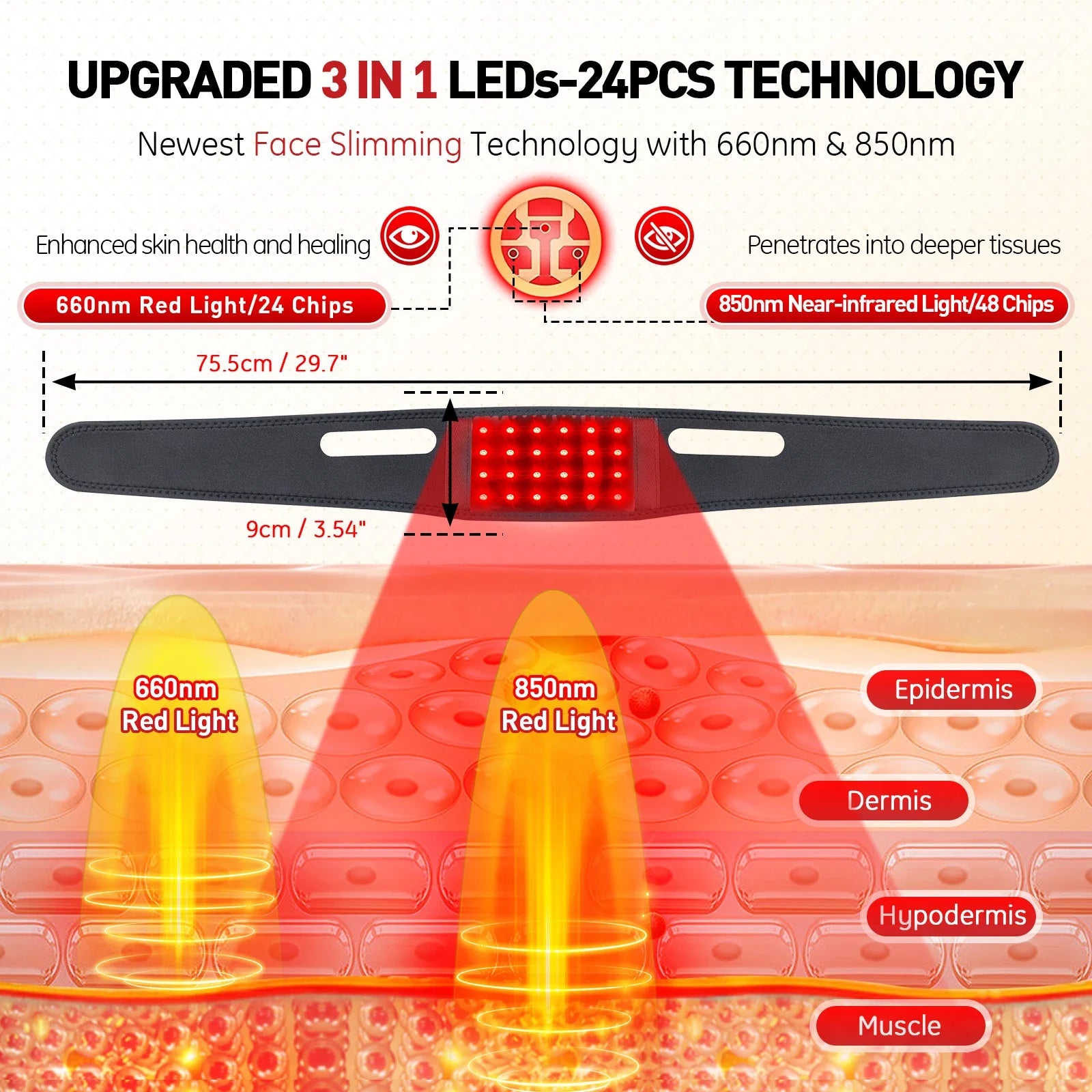
Red light therapy on neck for visible skin goals See it in action
Get yours now — limited stock!
FAQ
How long before results are noticeable?
Many users begin noticing improvements in skin texture after 4-6 weeks, while more visible changes in firmness and fine lines commonly require 6-12 weeks of consistent treatment.
Does red light therapy work on neck wrinkles?
Current research suggests it can help reduce the appearance of fine lines and improve skin elasticity by supporting collagen production. Results are typically gradual and vary based on age, skin condition, and treatment consistency.
Can I use red light therapy on my thyroid area?
If you have a thyroid disorder, have undergone thyroid surgery, or are receiving treatment for a thyroid condition, consult your healthcare professional before directing light therapy over the front of the neck. Always follow the manufacturer's safety guidance.
Is red light therapy safe for daily use?
Most quality home devices are designed to be used according to specific treatment schedules. Daily use may be appropriate for some devices, but following the recommended session duration and frequency is generally more important than increasing treatment time.
Can I combine red light therapy with retinol or vitamin C?
Yes. Red light therapy is commonly paired with vitamin C serums and moisturizers. If you use retinol, many people prefer applying it after their evening light therapy session or on alternating nights if irritation occurs.
Which wavelength is best for the neck?
For cosmetic skin applications, wavelengths in the 630-660nm range are the most commonly studied for supporting collagen production and improving the appearance of aging skin.
Related Guide: Hands Free Neck Light Wrap: Best Uses for Targeted Neck Care













