

Do techniques to relax shoulders really work?
Yes. Shoulder relaxation techniques work because they help reduce unnecessary muscle contraction, improve circulation, restore normal joint movement, and interrupt the stress response that often keeps the shoulders elevated. If you're wondering how to keep shoulders relaxed , the most effective approach is combining stretching, posture awareness, breathing exercises, and regular movement throughout the day.
Many people feel some relief within a few minutes after performing simple exercises such as shoulder rolls or deep breathing. However, long-term improvements depend on consistently addressing the habits that cause tension, including prolonged sitting, poor workstation ergonomics, stress, and limited mobility. Practicing these techniques daily can reduce stiffness, improve posture, and help prevent recurring discomfort.
How to Keep Shoulders Relaxed: Simple Techniques to Relieve Shoulder Tension
⏱ 7 min read
Shoulder stiffness affects posture, sleep, and daily comfort. Stress, prolonged computer use, and repetitive movements often cause the shoulders to gradually creep upward without you realizing it. The good news is that learning how to relieve shoulder tension doesn't require complicated equipment. With consistent stretching, breathing, posture corrections, and healthy movement habits, most people can improve comfort and mobility naturally.
Discover gentle ways to ease shoulder tension and feel lighter today
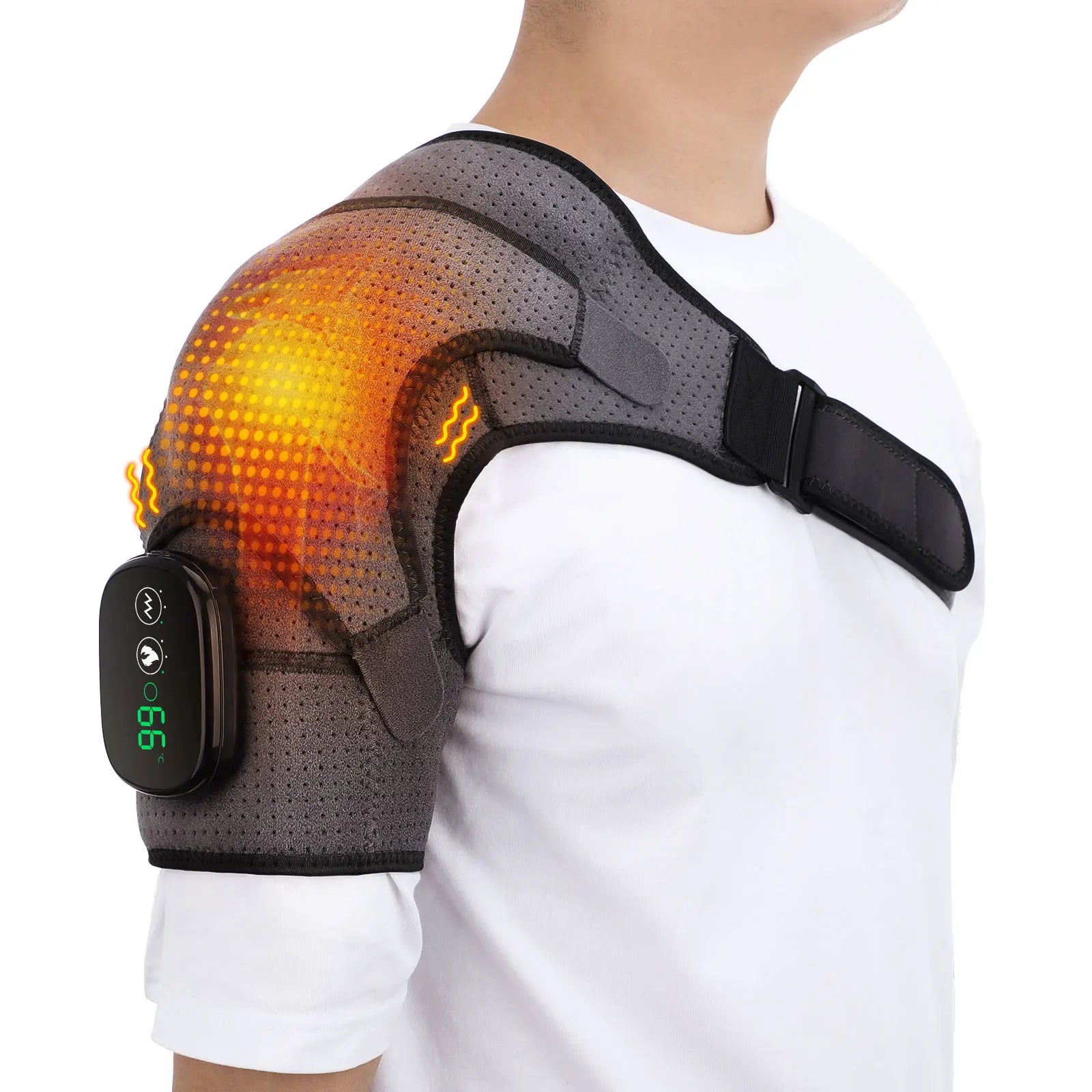
Techniques to relax shoulders at home — see them in action.
Why Your Shoulders Stay Tense
If you've ever wondered, " Why are my shoulders always tense? " you're not alone. The shoulder complex supports your arms throughout the day while responding to stress, breathing patterns, posture, and repetitive movement. These factors often work together, making shoulder tightness a common complaint.
Common Daily Habits That Cause Shoulder Tightness
Small habits repeated for hours each day gradually overload the neck and shoulder muscles.
- Working at a computer without proper ergonomic support
- Looking down at phones or tablets for extended periods
- Carrying heavy bags on one shoulder
- Driving long distances without changing position
- Skipping movement breaks during the day
How Stress, Breathing, and Posture Affect Neck and Shoulder Muscles
Stress activates the body's "fight or flight" response, causing many people to unconsciously shrug or tighten their shoulders. Shallow chest breathing can reinforce this pattern, while rounded posture shortens the muscles at the front of the chest and places extra demand on the upper trapezius. Slow diaphragmatic breathing paired with posture awareness helps calm the nervous system and encourages the shoulders to settle into a more relaxed position.
Muscle Imbalances and Desk Work
Desk workers often develop tight chest muscles alongside weaker upper back muscles. This imbalance pulls the shoulders forward and upward, making it harder to maintain good posture. Improving mobility while strengthening the muscles that support the shoulder blades can significantly reduce shoulder tightness over time.
How to Tell If Your Shoulders Are Too Tight
Shoulder tension often develops gradually. Recognizing the early signs allows you to begin simple home remedies for shoulder stiffness before discomfort becomes persistent.
Simple Posture Self-Check at Home
- Stand with your back against a wall.
- Allow your arms to rest naturally at your sides.
- Notice whether your shoulders remain elevated or rounded forward.
- If your upper back struggles to contact the wall comfortably, shoulder tightness may be limiting your posture.
Early Signs of Shoulder and Neck Tension
- Neck stiffness that worsens during the day
- Difficulty rolling the shoulders backward
- Tightness between the shoulder blades
- Tension headaches
- Reduced shoulder mobility
- Fatigue while sitting upright
When Shoulder Tightness May Signal a Medical Condition
Muscle tension is common, but persistent pain, significant weakness, numbness, tingling, loss of range of motion, fever, or pain following an injury should not be ignored. These symptoms may indicate conditions that require evaluation by a healthcare professional rather than self-care alone.
Shoulder Relaxation Techniques Step by Step
These shoulder relaxation techniques are designed to provide quick relief while reinforcing healthy movement patterns. Perform them slowly and avoid forcing any movement into pain.
Shoulder Rolls for Instant Relief
- Sit or stand with a tall posture.
- Lift both shoulders gently toward your ears.
- Roll them backward and downward in a smooth circle.
- Repeat 10–15 controlled repetitions.
Neck and Shoulder Stretch for Desk Workers
- Sit upright with relaxed shoulders.
- Tilt your head toward one shoulder.
- Hold for 15–20 seconds without bouncing.
- Repeat on the opposite side.
Breathing Technique to Release Shoulder Tension
- Inhale slowly through your nose.
- Expand your abdomen rather than lifting your shoulders.
- Exhale slowly while allowing the shoulders to soften.
- Repeat for five slow breaths.
5-Minute Shoulder Relaxation Routine
- One minute of shoulder rolls.
- One minute of neck stretches.
- One minute of chest-opening stretches.
- One minute of diaphragmatic breathing.
- One minute of gentle arm circles.
Best Stretches and Shoulder Mobility Exercises
Improving mobility helps restore normal shoulder movement while reducing recurring stiffness. These exercises complement the relaxation techniques above without unnecessary overlap.
Wall Chest Stretch
- Stand beside a wall.
- Place your palm on the wall at shoulder height.
- Rotate your body gently away until you feel a stretch across your chest.
- Hold for 20–30 seconds.
Upper Trap Stretch
- Sit upright.
- Place one hand gently on the side of your head.
- Tilt your head toward your shoulder until a comfortable stretch is felt.
- Hold 15–20 seconds before switching sides.
Arm Circles for Mobility
- Extend both arms to shoulder height.
- Make small forward circles.
- Gradually increase the circle size.
- Reverse the direction.
Thoracic Extension Stretch
Sit on a chair with your hands behind your head. Gently lean backward over the top of the chair to encourage extension through the upper back. Improved thoracic mobility often allows the shoulders to relax more naturally.
Doorway Pec Stretch
Place both forearms on either side of a doorway and step forward until you feel a comfortable stretch across the front of your chest. Tight chest muscles commonly contribute to rounded shoulders and restricted movement.
Yoga for Shoulder Tension
Yoga combines gentle mobility, controlled breathing, and mindful movement, making it an effective way to relieve shoulder stiffness naturally while reducing overall stress.
Best Beginner-Friendly Poses
- Child's Pose
- Thread the Needle
- Cat-Cow Stretch
- Downward Facing Dog
How Yoga Helps Reduce Shoulder Tightness
Regular practice improves flexibility, strengthens the muscles that support posture, increases circulation, and encourages better body awareness. Over time, these adaptations make it easier to keep the shoulders relaxed throughout daily activities.
Breath-Focused Yoga Tips
Coordinate each movement with slow breathing instead of rushing through poses. Exhaling during stretches helps reduce unnecessary muscle guarding and promotes relaxation without forcing the range of motion.
Yoga for shoulder tension — see it in action.
Shoulder Pain Relief at Home
Most mild muscular shoulder discomfort improves with simple self-care strategies that reduce irritation while encouraging gentle movement.
Heat Therapy for Tight Muscles
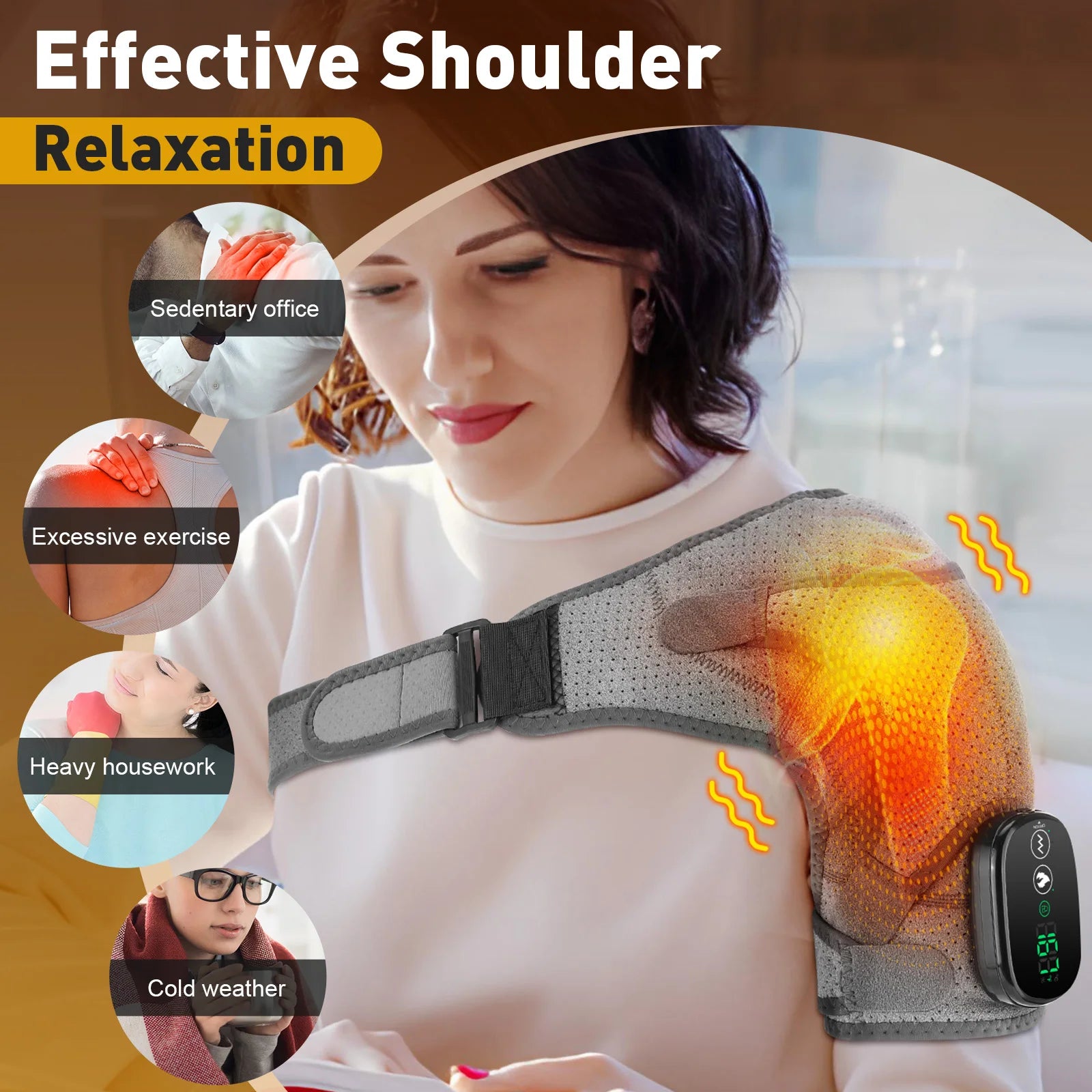
Apply a warm compress or heating pad for 15–20 minutes to increase circulation and help tight muscles relax before stretching.
Self-Massage Techniques
Use your fingers or a massage ball to gently massage tight muscles around the upper back, shoulders, and shoulder blades. Avoid applying direct pressure over joints or sharp areas of pain.
Gentle Mobility Breaks
Stand, stretch, or walk for a few minutes every 30–60 minutes to prevent stiffness from building during prolonged sitting.
Sleep Position Tips
Try sleeping on your back or on your side with appropriate pillow support to keep the neck and shoulders in a neutral position. Avoid sleeping with your shoulder compressed beneath your body for extended periods.
Many people enhance these remedies with supportive tools from the Body Care and Health Devices collection.
How to Relax Neck and Shoulders at Work
Improving your workstation and building regular movement into your day can dramatically reduce shoulder stress over time.
Desk Ergonomics Checklist
- Keep the monitor at eye level.
- Relax your shoulders while typing.
- Support your forearms with armrests when appropriate.
- Keep your elbows close to your sides.
- Avoid leaning your head toward the screen.
30-Second Desk Stretch Routine
- Roll your shoulders backward five times.
- Tilt your head gently to each side.
- Reach both arms overhead.
- Take three slow diaphragmatic breaths.
Posture Reset Every Hour
Set a reminder every hour to stand, reset your posture, relax your shoulders away from your ears, and take a brief walk. These microbreaks help prevent muscle fatigue before it becomes painful.
Build a Daily Shoulder Relaxation Routine That Lasts
Consistency matters more than intensity. A simple routine repeated every day is often more effective than occasional long stretching sessions.
Morning Shoulder Mobility Routine
- Shoulder rolls (1 minute)
- Arm circles (30 seconds)
- Chest stretch (20–30 seconds)
Midday Reset for Desk Workers
- Neck stretches
- Deep breathing
- Brief mobility exercises
Evening Relaxation Routine
- Gentle yoga stretches
- Warm compress
- Light self-massage
Healthy Habits to Prevent Tight Shoulders
- Exercise regularly.
- Manage daily stress.
- Stay physically active.
- Take movement breaks during computer work.
- Track which activities trigger recurring tightness.
Explore more wellness support in the Lifestyle collection.

Reduce muscle tightness with consistent daily care.
Get yours now — limited stock!
Common Posture Mistakes That Keep Shoulders Elevated
Rounded Shoulders
Rounded shoulders shorten the chest muscles while overstretching the muscles of the upper back. This imbalance makes it difficult to maintain relaxed shoulder positioning throughout the day.
Forward Head Posture
When the head moves forward in front of the shoulders, the neck and upper trapezius muscles must work harder to support its weight, often leading to persistent tightness.
Overusing Upper Traps
Many people unknowingly elevate their shoulders while typing, lifting, or exercising. Learning to engage the middle back and shoulder blade muscles instead of constantly relying on the upper trapezius helps reduce unnecessary tension.
When to See a Healthcare Professional
Symptoms That Need Evaluation
Seek medical evaluation if shoulder pain lasts several weeks despite home care, becomes progressively worse, follows trauma, significantly limits movement, or is accompanied by numbness, tingling, weakness, fever, or unexplained swelling.
Conditions That Mimic Muscle Tension
Rotator cuff injuries, cervical nerve irritation, arthritis, frozen shoulder, and certain inflammatory conditions can resemble ordinary muscle tightness. An accurate diagnosis is important when symptoms persist or interfere with normal daily activities.
Frequently Asked Questions
How often should I practice shoulder relaxation techniques?
Practicing for 5–10 minutes daily provides the best long-term results. Brief movement breaks throughout the day are even more effective than performing one longer session once a week.
What causes recurring shoulder tightness?
The most common causes include prolonged sitting, poor posture, stress, repetitive movements, muscle imbalances, and insufficient physical activity.
Can stress alone make my shoulders tense?
Yes. Emotional stress often causes unconscious muscle tightening, particularly in the neck and upper trapezius muscles. Combining breathing exercises with regular movement helps interrupt this response.
What is the best stretch for tight shoulders?
There is no single best stretch for everyone, but doorway chest stretches, upper trapezius stretches, thoracic mobility exercises, and shoulder rolls are effective for many people with muscular tightness.
Can shoulder pain relief at home replace professional treatment?
Home care works well for mild muscular tension, but persistent, severe, or worsening symptoms should be evaluated by a qualified healthcare professional.
How long does it take to loosen stiff shoulders?
Many people notice immediate relief after stretching or breathing exercises, while lasting improvements in flexibility and posture typically require several weeks of consistent practice.













