
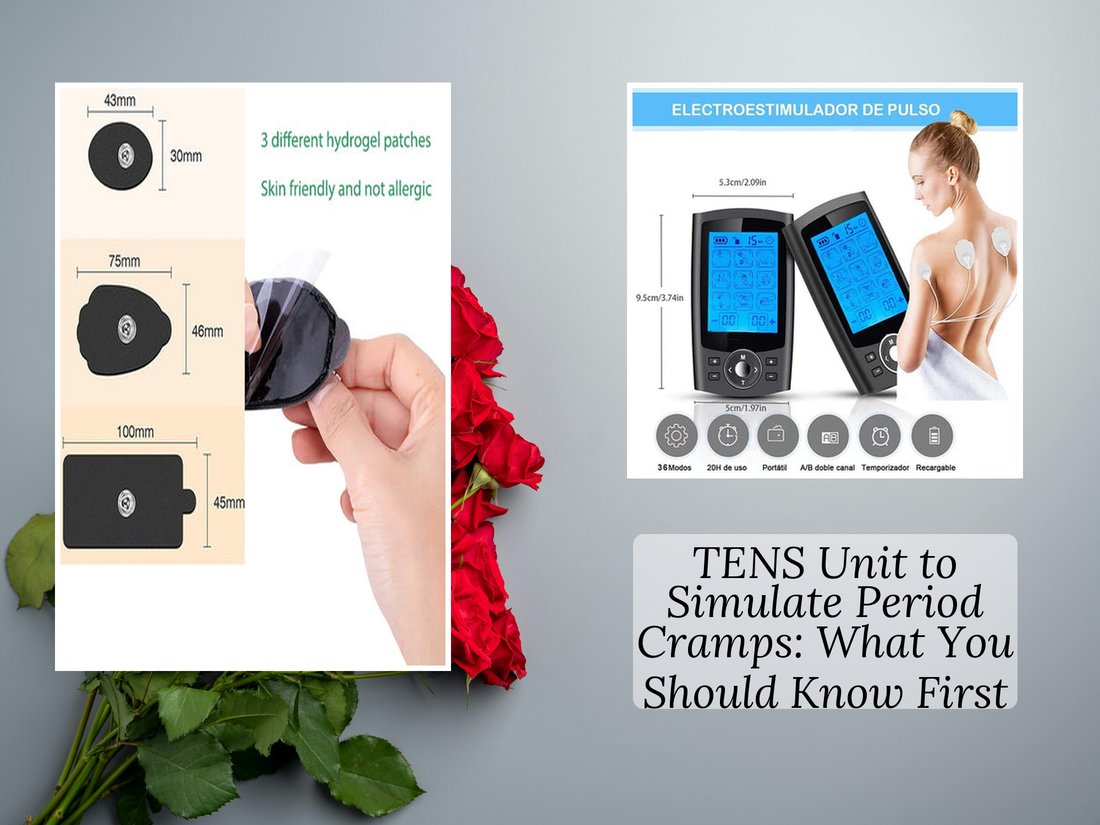
TENS Unit to Simulate Period Cramps: Safe Setup, Placement & Settings Guide
Curious about using a TENS unit to simulate period cramps? While TENS devices are widely known for relieving muscle pain, many people now experiment with them to understand what menstrual cramps feel like. Educational demonstrations, wellness discussions, and empathy challenges often use this approach to recreate cramp-like sensations safely.
But how realistic is the sensation, and what settings or pad placement create it? This guide explains how TENS stimulation works, where to place electrodes, and how to adjust the device safely if you want to simulate period cramps.
⏱ 7 min read
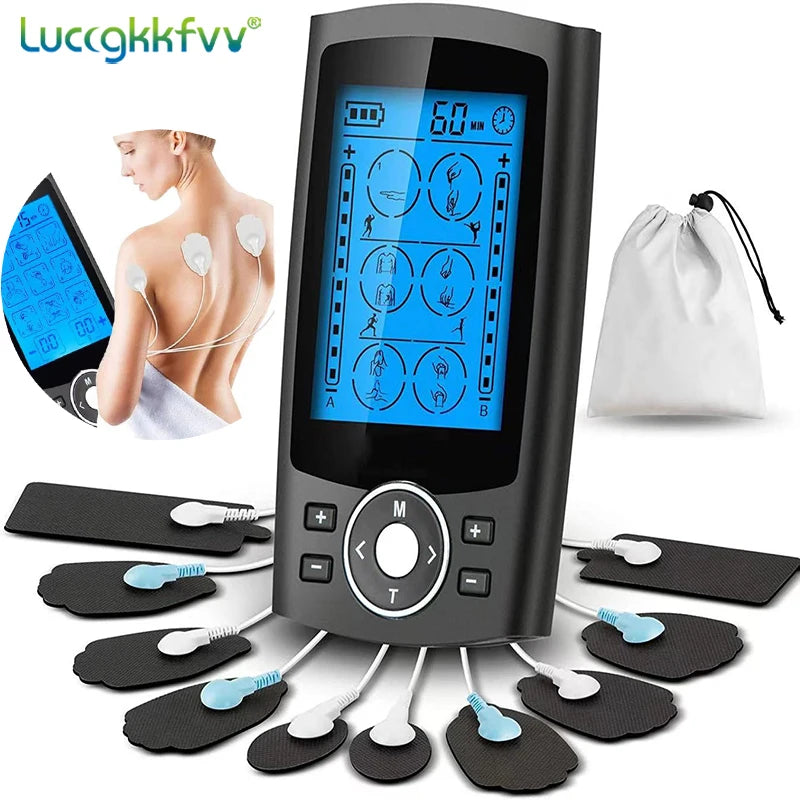
💡 Discover how a TENS EMS machine works for cramps and recovery.
What Is a TENS Unit and How Does It Affect Nerves?
A TENS (Transcutaneous Electrical Nerve Stimulation) unit is a small device that sends low-voltage electrical pulses through the skin using adhesive electrode pads. These pulses stimulate nearby sensory nerves rather than muscles.
The electrical signals can create sensations ranging from light tingling to rhythmic tightening depending on the intensity and frequency settings. TENS devices are commonly used for pain relief because the stimulation interferes with pain signals traveling to the brain.
Because menstrual cramps involve nerve signals traveling through the pelvic region, stimulating nearby nerves with a TENS device can sometimes produce sensations that resemble cramping.
If you're interested in how these devices affect muscle recovery, you can also explore our guide explaining what a TENS unit does for muscles.
Can a TENS Machine Simulate Period Cramps?
Yes, a TENS machine can simulate sensations that resemble period cramps by stimulating the same nerve pathways associated with lower abdominal discomfort. When electrical pulses are applied to the lower abdomen or lower back, the stimulation can produce tightening or pulsing sensations similar to cramping.
However, a TENS device does not reproduce the biological process of menstruation. Real menstrual cramps occur when the uterus contracts due to prostaglandins—hormone-like chemicals that cause the uterine lining to shed.
A TENS unit simply activates nearby nerves and creates a sensation that feels similar, which is why it is sometimes used in demonstrations or awareness exercises.
How Menstrual Cramps Actually Work (Why TENS Can Mimic the Feeling)
Menstrual cramps, medically known as dysmenorrhea, occur when the uterus contracts to shed its lining during a menstrual cycle. These contractions are triggered by prostaglandins.
Higher prostaglandin levels lead to stronger uterine contractions. These contractions can restrict blood flow and stimulate pain receptors in the pelvic nerves.
The brain interprets these nerve signals as cramping pain in the lower abdomen, and sometimes the sensation spreads to the lower back or upper thighs.
A TENS unit interacts with these same nerve pathways. By sending electrical pulses through the skin, the device stimulates sensory nerves in the abdominal or lumbar region. This stimulation can produce pulsing or tightening sensations that resemble menstrual cramps.
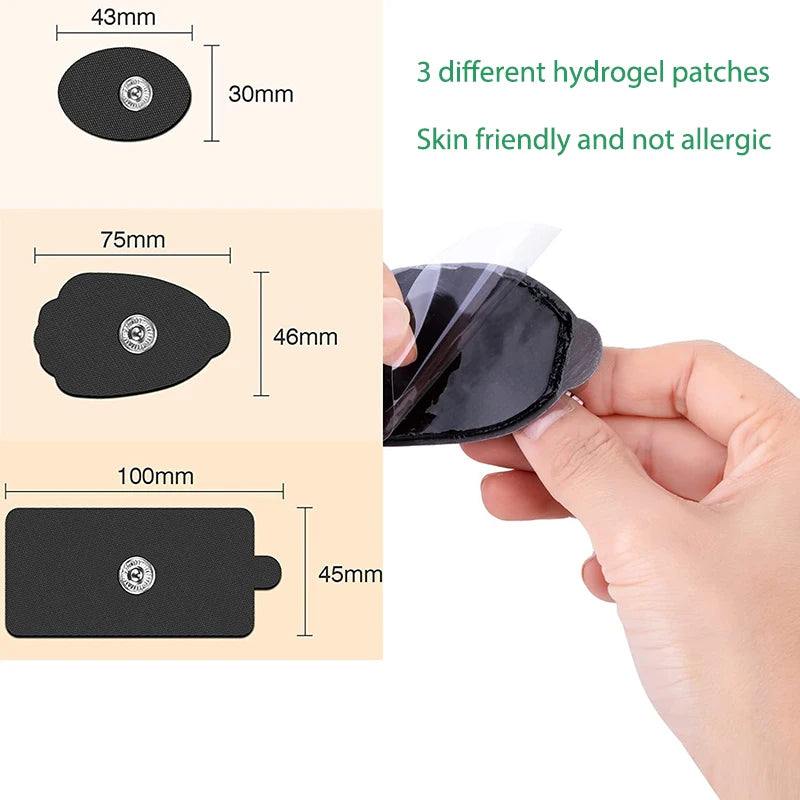
⚡ Experience how an EMS TENS stimulator feels before committing.
How to Simulate Period Cramps with a TENS Unit (Step-by-Step)
Step 1: Choose the Correct Mode on the TENS Machine
Select a standard TENS mode rather than EMS. TENS targets sensory nerves and produces tingling or cramp-like sensations, while EMS primarily stimulates muscles and causes visible contractions.
Step 2: Electrode Placement for Period Cramp Simulation
Attach two electrode pads to the lower abdomen or lower back. These areas correspond with nerve pathways associated with menstrual pain signals.
Step 3: Adjust Intensity to Mimic Cramping Sensation
Begin at the lowest intensity level. Slowly increase the power until you feel a pulsing or tightening sensation that resembles cramping. The stimulation should remain tolerable and controlled.
Step 4: Duration and Sensation Expectations
Most demonstrations last between 5 and 15 minutes. The sensation usually feels like periodic tightening or pressure rather than constant pain.
Where to Place a TENS Unit to Simulate Period Cramps
Lower Abdomen Placement
Place two pads a few inches below the navel on either side of the lower abdomen. This region corresponds with nerves connected to the uterus and pelvic area.
Lower Back Placement (Sacral Nerve Area)
Another common placement is on the lower back just above the hips. Many people experience menstrual pain radiating to this area, making it a common location used in demonstrations.
Dual-Pad Setup Used in Demonstrations
Some setups use two pads on the abdomen and two on the lower back simultaneously. This broader stimulation can produce a more widespread cramping sensation across the pelvic region.
What Setting on a TENS Machine Simulates Period Cramps?
Frequency Range
Lower to medium frequencies often produce sensations closest to cramping. Demonstrations commonly use frequencies between 10 Hz and 50 Hz.
Pulse Width
A pulse width between 150 and 250 microseconds can create stronger tightening sensations compared with shorter pulses.
Intensity Guidelines
Increase intensity gradually until the stimulation becomes noticeable and rhythmic. The goal is to mimic the feeling of cramping without causing sharp discomfort.
TENS vs EMS: Which One Creates the “Cramp” Sensation?
TENS and EMS technologies both use electrical stimulation, but they work differently.
- TENS: Targets sensory nerves and creates tingling, pulsing, or cramp-like sensations.
- EMS: Stimulates muscles directly and causes visible muscle contractions.
For demonstrations that attempt to simulate menstrual cramps, TENS mode is typically used because it stimulates nerve signals rather than forcing muscles to contract.
If you're comparing technologies, read our guide explaining the difference between TENS and EMS.
Safety Guidelines When Using a TENS Unit to Simulate Period Pain
Who Should NOT Use TENS
Individuals with pacemakers, heart rhythm disorders, epilepsy, or certain neurological conditions should avoid using TENS devices unless approved by a healthcare professional.
Maximum Safe Intensity
Always begin with the lowest intensity setting and increase gradually. Excessive stimulation may cause discomfort or skin irritation.
Pad Placement to Avoid
Do not place electrode pads across the chest, directly over the spine, on the neck, or on broken skin. Proper placement reduces the risk of unintended nerve stimulation.
People seeking pain relief from menstrual discomfort may also benefit from learning how a TENS unit can help period cramps.
Why Some Demonstrations Use TENS Units to Replicate Period Pain
Educational demonstrations sometimes use TENS units to help people understand what menstrual cramps can feel like. By adjusting intensity and electrode placement, the device can produce pulsing sensations similar to cramping.
These demonstrations are occasionally used in health education discussions or awareness campaigns to help people better understand menstrual discomfort and build empathy.
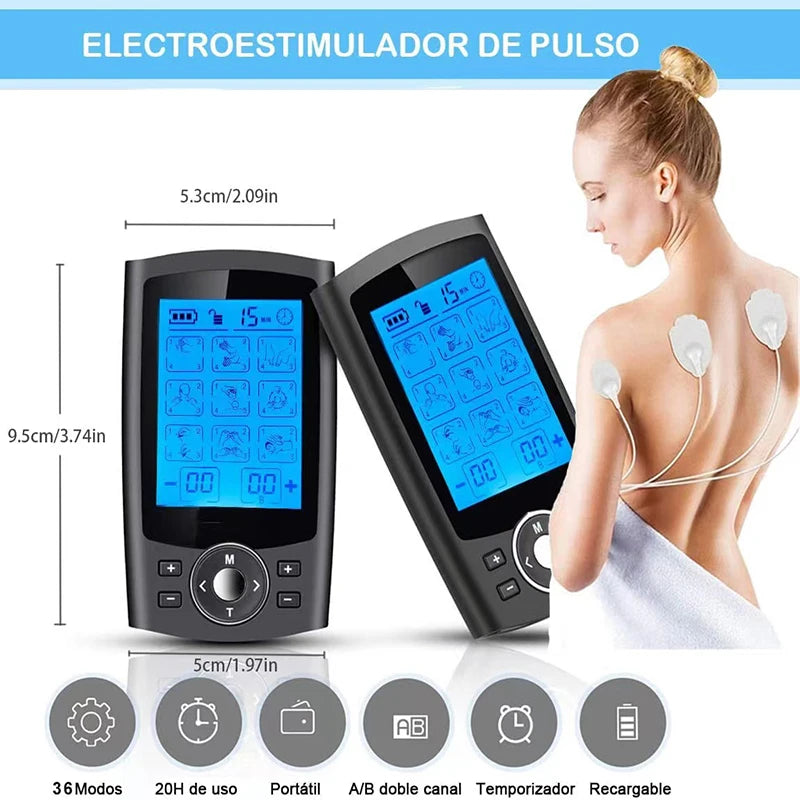
💡 Get relief with a multifunction EMS TENS device.
FAQ: Using a TENS Unit to Simulate Period Cramps
Can a TENS machine really simulate period cramps?
It can create sensations similar to cramping by stimulating nerves in the lower abdomen or back, but it does not reproduce the biological process of menstruation.
What setting on a TENS unit mimics menstrual cramps?
Lower to medium frequencies combined with moderate intensity are typically used to create pulsing or tightening sensations similar to cramps.
Where should you place TENS pads to simulate period pain?
The most common placements are the lower abdomen below the navel or the lower back above the hips.
Is it safe to simulate period cramps with a TENS unit?
It can be safe when used according to device guidelines, starting at low intensity and avoiding sensitive areas.
Can men use a TENS machine to experience period cramps?
Yes. Some demonstrations allow men to experience similar sensations using a TENS device, although the perception of the sensation can vary.
Pillar Article: Is It Safe to Use a TENS Unit While Pregnant? What Experts Say
Other Related Articles:
Explore More:













