

Do Neck Heating Pads Really Work for Pain Relief?
A therapeutic neck heating pad can provide effective short-term relief for many common causes of neck discomfort by delivering consistent warmth directly to tense muscles. Heat encourages blood vessels to widen, improving circulation and helping muscles relax, which often reduces stiffness and makes movement more comfortable.
For people with muscle tightness caused by desk work, stress, poor posture, or mild overuse, a neck heating pad for pain relief is often more effective than a warm towel because it maintains a steady temperature and covers the affected area evenly. However, it's important to set realistic expectations: heat therapy helps manage symptoms and improve mobility, but it does not treat structural problems such as herniated discs, fractures, or nerve compression. Persistent, worsening, or radiating pain should be evaluated by a healthcare professional.
Best Neck Heating Pad for Pain Relief (2026 Buyer's Guide)
⏱ 6 min read
Stiff neck again? If you're comparing options for real, lasting relief, a neck heating pad can outperform basic remedies by providing consistent heat, better coverage, and hands-free comfort. This guide explains how heat therapy works, compares the most effective heating pad styles, and helps you choose the right option for everyday comfort.
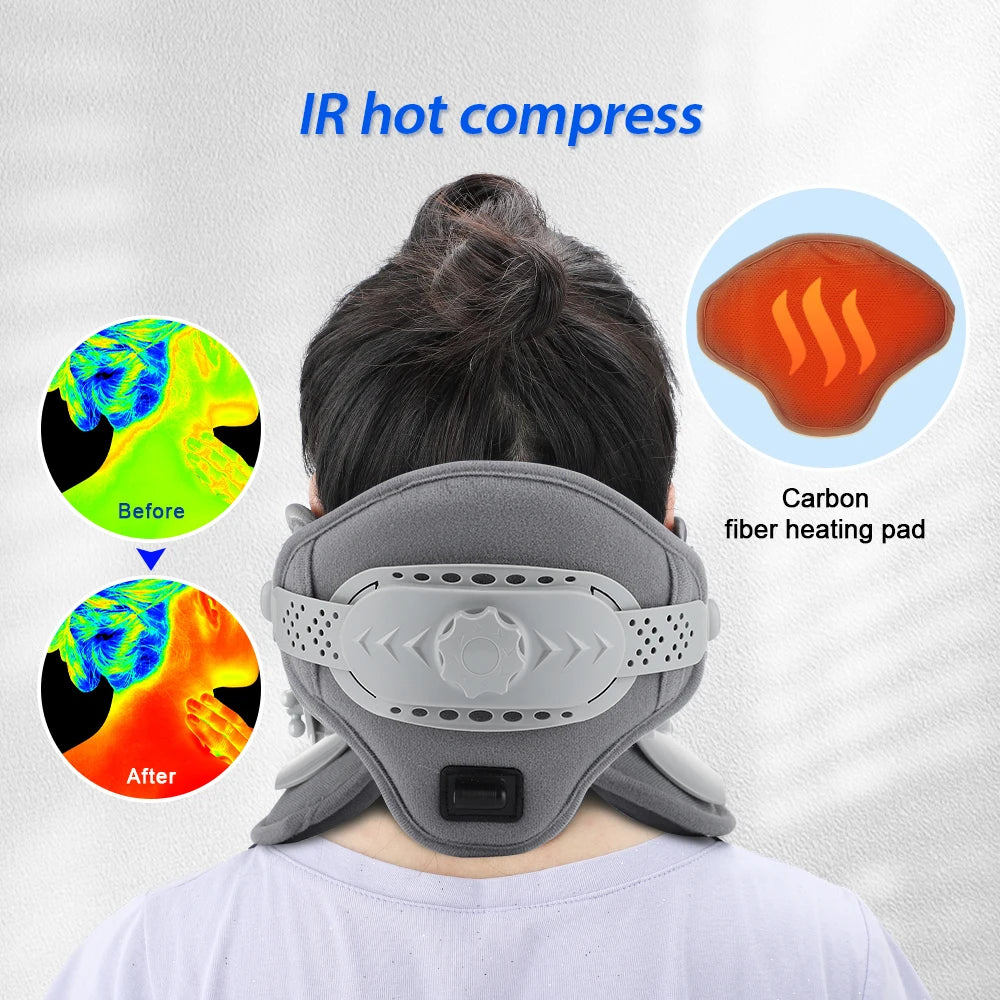
Targeted warmth for neck muscle tension relief — See it in action
Why Neck Pain and Muscle Tension Keep Coming Back
Recurring neck pain is often the result of everyday habits rather than a single injury. Hours spent looking at computer screens, using mobile devices, driving, or sleeping in awkward positions place continuous strain on the muscles supporting your head and shoulders.
Stress can make the problem worse by causing muscles to remain partially contracted throughout the day. Reduced movement also limits circulation, making stiffness persist even after resting.
Heat therapy for stiff neck discomfort works best when symptoms are caused by muscular tension rather than acute inflammation. Applying gentle heat before stretching or light movement can improve flexibility and make exercises more comfortable.
How Heat Therapy Relieves a Stiff Neck Fast
Heat therapy works by relaxing muscle fibers and improving circulation in targeted areas. This helps reduce stiffness and restore mobility more quickly than passive rest.
- Relaxes tight muscles within minutes
- Improves flexibility and range of motion
- Reduces stress-related muscle tension
- Supports recovery after long work sessions
- May improve comfort before gentle stretching exercises
For best results, use heat before mobility exercises or after prolonged sitting when muscles feel tight rather than immediately after a new injury.
Best Neck Heating Pads for Pain Relief (Top Picks Compared)
To identify the best neck heating pad options, consider heat consistency, coverage, safety features, ease of use, durability, and overall value rather than temperature alone.
Best Overall Neck Heating Pad
A soft electric model with multiple temperature settings, fast heating, machine-washable fabric, and automatic shut-off offers the best balance of comfort, safety, and everyday performance.
Best Electric Heating Pad for Neck and Shoulders
Wrap-around designs that extend across both shoulders stay securely in place and distribute heat evenly, making them ideal for posture-related tension and long desk days.
Best Therapeutic Neck Heating Pad
Therapeutic models prioritize ergonomic shaping, consistent temperature control, and extended coverage for users managing frequent muscle tightness or recurring discomfort.
Best Microwavable Neck Wrap
Filled with flaxseed, rice, or natural grains, microwavable wraps provide moist heat without cords. They're convenient for quick sessions but gradually cool and require reheating.
Best Cordless Neck Heating Pad
Rechargeable or USB-powered models are ideal for commuting, travel, and office use where mobility matters more than extended heating sessions.
Best Budget Neck Heating Pad
Affordable electric pads with basic temperature controls and automatic shut-off deliver reliable relief for occasional muscle soreness without unnecessary premium features.
Best for Chronic Pain & Arthritis
Infrared heating pads may deliver deeper, more gradual warmth that some people find helpful for long-term stiffness and arthritis-related discomfort, although individual results vary.
Neck Heating Pad Comparison Table (Quick Overview)
| Feature | Electric | Microwavable | Infrared |
|---|---|---|---|
| Heat Settings | Multiple (2-6+) | Single | Multiple |
| Coverage | Excellent | Good | Excellent |
| Power Source | AC or USB | Microwave | AC Power |
| Auto Shut-Off | Usually Included | Not Required | Usually Included |
| Typical Cost | $$ | $ | $$$ |
Electric vs Microwavable vs Infrared Neck Heating Pads
Electric Heating Pads
Electric heating pads provide adjustable, consistent warmth throughout the session and are the preferred choice for regular home use.
Microwavable Heating Pads
Microwavable wraps offer convenient moist heat without electrical cords. They're portable and comfortable but generally stay warm for only 20 to 30 minutes.
Infrared Heating Pads
Infrared models warm tissues more gradually and are often selected by users with chronic muscle tightness who want longer treatment sessions.
Which Type Is Best for Your Pain?
- Daily office-related stiffness: Electric heating pad
- Travel or quick relief: Microwavable or cordless wrap
- Long-term muscle tension: Infrared heating pad
- Neck and shoulder tightness: Full wrap-around heating pad
How to Choose the Best Neck Heating Pad for Your Needs
Heat Levels & Temperature Control
Choose adjustable settings so you can gradually increase warmth instead of using excessive heat immediately.
Material & Comfort
Soft plush fabrics and flexible construction improve comfort while helping the pad conform closely to your neck and shoulders.
Safety Features
Automatic shut-off, overheat protection, and detachable controllers improve safety during daily use.
Coverage & Fit
Larger neck-and-shoulder designs distribute heat more evenly than compact rectangular pads and reduce the need for frequent repositioning.
Corded vs Cordless
Corded models generally provide unlimited heating sessions, while cordless designs prioritize portability for commuting and travel.
Electric Heating Pad vs Home Remedies for Neck Pain
Heat works best for muscle tightness and chronic stiffness, while ice is generally more appropriate during the first 24 to 48 hours after an acute injury accompanied by swelling.
Heat vs Massage
Massage helps release muscle tension mechanically, while heat relaxes tissues beforehand. Combining the two often produces better comfort than either method alone.
Heat vs Stretching
Gentle stretching is often easier after warming tight muscles. Applying heat for 10 to 15 minutes before mobility exercises may improve flexibility.
Home remedies like warm towels or showers provide temporary comfort but cool quickly and require repeated preparation.
An electric heating pad for neck and shoulders delivers consistent, hands-free warmth with better coverage, making it easier to incorporate heat therapy into a daily routine.
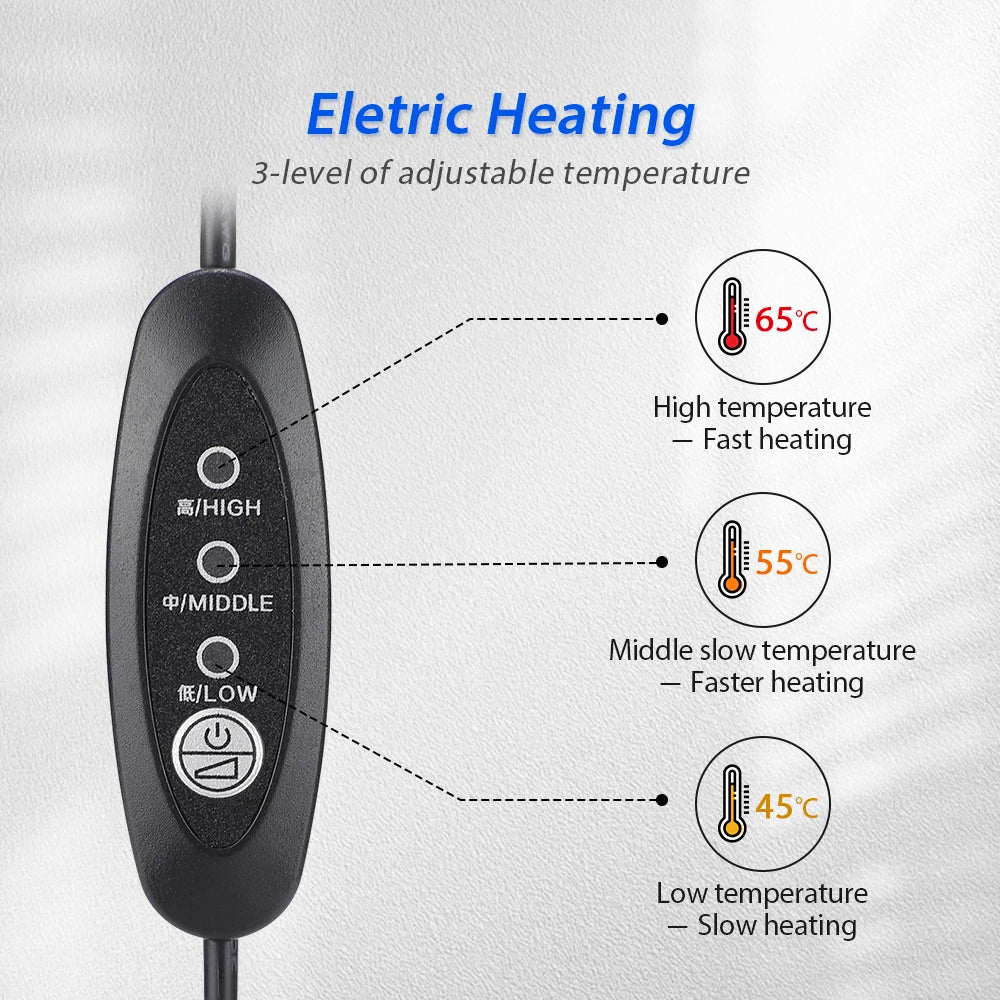
Electric heating pad for neck and shoulders in daily use — See it in action
How to Use a Heating Pad for Neck Pain Safely
Recommended Duration
- Start with a low or medium temperature.
- Use the heating pad for 15 to 30 minutes.
- Allow your skin to cool before another session.
Moist vs Dry Heat
Moist heat may penetrate superficial muscles more comfortably for some users, while dry heat is cleaner, simpler, and easier for everyday use.
Daily Use Tips
- Do not place heat directly on damaged skin.
- Avoid falling asleep with an active heating pad unless it has an auto shut-off function.
- Inspect your skin periodically for excessive redness.
- Moderate daily use is generally more beneficial than very hot, infrequent sessions.
Who Should Use a Neck and Shoulder Heating Pad?
Office Workers
People who spend long hours working at computers often benefit from heat therapy to relieve posture-related muscle tension.
Arthritis & Chronic Pain
Individuals with chronic stiffness may find regular heat sessions improve comfort before daily activities, although heat should complement—not replace—medical treatment.
Sports Recovery
Athletes and active individuals may use heat after the acute injury phase to relax tight muscles following training or repetitive movement.
- Office workers with prolonged screen time
- Frequent drivers
- Travelers
- People with recurring muscular neck stiffness
- Individuals experiencing stress-related muscle tension
When NOT to Use Heat Therapy for Neck Pain
- Avoid heat immediately after a new injury with swelling or inflammation.
- Do not apply heat over open wounds, infections, or irritated skin.
- Consult a healthcare professional if pain radiates into the arms, causes numbness, weakness, or follows significant trauma.
- Use extra caution if you have reduced sensation or medical conditions affecting heat perception.
When inflammation is the primary issue, cold therapy may be more appropriate during the initial recovery period.
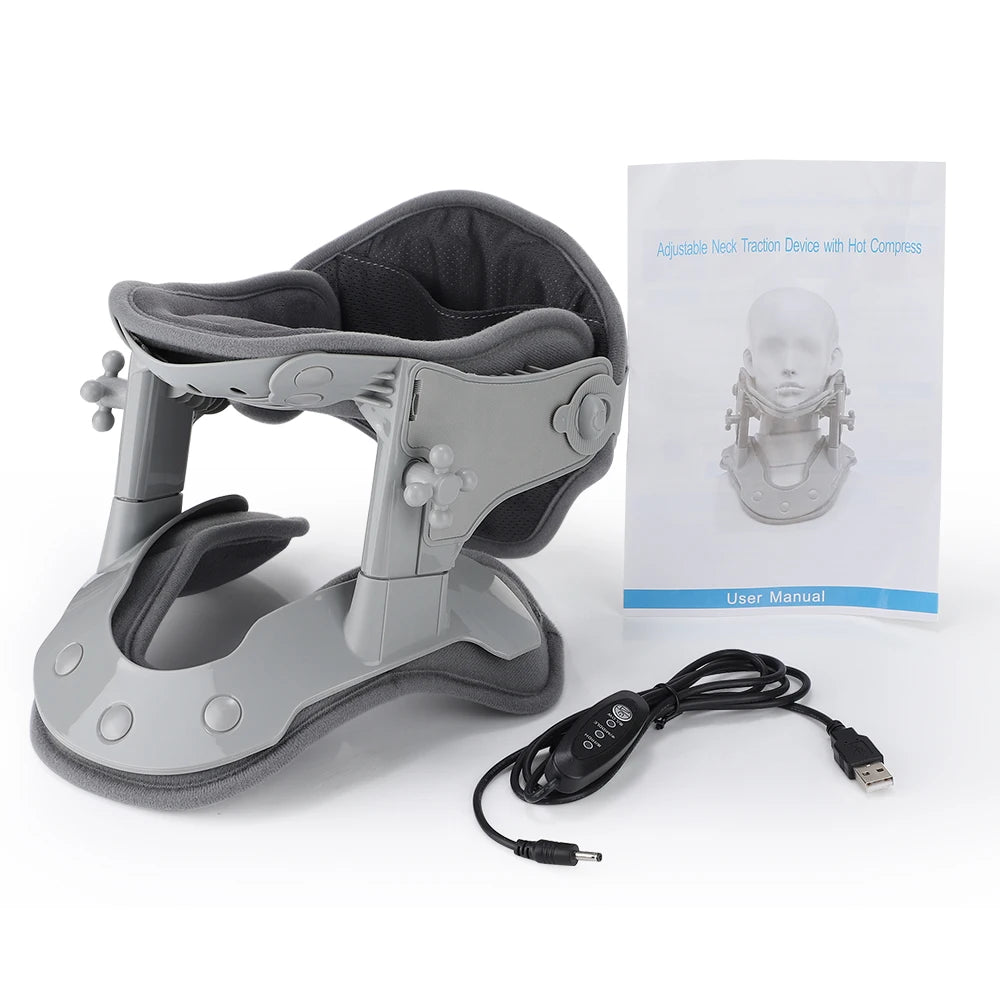
Advanced heat therapy for neck muscle tension relief — See it in action
Care, Cleaning, and Storage Tips
- Always unplug electric heating pads before cleaning.
- Follow the manufacturer's washing instructions, especially if the cover is removable.
- Store the pad flat or loosely rolled to avoid damaging internal heating elements.
- Do not sharply fold cords or place heavy objects on top during storage.
- Inspect the pad regularly for worn wiring, damaged fabric, or overheating before each use.
Frequently Asked Questions About Neck Heating Pads
How often can I use a heating pad for neck pain?
Most people can safely use a heating pad two or three times per day for 15 to 30 minutes, provided their skin remains comfortable and there are no medical contraindications.
Is a heating pad good for muscle tension?
Yes. Heat therapy helps relax tight muscles, improve blood flow, and reduce stiffness associated with muscle tension.
What is the best neck heating pad?
The best neck heating pad combines adjustable temperature settings, broad neck-and-shoulder coverage, comfortable materials, and automatic shut-off for safe daily use.
Can I sleep with a heating pad on my neck?
Sleeping with an active heating pad is generally not recommended, even if it includes an automatic shut-off feature.
Should I use moist or dry heat?
Both are effective. Moist heat may feel more soothing for some users, while dry heat is convenient and suitable for everyday use.
Are electric heating pads safe for daily use?
When used according to the manufacturer's instructions and equipped with modern safety features, electric heating pads are generally safe for regular use.
Related Guide: Neck Massager Portable Compared for Workday Relief













