

Best Thermal Fleece Ear Warmers for Winter: Top Picks, Comparisons & Buying Guide
Does a thermal fleece ear warmers headband really keep ears warm?
Yes. A thermal fleece ear warmers headband is designed to keep ears warm in cold weather by trapping a layer of body-heated air around the ears while helping block chilling wind. Compared with standard fabric headbands, thermal fleece provides better insulation without adding the bulk of a full winter hat, making it an excellent choice for walking, commuting, running, hiking, and other outdoor activities.
While it cannot fully replace a heavily insulated hat during prolonged exposure to extreme sub-zero temperatures, it delivers dependable cold weather ear protection for most winter conditions. A snug, stretchable fit also helps maintain consistent coverage so warmth stays where it's needed.
⏱ 8 min read
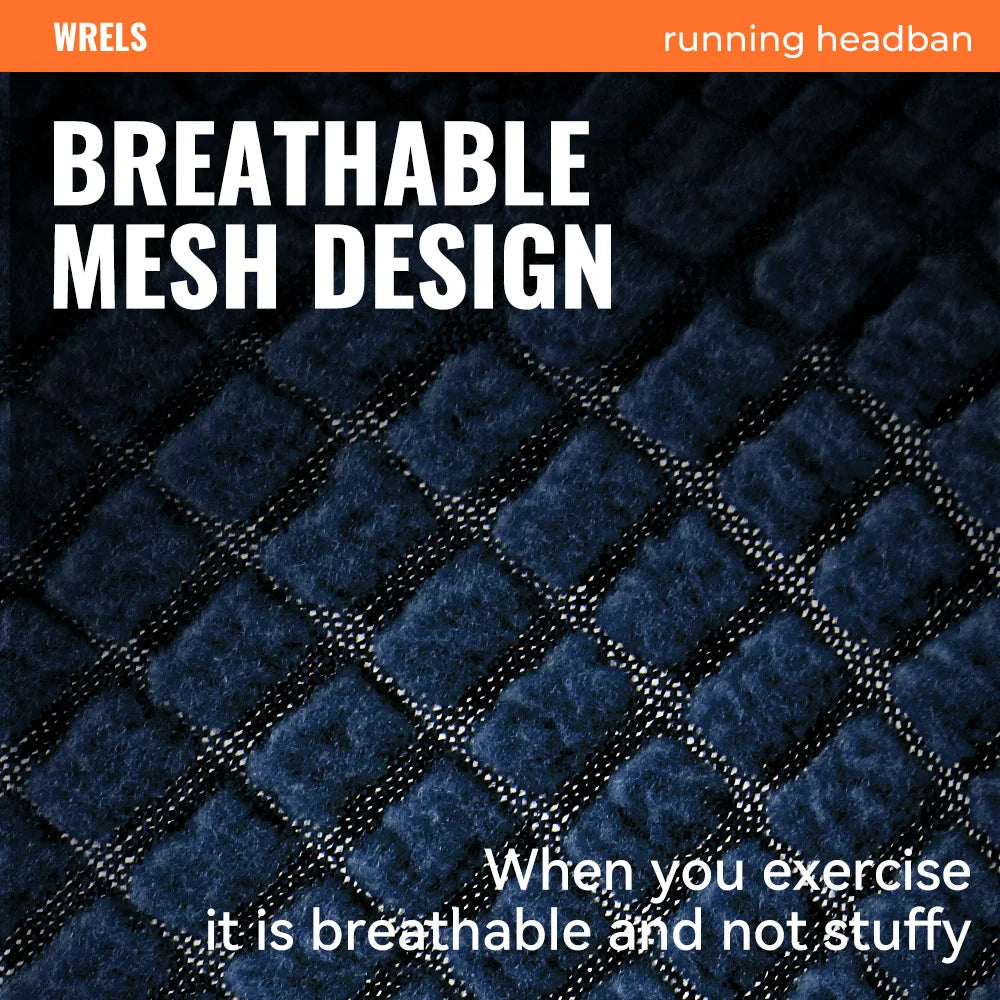
Thermal fleece ear warmers headband offering dependable cold weather ear protection during everyday winter activities.
Top Thermal Fleece Ear Warmers
To identify the best ear warmers for winter, we compared each style based on five practical criteria: insulation, wind resistance, comfort during extended wear, stability while moving, and versatility across different winter activities. The recommendations below are organized by the situations where each style performs best.
Best Overall Thermal Fleece Ear Warmers Headband
A well-balanced thermal fleece headband that combines soft insulation, dependable wind resistance, and a secure stretch fit. It's suitable for daily walks, commuting, hiking, and light outdoor exercise, making it the best all-around option for most people.
- Best for: Everyday winter wear and general outdoor use.
- Strengths: Excellent warmth-to-weight ratio, comfortable against the skin, flexible fit, and consistent ear coverage.
- Pros: Comfortable fit, reliable warmth retention, versatile across multiple activities.
- Cons: For prolonged exposure to extreme alpine or sub-zero conditions, additional head insulation may still be beneficial.
Best for Running in Winter
Designed for active movement, these lightweight fleece ear warmers prioritize breathability and moisture management while still protecting ears from cold wind.
- Best for: Running, jogging, brisk walking, and winter fitness.
- Strengths: Moisture-wicking fabric, low-profile fit, secure during movement.
- Pros: Lightweight, breathable, stays comfortably in place.
- Cons: Provides slightly less insulation than thicker thermal fleece designs.
Best for Extreme Cold & Wind Protection
Heavier thermal fleece construction with increased insulation and improved wind resistance for harsher winter climates and extended outdoor exposure.
- Best for: Snowy weather, mountain environments, and prolonged outdoor work.
- Strengths: Superior heat retention and enhanced wind blocking.
- Pros: Maximum insulation, dependable protection in freezing weather.
- Cons: Slightly bulkier than lightweight performance models.
Best Budget Option
An affordable fleece ear warmer that covers the essentials without sacrificing everyday comfort.
- Best for: Occasional winter use and value-conscious buyers.
- Strengths: Practical warmth at an accessible price.
- Pros: Budget-friendly, comfortable, suitable for casual wear.
- Cons: Materials and long-term durability may not match premium models.
Best for Women / Style-Focused Fit
Designed with a slimmer profile and contoured shape that pairs easily with everyday winter outfits while maintaining reliable thermal performance.
- Best for: Daily commuting, travel, and casual outdoor activities.
- Strengths: Comfortable stretch fit with an attractive low-profile appearance.
- Pros: Stylish, flexible sizing, comfortable for extended wear.
- Cons: Fashion-focused designs may offer less insulation than expedition-style options.
Best Helmet-Compatible Ear Warmers
Low-profile fleece ear warmers designed to fit comfortably beneath cycling, skiing, or snowboarding helmets without creating pressure points.
- Best for: Cycling, skiing, snowboarding, and other helmet-based sports.
- Strengths: Thin construction, breathable fabric, minimal bulk.
- Pros: Helmet-friendly, lightweight, comfortable during long rides.
- Cons: Reduced thickness means less insulation than heavy thermal fleece models.
Quick Comparison Table of Top Thermal Fleece Ear Warmers
| Style | Material | Warmth | Wind Protection | Fit | Best Use |
|---|---|---|---|---|---|
| Standard Thermal Fleece Headband | Thermal fleece | Medium-High | Good | Stretch fit | Daily wear and commuting |
| Running Ear Warmers | Lightweight performance fleece | Light-Medium | Moderate | Snug, moisture-wicking | Running and outdoor workouts |
| Heavy Thermal Fleece | High-density fleece | High | Excellent | Full coverage | Extreme cold and windy weather |
| Helmet-Compatible | Thin performance fleece | Light-Medium | Moderate | Low-profile | Skiing, cycling, and helmet use |
Best Ski Helmet with Goggles: Top Integrated & Combo Helmets Compared for 2026
Finding the best ski helmet with goggles can make a noticeable difference in comfort, visibility, and convenience on the mountain. Whether you're a first-time skier, a snowboard enthusiast, or an experienced all-mountain rider, an integrated helmet and goggle combo helps eliminate fit issues while simplifying your gear setup. This guide compares the leading options for 2026 and explains what features matter most before you buy.
Quick Comparison: Top Ski Helmet with Goggles Picks
The table below highlights the strengths of today's most popular ski helmet and goggle combo styles so you can quickly narrow down the right option for your riding style and budget.
| Category | Best For | Typical Safety Features | Lens System | Price Range |
|---|---|---|---|---|
| Best Overall | All-mountain performance | MIPS or equivalent impact protection | Anti-fog dual lens | $$$ |
| Best Budget | New riders and occasional use | ASTM/CE certified shell | Dual lens with anti-fog coating | $ |
| Best Premium | Frequent skiers and snowboarders | MIPS with advanced construction | Magnetic interchangeable lens | $$$$ |
| Best Removable System | Riders wanting flexibility | Certified impact protection | Detachable goggles | $$-$$$ |
| Best Ventilation | Variable weather conditions | Certified helmet construction | Ventilated anti-fog lens | $$-$$$ |
Do Ski Snowboard Helmet Goggles Really Outperform Separate Helmets and Goggles?
For many riders, the answer is yes. A ski snowboard helmet combo is engineered so the helmet and goggles work together as one system, reducing the "gaper gap" between your forehead and lens while improving airflow. This coordinated design minimizes compatibility issues that can occur when mixing different brands and often delivers better comfort throughout a full day on the slopes.
Integrated systems are especially appealing for beginners, travelers, and recreational riders who value convenience. Separate helmets and goggles still offer greater customization, making them a strong choice for riders who frequently swap lenses for changing light conditions or already own premium goggles.
What Is a Ski Helmet with Goggles?
A ski helmet with goggles combines head and eye protection into a coordinated system. Often called a ski snowboard helmet combo , helmet with goggles , or integrated goggles ski helmet , these designs are built to maximize compatibility, reduce fogging, and provide a secure fit without requiring separate sizing decisions.
Integrated vs Traditional Helmet & Goggles
Traditional setups require you to match a helmet and goggles from the same or compatible brands to achieve a proper seal. An improper match can leave unwanted gaps, create pressure points, or reduce ventilation. Integrated systems remove much of this guesswork by pairing helmet geometry with a matching lens and frame from the factory.
- Integrated systems: Simpler setup, consistent fit, and optimized airflow.
- Traditional combinations: Greater flexibility for upgrading goggles or swapping specialized lenses.
How Ski Snowboard Helmet Combo Systems Work
Modern helmet and goggle combos are designed so every component works together to improve comfort and visibility in snowy conditions.
- Pre-matched helmet shell and lens geometry for a tighter facial seal.
- Secure attachment systems, including fixed mounts or magnetic connections on premium models.
- Integrated ventilation channels that promote airflow to help reduce lens fogging.
- Adjustable fit systems that keep the helmet stable without creating uncomfortable pressure points.
Key Benefits of a Ski Helmet with Built-In Goggles
A well-designed ski helmet and goggles system offers more than convenience. When the helmet shell, ventilation channels, and lens are engineered to work together, riders typically experience a more comfortable fit and clearer vision across changing mountain conditions.
- All-in-one convenience: Skip the trial and error of matching separate helmets and goggles.
- Reduced gaper gap: A closer seal between the helmet and lens helps keep out cold air, snow, and moisture.
- Improved field of view: Proper alignment allows the goggles to sit naturally for better peripheral vision.
- Superior anti-fog performance: Integrated ventilation and dual-lens construction help maintain clear visibility during active runs.
- Consistent fit: The helmet and goggles are designed as a coordinated system, reducing pressure points.
- Quick setup: Ideal for beginners, families, travelers, and anyone who prefers hassle-free gear.
- Better weather protection: A well-sealed system provides improved protection against wind, blowing snow, and cold temperatures.
How to Choose the Best Helmet with Goggles for Skiing
Not every ski helmet and goggle combo performs the same. Prioritize fit, visibility, certified protection, and long-term comfort before comparing premium features.
Fit Systems and Sizing
A helmet should fit snugly without creating painful pressure points. Look for adjustable dial-fit systems, removable padding, and sizing options that allow the helmet to remain secure during carving, jumps, and rough terrain. If you're between sizes, follow the manufacturer's sizing guide rather than guessing.
Lens Technology and Anti-Fog Performance
Lens quality has a major impact on visibility. Features worth considering include:
- Double-layer lenses for improved thermal insulation.
- Durable anti-fog coatings.
- UV protection for bright alpine conditions.
- Visible Light Transmission (VLT) ratings matched to your typical weather.
- Interchangeable or magnetic lenses if you regularly ride in changing light.
Safety Certifications (MIPS, ASTM, CE)
Choose helmets that meet recognized safety standards such as ASTM or CE certification. Models equipped with MIPS or similar rotational-impact management technology may provide additional protection by helping reduce rotational forces during certain angled impacts. Certification should always take priority over cosmetic features.
Ventilation and Climate Control
Adjustable vents allow you to regulate airflow as temperatures change throughout the day. Good ventilation not only improves comfort but also helps reduce moisture buildup inside the goggles, supporting better fog resistance.
Helmet-Goggle Compatibility and Seal
Even if you buy separate equipment, the goggles should sit flush against the helmet without leaving a noticeable forehead gap. A secure seal improves comfort, minimizes cold air entering around the lens, and helps maintain effective airflow through the ventilation system.
Weight and Comfort
Lightweight helmets reduce neck fatigue during long sessions while maintaining certified protection. Soft liners, washable ear pads, moisture-wicking fabrics, and glove-friendly adjustment systems all contribute to greater comfort for full-day skiing and snowboarding.
Comfort, Fit, and All-Day Wear
A quality fleece ear warmers headband should feel secure without creating pressure around the temples or causing discomfort after several hours outdoors. Soft, stretchable fabric allows the headband to adapt to different head sizes while maintaining full ear coverage throughout the day.
The low-profile design also makes thermal fleece a practical option for people who wear glasses, bike helmets, ski helmets, or hooded jackets. Because the material remains lightweight, it layers comfortably beneath other winter gear without feeling bulky or restricting movement.
When choosing the right size, look for a fit that stays in place during walking or exercise but doesn't leave pressure marks. A properly fitted headband ear warmer provides consistent insulation while allowing enough flexibility for long periods of wear.
For more lifestyle-friendly cold accessories, explore the Lifestyle collection.
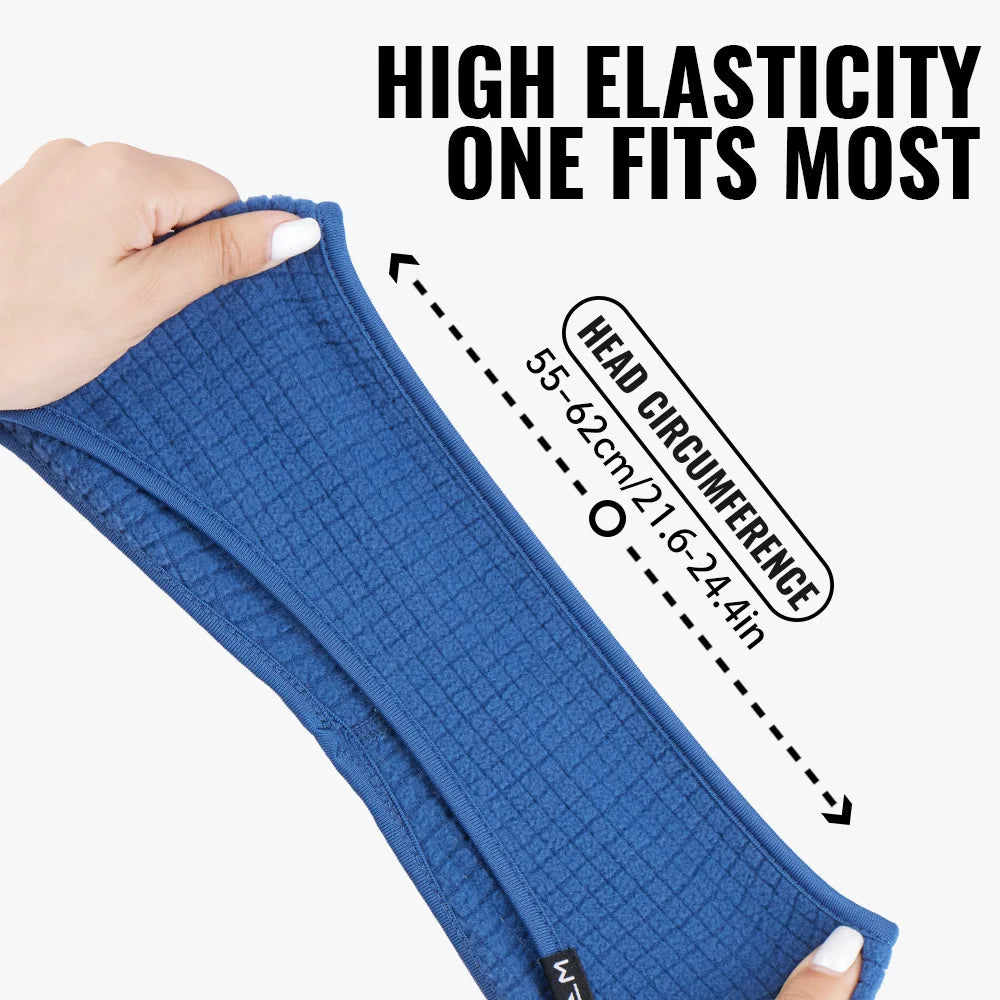
Winter ear warmers designed for comfortable all-day wear during commuting, exercise, and outdoor adventures.
Care, Durability, and Long-Term Value
Well-made thermal fleece ear warmers are designed to withstand repeated winter use while maintaining their softness, stretch, and insulating performance. Quality stitching and resilient fleece fibers help prevent the headband from losing its shape after frequent packing, washing, and everyday wear.
- Wash by hand or use a gentle machine cycle with cold water.
- Use mild detergent to help preserve the fleece fibers.
- Air dry whenever possible to maintain elasticity and fabric loft.
- Avoid high heat from dryers or irons, which can damage synthetic fleece.
- Store flat or loosely folded in a clean, dry place between seasons.
With proper care, a premium thermal fleece headband can provide dependable cold-weather performance for multiple winter seasons, making it a practical investment for commuters, runners, travelers, and outdoor enthusiasts alike.
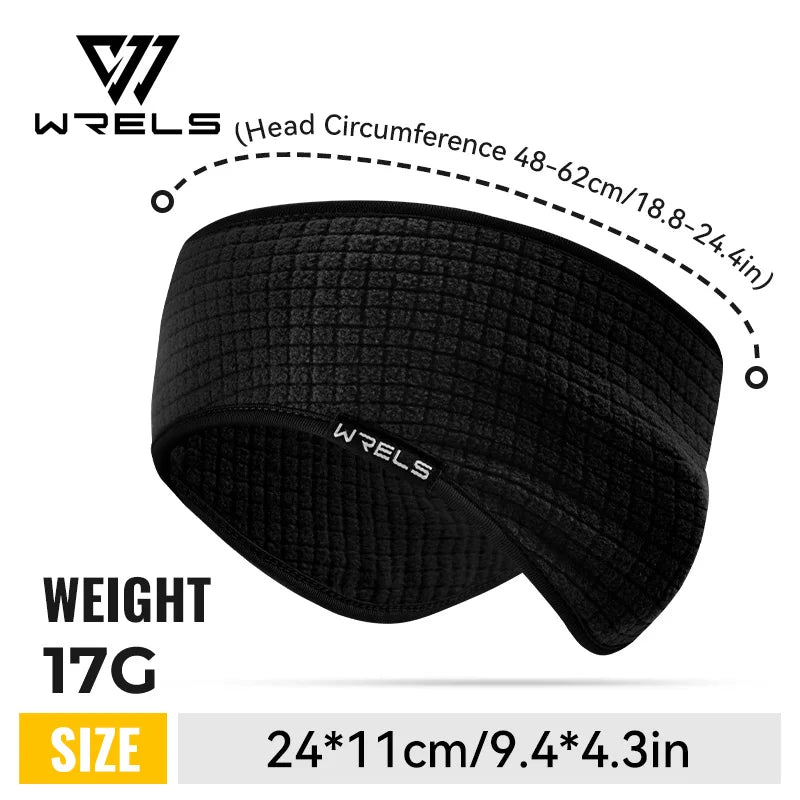
Durable thermal fleece construction provides reliable cold weather ear protection season after season.
Quick Answers Before You Decide
What is the best thing to keep your ears warm in winter?
For most people, thermal fleece ear warmers provide the best balance of warmth, breathability, and comfort. They fully cover the ears without the bulk of a heavy winter hat, making them ideal for commuting, walking, running, and other outdoor activities. In extremely cold conditions, pairing ear warmers with an insulated hat or hood offers the greatest protection.
Are thermal fleece ear warmers warmer than regular headbands?
Yes. Thermal fleece is engineered to trap warm air more effectively than standard cotton or thin knit headbands. The dense fleece fibers improve insulation while remaining breathable, helping maintain comfort during both everyday wear and active winter use.
Can fleece ear warmers block cold wind?
Quality fleece ear warmers significantly reduce wind exposure by creating an insulating barrier over the ears. Models with dense or wind-resistant outer layers provide even better protection during cycling, hiking, skiing, or windy commutes.
Are ear warmers good for running in winter?
Absolutely. Lightweight thermal fleece ear warmers are well suited for running because they keep ears warm while allowing excess heat and moisture to escape. Their secure, low-profile fit also helps prevent slipping during movement.
Can ear warmers fit under a helmet?
Yes. Many helmet-compatible ear warmers feature a slim profile that fits comfortably beneath cycling, ski, and snowboard helmets without creating uncomfortable pressure points or affecting helmet fit.
Does a thermal fleece ear warmer replace a winter hat?
In mild to moderately cold weather, a thermal fleece headband may provide all the ear protection you need. During freezing temperatures, prolonged outdoor exposure, or strong winds, combining ear warmers with a winter hat offers better overall insulation.
Is it easy to carry and store?
Yes. Most fleece ear warmers are lightweight and fold flat, making them easy to keep in a coat pocket, backpack, gym bag, or travel luggage so they're always available when temperatures drop.
How long do fleece ear warmers last?
With routine care and proper storage, high-quality thermal fleece ear warmers can maintain their stretch, softness, and insulating performance for several winter seasons. Washing with mild detergent and air drying helps extend their lifespan.













