

Do thermal hooded sweatshirts really keep you warmer?
Thermal hooded sweatshirts work by trapping body heat through layered fabrics, thermal linings, and smart construction that reduces heat loss. A well-designed thermal hooded sweatshirt retains warmth more efficiently than standard hoodies by combining insulation with breathability, keeping you warm without excessive bulk.
Best Thermal Hoodies: Warm, Fleece-Lined & Insulated Hooded Sweatshirts for Winter
What Is a Thermal Lined Hoodie? (Definition & Buying Context)
A thermal hoodie (also called a thermal lined hoodie or hoodie with thermal lining ) is a hooded sweatshirt designed with an added inner layer that traps body heat and improves insulation compared to a standard hoodie.
Unlike regular sweatshirts, a thermal lined hooded sweatshirt uses materials like fleece, sherpa, or waffle-knit fabric to retain warmth while still remaining lightweight enough for daily wear.
What “thermal lined hoodie” actually means
The term refers to any thermal insulated hooded sweatshirt that includes an inner lining specifically engineered to reduce heat loss and improve comfort in cold weather.
Fleece lined hoodie meaning (quick clarification)
A fleece lined hoodie is a type of thermal hoodie where a soft synthetic fleece layer is added inside the garment to increase warmth, softness, and insulation efficiency.
⏱ 7 min read
Cold mornings, drafty offices, and unpredictable weather make layering essential—but bulky clothing isn’t always practical. Thermal hooded sweatshirts solve this by combining lightweight materials with heat-retaining design, giving you warmth without restriction. Understanding how these hoodies work helps you choose the right one for your needs.
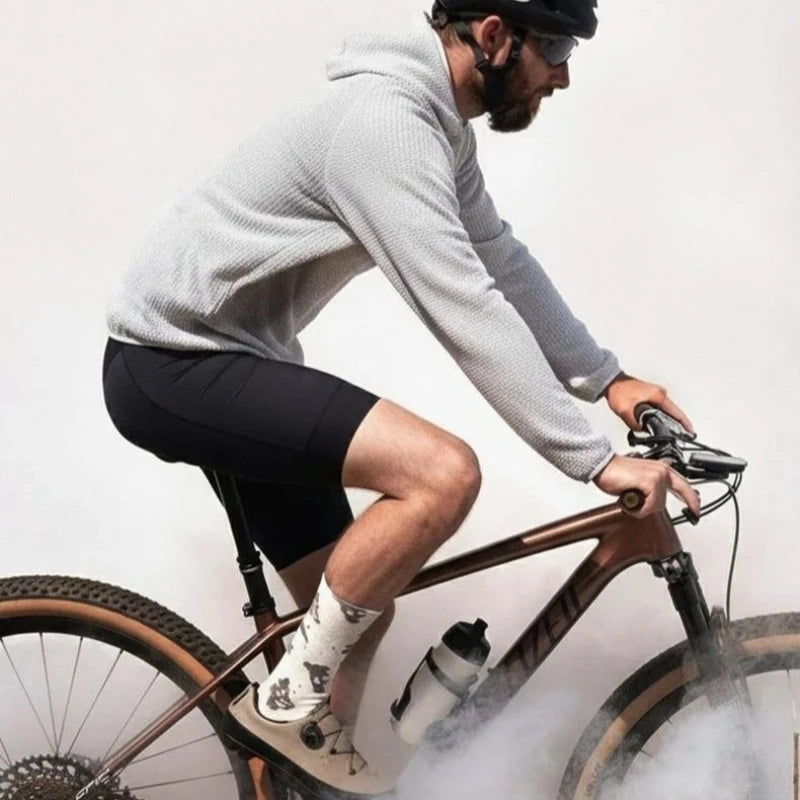
Thermal hooded sweatshirts engineered for warmth and daily comfort See it in action
How Thermal Lined Hoodies Work (Heat Retention Explained)
Thermal lined hoodies keep you warm by combining insulation and heat retention principles. Instead of relying on thick fabric alone, they use layered materials to trap warm air and slow down heat loss from your body.
Heat Trapping vs Insulation Layers
The inner lining acts as an insulating barrier that holds warm air generated by your body, reducing the rate at which heat escapes into the surrounding environment.
Why Air Pockets Matter
Materials like fleece and sherpa contain tiny air pockets that store warmth. These pockets create a buffer between your body and cold air, making the hoodie feel warmer without adding bulk.
- More trapped air = better insulation
- Layered fabrics slow heat transfer
- Soft linings improve heat retention efficiency
Warmth Rating & Insulation Guide
Not all thermal hoodies provide the same level of warmth. Understanding insulation weight helps you choose the right hoodie for your climate and activity level.
Lightweight vs Midweight vs Heavyweight Thermal Hoodies
- Lightweight: Best for mild cold (50–60°F / 10–15°C). Thin thermal knit lining.
- Midweight: Ideal for everyday winter wear (35–50°F / 1–10°C). Usually fleece-lined.
- Heavyweight: Designed for freezing conditions (below 35°F / 1°C). Often sherpa-lined or double-layered.
Best Temperature Ranges
A thermal lined pullover hoodie should be selected based on expected temperature and layering needs. Midweight options are the most versatile for daily use.
Wind Resistance and Layering Impact
Tighter knit structures and thicker linings improve wind resistance. Pairing a thermal hoodie with an outer shell significantly improves cold-weather performance.
Common Types of Thermal Linings
Not all thermal hoodies are the same. The type of lining used plays a major role in warmth, comfort, and breathability.
Fleece Lining
Fleece is lightweight, soft, and excellent at trapping heat. It provides reliable warmth without adding much weight, making it ideal for everyday wear.
Sherpa Lining
Sherpa is thicker and resembles wool. It offers superior insulation and is commonly used in hoodies designed for colder environments.
Thermal Knit / Waffle Lining
This lining features a textured pattern that increases surface area and traps warm air efficiently. It is often more breathable than fleece or sherpa.
- Fleece: lightweight warmth
- Sherpa: maximum insulation
- Thermal knit: balanced warmth and breathability
Thermal Lined Hoodie vs Regular Hoodie
While both look similar on the outside, a thermal hoodie sweatshirt is designed specifically for insulation, whereas a regular hoodie focuses more on comfort and style.
Key Differences
- Insulation: Thermal hoodies include fleece, sherpa, or knit linings for heat retention.
- Warmth: Thermal versions are significantly warmer in cold or windy conditions.
- Fabric weight: Thermal lined sweatshirts are usually heavier due to added inner layers.
- Use case: Designed for winter, outdoor work, hiking, and cold climates.
A regular hoodie is ideal for mild weather, but a hooded sweatshirt with thermal lining performs better when temperatures drop.
Best Thermal Hoodies (Top Picks & Reviews)
Below are some of the best thermal sweatshirts and hooded thermal sweatshirts based on warmth, durability, comfort, and value.
Best Overall Thermal Lined Hoodie
The Thermolite Hooded Sweatshirt stands out as a balanced thermal lined hoodie with midweight insulation, making it suitable for daily wear and most winter conditions.
Best Budget Thermal Hoodie Sweatshirt
The Hanes Ultimate Cotton Heavyweight Hoodie offers solid warmth at an affordable price, making it ideal for light winter use or indoor layering.
Best Fleece Lined Hoodie for Extreme Cold
Carhartt Rain Defender Paxton Hoodie is known for its rugged construction and thick fleece lining, designed for freezing temperatures and outdoor work.
Best Athletic Hooded Thermal Sweatshirt
Under Armour Rival Fleece Hoodie provides a balance of warmth and breathability, ideal for movement and outdoor training.
Best Workwear Insulated Hoodie
Dickies Sherpa Lined Hoodie features durable fabric and heavy insulation, making it suitable for demanding work environments.
When Should You Wear a Thermal Hoodie?
Thermal hoodies are versatile and can be worn in a variety of situations where extra warmth is needed.
Cold Weather Use
Ideal for fall and winter temperatures when a regular hoodie isn’t enough.
Outdoor Activities
Great for camping, hiking, or early morning activities where temperatures are lower.
Indoor / Casual Wear
Comfortable for lounging or working in cooler indoor environments without excessive overheating.
How to Choose the Right Thermal Hoodie
Material Comparison
Cotton blends offer softness, polyester improves moisture control, and fleece-lined fabrics maximize warmth for cold environments.
Fit Selection
- Regular fit: Everyday comfort and layering
- Oversized fit: Better insulation and relaxed style
- Athletic fit: Movement-friendly and lightweight warmth
Lining Type Selection
Choose fleece for balanced warmth, sherpa for maximum insulation, and waffle knit for lightweight breathability.
Budget vs Durability
Higher-quality thermal lined sweatshirts last longer and maintain insulation after repeated washes, while budget options are best for occasional use.
Care Instructions for Thermal Hooded Sweatshirts
Washing Guidelines
Turn your hoodie with thermal lining inside out before washing to protect the inner insulation layer.
Avoid Shrinkage
Use cold water and gentle cycles to prevent shrinking and preserve fleece or sherpa texture.
Drying Best Practices
Air drying is recommended for most thermal hoodies to maintain shape and insulation performance over time.

Thermal pullover hoodie built for daily wear See it in action
Mini FAQ
Are thermal hooded sweatshirts suitable for everyday wear?
Yes, they are designed for both comfort and warmth, making them suitable for daily use in cooler temperatures.
Do hoodies with thermal lining overheat indoors?
They can feel warm indoors, but breathable linings like thermal knit help regulate temperature and prevent overheating.
How do I care for an insulated hooded sweatshirt?
Wash in cold water, use gentle cycles, and avoid high heat drying to preserve insulation performance and fabric texture.
What is the difference between fleece and thermal lining?
Fleece is a specific insulating fabric, while thermal lining refers to any material designed to retain heat, including fleece, sherpa, or waffle knit.
Are thermal hoodies good for layering?
Yes, they work well as mid-layers under jackets or over base layers for improved insulation in cold weather.
Can you wear a thermal hoodie in mild weather?
Yes, but lightweight or breathable linings are recommended to avoid overheating.













