Do thermal hooded sweatshirts really keep you warmer?
Thermal hooded sweatshirts work by trapping body heat through layered fabrics, thermal linings, and smart construction that reduces heat loss. A well-designed thermal hooded sweatshirt retains warmth more efficiently than standard hoodies by combining insulation with breathability, keeping you warm without excessive bulk.
What Is a Thermal Lined Hoodie?
What Is a Thermal Lined Hoodie? (Definition & Quick Answer)
A thermal lined hoodie is a type of sweatshirt designed with an inner insulating layer that helps retain body heat. Unlike a regular hoodie, which typically uses a single layer of fabric, a thermal hoodie includes an additional lining—such as fleece, sherpa, or thermal knit—that traps warm air close to your body.
This layered construction reduces heat loss, blocks cold air, and provides noticeably better warmth without requiring heavy outerwear. Thermal lined hoodies are commonly worn in cold weather, for outdoor activities, or as a comfortable everyday winter layer.
- Outer layer: protects against wind and cold air
- Inner lining: traps heat and improves insulation
- Overall function: keeps you warmer than standard hoodies
⏱ 7 min read
Cold mornings, drafty offices, and unpredictable weather make layering essential—but bulky clothing isn’t always practical. Thermal hooded sweatshirts solve this by combining lightweight materials with heat-retaining design, giving you warmth without restriction. Understanding how these hoodies work helps you choose the right one for your needs.
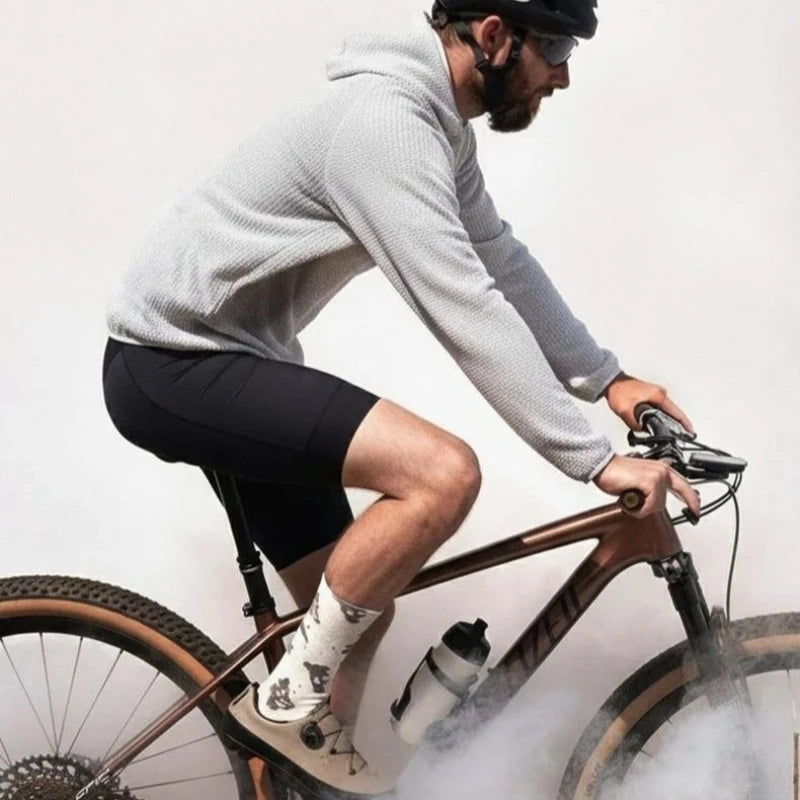
Thermal hooded sweatshirts engineered for warmth and daily comfort 💡 See it in action
How Thermal Lined Hoodies Work (Heat Retention Explained)
Thermal lined hoodies keep you warm by combining insulation and heat retention principles. Instead of relying on thick fabric alone, they use layered materials to trap warm air and slow down heat loss from your body.
Heat Trapping vs Insulation Layers
The inner lining acts as an insulating barrier that holds warm air generated by your body, reducing the rate at which heat escapes into the surrounding environment.
Why Air Pockets Matter
Materials like fleece and sherpa contain tiny air pockets that store warmth. These pockets create a buffer between your body and cold air, making the hoodie feel warmer without adding bulk.
- More trapped air = better insulation
- Layered fabrics slow heat transfer
- Soft linings improve heat retention efficiency
Common Types of Thermal Linings
Not all thermal hoodies are the same. The type of lining used plays a major role in warmth, comfort, and breathability.
Fleece Lining
Fleece is lightweight, soft, and excellent at trapping heat. It provides reliable warmth without adding much weight, making it ideal for everyday wear.
Sherpa Lining
Sherpa is thicker and resembles wool. It offers superior insulation and is commonly used in hoodies designed for colder environments.
Thermal Knit / Waffle Lining
This lining features a textured pattern that increases surface area and traps warm air efficiently. It is often more breathable than fleece or sherpa.
- Fleece: lightweight warmth
- Sherpa: maximum insulation
- Thermal knit: balanced warmth and breathability
Why Thermal Hoodies Feel Warmer Instantly
Thermal lined hoodies feel warm as soon as you put them on because the inner lining quickly captures and holds your body heat. Unlike regular hoodies, which allow heat to escape, thermal linings create an immediate insulating layer.
- Soft linings reduce cold fabric contact
- Heat is retained closer to the skin
- Less warm-up time compared to standard sweatshirts
This instant warmth makes them especially useful in cold mornings or when transitioning from indoors to outdoors.
Insulation Hoodie Design That Blocks Cold Air
An insulation hoodie doesn’t just rely on fabric—it uses construction techniques that reduce exposure to cold air. Ribbed cuffs, structured hoods, and reinforced seams all help seal warmth inside.
- Snug cuffs prevent heat escape at wrists
- Structured hood reduces heat loss from the head
- Dense stitching limits wind penetration
- Layered panels stabilize internal temperature

Insulated hooded sweatshirt design that blocks cold air 💡 See it in action
Fit, Seams, and Construction That Prevent Heat Loss
Even the best materials lose effectiveness if the fit is incorrect. Thermal hooded sweatshirts are designed to sit close to the body without restricting movement, minimizing airflow that causes cooling.
Flatlock seams, reinforced shoulders, and ergonomic paneling contribute to consistent warmth and long-term durability.
For shoppers focused on comfort-driven apparel and lifestyle upgrades, browsing the Lifestyle collection can offer complementary pieces that pair well with thermal hoodies for colder seasons.
Thermal Lined Hoodie vs Regular Hoodie
The key difference between a thermal lined hoodie and a regular hoodie is the presence of an insulating inner layer.
Key Differences
- Thermal hoodie: Includes inner lining for heat retention
- Regular hoodie: Single-layer fabric with minimal insulation
- Warmth level: Thermal hoodies are significantly warmer
- Best use: Cold weather vs mild conditions
While regular hoodies are suitable for light layering, thermal sweatshirts are designed specifically for colder environments.
When Should You Wear a Thermal Hoodie?
Thermal hoodies are versatile and can be worn in a variety of situations where extra warmth is needed.
Cold Weather Use
Ideal for fall and winter temperatures when a regular hoodie isn’t enough.
Outdoor Activities
Great for camping, hiking, or early morning activities where temperatures are lower.
Indoor / Casual Wear
Comfortable for lounging or working in cooler indoor environments without overheating.
Are Thermal Hoodies Warm Enough for Winter?
Thermal hoodies can be warm enough for winter in mild to moderately cold conditions, especially when layered properly. In extreme cold, they work best as a mid-layer under a heavier jacket.
- Mild winter: sufficient as outerwear
- Moderate cold: pair with base layers
- Extreme cold: use under insulated jackets
The level of warmth depends on the lining type, thickness, and overall fit.
For those seeking a refined balance between function and comfort, the Thermolite Hooded Sweatshirt is often praised for its heat-locking structure and everyday versatility.

Thermal pullover hoodie built for daily wear 💡 See it in action
Mini FAQ
Are thermal hooded sweatshirts suitable for everyday wear?
Yes, they are designed for both comfort and warmth, making them suitable for daily use in cooler temperatures.
Do hoodies with thermal lining overheat indoors?
They can feel warm indoors, but breathable linings like thermal knit help regulate temperature.
How do I care for an insulated hooded sweatshirt?
Wash in cold water and avoid high heat drying to preserve the lining’s texture and insulation.
What is the difference between fleece and thermal lining?
Fleece is a soft insulating fabric, while thermal lining refers to any material designed to retain heat, including fleece, sherpa, or waffle knit.
Are thermal hoodies good for layering?
Yes, they work well as mid-layers under jackets or over base layers for added warmth.
Can you wear a thermal hoodie in mild weather?
Yes, but lighter linings are more comfortable to prevent overheating.