

Does a Thermal Insulated Door Curtain Really Save Heat?
A thermal insulated door curtain helps reduce heat loss by creating an additional barrier between your living space and cold outdoor air. Unlike a standard fabric curtain, it combines multiple insulating layers with a close-fitting design that slows heat transfer, blocks drafts around the door frame, and helps keep warm indoor air where it belongs. For many homes and apartments, it provides a practical way to improve door insulation for winter without drilling, replacing the door, or making permanent modifications.
Estimated Energy Savings
While the exact savings depend on your home's insulation, climate, and heating habits, a properly installed energy saving door curtain can noticeably improve comfort around drafty entryways. By reducing unwanted airflow, your heating system cycles less frequently, rooms near exterior doors stay warmer, and temperature fluctuations become less noticeable throughout the day.
What Affects Thermal Performance
- The thickness and number of insulating layers.
- How completely the curtain covers the door frame.
- The quality of magnetic or edge sealing.
- The size of existing gaps around the door.
- Local winter temperatures and wind exposure.
Thermal Insulated Door Curtain: Best Options That Actually Save Heat (2026 Guide)
Cold drafts around exterior doors can make even a well-heated home feel uncomfortable. A quality thermal insulated door curtain offers a renter-friendly, affordable way to reduce heat loss, improve indoor comfort, and block chilly air without replacing your existing door or making permanent changes.
⏱ 8 min read
If one room consistently feels colder than the rest of your home, the problem is often hidden air leakage around the door frame. Installing a well-designed door curtain to keep heat in can help create a warmer, quieter, and more energy-efficient living space within minutes.
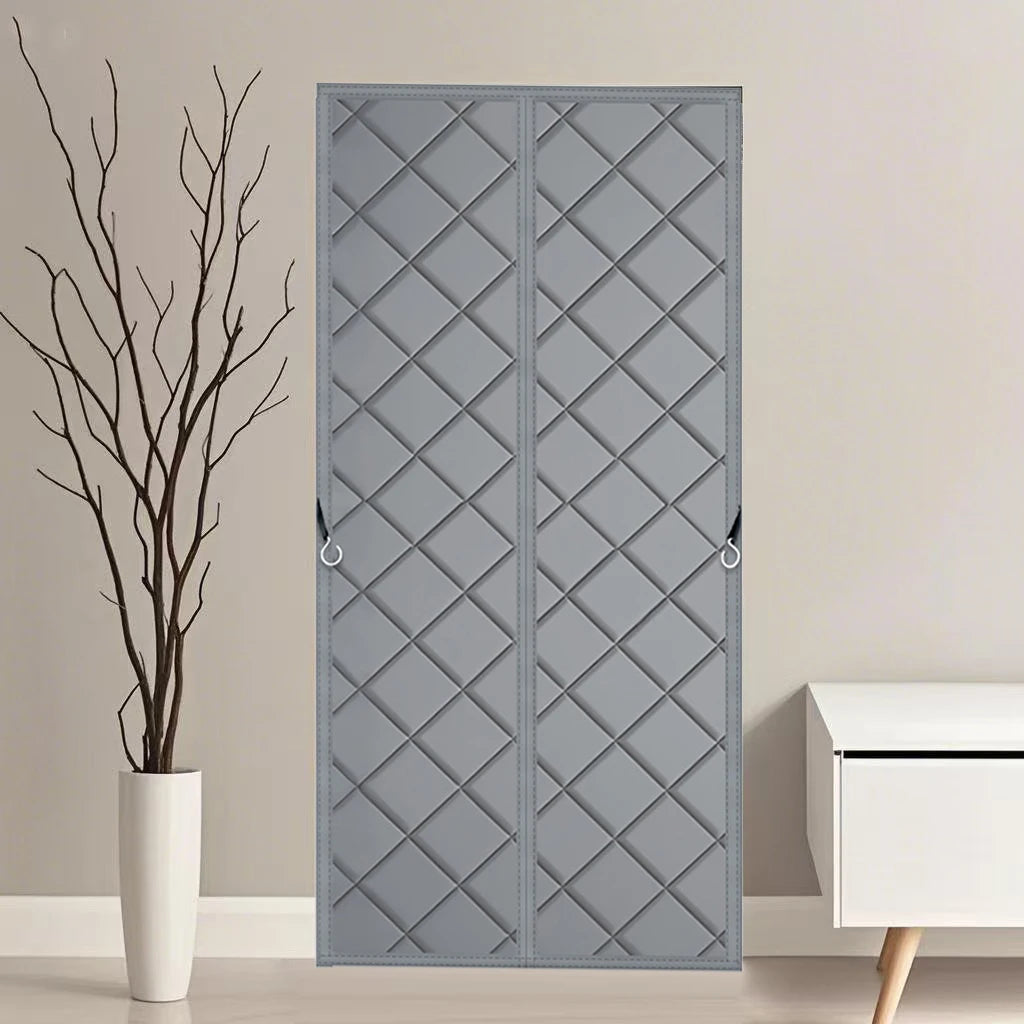
Block cold air at the source with a thermal insulated door curtain. See it in action.
Best Thermal Insulated Door Curtains (Top Picks for Winter 2026)
The best thermal door curtain for winter combines effective insulation, reliable sealing, durable materials, and easy installation. Below are the most practical categories based on insulation performance, everyday usability, and overall value.
Best Overall Thermal Door Curtain
This style offers the best balance of insulation, convenience, and durability for most households. Premium models typically feature multi-layer construction with Oxford fabric, thermal filling, and magnetic edge sealing that minimizes air leakage while remaining easy to walk through.
Typical specifications
- 3–5 insulated thermal layers
- Oxford or heavy-duty polyester exterior
- Magnetic full-height closure
- Fits most standard residential doors
Pros
- Excellent year-round draft protection
- Easy daily access with automatic closure
- Strong balance of price and performance
Cons
- Requires accurate sizing for best results
- Premium models cost more than basic fabric curtains
Best for: Homeowners and renters looking for a dependable door insulation curtain for everyday winter use.
Best Magnetic Thermal Door Curtain
Magnetic models are ideal for busy entryways where the door is opened frequently. The magnets automatically reconnect after each pass, helping maintain a consistent seal without requiring manual adjustment.
Typical specifications
- Continuous magnetic center or edge closure
- Thermal polyester filling
- Tool-free installation using adhesive fasteners
Pros
- Hands-free operation
- Fast automatic sealing
- Suitable for kitchens, garages, and back doors
Cons
- Less effective if installed on uneven door frames
Best for: High-traffic doors where convenience matters as much as insulation.
Best Budget Insulated Door Curtain
Affordable options often use quilted cotton or lightweight foam insulation while still providing meaningful protection against cold drafts. Although they are generally thinner than premium products, they remain a practical upgrade over ordinary fabric curtains.
Typical specifications
- Lightweight insulated filling
- Velcro or hook installation
- Portable and removable
Pros
- Lower upfront cost
- Simple installation
- Good choice for seasonal use
Cons
- Moderate insulation compared with thicker multi-layer models
Best for: Renters, dorm rooms, guest rooms, or temporary winter setups.
Best Heavy-Duty Door Insulation Curtain for Extreme Cold
Homes in regions with prolonged freezing temperatures benefit from heavier insulated curtains built with thicker thermal cores and wind-resistant outer fabrics. These models prioritize maximum heat retention over lightweight construction.
Typical specifications
- Extra-thick insulated core
- Wind-resistant Oxford fabric exterior
- Heavy-duty mounting system
Pros
- Excellent insulation during severe winter weather
- Improves comfort near frequently used exterior doors
- Long-lasting construction
Cons
- Heavier than standard insulated curtains
- May require more careful installation
Best for: Cold climates, garages, workshops, and exposed entrances.
Best Door Curtain for Apartments & Renters
Apartment-friendly models focus on easy installation and damage-free removal. Most rely on adhesive strips, removable hooks, or Velcro instead of screws, making them ideal for leased properties.
Typical specifications
- No-drill installation
- Lightweight insulated construction
- Reusable mounting components
Pros
- Rental-friendly installation
- Quick seasonal removal
- Suitable for temporary living spaces
Cons
- Usually provides moderate rather than maximum insulation
Best for: Apartment dwellers, students, and anyone seeking a removable winter door insulation curtain.
Comparison Table: Top Thermal Insulated Door Curtains at a Glance
| Type | Best Use Case | Insulation Level | Installation | Value for Money |
|---|---|---|---|---|
| Magnetic Thermal Curtain | High-traffic entry doors | High | Adhesive + magnetic seal | Excellent |
| Heavy-Duty Curtain | Extreme winter climates | Very High | Rod-mounted | Very Good |
| Budget Insulated Curtain | Seasonal or occasional use | Medium | Hook or Velcro | Excellent |
| Apartment Curtain | Rental properties | Medium | No-drill installation | Very Good |
Why Doors Are the Biggest Heat Loss Problem in Winter
Exterior doors are one of the most common sources of unwanted heat loss because they are opened frequently and often contain small gaps around the frame, threshold, or weather seals. Even narrow openings can allow cold outdoor air to enter while letting conditioned indoor air escape, making nearby rooms feel noticeably cooler.
- Hidden gaps around the frame allow continuous cold air infiltration.
- Warm indoor air escapes every time the door is opened.
- Worn or compressed weatherstripping becomes less effective over time.
- Many permanent insulation upgrades are not practical for renters.
As drafts increase, heating systems must run longer to maintain the same indoor temperature. A properly fitted winter door insulation curtain helps reduce this unnecessary heat exchange by adding an extra insulating barrier over the entire doorway.
How a Thermal Insulated Door Curtain Works
What Makes It Different From Regular Curtains
Unlike decorative curtains, a heat blocking door curtain is specifically engineered to improve thermal performance. Instead of relying on a single layer of fabric, it combines insulating materials, durable outer textiles, and a close-fitting design that minimizes airflow around the door.
How Thermal Layers Trap Heat
Multiple insulating layers slow the transfer of heat between the warm interior and the colder outdoor environment. Materials such as polyester fiberfill, quilted cotton, or insulating foam create pockets of still air that help retain indoor warmth while reducing cold drafts.
Magnetic sealing systems help the curtain return to a closed position automatically after someone walks through. Compared with standard hanging curtains that leave open edges, magnetic designs create a more complete barrier against airflow and improve the overall effectiveness of an insulated door cover.
Common Insulation Materials Explained
The materials used inside a thermal curtain have a direct impact on durability and insulation performance.
- Oxford fabric: Durable, abrasion-resistant, and well suited for busy entryways.
- Quilted cotton: Soft and comfortable with reliable thermal performance.
- Polyester insulation: Lightweight, moisture-resistant, and commonly used in multi-layer designs.
- Foam insulation: Adds structure while improving resistance to heat transfer.
Key Features That Actually Reduce Heat Loss
Multi-Layer Thermal Construction
A high-quality door insulation curtain typically uses several insulating layers that work together to slow heat transfer. The combination of an outer protective fabric, thermal filling, and interior lining creates a more effective barrier than a standard household curtain.
Oxford Fabric vs Quilted Cotton
Oxford fabric is valued for its durability, resistance to wear, and suitability for frequently used doors. Quilted cotton offers a softer appearance and comfortable feel while still providing dependable insulation. Homes with heavy daily traffic often benefit from Oxford fabric, while bedrooms or interior spaces may prioritize the softer finish of quilted materials.
Magnetic Edge Sealing
Well-positioned magnetic closures help keep the curtain aligned against the door opening after each use. By reducing gaps along the center or edges, they improve draft control while maintaining convenient hands-free access.
Thickness & Insulation Rating
Thickness alone does not determine performance. The overall construction, material density, and complete door coverage all contribute to how effectively a curtain reduces heat loss. Look for multi-layer designs that balance insulation with easy everyday operation.
Noise Reduction & Blackout Performance
Dense insulated fabrics also help absorb outside noise and reduce light entering through glass door panels. These added benefits make thermal curtains useful for entryways facing busy streets, shared apartment corridors, or garages while contributing to a quieter and more comfortable indoor environment.
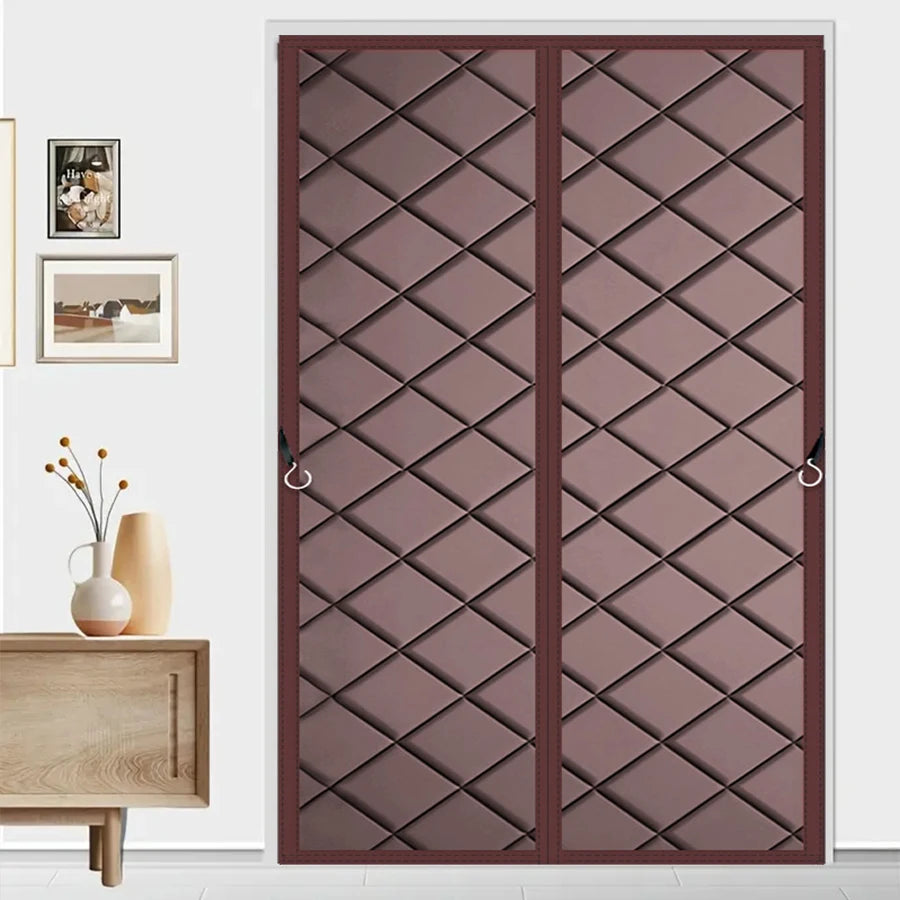
Designed to reduce heat loss and help keep your home warm throughout winter. See it in action.
Thermal Insulated Door Curtain vs Other Door Insulation Solutions
Curtain vs Door Draft Stopper
A traditional draft stopper seals only the gap beneath the door, making it effective for reducing airflow at floor level. A thermal insulated door curtain covers the entire doorway, helping minimize drafts around the sides and top as well as the bottom. For homes with noticeable air leakage around the frame, a full-height curtain generally provides more comprehensive insulation.
Curtain vs Weatherstripping
Weatherstripping permanently seals gaps between the door and frame and works best when existing seals are worn or damaged. A thermal curtain does not replace weatherstripping but complements it by adding another insulating layer that slows heat transfer and improves overall comfort during winter.
Curtain vs Plastic Insulation Film
Plastic insulation film creates a temporary air pocket that improves thermal efficiency, but it is designed to remain fixed in place and is less practical for doors used throughout the day. An insulated door curtain provides reusable insulation while allowing convenient everyday access.
Curtain vs Insulated Door Cover
An insulated door cover is often intended for doors that remain closed for extended periods, such as basement or storage room entrances. A thermal insulated door curtain is better suited to frequently used entryways because it balances insulation with convenient daily operation.
| Solution | Thermal Performance | Installation | Best Use Case | Renter-Friendly |
|---|---|---|---|---|
| Thermal insulated door curtain | High | Very easy | Daily-use exterior doors | Yes |
| Foam draft stopper | Low to Medium | Easy | Bottom door gap only | Yes |
| Permanent weatherstripping | Medium to High | Moderate | Sealing frame gaps | No |
| Insulated door cover | High | Easy | Rarely used doors | Usually |
| Door replacement | High | Difficult | Major home renovation | No |
How to Choose the Right Thermal Door Curtain
Choose the Correct Size
The curtain should extend beyond the door opening on all sides to minimize air leakage. Measure the width and height of the door frame—not just the door itself—and choose a size that provides complete coverage without dragging excessively on the floor.
- Measure the full door frame before purchasing.
- Allow enough overlap around the edges for improved insulation.
- Verify compatibility with your preferred mounting method.
For Apartments vs Houses
Renters generally benefit from no-drill installation systems that use removable adhesive strips or Velcro. Homeowners who plan to leave the curtain installed throughout winter may prefer heavier rod-mounted models designed for long-term durability.
For Mild vs Extreme Winters
In regions with occasional cold weather, lightweight insulated curtains usually provide sufficient draft protection. Areas that experience prolonged freezing temperatures benefit from thicker multi-layer construction with durable outer fabrics and improved thermal performance.
Magnetic vs Rod-Mounted Installation
Magnetic curtains provide fast installation and automatic closure, making them ideal for frequently used doors. Rod-mounted curtains typically support heavier insulated materials and are a good choice where maximum heat retention is the primary goal.
How to Insulate a Door with a Curtain (Step-by-Step)
Measure Your Door
- Measure the width and height of the entire door frame.
- Select a door insulation curtain that fully covers the opening.
- Confirm there is enough clearance for the curtain to open and close freely.
Install the Curtain
- Clean the mounting surface to help adhesive fasteners bond securely.
- Install the curtain using the recommended adhesive strips, Velcro, or curtain rod.
- Center the curtain carefully so it hangs evenly across the doorway.
Improve the Seal
- Check that the curtain sits close to the frame with no significant side gaps.
- Adjust the position if needed to improve overall coverage.
- Test the curtain several times to ensure it opens smoothly and returns to its proper position after each use.
Taking a few extra minutes to size and install the curtain correctly helps maximize draft prevention, improves thermal efficiency, and extends the lifespan of your door insulation curtain.
Installation and Daily Use Experience
One of the biggest advantages of a thermal door curtain for winter is how quickly it can be installed. Most homeowners and renters can complete the setup in just a few minutes using the included mounting accessories, with no specialized tools or permanent modifications required.
- Clean and dry the door frame to help the mounting system adhere securely.
- Attach the supplied fasteners according to the installation instructions.
- Position the curtain so it hangs evenly across the entire doorway.
- Check that the curtain closes smoothly and forms a consistent seal after each use.
Once installed, daily operation feels natural. The curtain opens easily for people, pets, and everyday traffic, then returns to its closed position to help reduce drafts without requiring constant adjustment.
Real Results: What Users Notice First
While results vary depending on the condition of the door and local climate, many users notice a difference in comfort shortly after installing an energy saving door curtain. The greatest improvements are typically felt around frequently used exterior doors where drafts were previously most noticeable.
- Less cold air entering around door openings.
- More consistent room temperatures near entryways.
- A quieter indoor environment thanks to the additional fabric barrier.
- Reduced demand on the heating system during colder weather.
Many homeowners also combine this upgrade with other comfort products from the Body Care and Health Devices collection to create a warmer and more relaxing indoor environment throughout winter.
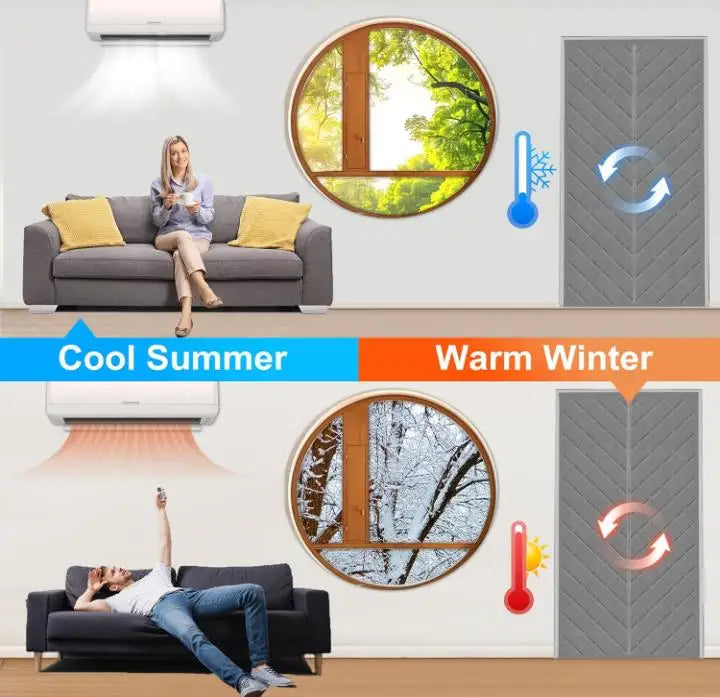
A simple insulation upgrade that helps keep indoor spaces warmer throughout winter. See it in action.
Who Benefits Most From a Thermal Insulated Door Curtain
A thermal insulated door curtain is a practical solution for anyone looking to improve indoor comfort without replacing an existing door. It is especially useful in situations where drafts are common and permanent renovations are not desirable.
- Apartment renters who need a removable, no-drill insulation solution.
- Homeowners with older or draft-prone exterior doors.
- Families looking to improve comfort while reducing heat loss during winter.
- Homes in colder climates where entry doors are exposed to wind.
- Garages, workshops, mudrooms, or utility rooms that benefit from additional insulation.
- Anyone sensitive to cold drafts near entrances or back doors.
It also complements other seasonal home comfort products available in the Lifestyle collection.
Frequently Asked Questions
Does it work on apartment doors?
Yes. Most thermal insulated door curtains are designed with renter-friendly installation methods such as adhesive strips or Velcro, allowing you to improve insulation without drilling holes or permanently modifying the door frame.
Will it block light or access?
No. The curtain remains flexible and can be opened easily for everyday use. Many models can also be secured to one side when full access or additional daylight is preferred.
Is it better than a draft stopper?
For most drafty doors, yes. A draft stopper only seals the gap beneath the door, while a thermal insulated door curtain helps reduce airflow around the entire doorway, including the sides and top.
Can it help reduce heat loss?
Yes. By adding a multi-layer insulating barrier over the door opening, a thermal curtain helps slow heat transfer, reduce cold drafts, and improve indoor temperature stability.
How much heat can a door curtain save?
Actual performance depends on your home's insulation, climate, and the condition of the existing door. However, a properly fitted insulated curtain can noticeably reduce heat loss around draft-prone entryways and improve overall comfort.
Are magnetic door curtains worth it in winter?
Yes. Magnetic models automatically close after each use, helping maintain a more consistent seal while remaining convenient for busy households.
What is the best material for a thermal insulated door curtain?
Durable Oxford fabric combined with multi-layer thermal insulation is an excellent choice for high-traffic entryways. Quilted cotton is another popular option that offers good insulation with a softer appearance.
Do insulated door curtains really lower heating costs?
They can help reduce heating costs by limiting unnecessary heat loss through drafty doors. Savings vary based on your heating system, climate, and the overall energy efficiency of your home.
Can a thermal door curtain be installed without drilling?
Yes. Many models are specifically designed for tool-free installation using removable adhesive strips or hook-and-loop fasteners, making them suitable for apartments and rental properties.
How do I measure a door for an insulated curtain?
Measure both the width and height of the entire door frame, then choose a curtain that overlaps the opening on all sides to provide complete coverage and better draft protection.
Are magnetic thermal door curtains better than rod-mounted models?
Neither option is universally better. Magnetic curtains are ideal for frequently used doors because they close automatically, while rod-mounted models often support heavier insulated fabrics for maximum thermal performance.
Can an insulated door curtain reduce outside noise?
Yes. Thick, multi-layer insulated fabrics help absorb and dampen sound, making them useful for reducing noise from busy streets, apartment hallways, garages, or shared entrances.













