

Do thermal winter clothes really keep you warmer in extreme cold?
Yes. Thermal winter clothes help you stay warmer in freezing conditions by trapping body heat while allowing moisture vapor to escape. High-quality thermal insulation clothing uses materials such as merino wool and advanced synthetic blends to create insulating air pockets that reduce heat loss without adding unnecessary bulk. When paired with an effective layering system, thermals improve comfort, regulate body temperature, and keep you drier during both everyday wear and outdoor activities.
Thermal Winter Clothes Explained: Materials That Work
Choosing the right winter clothes material has a greater impact on warmth than simply wearing thicker garments. Modern thermal winter clothes combine insulation, breathability, and moisture management to help your body retain heat while preventing sweat buildup that can leave you feeling cold. Whether you're commuting, hiking, or facing sub-zero temperatures, understanding how thermals work and which fabrics perform best makes it easier to build an efficient cold-weather wardrobe.
⏱ 8 min read
Feeling the chill already? Discover how advanced heating technology upgrades traditional winter thermals for next-level warmth.
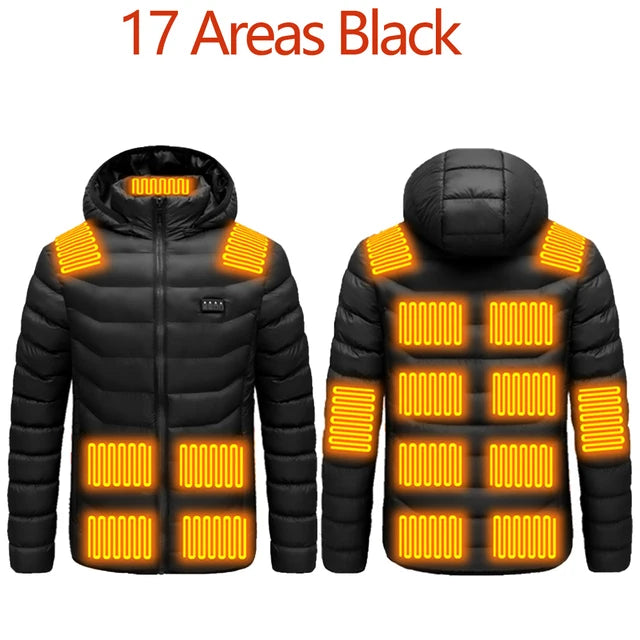
Premium thermal winter clothes designed for smarter, more efficient layering in cold weather.
Why Thermal Winter Clothes Matter More Than You Think
Staying warm in winter depends on more than wearing thick clothing. The best winter clothing materials are engineered to balance insulation, moisture control, and weather protection so your body can maintain a comfortable temperature across changing conditions.
Thermal insulation clothing works by trapping a layer of still air close to your body. Because air is a poor conductor of heat, these tiny air pockets slow heat transfer and reduce the amount of warmth that escapes into the surrounding environment. The result is more efficient heat retention without excessive weight.
However, insulation alone is not enough. If perspiration remains trapped against your skin, evaporation can accelerate heat loss and leave you feeling colder. That's why high-performance winter clothes materials are designed to work together in three key ways:
- Insulation: Retains body heat by creating pockets of trapped air.
- Breathability: Allows excess heat and moisture vapor to escape before clothing becomes damp.
- Weather protection: Helps block wind while resisting rain or snow that can reduce insulating performance.
Understanding how these features complement one another makes it easier to choose warm materials that suit your climate, activity level, and layering strategy instead of relying on thickness alone.
How Do Thermals Work? (The Science of Staying Warm)
Thermals are lightweight base layers designed to regulate body temperature by conserving the heat your body naturally produces while keeping your skin as dry as possible. Rather than generating heat themselves, they improve the efficiency of your body's natural insulation.
Effective thermal clothing works through three primary mechanisms:
- Heat retention: Specialized fibers and knit structures trap insulating air pockets that slow heat loss.
- Moisture management: Moisture-wicking fabrics move perspiration away from the skin, reducing the cooling effect of evaporation.
- Fast drying: Performance materials dry quickly after absorbing moisture, helping maintain consistent warmth during extended wear.
The structure of the fabric is just as important as the material itself. Lofted fibers create additional air space for insulation, while breathable construction allows excess heat to escape when activity levels increase. This is why a well-designed thermal base layer often feels warmer than a much thicker garment made from less effective materials.
Common thermal fabrics include merino wool, polyester performance blends, and other advanced synthetic fibers. Each offers a different balance of warmth, breathability, durability, and moisture control, making certain materials better suited to specific climates and activities.
In simple terms, thermals keep you warm by reducing heat loss, managing moisture, and creating a stable layer of insulating air that helps your body maintain a comfortable temperature throughout the day.
Which Materials Work Best in Thermal Winter Clothes?
Merino Wool: Natural Warmth Without Overheating
Merino wool is one of the most versatile winter clothing materials because it naturally balances insulation, breathability, and moisture control. Its fine fibers trap warm air while allowing excess heat and humidity to escape, making it comfortable across a wide range of temperatures.
- Excellent warmth-to-weight performance
- Naturally odor-resistant for extended wear
- Effective moisture-wicking properties
- Soft, comfortable fibers suitable for next-to-skin base layers
Merino wool is an excellent choice for everyday winter wear, travel, hiking, and situations where comfort and temperature regulation are equally important.
Synthetic Blends: Lightweight & Fast-Drying
Synthetic fabrics such as polyester and nylon are engineered to deliver reliable performance during high-output activities. They dry quickly, resist stretching, and continue insulating even after exposure to light moisture, making them popular for sports and outdoor adventures.
- Quick-drying compared with natural cotton fibers
- Highly durable and abrasion-resistant
- Lightweight with excellent flexibility
- Ideal for active winter clothing and performance base layers
Modern polyester blends have also improved significantly in softness and moisture management, making them a practical option for people who need dependable performance at an accessible price.
Fleece: Mid-Layer Insulation Hero
Fleece is designed to maximize loft while remaining lightweight. Rather than serving as a base layer, it performs best as a mid layer that traps warm air between your thermal clothing and outer shell.
- Excellent air-trapping insulation
- Lightweight without restricting movement
- Breathable for changing activity levels
- Easy to layer under winter jackets
Although fleece offers impressive warmth for its weight, it performs best when paired with a wind-resistant outer layer since strong winds can reduce its insulating effectiveness.
Down Insulation: The Warmest Material for Winter
Natural down remains one of the warmest clothing materials available because of its exceptional loft and ability to trap large volumes of insulating air. Its outstanding warmth-to-weight ratio makes it the preferred insulation for cold, dry climates and mountaineering gear.
The primary limitation of untreated down is moisture. When soaked, the clusters collapse and lose much of their insulating ability, which is why many winter jackets combine down with water-resistant treatments or synthetic insulation in areas exposed to moisture.
Windproof & Waterproof Shell Materials
Even the best insulating materials lose effectiveness when exposed to cold wind or persistent moisture. Outer shells made from treated nylon, polyester, or waterproof membrane fabrics help preserve warmth by blocking wind while reducing rain and snow penetration.
A quality shell works with your insulation rather than replacing it, creating a complete layering system that performs across a wide range of winter conditions.
Heated Technology: Next-Level Cold Defense
For prolonged exposure to freezing temperatures, heated clothing adds controlled warmth without relying solely on additional insulation. Many heated jackets use carbon fiber heating elements positioned around the core to provide adjustable heat while maintaining the flexibility of a standard insulated jacket.
Explore advanced heated protection here: /products/men-heated-jacket
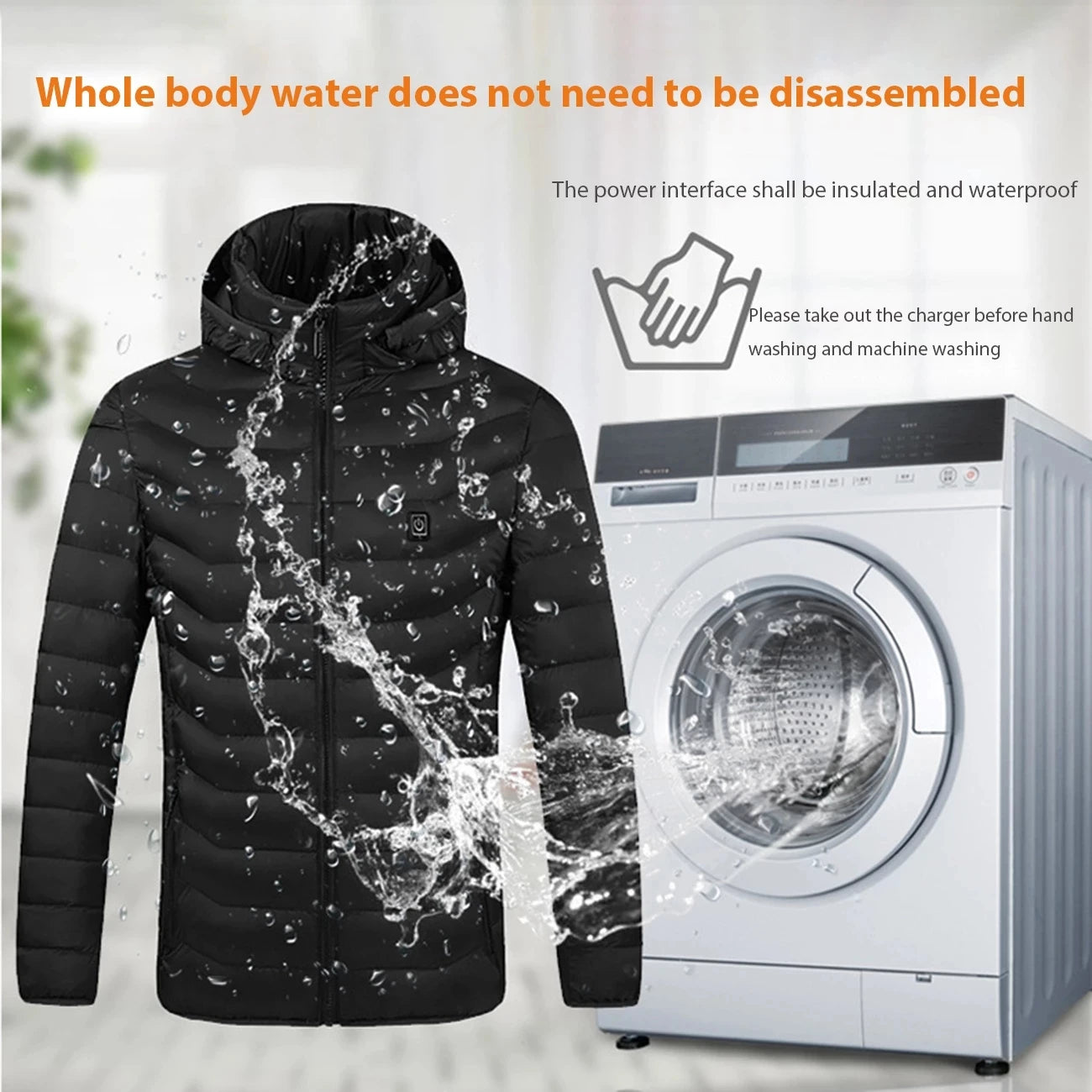
Advanced winter thermals with integrated heating technology for enhanced cold-weather comfort.
What Materials Keep You Warm Even When Wet?
Moisture can significantly reduce the effectiveness of winter clothing, making wet-weather performance an important factor when selecting cold weather materials. Some fabrics continue insulating after becoming damp, while others lose much of their ability to retain heat.
- Merino wool: Continues insulating even when damp because its fibers retain warmth while absorbing moisture.
- Synthetic insulation: Resists moisture absorption, dries quickly, and maintains reliable warmth during rain or snow.
- Fleece: Provides dependable insulation in light moisture and dries faster than many natural fabrics.
By comparison, untreated down offers exceptional warmth in dry conditions but loses much of its loft when saturated. For climates with frequent rain, wet snow, or changing winter weather, wool and synthetic insulation generally provide more consistent performance.
How Layering Winter Clothes Maximizes Heat Without Bulk
An effective layering system combines materials with complementary strengths, allowing you to stay warm while adapting to changing temperatures and activity levels.
- Base layer: Moisture-wicking thermals made from merino wool or synthetic fabrics keep skin dry and regulate body temperature.
- Mid layer: Insulating materials such as fleece or down create loft that traps warm air around the body.
- Outer layer: Windproof and water-resistant shells shield the insulating layers from wind, rain, and snow.
- Optional heated layer: Battery-powered heated garments provide adjustable warmth during prolonged exposure to extreme cold.
Combining these layers allows each material to perform its intended role, delivering greater warmth, improved comfort, and better flexibility than relying on a single heavy garment.
How the Best Jacket for Extreme Cold Weather Locks in Heat
A high-quality winter jacket works as the outermost component of an effective layering system. Rather than relying on a single material, the best jackets combine efficient insulation, weather protection, and breathable construction to reduce heat loss while keeping you comfortable during changing conditions.
- Insulated core: Down or synthetic insulation traps warm air around your body.
- Windproof shell: Helps prevent cold air from stripping away body heat.
- Water-resistant exterior: Protects insulation from rain and snow that can reduce thermal performance.
- Thermal lining: Improves heat retention while maintaining comfort during extended wear.
- Optional heating technology: Battery-powered heating elements provide adjustable warmth during prolonged exposure to extreme cold.
For everyday commuting, outdoor work, winter travel, or extended time outside, selecting the right combination of insulation and weather protection is often more effective than simply choosing the thickest jacket available.
For those comparing options, the /products/men-heated-jacket combines insulated construction with carbon fiber heating zones to provide adjustable warmth when temperatures drop significantly.
Thermal Fabric Comparison Table (Warmth, Breathability, Cost)
| Material | Warmth | Breathability | Performance When Wet | Weight | Best Use |
|---|---|---|---|---|---|
| Merino Wool | High | High | Excellent | Medium | Base layers, everyday winter, travel |
| Down | Very High | Medium | Poor | Very Light | Extreme cold in dry climates |
| Synthetic Insulation | Medium-High | High | Very Good | Light | Outdoor activities and wet conditions |
| Fleece | Medium | High | Good | Light | Mid-layer insulation |
| Cotton | Low | Medium | Poor | Medium | Casual indoor wear only |
Best Winter Clothing Materials by Use Case
Everyday Urban Winter
For commuting and daily errands, merino wool base layers paired with insulated jackets offer an excellent balance of warmth, comfort, and breathability. Adding a wind-resistant outer layer helps maintain warmth during cold city winds without excessive bulk.
Skiing & Snowboarding
High-output winter sports benefit from moisture management as much as insulation. Synthetic or merino base layers, a fleece mid layer, and a waterproof shell help regulate temperature while preventing sweat from reducing warmth.
Extreme Cold Expeditions
For very low temperatures in dry environments, lofty down insulation provides exceptional warmth for its weight. Combining it with protective shell fabrics creates an efficient system for long periods outdoors.
Wet & Snowy Conditions
Rain, slush, and wet snow call for materials that continue insulating after exposure to moisture. Merino wool and synthetic insulation outperform untreated down in these environments because they retain more warmth when damp and dry more quickly.
Ready to upgrade your cold weather gear? Discover how heated winter thermals can provide adjustable warmth for commuting, outdoor work, and winter adventures.
How to Choose the Right Winter Thermals for Your Lifestyle
Selecting the best thermal insulation clothing depends on four key factors: temperature, activity level, moisture exposure, and personal comfort. Matching your winter clothes material to the conditions you expect will help you stay warmer without adding unnecessary bulk.
- Low activity (commuting, outdoor events, standing for long periods): Prioritize highly insulating materials such as merino wool base layers combined with down or synthetic insulated outerwear.
- High activity (hiking, running, winter sports): Choose breathable merino wool or polyester-based thermals that wick moisture efficiently and dry quickly.
- Wet or unpredictable climates: Favor wool or synthetic insulation, which continue providing warmth when exposed to rain, sleet, or snow.
- Extreme cold: Build a complete layering system using thermal base layers, insulating mid layers, and a windproof outer shell. Heated apparel can provide additional adjustable warmth during prolonged exposure.
- Budget and durability: Synthetic fabrics generally offer excellent value and durability, while merino wool provides premium comfort and natural odor resistance.
The ideal winter clothes material is not the same for everyone. Consider how often you'll be outdoors, your activity level, and local weather before choosing between natural and synthetic insulation.
Pair your winter protection with recovery tools from Body Care and Health Devices to support circulation and muscle relief after long days in the cold.
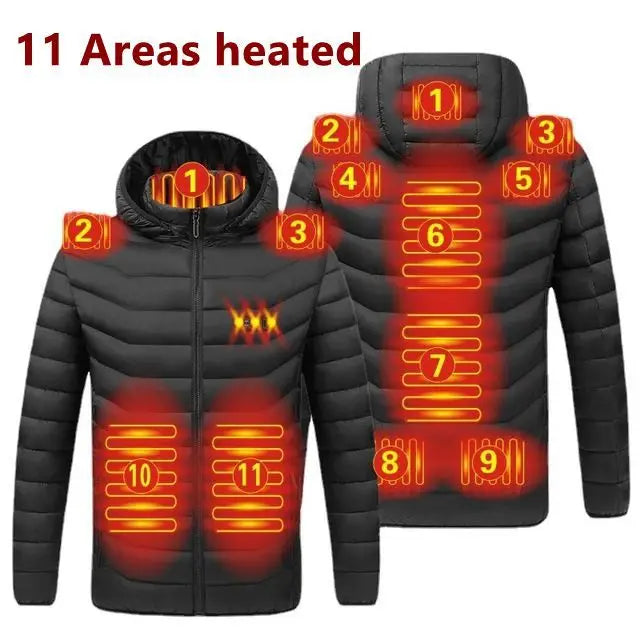
Advanced insulated winter clothing helps maintain warmth without sacrificing comfort or mobility.
Cold shouldn't control your day. Discover winter gear designed to keep you comfortable during commuting, outdoor work, and cold-weather adventures.
Mini FAQ
What is the warmest clothing material for winter?
Down insulation generally offers the highest warmth-to-weight ratio, making it one of the warmest clothing materials for cold, dry conditions. In wet climates, high-quality synthetic insulation or merino wool often provides more reliable warmth because they continue insulating when damp.
What material keeps you warm even when wet?
Merino wool and modern synthetic insulation are among the best materials for retaining warmth after exposure to moisture. They maintain much of their insulating performance while drying faster than untreated down.
Does polyester keep you warm in winter?
Yes. Polyester is commonly used in thermal base layers and synthetic insulation because it traps warmth efficiently, wicks moisture away from the skin, and dries quickly. It performs especially well during active outdoor pursuits.
How do thermals keep you warm?
Thermals create a layer of insulating air close to your body while transporting perspiration away from the skin. This combination helps reduce heat loss and prevents moisture from cooling your body.
What are thermals made of?
Most thermal clothing is made from merino wool, polyester, nylon blends, or other engineered synthetic fibers. Some garments combine multiple materials to balance warmth, stretch, durability, and moisture management.
Are wool or synthetic materials better for cold weather?
Neither is universally better. Merino wool excels in comfort, odor resistance, and natural temperature regulation, while synthetic materials offer excellent durability, faster drying, and strong performance during high-intensity activities or wet weather.
Related Guide: Heated Jacket for Winter: Key Features That Matter













