

Thick Calluses on Feet: Causes, Treatments, and Best Tools for Relief
Discover why thick calluses on feet develop, how to safely remove them at home, and the most effective treatment options for stubborn callus buildup. Learn expert-backed strategies to reduce thick heel callus, prevent painful cracks, and keep your feet healthy with long-term care.
What Are Thick Calluses on Feet?
Thick calluses on feet are protective layers of hardened skin that form when repeated pressure or friction causes the outer skin to produce extra keratin. This natural defense helps shield underlying tissues, but excessive callus buildup can become uncomfortable, crack, or interfere with walking.
How Calluses Form: The Biology of Skin Thickening
When your feet experience repeated stress from walking, running, standing for long hours, or poorly fitting shoes, skin cells multiply faster than they shed. Over time, these dead skin cells accumulate into a thick callus on feet. While this process is normal, continuous pressure without proper foot care can result in heavy callus buildup feet that requires treatment.
Stages of Callus Development
- Early: Mild skin thickening with little or no discomfort.
- Moderate: Rough texture, yellowish appearance, and noticeable hardening.
- Severe: Thick dry callus feet with deep layers, painful cracks, and possible difficulty walking.
Quick Symptom Assessment Checklist
- Hard, thickened skin on pressure points
- Yellow or gray discoloration
- Rough, dry surface that feels raised
- Cracks around the heel or ball of the foot
- Pain when standing or walking
- Recurring callus buildup despite regular care
How to Identify Severe Callus on Heels
A severe callus on heels often appears much thicker than surrounding skin and may develop deep fissures, tenderness, or bleeding. Heavy callus buildup feet accompanied by redness, drainage, or increasing pain should be evaluated promptly to prevent complications.
Why Thick Calluses Form on Feet
Foot Mechanics and Pressure Points
Most thick foot callus develops where pressure concentrates during walking. Common locations include the heels, balls of the feet, outer edges, and beneath the big toe. Flat feet, high arches, bunions, hammertoes, and uneven walking patterns all change how weight is distributed, increasing callus buildup feet over time.
Footwear and Lifestyle Factors
- Tight, narrow, or loose-fitting shoes
- High heels that increase forefoot pressure
- Standing for extended periods
- Running, hiking, and court sports
- Walking barefoot on rough surfaces
Even supportive footwear eventually wears down. Replacing worn shoes and rotating footwear can significantly reduce recurring thick heel callus.
Medical Conditions and Risk Factors
Dry skin, aging, obesity, reduced foot cushioning, and certain medical conditions increase the likelihood of thick dry callus feet. People with diabetes, peripheral neuropathy, or poor circulation should monitor any callus carefully because small cracks may become difficult-to-heal wounds.
Callus, Corn, Wart, or Cracked Heel?
Comparison by Appearance
| Condition | Typical Appearance | Common Location |
|---|---|---|
| Callus | Large, broad area of thickened skin | Heel, ball of foot, outer edge |
| Corn | Small, round hard center | Top or sides of toes |
| Plantar Wart | Rough lesion with tiny black dots | Weight-bearing areas |
| Cracked Heel | Split skin around the heel | Heel rim |
Symptoms and Treatment Differences
Calluses usually cause pressure discomfort rather than sharp pain. Corns often hurt when direct pressure is applied, while plantar warts may be painful when squeezed from the sides. Cracked heels primarily involve dry, splitting skin. Correct identification matters because each condition benefits from a different treatment approach.
Treatment Options for Thick Calluses on Feet
Home Treatment by Severity
- Mild: Daily moisturizing plus gentle pumice stone use.
- Moderate: Regular filing combined with urea-based creams.
- Severe: Mechanical removal, moisturizing, pressure reduction, and professional evaluation if pain develops.
Manual Filing vs Electric Callus Removers
| Method | Best For | Advantages | Limitations |
|---|---|---|---|
| Manual Foot File | Moderate buildup | Affordable and precise | Requires more effort |
| Electric Callus Remover | Heavy callus buildup feet | Faster and more consistent removal | Requires careful use |
One popular option is the KentDO Electric Foot Callus Remover USB , designed specifically for stubborn buildup while making routine maintenance convenient at home.
Moisturizing Creams and Keratolytics
Daily moisturizers help maintain skin flexibility after exfoliation. Creams containing urea, lactic acid, or salicylic acid gradually soften hardened skin, making mechanical removal easier and reducing future thick callus buildup.
Professional Debridement
When an extremely thick foot callus causes persistent pain or repeatedly returns despite home care, a podiatrist can safely remove excess skin using sterile instruments while addressing the underlying cause, such as abnormal pressure or footwear issues.
How to Treat Thick Callus Heel at Home Safely
Step-by-Step Home Care Routine
- Soak your feet in warm water for 10–15 minutes.
- Gently dry the skin before using a pumice stone, manual file, or electric callus remover.
- Work gradually with light pressure rather than trying to remove the entire callus in one session.
- Apply a thick moisturizer or urea-based cream immediately afterward.
- Repeat 1–3 times weekly depending on severity.
Common Mistakes to Avoid
- Removing too much skin at once
- Using blades or sharp instruments at home
- Ignoring painful cracks or bleeding
- Skipping moisturizer after exfoliation
- Continuing to wear shoes that caused the callus
Safety Tips for Diabetes and Poor Circulation
- Inspect your feet daily.
- Avoid aggressive filing if you have reduced sensation.
- Never cut a thick callus heel yourself.
- Seek medical advice before using mechanical callus removers if you have diabetes, peripheral artery disease, or neuropathy.
When to See a Podiatrist or Doctor
Warning Signs That Require Medical Care
- Persistent pain beneath the callus
- Bleeding or deep cracks
- Redness, swelling, warmth, or pus
- Recurring extremely thick foot callus despite treatment
- Difficulty walking because of the callus
Who Should Avoid Self-Treatment
People with diabetes, poor circulation, peripheral neuropathy, immune disorders, or a history of foot ulcers should avoid aggressive self-treatment. Professional care greatly reduces the risk of infection and skin injury.
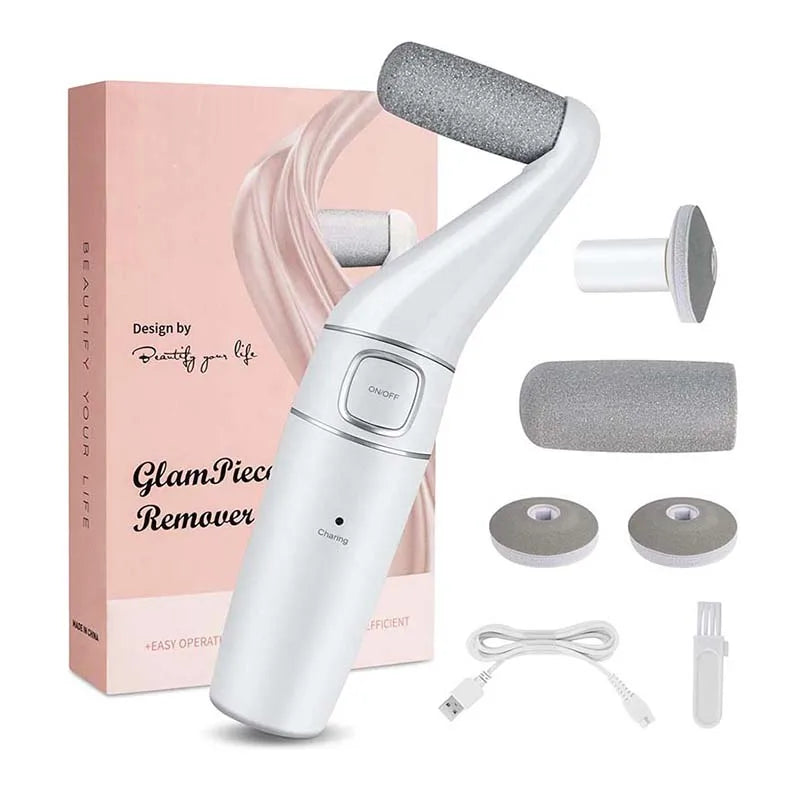
Thick callus buildup feet relief starts with the right tool See it in action
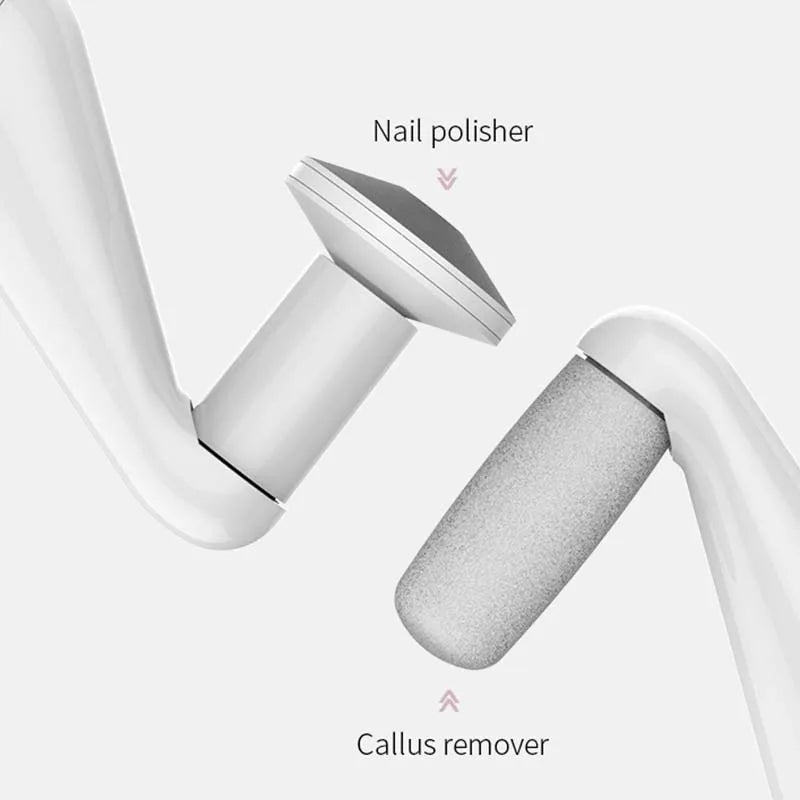
Smooth thick callus heel at home See it in action
How to Prevent Calluses from Coming Back
Daily Foot Care Routine
- Wash and thoroughly dry your feet.
- Apply moisturizer every day, especially to the heels.
- Inspect pressure points for early skin thickening.
Weekly Maintenance
- Perform light exfoliation once or twice each week.
- Use your preferred callus remover before buildup becomes severe.
- Replace worn rollers or files when needed.
Footwear and Pressure Redistribution
- Choose supportive, properly fitting shoes.
- Use cushioned insoles if recommended.
- Wear moisture-wicking socks.
- Address biomechanical problems with orthotics if advised by a healthcare professional.

Long-term heel callus relief See it in action
Frequently Asked Questions
Is foot callus treatment at home safe for very thick calluses?
Yes, if performed gradually using appropriate tools and followed by daily moisturizing. Extremely thick or painful calluses should be assessed by a podiatrist.
How often should I treat a thick callus heel?
Most people benefit from treatment once or twice weekly. Severe buildup may require up to three sessions per week, provided the skin is not becoming sore.
Can extremely thick foot callus fully go away?
Most calluses can be significantly reduced with consistent care, pressure relief, and proper footwear. Recurrence is common if the underlying cause is not addressed.
What is the fastest way to remove thick callus on feet?
A combination of soaking, careful mechanical removal, and daily moisturizing typically provides the quickest and safest results at home.
Are thick calluses on feet a sign of underlying medical issues?
Sometimes. Recurrent calluses may indicate abnormal foot mechanics, while painful or rapidly worsening calluses can be associated with diabetes, poor circulation, or other medical conditions.
Can I cut off a thick foot callus myself?
No. Cutting a callus with blades or sharp tools increases the risk of bleeding, infection, and accidental injury. Gentle filing is much safer.
What cream works best for thick calluses?
Products containing urea, lactic acid, or salicylic acid can soften hardened skin. Daily use after exfoliation usually provides the best results.
Why do my calluses keep coming back?
Repeated pressure from footwear, abnormal gait, standing for long periods, or untreated foot mechanics can cause calluses to return. Combining routine maintenance with supportive footwear helps reduce recurrence.
Related Guide: Electric Foot File for Dry Heels Who Should Use It













