

Thick Calluses on Feet: How to Remove and Prevent Hard Skin
⏱ 7 min read
If you struggle with thick calluses on your feet, this comprehensive guide explains how to remove them safely at home, choose the right foot care tools, and prevent hard skin from returning. You'll learn when home treatment is appropriate and when professional care is the safer choice.
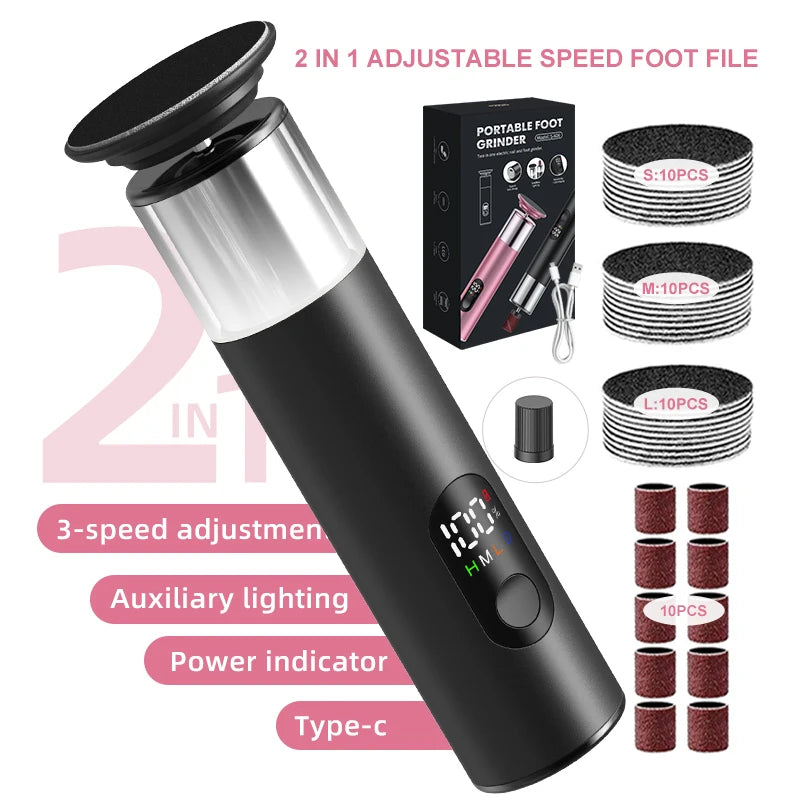
Thick calluses on feet don't have to be permanent — See it in action
How to Remove Thick Calluses on Feet Safely
If you're wondering how to remove thick calluses on feet , the safest approach is gradual rather than aggressive. Thick calluses develop to protect the skin from repeated pressure, so removing them too quickly can expose healthy tissue and increase the risk of pain or infection.
The best way to get rid of calluses on feet is to:
- Soak your feet for 10–15 minutes to soften hardened skin.
- Gently exfoliate using a pumice stone, foot file, or electric callus remover.
- Apply a rich moisturizer containing urea or other hydrating ingredients.
- Reduce the pressure or friction that caused the callus in the first place.
- Repeat weekly until the callus gradually becomes thinner.
Most people notice smoother skin after one or two treatments, while thick, long-standing calluses often require several weeks of consistent care.
Why Do Thick Calluses Form on Feet?
Common Causes of Pressure and Friction
Calluses are your body's natural response to repeated pressure and friction. Instead of allowing deeper tissues to become damaged, the outer layer of skin thickens over time.
Common causes include:
- Ill-fitting shoes or high heels
- Frequent walking, running, or standing
- Barefoot walking on hard surfaces
- Poorly cushioned footwear
- Repeated rubbing from sports or work activities
Risk Factors That Increase Thick Calluses
Some people develop thicker calluses because of:
- Foot structure differences such as bunions or hammertoes
- Abnormal gait or uneven weight distribution
- Excess body weight
- Reduced skin flexibility with age
- Occupations requiring prolonged standing
Understanding why calluses form on feet helps you choose treatments that address both the hardened skin and its underlying cause.
Callus, Corn, Cracked Heel, or Plantar Wart?
Not every thick patch of skin is a callus. Correct identification matters because treatments differ.
| Condition | Appearance | Typical Symptoms |
|---|---|---|
| Callus | Broad, thick area of hardened skin | Usually mild discomfort under pressure |
| Corn | Small, round hard center | Often painful with direct pressure |
| Cracked Heel | Dry, split skin around the heel | Can become painful or bleed |
| Plantar Wart | Rough growth with tiny black dots | Pain when pinched from the sides |
If you're unsure whether you're dealing with a callus or another foot condition, especially if pain is severe or the lesion changes quickly, seek a professional diagnosis before starting treatment.
Signs a Thick Callus Needs Professional Care
Although many calluses respond well to home treatment, some require medical attention.
Seek professional care if you notice:
- Persistent or severe pain
- Bleeding or open skin
- Signs of infection such as redness, warmth, swelling, or drainage
- Rapidly growing or unusually shaped lesions
- Calluses associated with diabetes, neuropathy, or poor circulation
In these situations, it may not be safe to remove calluses at home because even small injuries can heal slowly and lead to complications.
What You Need Before Removing Calluses at Home
Recommended Foot Care Supplies
- Warm water basin
- Mild soap or Epsom salts
- Pumice stone or quality foot file
- Electric callus remover for thick skin
- Moisturizer containing urea or similar hydrating ingredients
- Clean towel
Products to Avoid
- Sharp blades or razors
- Household knives or scissors
- Aggressive sanding tools
- Very strong chemical products without professional guidance
Step-by-Step Home Treatment for Thick Calluses
How to Soften Thick Heel Skin
Soak your feet in warm water for 10–15 minutes before exfoliating. Warm water softens thick heel skin, making it easier to remove dead skin while reducing irritation. Mild soap or Epsom salts may improve comfort, although plain warm water is often sufficient.
How to Remove Hard Calluses from Feet Safely
After soaking, gently exfoliate only the dead outer layer. Avoid trying to remove the entire callus in one session.
- Pumice stone: Suitable for light to moderate calluses.
- Foot file: Offers greater control for thicker areas.
- Electric callus remover: Efficient for stubborn calluses with less manual effort.
Move the tool slowly using light pressure. Stop if you experience pain or notice bleeding.
Manual vs Electric Callus Removal
Manual tools provide excellent control and work well for routine maintenance. Electric callus removers can remove thick dead skin more quickly while requiring less physical effort, making them a practical option for people with persistent heel buildup.
Moisturize and Protect After Exfoliation
Immediately apply a thick moisturizer after exfoliation to help soften remaining skin and reduce future hardening. Products containing urea are especially helpful for maintaining smoother heels between treatments.
- Thin calluses: 1–2 treatment sessions
- Moderate calluses: Around 2–4 weeks of weekly care
- Very thick calluses: Several weeks, with professional treatment if needed
Consistency produces better long-term results than aggressive exfoliation.
Best Foot Callus Removal Tools
Pumice Stone
Best for routine maintenance and mild calluses. Affordable, reusable, and easy to control.
Foot Files
Provide faster removal than pumice stones and are effective on moderately thick skin.
Electric Callus Removers
The best electric callus remover for feet can quickly smooth thick heel skin while reducing manual effort. Choose a model with replaceable rollers and multiple speed settings for better control.
Callus Creams and Keratolytics
Moisturizers containing urea help soften hardened skin. Some medicated creams also contain salicylic acid, which gradually breaks down thickened skin. Follow product directions carefully, especially if you have sensitive skin.
| Tool | Best For | Pros | Cons |
|---|---|---|---|
| Pumice Stone | Light calluses | Affordable and gentle | Requires more effort |
| Foot File | Moderate calluses | Good control | Needs regular maintenance |
| Electric Callus Remover | Thick stubborn calluses | Fast and efficient | Requires careful use |
| Callus Cream | Maintenance | Keeps skin soft | Works gradually |
Explore reliable options in Body Care and Health Devices designed for comfort and durability.
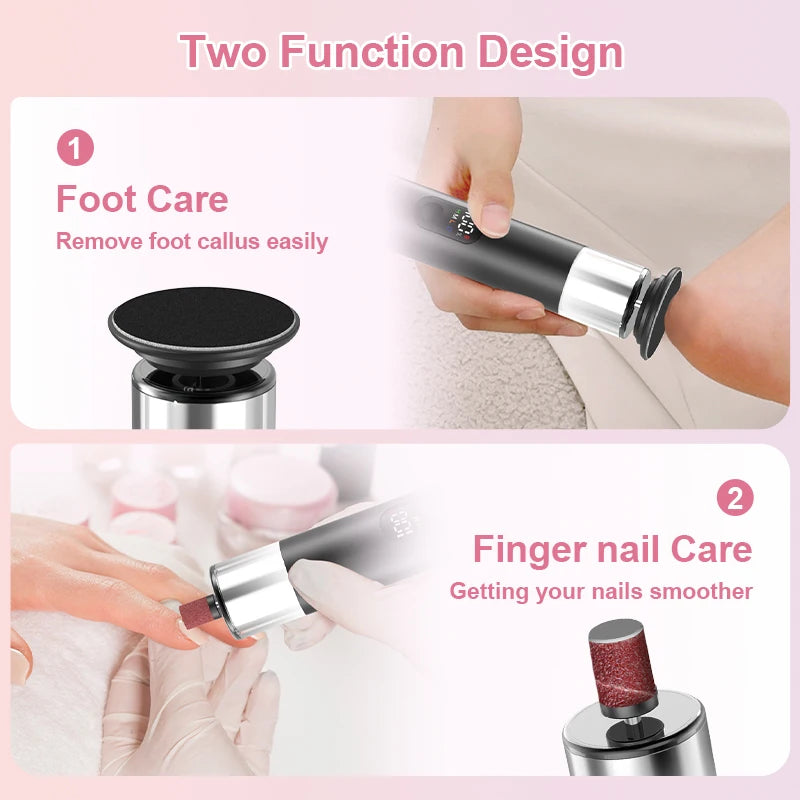
Precision care with an electric foot grinder — See it in action
Natural Remedies vs Medicated Treatments
Natural remedies such as warm water soaks, moisturizing oils, and regular exfoliation can improve mild calluses by keeping skin hydrated.
For thicker calluses, creams containing urea or salicylic acid generally provide better results because they help soften hardened skin more effectively. Combining medicated moisturizers with gentle mechanical exfoliation is often the most successful long-term approach.
Common Mistakes That Make Calluses Worse
- Trying to cut off the callus with a blade.
- Over-filing until healthy skin becomes exposed.
- Skipping moisturizer after exfoliation.
- Ignoring the footwear or pressure causing the problem.
- Using aggressive chemical products too frequently.
Aim for gradual improvement instead of removing the entire callus in a single treatment.
How to Prevent Thick Calluses from Coming Back
Footwear
Wear supportive, well-fitting shoes that minimize friction and distribute pressure evenly.
Pressure Redistribution
Consider cushioned insoles or protective pads if certain areas of your feet repeatedly experience pressure.
Daily Foot Care Routine
- Inspect your feet regularly.
- Moisturize daily.
- Exfoliate once weekly.
- Replace worn shoes when cushioning deteriorates.
- Address discomfort early before thick skin develops.
For complementary routines, browse Skin and Beauty Care Devices and Nail Care Devices to complete your home regimen.
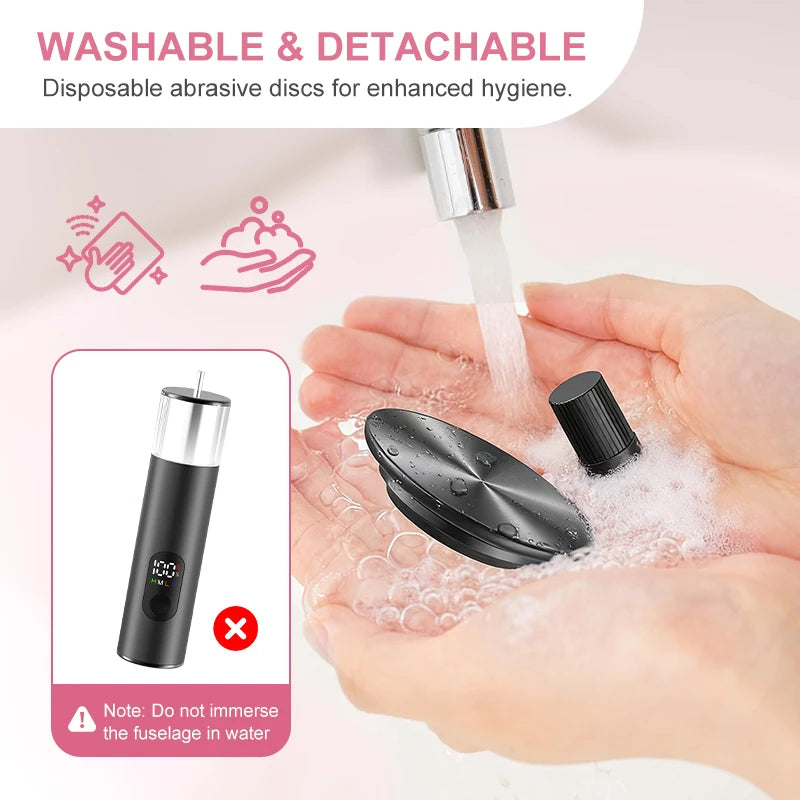
Smooth, confident steps start here — See it in action
Frequently Asked Questions
Can I remove a thick callus completely at home?
Many thick calluses can be reduced significantly with consistent home care, but complete removal may not be possible if the underlying pressure remains.
What is the fastest safe way to remove thick calluses on feet?
Soak your feet, gently exfoliate using a foot file or electric callus remover, then moisturize. Repeat weekly rather than trying to remove everything in one session.
Should I use a pumice stone or an electric callus remover?
Pumice stones work well for light to moderate calluses. Electric callus removers are generally more efficient for thick, stubborn buildup.
How often should I exfoliate thick calluses?
Most people benefit from gentle exfoliation once a week. More frequent treatments may irritate healthy skin.
Can I cut off a thick callus myself?
No. Cutting calluses with blades or sharp tools increases the risk of injury and infection.
Why do my foot calluses keep coming back?
Recurring pressure, poorly fitting footwear, abnormal gait, or prolonged standing can all cause calluses to return unless those issues are addressed.
What cream works best for thick heel skin?
Moisturizers containing urea are commonly recommended because they soften thickened skin while improving hydration.
When should I see a podiatrist for a callus?
Seek professional care if your callus becomes painful, bleeds, shows signs of infection, or if you have diabetes, poor circulation, or nerve damage.













