

Tire Gauge Accuracy: How to Ensure Precise Readings Every Time
A tire digital pressure gauge can reveal far more than a simple PSI number when accuracy truly matters. Small pressure errors quietly affect steering feel, stopping distance, tire wear, and fuel economy long before warning lights appear. Understanding tire gauge accuracy , what causes readings to vary, and how to verify your tool helps you make safer inflation decisions every time.
⏱ 8 min read
Learn what separates dependable tire pressure gauges from everyday guesswork.

Accurate tire digital pressure gauge readings help reveal low tire pressure risks early. See it in action.
Tire Gauge Accuracy: How Accurate Are Tire Pressure Gauges?
Tire gauge accuracy describes how closely a pressure gauge measures your tire's true PSI. Consumer tire gauges are generally accurate within approximately ±1 to ±2 PSI, although higher-quality digital models often achieve tighter tolerances when properly calibrated.
It is also important to distinguish three related concepts:
- Accuracy: How close the reading is to the actual tire pressure.
- Precision: Whether repeated measurements remain close to one another.
- Repeatability: The ability to deliver the same result every time under identical conditions.
Two gauges may disagree by 1 PSI while both remain within their published specifications. Small differences can result from manufacturing tolerances, calibration history, temperature, or user technique rather than equipment failure.
Why Tire Gauge Accuracy Matters
Accurate tire pressure measurements improve safety, fuel efficiency, tire longevity, and overall vehicle performance. Even a seemingly minor error of 2–3 PSI can influence handling, braking performance, and tread wear over thousands of miles.
The Risks of Incorrect Tire Pressure
- Underinflation: Increases rolling resistance, heat buildup, uneven shoulder wear, and the risk of tire failure.
- Overinflation: Reduces the tire's contact patch, resulting in harsher rides, faster center tread wear, and reduced grip.
Accuracy vs Precision: Why Small Differences Count
The accuracy of tire pressure gauges determines whether you're inflating to the manufacturer's recommended PSI. Precision determines whether you consistently get the same reading. A gauge that repeatedly reads 2 PSI high may appear consistent but still lead to chronic overinflation if the error goes unnoticed.
Types of Tire Gauges and Their Accuracy Compared
Analog Tire Pressure Gauges: Accuracy and Limitations
Dial and mechanical gauges remain popular because they require no batteries and are highly durable. Most quality analog gauges typically provide accuracy within about ±2 PSI, although springs and internal mechanisms may gradually drift with age.
Digital Tire Pressure Gauges: Accuracy and Benefits
Digital tire pressure gauge accuracy is commonly around ±1 PSI for reputable consumer models. Electronic sensors provide fast measurements, large backlit displays, multiple pressure units, and improved readability that helps reduce user mistakes.
Pencil, Dial, and Digital Gauges Compared
| Gauge Type | Typical Accuracy | Advantages | Limitations |
|---|---|---|---|
| Pencil | ±2–3 PSI | Compact, inexpensive | Smaller scale, harder to read |
| Dial | Around ±2 PSI | Battery-free, durable | Can lose calibration over time |
| Digital | Around ±1 PSI | Easy reading, excellent repeatability | Requires battery maintenance |
What Affects Tire Gauge Accuracy?
Temperature and Environmental Effects
Tire pressure naturally changes with temperature. A tire checked immediately after driving or sitting in direct sunlight will often read higher than the same tire measured cold. For the most reliable results, measure tire pressure before driving whenever possible.
Calibration, Wear, and Mechanical Damage
Both digital and analog gauges gradually drift over years of use. Dropping a gauge, exposing it to moisture, or repeatedly storing it in extreme temperatures can reduce long-term accuracy.
Measurement Technique and User Errors
Incorrect valve placement remains one of the biggest causes of inaccurate readings. To minimize errors:
- Press the gauge squarely onto the valve stem.
- Listen for excessive air leakage.
- Take two or three readings to confirm consistency.
- Measure tires when cold.
How to Check Tire Pressure Gauge Accuracy
Compare Readings With a Known Accurate Gauge
- Inflate the tire to the manufacturer's recommended cold PSI.
- Measure pressure using your gauge.
- Repeat with a trusted reference gauge.
- If both readings differ by about 1 PSI or less, your gauge is generally performing normally.
Repeating the process several times also reveals whether the gauge provides consistent measurements.
Testing Against Professional Calibration Equipment
Automotive service centers and tire shops often use calibrated pressure equipment capable of much tighter tolerances than consumer tools. Professional comparison is worthwhile if you maintain performance vehicles, tow trailers, or suspect your gauge has become inaccurate.
Understanding Tire Gauge Calibration and Accuracy Standards
Common PSI Tolerance Ranges
Most consumer tire pressure gauges fall within these practical expectations:
- High-quality digital gauges: approximately ±1 PSI
- Quality analog gauges: approximately ±2 PSI
- Professional calibration equipment: significantly tighter tolerances
For everyday driving, a consistent gauge with approximately ±1 PSI accuracy is more than adequate for maintaining recommended tire pressures.
When Calibration Is Needed
Consider checking calibration if your gauge:
- Shows inconsistent readings on repeated tests.
- Differs noticeably from multiple trusted gauges.
- Has been dropped or exposed to impact.
- Displays obvious battery or sensor problems.
For inexpensive consumer gauges, replacement is often more practical than professional recalibration once significant inaccuracies develop.
Feature Comparison: Choosing a More Accurate Tire Gauge
| Feature | Basic Gauge | High-Accuracy Digital Gauge |
|---|---|---|
| Typical Accuracy | ±2 PSI or more | Around ±1 PSI |
| Readability | Small mechanical scale | Large backlit display |
| Repeatability | Moderate | Excellent |
| Calibration Stability | May drift with wear | Generally more consistent |
| Best For | Occasional use | Frequent maintenance and long trips |
Many drivers also pair their gauge with emergency equipment like a car jump starter power bank to build a more complete roadside preparedness kit.
Common Tire Gauge Accuracy Problems and Troubleshooting
Why Tire Pressure Readings Fluctuate
Pressure readings may vary because of temperature differences, valve leaks, inconsistent gauge placement, or measuring immediately after driving. Minor differences between repeated measurements are normal, but large fluctuations usually indicate technique or equipment issues.
When to Replace or Recalibrate a Gauge
Replace or inspect your gauge if it consistently disagrees with multiple reference gauges, shows erratic digital readings, develops physical damage, or becomes difficult to operate. Routine verification helps maintain dependable performance.
Real-World Situations Where Gauge Accuracy Matters
Reliable tire gauge accuracy becomes especially valuable in situations where proper inflation directly affects vehicle stability and tire life.
- Long highway trips where tires heat up over extended distances.
- Seasonal temperature changes that naturally alter cold tire pressure.
- Performance vehicles requiring precise handling.
- SUVs, trucks, and trailers carrying heavier loads.
- Drivers monitoring slow air leaks before they become roadside emergencies.

Consistent digital pressure readings help drivers make confident inflation decisions. See it in action.
Who Needs a High-Accuracy Tire Pressure Gauge?
Every driver benefits from reliable measurements, but higher-accuracy gauges provide the greatest value for:
- Daily commuters.
- Families focused on vehicle safety.
- Drivers living in regions with large seasonal temperature swings.
- Owners maintaining several vehicles.
- Drivers who regularly tow trailers or carry heavy loads.
Occasional drivers who simply perform monthly pressure checks may find a basic gauge sufficient, provided it remains consistent and reasonably accurate.
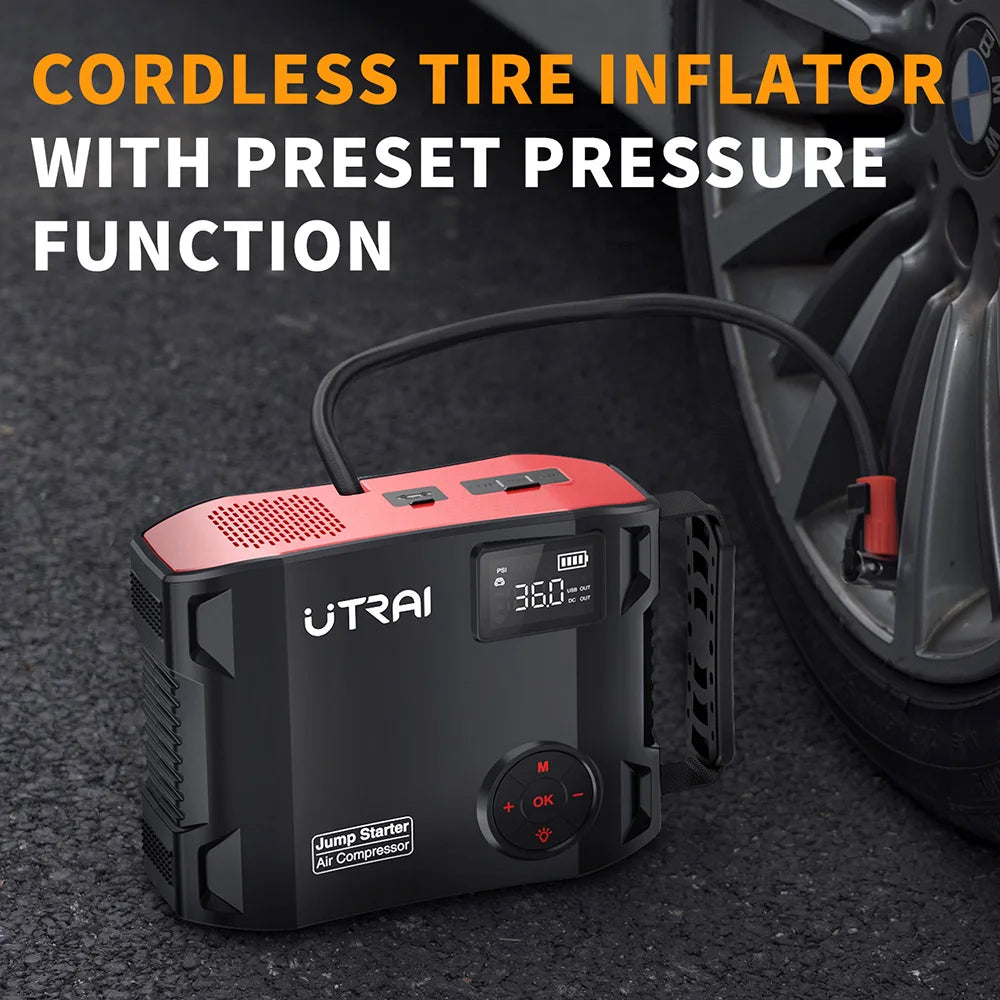
Reliable tire gauge accuracy supports safer, more confident driving. See it in action.
Frequently Asked Questions About Tire Gauge Accuracy
How accurate are most tire pressure gauges?
Most consumer tire gauges provide accuracy within roughly ±1 to ±2 PSI, depending on design, quality, calibration, and maintenance.
Are digital tire gauges more accurate than analog gauges?
In many cases, yes. Digital gauges typically provide tighter accuracy tolerances, clearer displays, and better repeatability, although quality varies between manufacturers.
What is an acceptable PSI error for a tire gauge?
For everyday driving, an error of approximately ±1 PSI is considered excellent, while ±2 PSI remains acceptable for many consumer applications.
How do I check my tire pressure gauge accuracy?
Compare readings against a trusted reference gauge or professionally calibrated equipment. Repeat the measurement several times to verify consistency.
Can temperature change tire gauge readings?
Yes. Tire pressure changes naturally as air temperature changes, which is why manufacturers recommend checking tire pressure when tires are cold.
How often should a tire gauge be calibrated?
Most drivers simply verify their gauge once or twice a year against a trusted reference. Replace or recalibrate it sooner if readings become inconsistent or the gauge suffers physical damage.
Related Guide: Reverse Polarity Protection Circuit Explained: Why It Saves Your Car













