Does a Waterproof Neck Gaiter Really Keep You Warm and Dry While Riding?
A waterproof neck gaiter can help keep you warmer and drier during motorcycle rides and other cold-weather activities, but its performance depends on more than the word “waterproof.” Waterproofing helps block rain, snow, and road spray, while warmth comes from insulation, wind resistance, coverage, and layering. A well-designed waterproof neck gaiter can therefore protect the exposed gap between your helmet and jacket without becoming a substitute for a complete cold-weather clothing system.
How Waterproof Fabrics Block Wind and Moisture
Technical neck gaiters may use laminated membranes, coated synthetic fabrics, tightly woven shells, or sealed constructions to reduce water penetration. Some also use a durable water-repellent (DWR) finish that causes light moisture to bead on the surface. However, a DWR-treated fabric is not automatically fully waterproof.
For riders, wind protection is just as important as rain resistance. A fabric that blocks wind can reduce the rapid heat loss caused by airflow at speed, while a breathable construction helps move moisture vapor away from the skin. The best combination depends on the conditions and the activity level.
Waterproofing vs Warmth: What a Gaiter Can and Cannot Do
Waterproofing and insulation solve different problems. A waterproof layer helps prevent external moisture from soaking through, while fleece, thermal fabric, merino blends, or other insulating materials help retain warmth. A thin waterproof neck gaiter may keep rain off your skin but provide limited insulation, whereas an insulated winter riding neck gaiter may offer more warmth but feel bulkier under a helmet.
For severe cold, the most effective approach is usually a properly fitted neck gaiter combined with suitable base layers, a protective jacket, and weather-appropriate riding gear. A neck gaiter for cold weather works best as part of that system.
When Waterproof Neck Gaiters Work Best
A waterproof neck gaiter is especially useful when cold wind combines with rain, snow, spray, or damp conditions. Motorcycle riders can use one to reduce airflow through the collar area, while skiers, hikers, anglers, cyclists, and commuters may benefit from protection against changing weather.
The right design depends on the balance between weather exposure and activity intensity. Heavy rain favors stronger water protection, while high-exertion activities require greater breathability and moisture management.
Top Waterproof Neck Gaiters for Winter Riding and Outdoor Adventures
Motorcycle cold weather riding can feel brutal when wind, rain, and road spray reach the exposed skin around your neck and lower face. The right waterproof neck gaiter can help seal the gap between your helmet and jacket, while a moisture-wicking inner layer helps manage sweat during longer rides. This guide compares waterproof and water-resistant constructions, explains how materials affect warmth and breathability, and helps you choose the best option for winter riding, skiing, hiking, fishing, cycling, and everyday cold-weather use.
Why Choose a Waterproof Neck Gaiter for Winter Riding and Outdoor Activities?
A waterproof neck gaiter protects one of the most exposed areas between your outerwear and head protection. During winter riding and outdoor activities, cold air can enter through the collar while rain, snow, and spray can make the fabric damp. A suitable gaiter helps create a more continuous barrier without the loose ends and shifting associated with a traditional scarf.
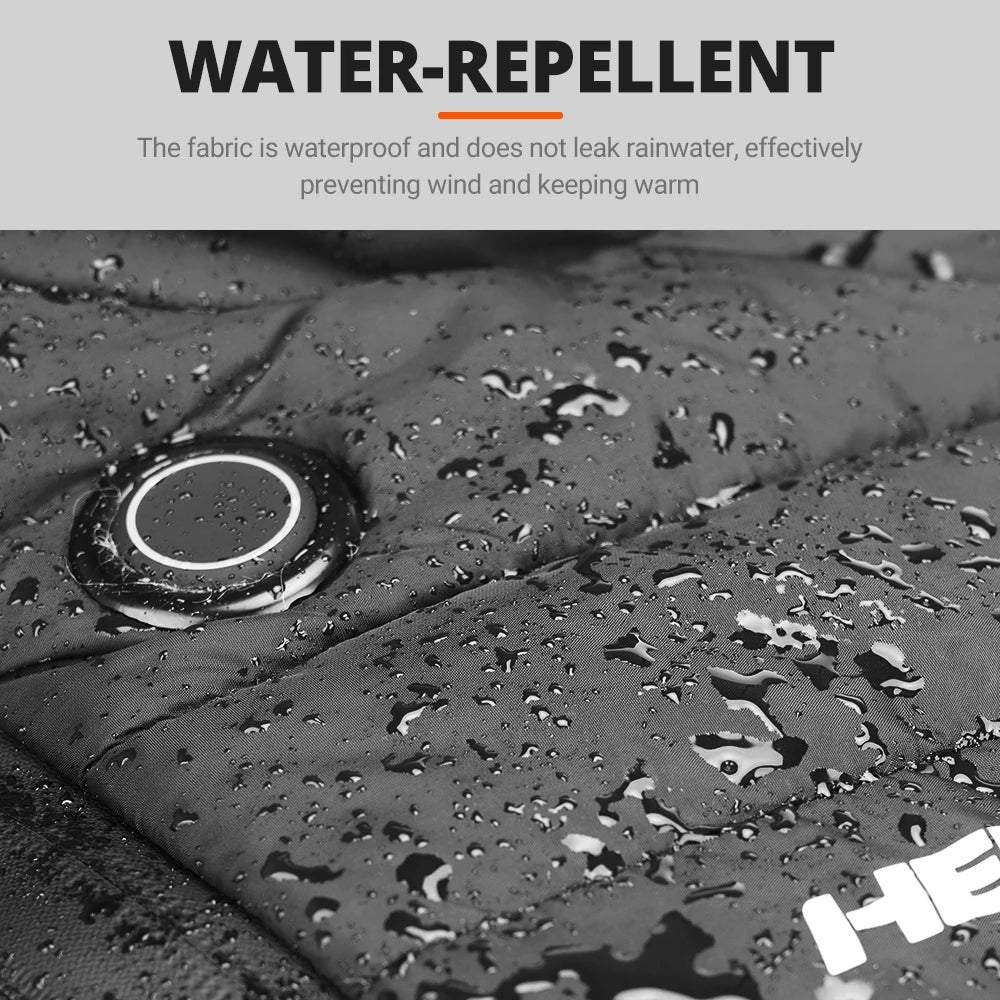
See it in action: water resistant neck gaiter for winter riding
Motorcycle Riding in Cold Rain
A waterproof neck gaiter motorcycle design should help reduce the amount of cold air and rain entering around the helmet and jacket collar. Longer coverage, a secure stretch fit, and wind-resistant fabric are particularly useful on highways, where airflow increases rapidly.
For wet rides, look for a construction that offers more than surface water repellency. A membrane or coated outer layer can provide stronger protection than a basic fleece gaiter, although the exact performance depends on the fabric and construction.
Skiing, Snowboarding, and Winter Hiking
Snow sports and winter hiking combine moisture exposure with high activity levels. A breathable waterproof neck gaiter can help protect against snow and wind while allowing more heat and moisture vapor to escape during movement. Stretch and a comfortable fit are also important when the gaiter is worn beneath goggles, helmets, hoods, or other layers.
Fishing, Hunting, and Windy Coastal Environments
Fishing, hunting, boating, and coastal activities often expose the wearer to persistent wind, spray, and damp air. In these conditions, wind resistance and water protection may be more important than maximum breathability. An insulated neck gaiter can be useful for low-movement activities, while a lighter moisture-wicking design may be more comfortable when walking or working actively.
Cycling, Commuting, and Everyday Cold Weather
For cycling and commuting, a neck gaiter for cold weather should balance low bulk with protection from wind and occasional precipitation. A slimmer design may fit more comfortably beneath a bicycle helmet, coat, or everyday jacket. If your activity produces significant sweat, prioritize moisture management rather than choosing the thickest available insulation.
Best Waterproof Neck Gaiters for Winter Riding and Outdoor Use
The best waterproof neck gaiter depends on the conditions you expect to face. The categories below focus on practical differences in waterproofing, warmth, breathability, moisture management, fit, and activity compatibility rather than treating every gaiter as equally waterproof.
Best Waterproof Neck Gaiter for Motorcycle Riding
For motorcycle riding, prioritize wind protection, reliable neck coverage, stretch, and compatibility with your helmet and jacket collar. An extended design that stays in place can help reduce drafts at speed. If you regularly ride in heavy rain, look for a construction designed for stronger water protection rather than a fabric that only repels light drizzle.
Best Breathable Waterproof Neck Gaiter
A breathable waterproof neck gaiter is most useful for activities where you generate significant body heat. Membrane-based or layered constructions can offer a better balance between external weather protection and internal moisture release, although higher waterproofing can sometimes reduce breathability.
Best Moisture Wicking Neck Gaiter for Active Use
A moisture wicking neck gaiter is a strong choice for skiing, hiking, cycling, and active riding. These designs move sweat away from the skin and can reduce the clammy feeling that occurs when moisture remains trapped against the neck. They may be less suitable than a fully waterproof design in sustained heavy rain unless combined with a weather-resistant outer layer.
Best Waterproof Neck Gaiter for Skiing and Hiking
For snow sports and hiking, look for a combination of stretch, breathability, wind protection, and resistance to snow or rain. A gaiter that is too thick may become uncomfortable during uphill movement, while a very thin gaiter may not provide enough warmth during rest periods or strong wind.
Best Budget Water Resistant Neck Gaiter
A water resistant neck gaiter can be a practical choice for light rain, occasional snow, commuting, and moderate winter conditions. Coated synthetic fabrics often provide useful protection at a lower price, but shoppers should not assume that water resistance equals full waterproofing.
Waterproof Neck Gaiter Comparison Table
Comparing waterproofing level, breathability, insulation, fit, and intended use makes it easier to choose the right design for your weather conditions.
| Product | Protection Level | Breathability | Insulation | Best Use | Material | Pros | Cons | Link |
|---|---|---|---|---|---|---|---|---|
| KentDO Winter Neck Warmer | Water Resistant | Moderate | Moderate | Winter riding and everyday cold weather | Polyester & Fleece | Windproof, lightweight, flexible | Limited color options | View Product |
| ThermaRide Moisture Wicking Neck Wrap | Light moisture protection | High | Light | Active riding and outdoor exercise | Microfiber | Helps manage sweat, breathable | Not fully waterproof | View Product |
| StormShield Waterproof Neck Gaiter | Waterproof-focused | Moderate | Moderate to high | Wet and windy outdoor conditions | Neoprene & Polyester | Strong rain protection, durable | Thicker and potentially bulkier | View Product |
How Waterproof Neck Gaiters Balance Moisture Protection and Breathability
A waterproof neck gaiter must manage two different sources of moisture: water coming from outside and perspiration produced by the wearer. Blocking external rain while trapping sweat inside can still leave the neck damp and uncomfortable. For that reason, breathability and moisture management are important when choosing gear for active use.
Preventing Sweat Buildup During Active Use
Motorcycle riding, hiking, skiing, and cycling can all generate heat even in cold weather. If sweat accumulates around the neck and chin, the damp fabric may feel cold when activity slows or wind increases. A moisture-wicking inner layer helps move perspiration away from the skin, where it can evaporate more easily.
Breathable Membranes and Moisture-Wicking Fabrics
Different layers can perform different jobs. A moisture-wicking lining helps manage liquid sweat, while a breathable membrane may allow some water vapor to move outward. An outer layer can then provide resistance to rain and wind. This layered approach is why a breathable waterproof neck gaiter can be more comfortable than a single non-breathable plastic-like barrier.
The Waterproofing-Breathability Trade-Off
There is often a trade-off between maximum water protection and maximum airflow. A fully sealed construction may provide stronger protection during heavy rain but can feel warmer during intense activity. A lighter water-resistant fabric may breathe better but provide less protection during prolonged wet weather.
- Choose stronger waterproofing for sustained rain, snow, or road spray.
- Choose greater breathability for hiking, skiing, cycling, and high-exertion activities.
- Choose moisture-wicking fabric when sweat management is a major concern.
- Choose insulation and wind protection when warmth is the main priority.
How to Choose a Waterproof Neck Gaiter
Choosing a waterproof neck gaiter is easier when you evaluate the weather, activity level, material, coverage, and layering system together. A design that works well for a slow, cold motorcycle commute may not be the best choice for high-output winter hiking.
Waterproof Membranes vs DWR Coatings
A waterproof membrane or laminated barrier is designed to provide more substantial protection against water penetration. A DWR coating, by contrast, helps water bead on the surface and can improve resistance to light rain and snow. DWR-treated fabric can be useful, but it should not automatically be described as fully waterproof.
For frequent heavy rain, look for a construction specifically designed for waterproof protection. For occasional precipitation, a water resistant neck gaiter may provide enough protection with a lighter and more breathable feel.
Material Comparison: GORE-TEX, Softshell, Neoprene, Fleece, and Merino Blends
Materials provide different combinations of protection and comfort:
- GORE-TEX and similar membrane fabrics: Designed to provide strong water protection while allowing some moisture vapor to escape, depending on the construction.
- Softshell: Often balances wind resistance, stretch, comfort, and moderate weather protection, making it useful for active outdoor use.
- Neoprene: Provides wind resistance and insulation but can feel warmer and less breathable during high exertion.
- Fleece: Offers warmth and softness but generally requires another weather-resistant layer for significant rain protection.
- Merino blends: Can provide comfortable temperature regulation and moisture management, although the exact level of water protection depends on the outer construction.
Breathability and Moisture Management
Choose a breathable waterproof neck gaiter if you expect to exercise or ride actively. Look for moisture-wicking inner fabrics and a construction that does not trap excessive heat around the face. For low-movement activities in severe cold, warmth may be more important than maximum breathability.
Fit, Coverage, and Helmet Compatibility
A winter riding neck gaiter should cover the neck without creating excessive bulk beneath the helmet. The upper edge should remain comfortable around the jaw or lower face, while the lower portion should overlap the jacket collar enough to reduce drafts.
Before choosing a thick design, consider the internal space of your helmet. Excessive material can create pressure points or make the fit uncomfortable. Stretch fabric and a low-profile construction can be especially useful for motorcycle riding.
Insulation and Weather Suitability
Match insulation to the conditions rather than simply choosing the warmest option. Lightweight thermal fabric may be enough for cool weather, while fleece-lined or insulated designs can be more suitable for freezing temperatures and low activity. In wet weather, insulation should ideally be combined with an outer layer that resists water penetration.
Waterproof vs Water-Resistant Neck Gaiters: What Is the Difference?
The difference between waterproof and water-resistant protection matters when choosing a neck gaiter for winter riding. These terms describe different levels of protection, and a fabric's performance also depends on its seams, coatings, construction, and exposure to water.
- Water Resistant: Helps repel light rain, snow, and moisture. Often relies on tightly woven fabric or a DWR coating and may provide better breathability.
- Waterproof: Designed to provide stronger protection against water penetration, often through a membrane, laminate, coating, or more sealed construction.
- Construction matters: A waterproof fabric may still have limitations if seams, openings, or gaps allow water to enter.
A water resistant neck gaiter may be sufficient for light rain, occasional snow, or everyday commuting. For prolonged heavy rain or frequent exposure to spray, a more genuinely waterproof construction is generally the better choice.
Neck Gaiter vs Scarf for Cold Weather: Which Is Better?
A neck gaiter and a scarf can both provide warmth, but they suit different cold-weather needs.
| Feature | Neck Gaiter | Scarf |
|---|---|---|
| Fit | Stays close to the neck and is less likely to shift during movement | Can be adjusted more freely but may loosen |
| Weather protection | Technical designs may provide wind and water resistance | Depends heavily on the fabric and how it is wrapped |
| Helmet compatibility | Usually easier to fit under a helmet when low profile | Can create more bulk or loose fabric |
| Coverage | Consistent tube-shaped coverage | Flexible and adjustable coverage |
| Moisture management | Technical fabrics may wick moisture or provide breathable protection | Varies widely by material |
For motorcycle riding and active outdoor use, a neck gaiter often offers more stable coverage and less loose fabric. A scarf may be preferable when you want adjustable styling, extra length, or flexible coverage around different layers.
How to Wear a Waterproof Neck Gaiter Properly
Wearing a waterproof neck gaiter correctly can improve weather protection without creating unnecessary pressure or bulk. The ideal configuration depends on the weather, activity, helmet, and jacket.
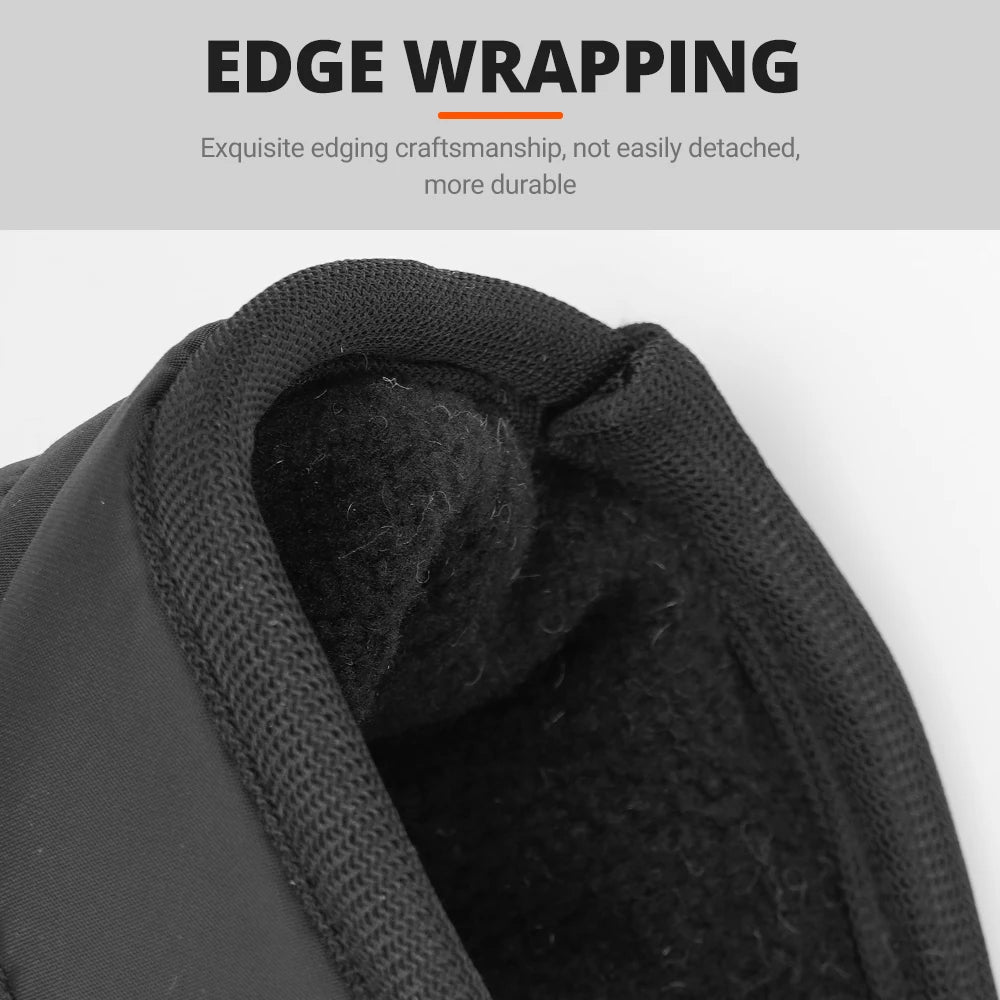
See it in action: moisture wicking neck gaiter for winter motorcycle riding
Full Neck Coverage for Motorcycle Riding
Position the gaiter so it covers the exposed neck and overlaps the jacket collar without bunching. The upper edge should fit comfortably beneath the helmet area without interfering with the helmet's normal fit or creating excessive pressure.
Face Covering for Wind, Rain, and Snow
In strong wind or precipitation, some gaiters can be pulled higher over the lower face. Avoid positioning fabric in a way that restricts comfortable breathing or creates excessive moisture buildup inside the gaiter. Condensation can be more noticeable in cold weather, especially when the fabric sits close to the mouth and nose.
Layering with Helmets, Jackets, and Base Layers
For maximum warmth, use the neck gaiter as part of a layering system. A moisture-wicking base layer can manage perspiration, while the gaiter adds coverage and the jacket provides broader wind and weather protection. Avoid stacking so many thick layers around the neck that helmet or jacket fit becomes uncomfortable.
How We Evaluate Waterproof Neck Gaiters
We compare waterproof neck gaiters using consistent criteria focused on real-world cold-weather performance and purchasing decisions.
Waterproofing and Weather Protection
We consider whether a design is genuinely waterproof-focused or primarily water resistant, along with the type of outer construction, resistance to wind, and suitability for rain, snow, and spray.
Breathability and Moisture Management
We evaluate how well the construction can manage sweat and internal moisture during active use. Moisture-wicking fabrics, breathable layers, and ventilation all influence comfort.
Warmth, Comfort, and Fit
Warmth depends on insulation and wind protection, while comfort depends on softness, stretch, coverage, and bulk. For motorcycle riders, helmet compatibility is an important part of fit.
Durability, Care, and Long-Term Value
We also consider construction quality, material durability, ease of care, and whether the product's performance is likely to remain useful over time. A lower-priced gaiter may offer good value for occasional use, while a more technical design may be worthwhile for frequent exposure to harsh weather.
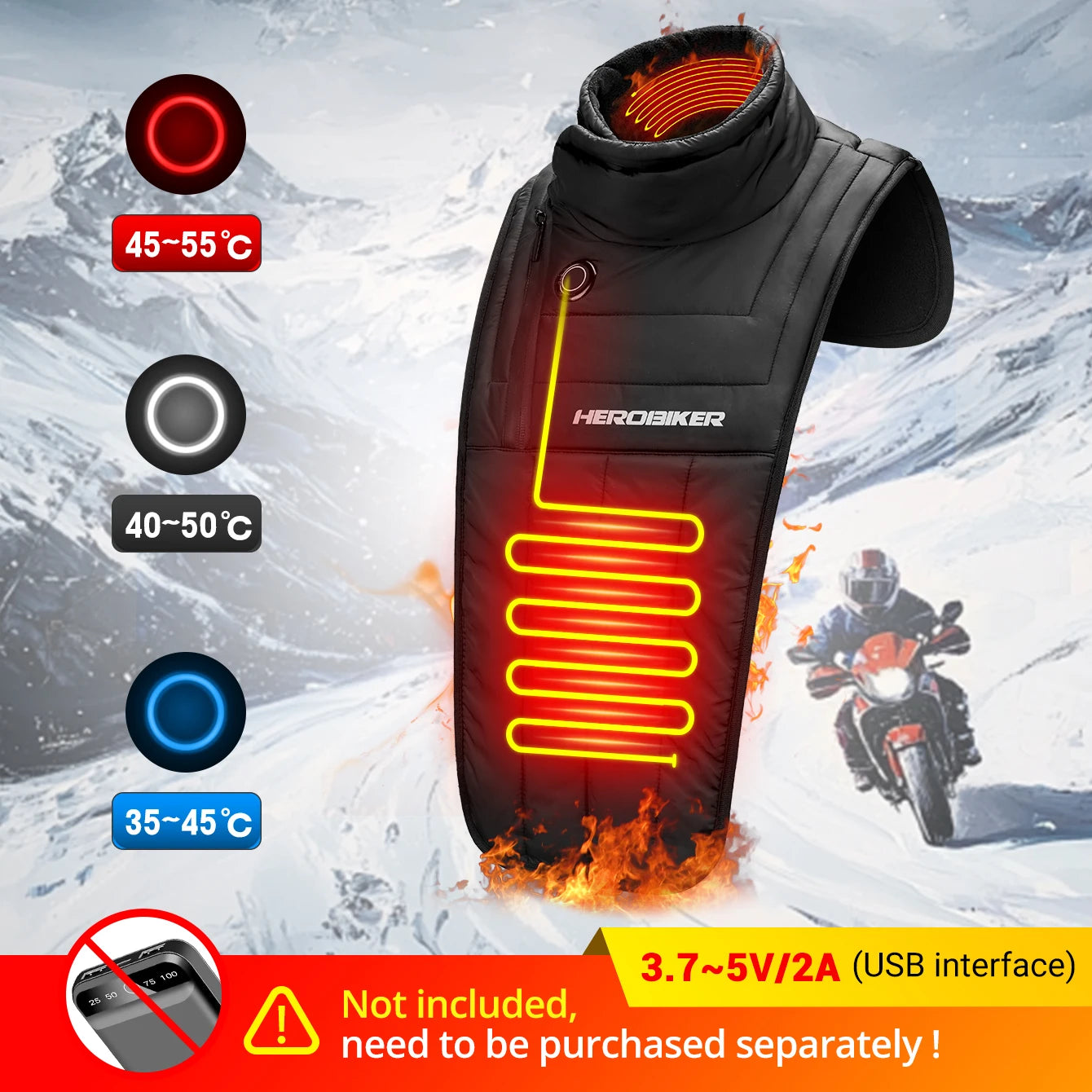
See it in action: waterproof neck gaiter with full wind protection
How to Wash and Maintain a Waterproof Neck Gaiter
Proper care can help preserve the comfort, fit, and weather protection of a waterproof neck gaiter. Always follow the manufacturer's care label first because technical fabrics and coatings can have different requirements.
Washing Waterproof and Technical Fabrics
Use the recommended washing method and avoid treating technical fabric like ordinary cotton. Harsh detergents, excessive heat, and fabric softeners may affect certain coatings or membrane constructions. Remove dirt and sweat regularly, especially after prolonged use.
How to Preserve DWR Water Repellency
If the manufacturer permits it, appropriate cleaning and reproofing products may help maintain the surface water repellency of a DWR-treated fabric. Do not apply an unapproved product without checking the care instructions, since the wrong treatment can affect breathability or fabric performance.
When Waterproof Performance Starts to Decline
Water resistance may decline as coatings wear, fabric becomes damaged, or the surface stops causing water to bead. Visible wear, persistent dampness, damaged seams, or reduced performance after proper cleaning may indicate that the gaiter needs reproofing or replacement.
Waterproof Neck Gaiter FAQ
Is a waterproof neck gaiter good for cold weather?
Yes. A waterproof neck gaiter can help block rain, snow, and cold wind, but warmth depends on insulation and construction. For freezing conditions, choose a design with suitable thermal insulation and wind protection rather than relying on waterproofing alone.
What makes a neck gaiter waterproof?
Waterproof neck gaiters may use membranes, laminated layers, waterproof coatings, or other constructions designed to limit water penetration. Seams, openings, and overall construction also affect real-world performance.
Are breathable waterproof neck gaiters possible?
Yes. Some technical fabrics and layered constructions are designed to resist external water while allowing some internal moisture vapor to escape. However, breathability and waterproofing can vary significantly between products.
Can you use a waterproof neck gaiter for motorcycling?
Absolutely. A waterproof neck gaiter motorcycle design can help reduce cold wind, rain, and road spray entering around the helmet and jacket collar. Choose a low-bulk fit that does not interfere with helmet comfort or fit.
Is waterproof better than water-resistant for winter riding?
Not always. Waterproof protection is generally more useful for sustained heavy rain or frequent spray, while a water resistant neck gaiter may be lighter and more breathable for light precipitation and everyday riding. The best choice depends on your typical weather conditions.
Will a waterproof neck gaiter work under a motorcycle helmet?
Yes, provided it has a suitable low-profile fit. Check that the gaiter does not create excessive bulk, pressure, or interference with the helmet's normal fit. A stretch design that covers the neck without bunching is often more comfortable.
Related Guide: Breathable Cold Weather Accessories Reviewed for Ultimate Comfort