

Tower Heater Fan Combo: Best Options for Year-Round Comfort
A tower heater fan combo can simplify year-round room comfort by combining warm-air heating and cooling airflow in one space-saving appliance. Instead of switching between a fan and a separate heater, shoppers can choose one unit based on the factors that matter most: room size, heating performance, airflow, noise, safety, controls, and everyday usability. The best tower heater fan combo is not necessarily the most powerful model; it is the one that fits your room and seasonal needs without adding unnecessary appliance clutter.
What Is a Tower Heater Fan Combo?
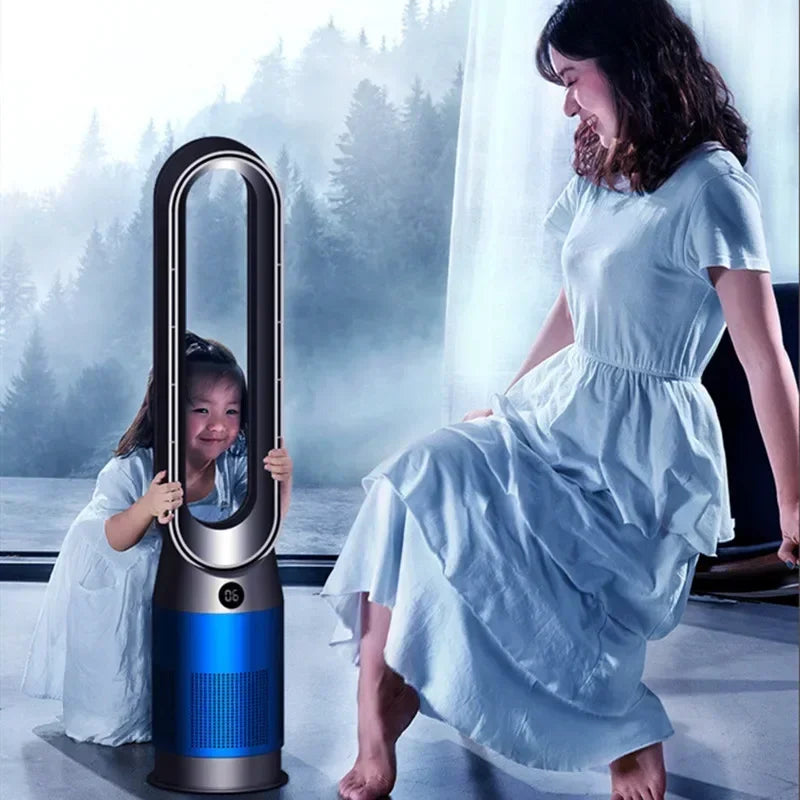
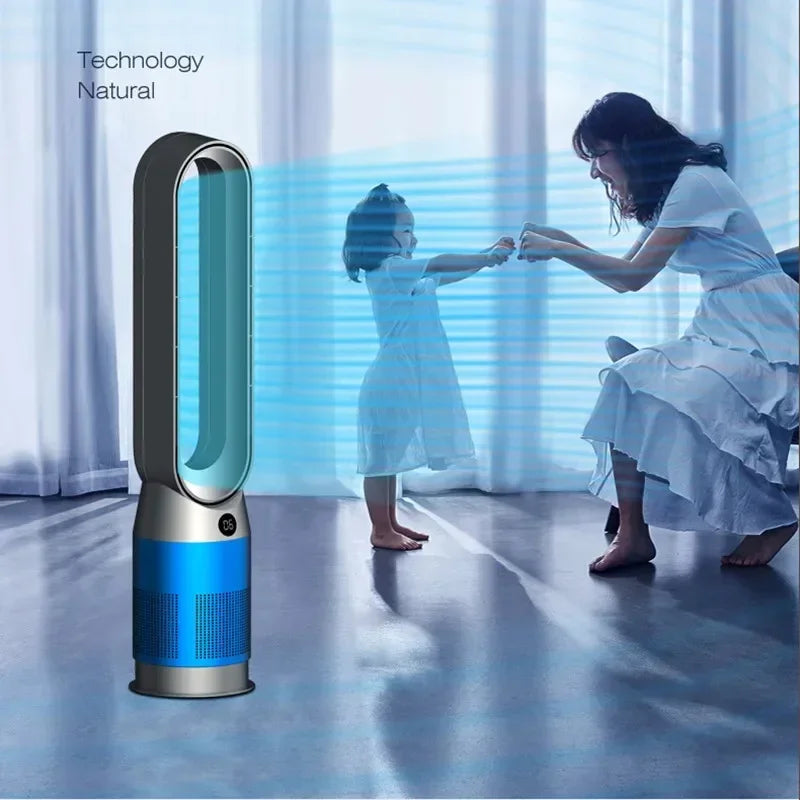
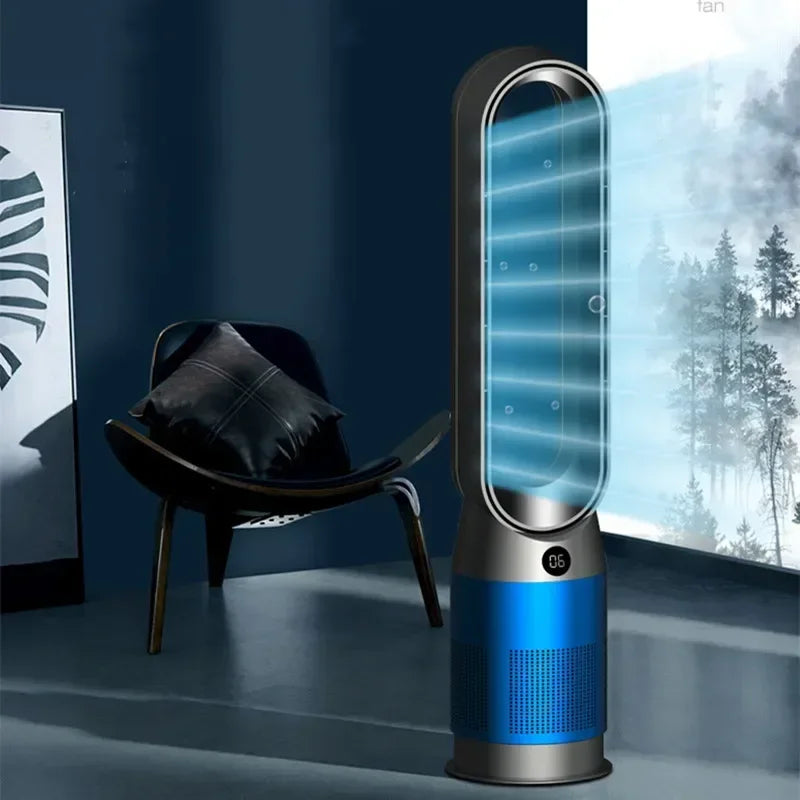
A tower heater fan combo is a vertical appliance that combines fan-based air circulation with a heating function. In cooling mode, the fan moves air through the room to create a more comfortable airflow. In heating mode, a heating element warms the air before it is circulated. Oscillation can then distribute that airflow across a wider area.
How the Heating and Fan Functions Work
The two functions solve different comfort problems. Fan operation helps move indoor air when a room feels hot or stuffy, while heating operation provides warm airflow when the room feels cold. A useful combination unit should make it easy to switch between cool-air and warm-air modes rather than requiring separate appliances.
Why PTC Ceramic Heating Is Common in Tower Combos
Many tower heater fan combos use ceramic-based heating technology because ceramic heating elements can be integrated into compact appliances designed for controlled warm-air circulation. When comparing models, however, do not judge a heater solely by the heating-element description. Look at temperature control, room coverage, operating modes, safety features, and how effectively the appliance distributes warm air.
What Year-Round Operation Actually Means
Year-round operation means the appliance can serve different comfort needs as seasons change. During warmer weather, fan operation can improve airflow and make a stuffy room feel more comfortable. During colder periods, warm-air operation can provide localized heating. A combo unit is particularly useful when convenience and reduced appliance clutter matter as much as maximum heating or cooling performance.
Tower Heater Fan Combo Buying Guide: What Matters Most
Heating Power and Temperature Control
Start by checking how the heating function is controlled and whether the unit provides useful temperature or heat-mode adjustments. A heater for a small bedroom does not necessarily need the same output as one intended for a larger living area. Avoid assuming that a higher wattage automatically means better real-world performance; room conditions, insulation, drafts, ceiling height, and airflow distribution also influence comfort.
Airflow and Fan Performance
For cooling and circulation, look for multiple fan speeds, oscillation, and airflow modes. Natural wind modes can provide a less uniform airflow pattern, while wide left-and-right oscillation can distribute air across more of the room. Remote control operation is another practical advantage when the appliance is positioned across the room or beside a bed.
Room Size and Coverage
Room coverage should be treated as a starting point rather than a guarantee. A unit rated for 15–25 m² may perform differently depending on insulation, sunlight exposure, open doors, drafts, ceiling height, and room layout. Matching the appliance to the actual room is one of the most important steps in choosing a tower heater fan combo.
Noise Level for Bedrooms and Offices
Noise becomes especially important when the appliance will operate during sleep, reading, studying, or focused work. Compare stated decibel levels where available, but also consider fan speed and operating mode. A model may be quiet at a lower fan setting while becoming more noticeable at higher airflow levels.
Safety Features: Overheat and Tip-Over Protection
When buying any appliance with a heating function, safety should be a primary selection criterion. Look for clearly specified protections such as overheat protection and tip-over protection, and follow the manufacturer's placement and operating instructions. Do not assume that a tower's enclosed or bladeless design automatically means its heating function can be used without normal heater precautions.
Thermostat, Timers, Modes, and Controls
Convenient controls can make a major difference in everyday use. Useful features may include remote control, adjustable fan speeds, oscillation, heating modes, natural wind operation, and timers. A timer is particularly useful for scheduled operation and can reduce the need to leave an appliance running longer than necessary.
Energy Efficiency and Operating Cost
Consider rated power alongside how often you expect to use each mode. The featured 42-inch model is specified at 40W for its stated electrical rating and uses a 2–8 hour timer. Heating and fan operation should still be evaluated according to the appliance's actual operating specifications rather than assuming that every mode consumes the same amount of electricity.
Best Tower Heater Fan Combo Options by Use Case
Instead of choosing a tower heater fan combo from a generic ranking, match the appliance to the way you actually use the room.
Best for Bedrooms: Quiet Operation and Stable Temperature
Bedroom shoppers should prioritize low noise, manageable airflow, timer functionality, and stable temperature control. The featured bladeless tower is specified at 36–45 dB and offers remote operation, oscillation, adjustable fan speeds, and cool-air and warm-air modes. Those features make this type of combination particularly relevant when the goal is to manage comfort without adding separate appliances.
Best for Small Rooms and Home Offices
For compact spaces, prioritize a slim tower footprint, controllable airflow, and room-appropriate coverage. A unit designed for approximately 15–25 m² can be a practical choice when the room falls within that range and environmental conditions are reasonable.
Best for Larger Living Areas
Larger rooms require more careful evaluation. Oscillation can help distribute airflow, but a compact tower should not automatically be treated as a whole-home heating or cooling solution. Open-plan layouts, high ceilings, poor insulation, and frequent drafts can reduce the effectiveness of any localized appliance.
Best for Year-Round Daily Use
A cooling and heating tower makes the most sense for shoppers who expect to use the appliance across multiple seasons. The featured 42-inch model combines cooling, heating, air circulation, natural wind operation, and purification functionality in one tower design. Its stated application range is 15–25 m², making room-size matching important before purchase.
Product reference: https://kentdohealthybeauty.com/products/bladeless-tower-fan-42-inch
Best for Buyers Prioritizing Safety
Safety-focused buyers should compare specified protection features rather than relying on marketing terms such as “bladeless.” Look for clear information about heating safety, placement requirements, and automatic protection systems. The enclosed fan design can reduce exposure to rotating blades, but heating appliances still require appropriate clearance and responsible operation.
Tower Heater Fan Combo Comparison: Heating vs. Fan Performance
What to Compare Across Models
- Heating: Check heat modes, temperature control, and stated electrical specifications.
- Airflow: Compare fan speeds, oscillation, and airflow modes.
- Coverage: Match the stated room range to your actual room size.
- Noise: Look for published decibel information and consider the mode being used.
- Controls: Remote control and timer functions can improve convenience.
- Safety: Look for overheat and tip-over protection where specified.
- Seasonal value: Determine whether you genuinely need both heating and cooling functions.
How to Interpret Heating and Airflow Claims
Heating claims and airflow claims should be evaluated separately. Strong fan airflow does not automatically mean strong heating performance, and a powerful heating function does not guarantee effective circulation throughout a large room. A good comparison looks at the complete system: heating, airflow distribution, controls, noise, coverage, and safety.
Which Features Matter Most for Your Room?
For bedrooms, noise and timer control may matter most. For offices, quiet operation and remote control can improve convenience. For small rooms, compact dimensions and appropriate coverage are important. For year-round use, the ability to switch easily between warm-air and cool-air operation becomes a central consideration.
What Room Size Can a Tower Heater Fan Combo Handle?
A tower heater fan combo can be suitable for small and medium rooms when its stated coverage matches the room and environmental conditions are favorable. Coverage specifications should not be treated as guarantees because insulation, drafts, sunlight, ceiling height, and open doorways can significantly affect perceived comfort.
Small Bedrooms and Home Offices
Small bedrooms and home offices are often the easiest applications for a compact tower combo. A unit rated for 15–25 m² may provide useful localized airflow and heating when positioned appropriately.
Medium Bedrooms and Living Spaces
For medium rooms, oscillation becomes more valuable because it helps distribute air beyond one fixed direction. Compare the manufacturer's stated application range with your actual floor area rather than selecting a model based solely on its physical size.
Large or Open-Plan Rooms
Large or open-plan spaces are more challenging. A tower combo may improve comfort near the appliance but may not provide uniform heating or cooling throughout the entire area. If the room exceeds the stated application range, consider whether a larger or dedicated climate-control solution would be more appropriate.
How Insulation, Ceiling Height, and Drafts Affect Coverage
A well-insulated room generally retains heat more effectively than a poorly insulated room with frequent drafts. High ceilings increase the volume of air that must be affected, while strong sunlight can increase cooling demand. These variables are why room-size ratings should be used as practical guidance rather than promises of identical performance in every environment.
Are Tower Fan Heater Combos Safe to Use in a Bedroom?
Tower heater fan combos can be considered for bedroom use when the specific appliance is designed for the application and all manufacturer safety instructions are followed. The key is to evaluate the heating safety features, maintain appropriate clearance, and avoid unsafe placement near bedding, curtains, furniture, or other combustible materials.
Safety Features to Look For
- Overheat protection.
- Tip-over protection.
- Clear operating and placement instructions.
- Appropriate clearance around the heating outlet.
- A timer or automatic shutoff function where appropriate.
Placement Rules Around Beds, Curtains, and Furniture
Keep a heating appliance on a stable surface and away from bedding, curtains, furniture, and other materials that could obstruct airflow or come into contact with heated surfaces. Do not block the air intake or outlet. Follow the clearance requirements supplied with the specific appliance.
When You Should Not Leave a Heater Running
Do not assume that a timer or automatic protection feature makes unattended heating universally safe. Follow the manufacturer's instructions for unattended operation, and use additional caution when leaving a heated appliance operating while sleeping or away from the room.
Are Tower Heater Fan Combos Noisy?
Tower heater fan combos vary in perceived noise depending on fan speed, heating mode, oscillation, room acoustics, and the listener's distance from the appliance. A published decibel rating is useful for comparison, but shoppers should still consider which operating mode they expect to use most frequently.
Noise Differences Between Fan and Heating Modes
Fan noise is generally tied to airflow speed and mechanical operation. Heating mode may involve the same airflow system while adding the operation of the heating component. For bedroom use, compare noise specifications at the settings that matter most rather than relying only on a single headline number.
What to Look for in a Quiet Model
Look for published noise information, multiple speed settings, and a lower-speed mode suitable for quiet environments. The featured model specifies a 36–45 dB operating range, giving shoppers a concrete specification to consider when evaluating its suitability for quieter indoor spaces.
Tower Heater Fan Combo vs. Separate Heater and Fan
Advantages of a 2-in-1 Tower Combo
- One appliance can provide warm and cool airflow.
- A single tower can reduce appliance clutter.
- Remote controls and timers can simplify daily operation.
- Oscillation can help distribute airflow across a wider area.
- A compact vertical design can be useful where floor space is limited.
- One appliance can support seasonal comfort instead of requiring separate storage for a heater and fan.
When Separate Devices Are Better
Separate appliances may be preferable when you need substantially different performance from heating and cooling equipment, require coverage beyond the combination unit's stated range, or want specialized devices for different rooms. A dedicated air conditioner, for example, serves a different purpose from a circulation fan, while a dedicated heater may be more appropriate when heating performance is the primary requirement.
Quick Decision Guide
- Choose a combo: You want one space-saving appliance for seasonal heating and airflow.
- Choose separate devices: You need specialized performance or coverage for different climate-control tasks.
- Choose a combo: Appliance clutter and storage space are major concerns.
- Choose separate devices: Your room is outside the recommended coverage range.
For shoppers prioritizing convenience, quiet airflow, and year-round use, a 42-inch bladeless cooling and heating tower can be a practical two-in-one option. Product reference: https://kentdohealthybeauty.com/products/bladeless-tower-fan-42-inch
Pros and Cons of a Tower Heater Fan Combo
Pros
- Combines heating and fan functions in one appliance.
- Can reduce clutter compared with separate seasonal appliances.
- Vertical tower designs use relatively little floor space.
- Oscillation can improve airflow distribution.
- Remote control and timer functions add convenience.
- Bladeless designs avoid exposed rotating fan blades.
Cons
- A combo unit may not match the specialized performance of dedicated heating or cooling equipment.
- Advertised room coverage can vary significantly with room conditions.
- Heating safety requirements still apply even with an enclosed fan design.
- Noise can increase at higher airflow settings.
- Electrical specifications must match the buyer's location and requirements.
How to Choose the Right Tower Heater Fan Combo
Step 1: Match the Unit to Your Room Size
Measure the room and compare it with the manufacturer's stated coverage. For the featured model, the stated application is 15–25 m². If your room is significantly larger or open-plan, do not assume that a tower rated for a smaller space will deliver uniform comfort.
Step 2: Prioritize Heating or Airflow Based on Your Climate
If your primary problem is summer stuffiness, focus on fan speeds, oscillation, and airflow modes. If winter comfort is the priority, examine heating control, safety features, and room suitability. If both matter, a genuine cooling and heating tower can provide greater year-round convenience.
Step 3: Check Noise and Safety Features
For bedrooms and offices, review the stated noise level and available lower-speed settings. For heating, confirm the safety features and operating instructions before purchase. Do not select a unit simply because it is marketed as bladeless or quiet.
Step 4: Compare Controls and Energy Use
Remote operation, oscillation, adjustable speeds, natural wind modes, and timers can make an appliance easier to use every day. Also compare the stated power, voltage, frequency, and timer range. The featured model is specified at 40W, 220V, 50Hz, with a 2–8 hour timer. Buyers requiring 110V should verify availability before ordering.
Final Verdict: Is a Tower Heater Fan Combo Worth It?
A tower heater fan combo is most useful when you want year-round convenience without maintaining separate fan and heater appliances. The strongest buying decision comes from matching the unit to your room size, heating needs, airflow requirements, acceptable noise level, safety expectations, and preferred controls.
For shoppers seeking a space-saving all-season appliance, the 42-inch bladeless tower described in this guide combines cool-air and warm-air modes, remote control, left-and-right oscillation, adjustable fan speeds, natural wind operation, and stated 15–25 m² application coverage. Its 36–45 dB stated noise range may also appeal to buyers prioritizing quieter indoor airflow.
The right tower heater fan combo should improve everyday comfort without pretending to replace every type of dedicated climate-control appliance. Compare the specifications against your room and intended use first, then choose the combination that delivers the features you will actually use throughout the year.
Pillar Article: Best Bladeless Tower Fan Heaters of 2026: Tested & Compared













