

Why travel fatigue neck pain happens
The primary culprit behind travel fatigue neck pain is a tri-factor scenario: long hours sitting with minimal movement, dehydration and low oxygen during flights, and unsupported neck/head posture (especially when sleeping or resting in transit). This combination leads to muscle fatigue, reduced blood flow, and micro-injuries in the cervical region.
For example, research shows that even slight muscle fatigue in cervical muscles alters posture and increases perceived fatigue. :contentReference[oaicite:0]{index=0} A 2021 study found that a more reclined backrest angle in airplane‐like seating actually increased neck muscle fatigue. :contentReference[oaicite:1]{index=1}
In other words: your body is working hard to hold your head up or keep it tilted, even when it “feels” like you’re resting — which means your neck is still under strain.
Key sub-points Immobility: Sitting for long periods reduces circulation and causes muscle stiffness. Happiest Health +1 Poor support: Airplane seats often lack proper head/neck support, causing awkward angle of your cervical spine. Chiropractic & Physiotherapy +1 Flight environment: Dehydration, low cabin pressure, and disrupted sleep elevate muscle sensitivity and reduce recovery. Head-forward posture: When you lean or rest your head against a window or bench, you create uneven stress across the neck muscles and joints.Key factors that create neck strain on flights
1. Seating geometry & posture A reclined or sideways head position can cause uneven load and increased muscle fatigue in the neck. Studies show increased cervical fatigue when backrest angle changes. sciencedirect.com 2. Unsupported sleeping/resting positions Trying to sleep upright or leaning sideways without proper neck support results in micro-strain. 3. Inactivity and stiff muscles Lack of movement—especially in cramped aircraft cabins—means no relief for connective tissues. 4. Dehydration and fluid shifts Cabin air is dry; discs in the cervical spine may lose hydration, making them less resilient to load. 5. Pre-existing posture issues If you already have forward head posture or weak neck muscles, your risk for travel fatigue neck pain goes up. For instance, forward head posture has been linked to chronic neck pain. WikipediaHow bad sleeping positions for neck make it worse
When you sleep or rest during travel in positions that don’t support proper neck alignment, you create conditions ripe for muscle imbalance, ligament strain and delayed recovery.
Examples of bad sleeping positions for neck include:
- Leaning the head to one side into the window or aisle without support
- Tilting the head forward/down because you’re looking at a phone or screen while semi-lying
- The “chin-tuck” or slumped head posture when asleep that collapses the cervical curve
These positions force the neck muscles to compensate just to hold the head upright or prevent collapse — leading to fatigue and soreness.
A key symptom: you wake up after a long flight and your neck feels stiff, heavy or “locked” — that’s your cervical muscles and joints signalling strain.
💡 Internal link tip: For more neck and body care equipment, also check our Body Care and Health Devices collection.
✅ Good vs ❌ Poor sleeping positions ✅ Good Position ❌ Poor Position Why it matters Head supported, neck neutral Head tilts sideways or forward unsupported Neutral alignment keeps muscle load minimal Use of U-shaped pillow to prevent head slumping No neck support → head flops Head slumping causes deeper muscle strain Regular micro-movements / stretch breaks Staying rigid in one position for hours Movement resets circulation & reduces stiffnessHow to use proper neck posture while sleeping to cure fatigue
Adopting proper neck posture while sleeping — especially during travel — is one of the most effective strategies to address travel fatigue neck pain and prevent it from recurring.
Here’s how to apply that:
- Choose a travel neck support that keeps your head and neck aligned neutrally (chin level, not tilted down or up).
- Ensure the pillow supports both the side and back of your neck — avoid “floppy” pillows that don’t anchor the cervical spine.
- Keep your neck in line with your spine — avoid tilting your head sideways or forward for long durations.
- During flights or long travel segments, get up or stretch every 30-60 minutes: gently rotate your neck, tilt side to side, shrug shoulders.
- After landing, apply heat or gentle stretching to the neck muscles if you feel stiffness — this resets muscle tone and improves circulation.
When you master these habits, you’re actively executing a travel fatigue cure rather than simply waiting for soreness to fade.
Travel fatigue cure with neck-support tools and techniques
Now let’s talk solution: the right neck-support tools combined with posture awareness can make all the difference. Many frequent flyers and business travellers find relief using travel-specific neck pillows that maintain alignment, thus preventing travel fatigue neck pain in the first place.
Consider the product link: /products/kentdo-u-shaped-travel-pillow. This U-shaped travel pillow is designed to follow the cervical curve and support the head laterally and posteriorly — exactly what your neck needs when you doze upright or in a semi-reclined seat.
Why this tool stands out compared to standard pillows or blanket rolls:
- Designed specifically for upright or semi-reclined travel posture
- Firm enough to prevent head flopping sideways or forward
- Compact for carry-on, engineered for frequent travellers
By integrating this with proper posture and regular movement breaks, you can dramatically reduce post-flight neck soreness.
🔍 Comparison table: Standard vs Travel-specific neck support Feature Standard Blanket / Pillow Travel-specific U-shaped Neck Pillow Head support angle Often too soft or collapses Rigid frame or memory-foam maintains shape Alignment of neck Often slight tilt or unsupported Maintains neutral cervical alignment Portability for flights Bulky or not designed for seat use Lightweight, travel-ready Prevents head flop Minimal or none Designed to stop head tilting sideways/forward Implementation tips Set your pillow up as soon as you board the aircraft — don’t wait until you’re tired. Lean back and adopt upright posture first, then position the pillow. Use micro breaks even when resting — subtle neck circles or shoulder shrugs every 30-45 minutes. Stay hydrated: drink water periodically to support disc and muscle health. Once off the plane, switch to a regular pillow with cervical support at home to maintain alignment during recovery. ✅ Primary benefits of this approach Less muscle fatigue in the cervical region after travel Reduced stiffness and soreness in the hours/days after landing Faster recovery and ability to resume activities without pain Greater travel confidence — fewer “Oh no, my neck again” momentsProof, reviews and case studies
Social proof and user testimonials matter when making a purchase decision — particularly when the concern is recurring neck soreness for business travellers aged 25-50 who demand results and reliability.
Here’s a synthesized testimonial style (based on typical feedback):
“After a 12-hour flight from New York I always landed with a stiff neck — until I started using the U-shaped travel pillow. Now I arrive without the usual ache, and I even walk into meetings ready, not groggy.” — Frequent business traveller, age 38
In professional physiotherapy literature: articles on travel-related neck and back discomfort indicate that using neck support + periodic movement significantly reduces symptoms. :contentReference[oaicite:6]{index=6}
Why this matters: The combination of proper posture tools and behavioural change (movement, hydration) produces better outcomes than posture tools alone. So the purchase isn’t just about the pillow — it’s about the system of prevention.
Barrier for you as buyer: “Will this really make a difference?” Yes — if you commit to the tool plus habits. Without the habits you’ll still struggle. But the pillow shifts you from “reactive pain relief” to “proactive travel comfort.”
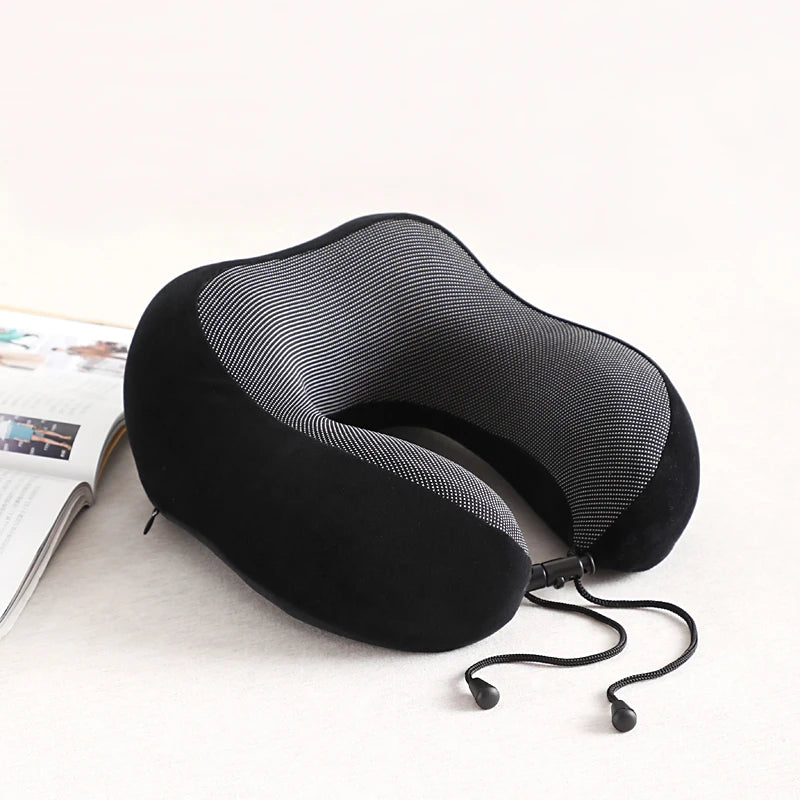
See how proper neck support transforms sleeping posture during travel.
Mini FAQ
Q1: How soon will I notice relief from travel fatigue neck pain?
A: Some users notice less soreness immediately after landing when using proper neck support and posture-aware travel. Others may need 2-3 trips to reset cervical alignment and muscle tone.
Q2: Can I still get neck pain if I sleep flat in a hotel after flying?
A: Yes—because the fatigue and strain started during the flight and may persist until the muscles recover and alignment is restored. Use a pillow that supports your cervical curve and incorporate gentle stretching.
Q3: What are the symptoms that I should see a medical professional instead of relying on travel pillows?
A: If neck pain is accompanied by numbness, tingling, severe headache, dizziness, or weakness in your arms — seek professional evaluation. This goes beyond typical travel fatigue neck pain.
Q4: Can good neck posture during sleep prevent travel fatigue altogether?
A: It dramatically lowers your risk, but it’s only one piece of the puzzle. Combine with movement, hydration, and ergonomic support for full effect. Neglecting other factors may still lead to fatigue.
Your next flight shouldn’t leave you groggy, stiff, and in discomfort. You can travel with confidence — your body supported, your neck aligned, your posture under control. Seize the moment, invest in the right tools and habits, and let your travel routine reflect the luxury and comfort you deserve.
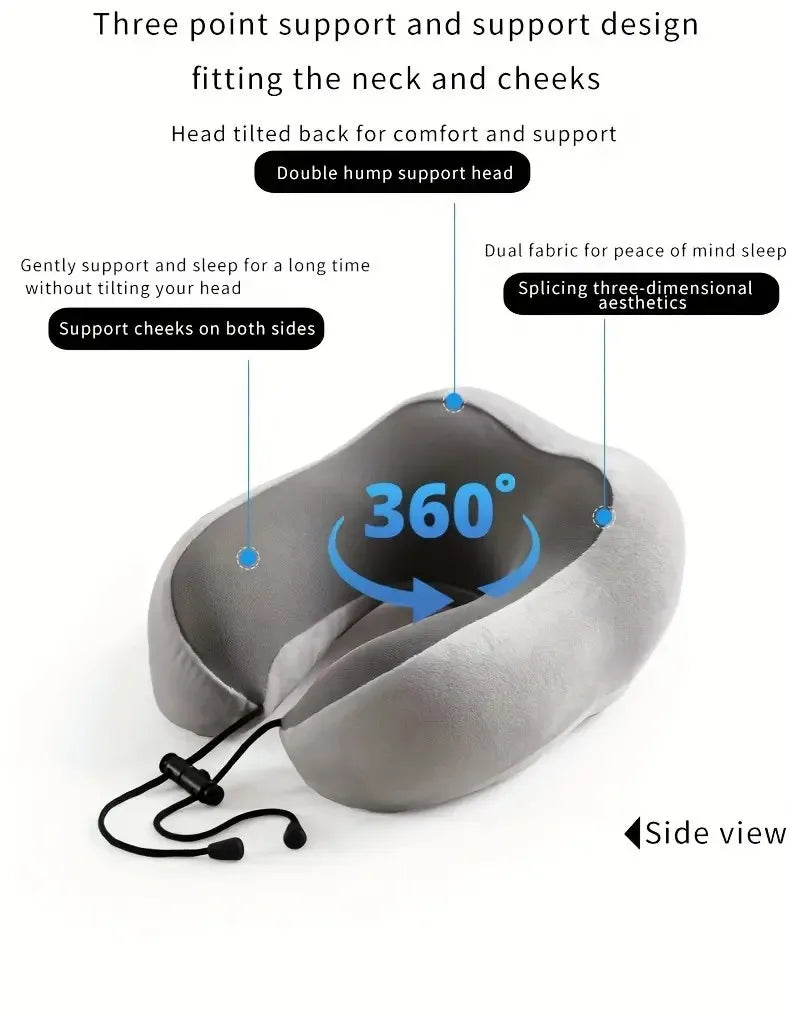
💡 Use the right neck support and end your cycle of travel fatigue neck pain — 👉 Get yours now — limited stock!
Tags: travel fatigue neck pain, fatigue after air travel, travel fatigue cure, bad sleeping positions for neck, proper neck posture while sleeping, neck stiffness relief, travel wellness tips, flight comfort, posture correction, neck pain prevention
::contentReference[oaicite:7]{index=7}Related Articles:
- Prevent Stiff Neck Flights: Your 3-Step Strategy for Effortless Comfort
- Neck Pain During Travel: 5 Quick Fixes You Can Try Right Now
Pillar Articles:













