

⏱ 7 min read
Does a travel memory foam pillow really work?
A travel memory foam pillow supports your neck by molding to your shape, reducing pressure points, and correcting bad posture while sleeping upright. It can instantly relieve neck tension during flights or long drives, mimicking the benefits of a memory foam mattress in a compact, ergonomic design.
If you’ve ever woken up mid-flight with a stiff neck or spent hours trying to find a comfortable sleeping angle in a car, you’re not alone. The struggle is real—and often caused by bad neck posture while sleeping. The good news? A travel memory foam pillow can give you instant neck relief, if you know how to set it up correctly.
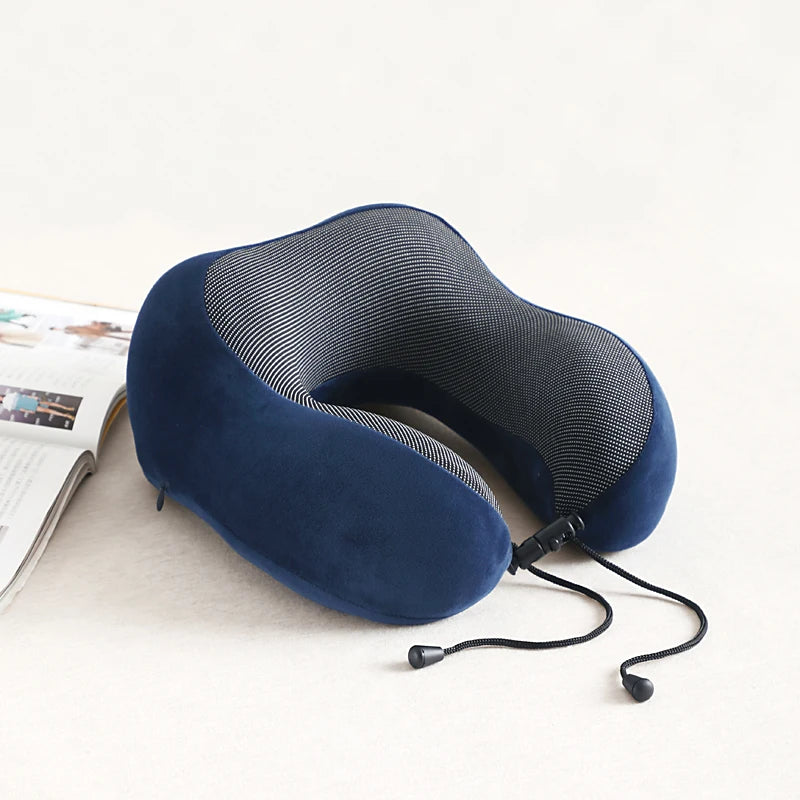
💡 See how the travel memory foam pillow transforms your sleep comfort—anywhere, anytime.
Why Memory Foam Pillows Are Different
The travel memory foam pillow is more than a comfort accessory—it’s a biomechanical support system for your neck. While traditional U-shaped pillows flatten out over time, memory foam responds to body heat and pressure, cradling your neck in perfect alignment.
- Contours to your unique neck shape
- Prevents forward head tilt (a major cause of neck pain)
- Maintains consistent support even after hours of use
- Mimics the benefits of a memory foam mattress in travel form
When properly set up, this compact pillow can prevent the muscle stiffness that ruins post-travel mornings.
Step-by-Step Setup Guide for Instant Neck Relief
Here’s how to use your travel memory foam pillow for maximum comfort and immediate neck support.
How to Set Up Your Travel Memory Foam Pillow (MOFU Featured Snippet)
Follow these simple steps to get the most neck relief from your travel memory foam pillow:
- Unpack and decompress – Remove the pillow from its case and let the memory foam expand for at least 10 minutes before use.
- Adjust positioning – Place the thickest part of the pillow behind your neck, ensuring it fills the gap between your shoulders and headrest.
- Secure the strap (if available) – Fasten the front clip gently to keep the pillow stable while sleeping.
- Lean back naturally – Allow your head to rest into the foam’s contour; avoid pushing your chin forward.
- Relax and breathe – Within minutes, you’ll feel the pressure melt away from your neck and shoulders.

💤 Proper pillow setup can fix bad neck posture while sleeping instantly.
How to Improve Travel Posture with Memory Foam Support
Long trips often mean hours of sitting in unnatural positions. That’s where a travel memory foam pillow works its magic.
- Keep your ears aligned with your shoulders to reduce forward head posture.
- Adjust your seat angle slightly backward for even spine support.
- Use lumbar support or a rolled towel behind your lower back.
- Take micro-breaks to stretch your neck every hour.
Even small adjustments can prevent chronic tension from forming. Pair your pillow with other body care and health devices to maintain posture health beyond travel.
Are Memory Foam Pillows Good or Bad?
It’s a common question: Are memory foam pillows good or bad? Let’s look at both sides.
| ✅ Pros | ❌ Cons |
|---|---|
| Excellent neck and head support | May feel firm initially |
| Adapts to posture and reduces tension | Some users find it warm for long use |
| Long-lasting shape retention | Takes time to decompress after unpacking |
| Ideal for posture correction | Quality varies by brand |
Overall, the benefits outweigh the drawbacks—especially if you choose a premium option like the KentDO U-Shaped Travel Pillow.
The Benefits of Memory Foam—Beyond Travel
Many of the benefits of memory foam mattresses apply to pillows as well. They work by distributing pressure evenly and maintaining spinal alignment, which prevents soreness and fatigue.
- Reduces muscle strain during sleep
- Supports natural cervical curvature
- Improves circulation and sleep quality
- Adapts to temperature for year-round comfort
When you use a travel memory foam pillow regularly, you’re training your body to maintain proper posture—even when you’re not traveling.
Real User Experience: What Travelers Say
Thousands of travelers and remote professionals swear by memory foam travel pillows. Here’s what a few users had to say:
“I used to wake up with neck pain after every flight. With the KentDO travel pillow, my neck finally feels supported—even on 12-hour trips!” – Maria G.
“I was skeptical about memory foam pillows being ‘good or bad,’ but this one made a real difference. I now sleep comfortably even in economy class.” – David L.
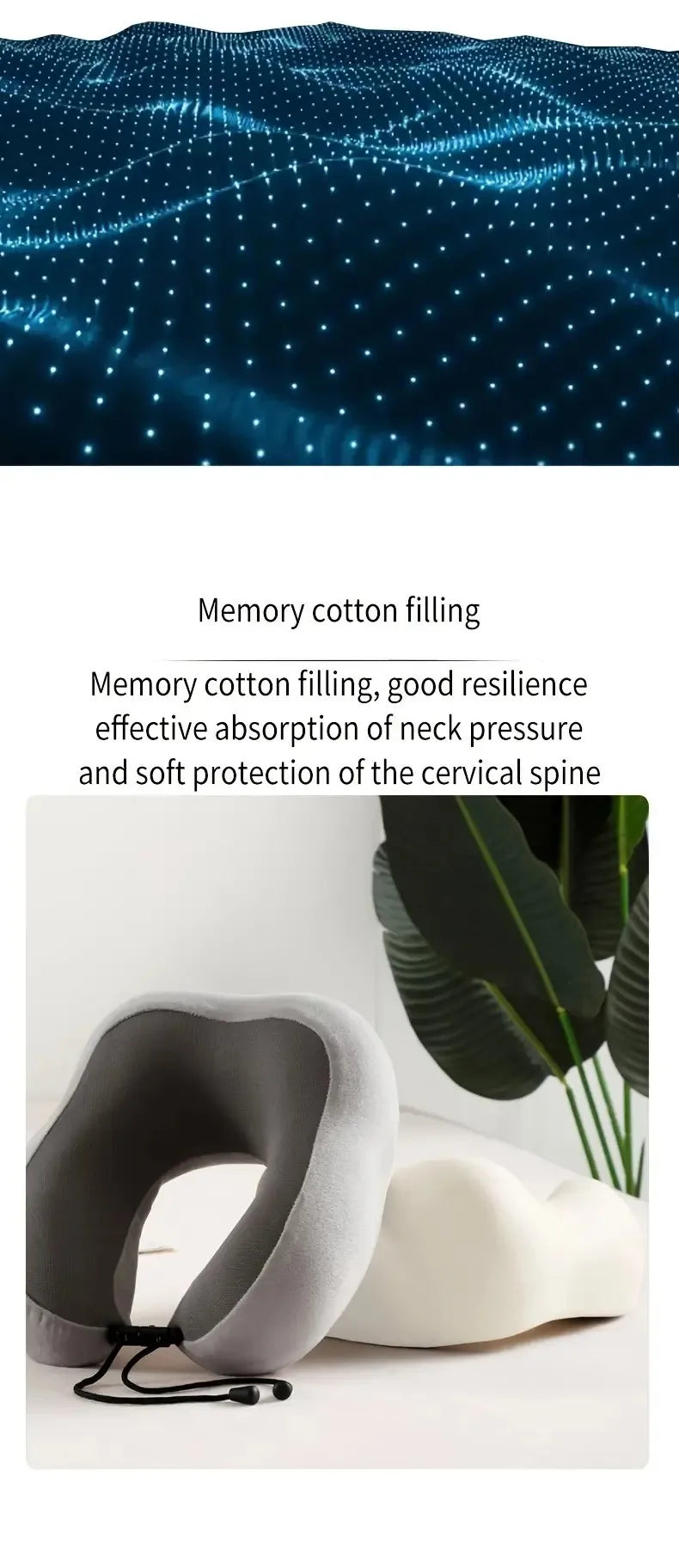
✈️ Trusted by travelers for neck pain relief and better sleep posture.
FAQ: Travel Memory Foam Pillow Setup
1. Do memory foam pillows work for neck pain?
Yes. Memory foam pillows work by evenly supporting your neck’s natural curve, reducing tension, and preventing bad sleeping posture. They’re especially effective during travel when your head tends to fall forward.
2. How long does a travel memory foam pillow last?
With proper care, most memory foam travel pillows last 2–3 years. Store it in a breathable bag and avoid washing the foam core to maintain shape.
3. Can memory foam pillows replace orthopedic pillows?
For many users, yes. A high-quality memory foam travel pillow like KentDO U-Shaped Pillow offers comparable cervical support to orthopedic designs.
4. Are memory foam pillows safe for daily use?
Absolutely. They’re made from hypoallergenic materials and are safe for regular use, whether at home, in the car, or during long-haul flights.
Pillar Article: Best Neck Pillow for Flights: How to Use It Right for Maximum Comfort
Other Related Articles:
- Best Neck Pillow for Plane Naps: How to Wake Up Without a Sore Neck
- Best Pillow for Long Flights: Correct Your Posture Before Takeoff
- Best Neck Pillows for Long Flights: Step-by-Step Guide to Perfect Support
Explore More:













