Travel Mug Cleaning Tips You’ll Wish You Knew Sooner
These travel mug cleaning tips reveal the best ways to keep your favorite drinkware spotless, fresh, and odor-free while protecting your best leak proof travel mug from damage. From daily rinsing habits to deep-cleaning methods, proper care helps extend the life of stainless steel tumblers, including your 32 oz tumbler handle or 24 oz tumbler with handle , while preserving the benefits of durable reusable cups.
⏱ 7 min read
What are the best travel mug cleaning tips?
The best travel mug cleaning tips focus on consistent daily care, safe cleaning products, and proper drying. The best way to clean a travel mug is to rinse it after every use, wash removable parts separately, and perform a weekly deep clean to prevent odors, stains, and buildup.
A simple travel mug hygiene routine includes:
- Daily cleaning: Rinse with warm water and mild dish soap after each use, especially after coffee, tea, or milk-based drinks.
- Weekly deep cleaning: Use baking soda or vinegar solutions to remove hidden residue and odors.
- Safe supplies: Choose soft brushes, microfiber cloths, baking soda, and gentle detergents instead of abrasive chemicals.
- Proper drying: Leave the lid open and allow every component to dry completely before storage.
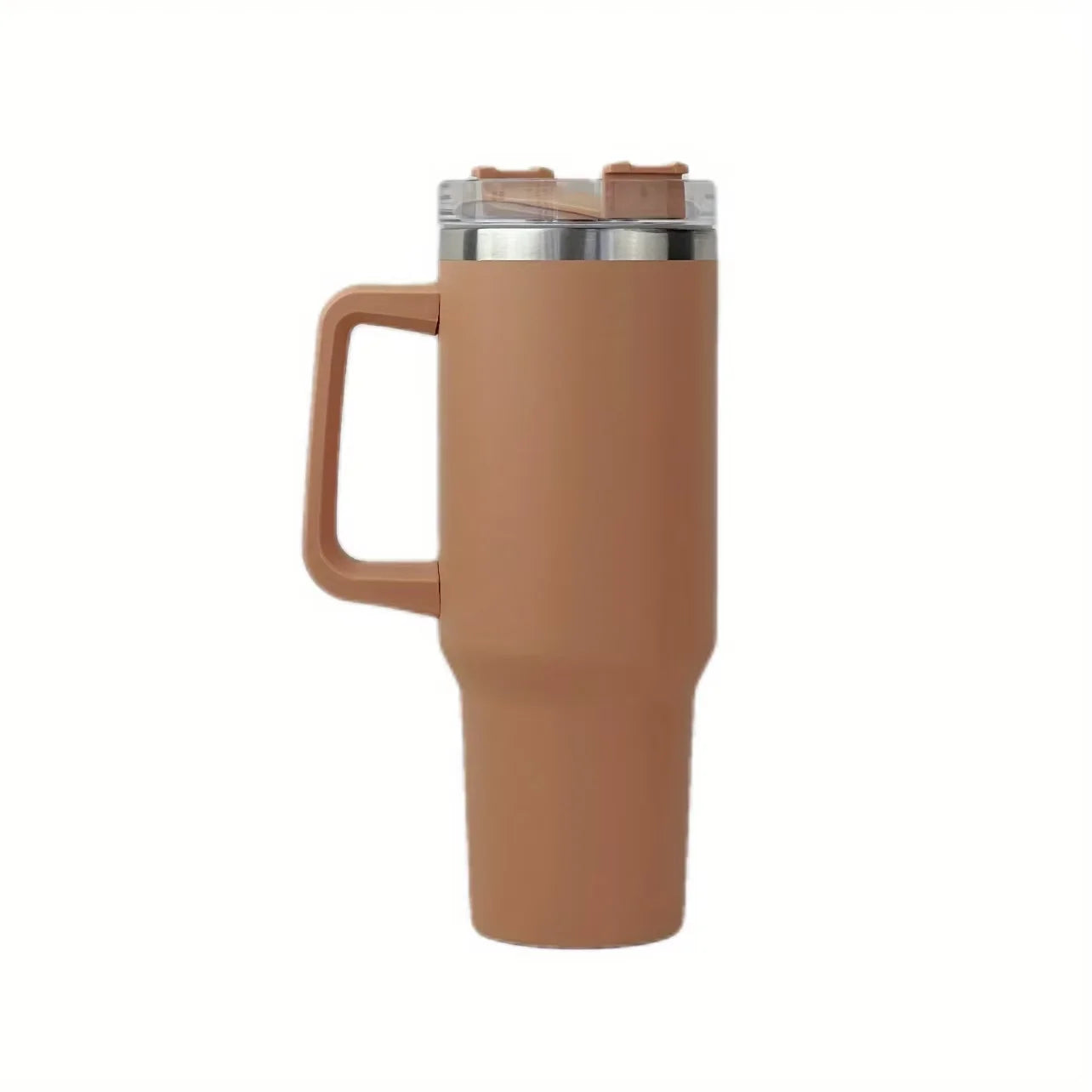
See it in action: simple travel mug cleaning tips that preserve your best leak proof travel mug.
Why Cleaning Your Travel Mug Matters More Than You Think
Many people rinse their travel mugs quickly and assume they are clean. However, coffee oils, tea tannins, milk residue, and sweeteners can stick to the interior surface and create buildup over time. This residue is one of the main reasons a previously fresh drink can start tasting stale.
Good travel mug hygiene also helps prevent unpleasant smells caused by trapped moisture inside lids, silicone seals, and narrow drinking openings. If you are wondering how to remove odors from a travel mug , the solution is usually a deeper clean that reaches areas a normal rinse misses.
Regular maintenance can also protect your mug’s performance. A properly cleaned stainless steel tumbler helps maintain its appearance, insulation ability, and leak-resistant components. Keeping your best leak proof travel mug clean ensures it remains reliable for commuting, travel, workouts, and everyday hydration.
Common Cleaning Mistakes That Damage Your Mug
Even durable tumblers can lose their finish, develop odors, or experience seal problems when cleaned incorrectly. Avoid these common travel mug cleaning hacks mistakes to improve longevity.
Using abrasive cleaners
Strong chemicals, rough scrubbers, and abrasive powders can scratch stainless steel surfaces and damage protective finishes. For stainless steel travel mug cleaning , use soft brushes and gentle cleaners that remove buildup without harming the material.
Leaving moisture under seals
Silicone gaskets and rubber seals can trap small amounts of water after washing. If moisture remains trapped, it may contribute to unpleasant smells. Always remove seals when possible and dry them completely before reassembly.
Ignoring lids and gaskets
The lid is often the dirtiest part of a travel mug because coffee residue and moisture collect around small openings. Cleaning only the cup body leaves hidden buildup behind.
Mixing vinegar and baking soda incorrectly
Baking soda and vinegar are both useful cleaning ingredients, but combining them at the same time creates a reaction that reduces their individual cleaning power. Use baking soda for scrubbing and odor absorption, then use diluted vinegar separately when needed.
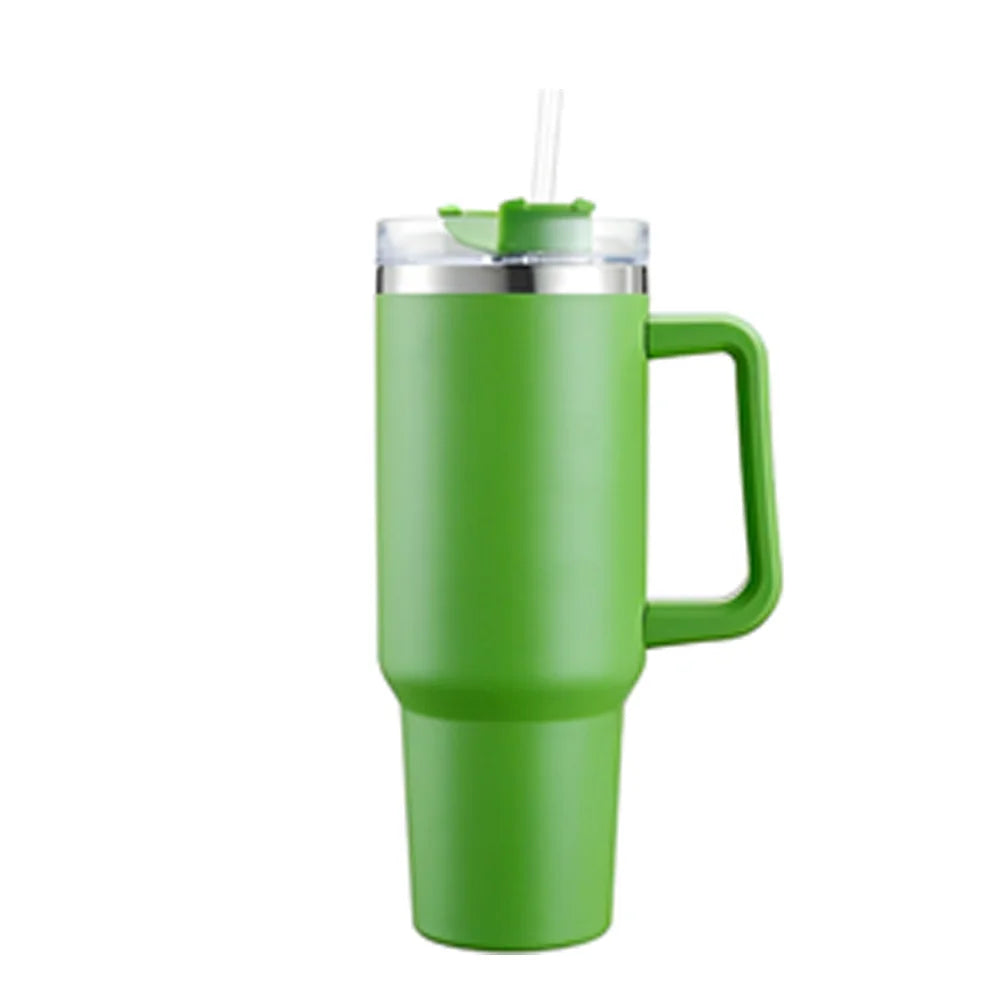
Cleaning mistakes can shorten your tumbler’s life — learn how to protect it today.
Step-by-Step: How to Clean a Travel Mug Thoroughly
Follow these steps to learn how to clean a travel mug thoroughly while removing stains, odors, and hidden residue.
Daily cleaning routine
- Empty the mug immediately after use.
- Rinse with warm water to remove leftover drink residue.
- Wash with mild dish soap and a soft bottle brush.
- Leave the mug and lid separated to dry completely.
Deep cleaning with baking soda
- Add 1–2 tablespoons of baking soda to the mug.
- Fill with warm water and allow it to soak for 15–30 minutes.
- Scrub gently with a non-abrasive brush.
- Rinse thoroughly before use.
Cleaning with vinegar safely
For stubborn smells, add a small amount of white vinegar with warm water and let it sit briefly before rinsing. Vinegar can help neutralize odors, but always rinse thoroughly afterward to avoid affecting drink taste.
Removing stubborn coffee and tea stains
For dark stains, create a baking soda paste and gently rub affected areas. Avoid steel wool or rough scrubbers that can scratch stainless steel.
These methods work well for stainless steel drinkware like the KentDO 40oz Tumbler , helping preserve insulation and appearance.
How to Clean a Travel Mug Lid, Gasket, Straw, and Sliding Mechanism
Disassembling removable parts
The best way to clean a travel mug lid is to remove every detachable component, including silicone rings, sliders, and straws. These areas often collect moisture and drink residue.
Cleaning silicone seals
Wash silicone gaskets separately with warm soapy water. Use a small brush or toothbrush to reach grooves where residue can accumulate.
Cleaning straws and sliders
Reusable straws should be cleaned with a narrow straw brush. Sliding mechanisms should be opened, rinsed, and dried fully before putting the lid back together.
When to replace worn gaskets
Replace seals when they become cracked, stretched, permanently stained, or unable to maintain a secure closure. A damaged gasket can affect leak resistance and freshness.
How to Clean Different Types of Travel Mugs
Stainless steel
For how to clean a stainless steel travel mug , use mild soap, warm water, baking soda, and soft brushes. Avoid bleach, harsh chemicals, and abrasive tools.
Ceramic-lined
Ceramic-lined mugs need gentle cleaning because chips or cracks in the coating can affect durability. Avoid aggressive scrubbing.
Plastic
Plastic mugs can absorb odors more easily. Frequent washing and complete drying help prevent lingering smells.
Vacuum-insulated
Vacuum-insulated mugs should be cleaned carefully around seals and lids. Protecting the exterior and insulation components helps maintain temperature performance.
Dishwasher Safety: What Can and Cannot Go In
Body
Some stainless steel mug bodies may be dishwasher-safe, but hand washing is often recommended to protect finishes and insulation performance.
Lid
Lids may contain plastic parts, silicone seals, or moving components that can warp under high heat.
Rubber seals
High temperatures can affect gasket flexibility and create sealing problems over time.
Manufacturer instructions
Always follow the cleaning instructions provided with your specific travel mug. Proper care can also help maintain product warranties.
Pro Tips to Keep Your Mug Fresh Longer
Drying correctly
Never store a travel mug while damp. Keep the lid separated and allow airflow through every component.
Preventing odors
Rinse immediately after drinking coffee or tea, avoid leaving beverages inside overnight, and deep clean regularly.
Weekly maintenance schedule
- Daily: rinse and wash after use.
- Weekly: deep clean with baking soda or vinegar.
- Monthly: inspect seals, sliders, and hard-to-reach areas.
Storage best practices
Store your mug without the lid tightly closed to prevent trapped moisture and unwanted smells.
Travel Mug Cleaning FAQ
How often should I clean my travel mug?
Wash your travel mug after every use. A weekly deep clean helps remove hidden residue, coffee oils, and odors.
Can I put my stainless steel travel mug in the dishwasher?
Some parts may be dishwasher-safe, but hand washing is usually the safest option for protecting insulation, finishes, and seals.
What removes coffee stains from stainless steel?
Baking soda paste is one of the safest options. Apply gently, scrub with a soft brush, and rinse completely.
How do I remove odors from a travel mug?
Soak the mug with warm water and baking soda or diluted vinegar, then allow it to air dry fully.
Can baking soda damage stainless steel?
No. Baking soda is generally considered gentle for stainless steel when used correctly and without aggressive scrubbing.
Why does my lid still smell after washing?
Lid odors usually come from trapped residue inside seals, sliders, or small openings. Disassemble the lid and clean each part separately.
Pillar Article: Guide to Vacuum Insulation: Why It’s the Secret to Perfect Temperature Control
Other Related Articles:
Explore More: