

Truck Cab Heater Repair: Diagnose and Fix a Truck Heater Not Working Fast
Why is my truck heater not working and how can I fix it fast?
Truck heater not working problems are most commonly caused by low coolant, air trapped in the cooling system, a clogged heater core, a stuck thermostat, a faulty blower motor, blend door actuator issues, or diesel heater fuel delivery faults. Many cases of truck cab heater repair begin with simple inspections such as checking coolant level, confirming the engine reaches operating temperature, testing blower operation, and inspecting the heater core hoses before replacing parts.
Because a failed heater can reduce windshield defrosting performance and driver comfort, address heating problems as soon as possible. If your engine is overheating, coolant is leaking, or warning lights appear, stop driving and diagnose the cooling system before continuing.
For the fastest diagnosis, start with the 5-Minute Truck Heater Troubleshooting Checklist , then follow the step-by-step diagnostic workflow later in this guide to match your symptoms with the most likely cause and repair.
⏱ 6 min read
When your truck heater not working leaves you driving through freezing weather, the problem affects more than comfort. Cold hands can reduce control, windows may fog more easily, and long trips become more fatiguing. The good news is that most truck heating problems follow predictable patterns, making them easier to diagnose once you understand how the heating system operates.
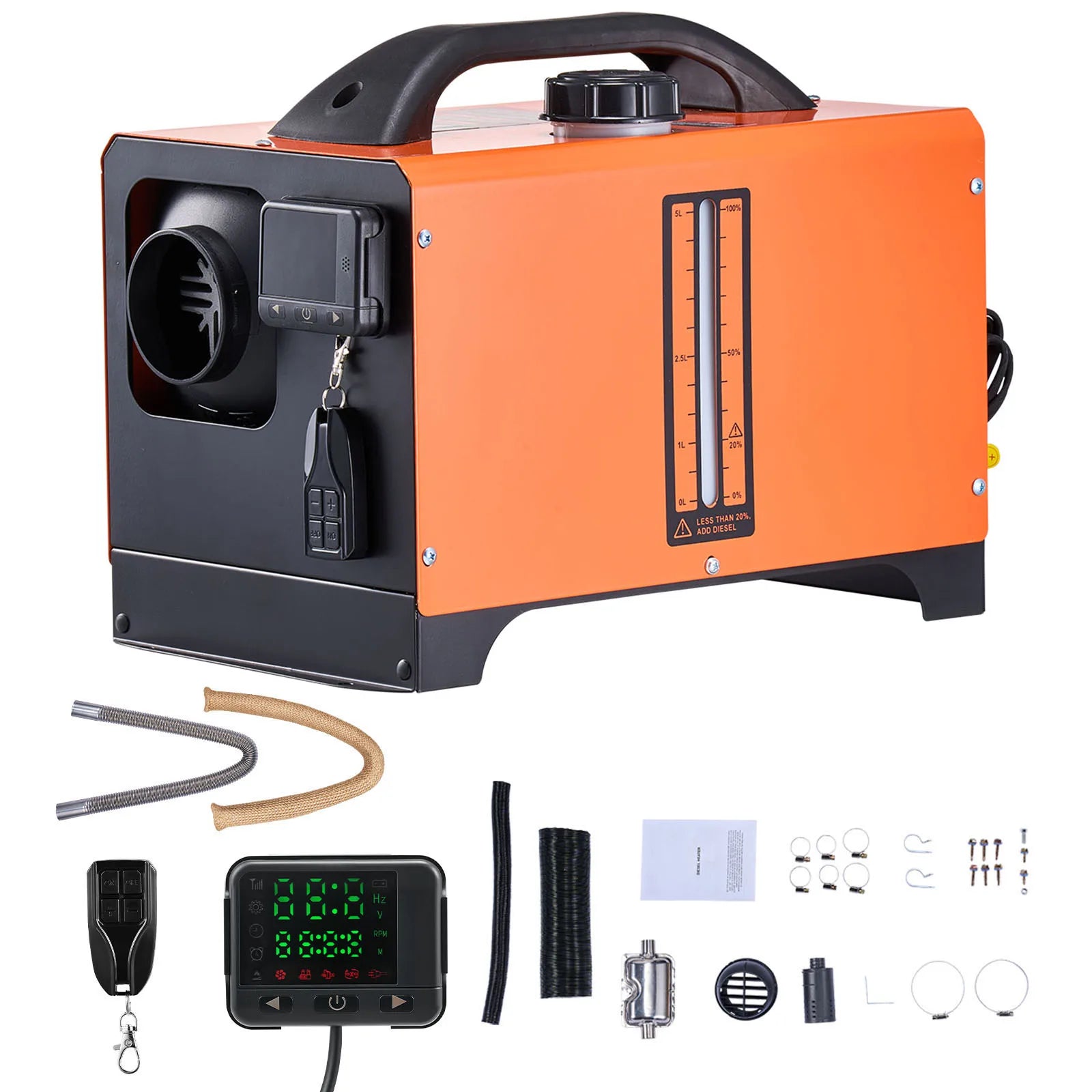
Truck heater not working during winter drives? See it in action.
Feeling frozen already? If warm air disappears after only a few minutes, the problem is often related to restricted coolant flow, an HVAC airflow fault, or a diesel heater fuel delivery issue. Start with the diagnostic checklist before replacing expensive components.
Common Symptoms of Truck Heater Problems
If your truck heater not working problem has just appeared, identifying the symptoms first can significantly reduce diagnosis time. Different symptoms usually point to different components within the cooling or HVAC system.
- Truck heater blowing cold air even after the engine reaches normal operating temperature
- Weak or inconsistent airflow from dashboard vents
- Heat only returns while driving at higher engine RPM
- Engine temperature remains unusually low
- Sweet coolant smell inside the cab indicating a possible heater core leak
- Windows fogging repeatedly despite using the defroster
- Strange noises from the blower motor or fan
- Intermittent heating or complete loss of cabin heat
These symptoms commonly indicate problems with coolant circulation, the thermostat, heater core, blower motor, blend door system, or other truck HVAC problems . Observing exactly when the problem occurs—such as only while idling or only during cold starts—can further narrow the diagnosis.
How a Truck Heating System Works (Quick Overview)
Understanding how a truck heater works makes troubleshooting much easier. The heating system relies on both the engine cooling system and the HVAC system working together to deliver warm air into the cab.
Coolant circulation
As the engine reaches operating temperature, coolant absorbs heat and circulates through hoses to the heater core. Adequate coolant level and unrestricted flow are essential for consistent cabin heat.
Heater core
The heater core functions like a compact radiator inside the dashboard. Hot coolant passes through its narrow passages while air flows across the fins, transferring engine heat into the cabin.
Blend door actuator and HVAC controls
The blend door actuator adjusts how much air passes through the heater core. If the actuator or HVAC controls fail, the system may continue delivering cold air even when the heater core is hot.
Blower motor and resistor
The blower motor pushes air through the HVAC ducts, while the blower resistor controls fan speed. A failed motor can eliminate airflow completely, whereas a faulty resistor often causes one or more fan speeds to stop working.
Thermostat and heater control valve
The thermostat regulates engine temperature by controlling coolant circulation. Some trucks also use a heater control valve to manage coolant flow into the heater core. If either component sticks or fails, heating performance can drop significantly.
When any of these components malfunction, you may experience heat not working in truck , inconsistent cabin temperatures, or reduced defrost performance. Understanding each component's role helps identify whether the fault is mechanical, coolant-related, or electrical before beginning repairs.
Why is My Truck Heater Not Working? (Main Causes Explained)
If you're asking, why is my truck heater not working , the answer usually falls into one of four categories: coolant circulation problems, HVAC airflow faults, electrical failures, or component wear. Identifying the affected system first can save time and prevent replacing parts unnecessarily.
Low coolant
Low coolant is one of the leading causes of heating failure. Without enough coolant circulating through the heater core, there isn't sufficient heat to warm the cabin. Low coolant may also indicate a leak that should be repaired before simply topping off the reservoir.
Stuck thermostat
A thermostat stuck open prevents the engine from reaching normal operating temperature, resulting in lukewarm or cold air from the vents. If the temperature gauge consistently stays below normal after several minutes of driving, the thermostat is a likely suspect.
Clogged heater core
Over time, rust, scale, or contaminated coolant can restrict the heater core. Common symptoms include one heater hose being significantly cooler than the other, poor cabin heat, or reduced performance that worsens over time.
Faulty blower motor or resistor
If air barely comes through the vents—or doesn't come through at all—the blower motor or blower resistor may have failed. A faulty resistor often causes one or more fan speeds to stop working, while a failed blower motor can eliminate airflow entirely.
Blend door actuator failure
The blend door actuator controls whether air passes through the heater core or bypasses it. A failed actuator may leave the system blowing cold air even when the engine and heater core are fully warmed up.
Heater control valve
Some trucks use a heater control valve to regulate coolant flow into the heater core. If the valve sticks closed or becomes damaged, hot coolant cannot circulate properly, reducing heating performance.
HVAC fuse or control issue
Electrical problems such as a blown HVAC fuse, damaged wiring, faulty climate control module, or defective control switch can interrupt blower operation or prevent the heating system from functioning correctly.
Quick Diagnosis Checklist (5-Minute Truck Heater Troubleshooting)
Before beginning major truck heating system repair , perform these quick inspections. Many heating problems can be identified in just a few minutes.
- Perform a visual inspection for coolant leaks around hoses, the radiator, and beneath the truck.
- Verify the coolant level is within the recommended range when the engine is cool.
- Start the engine and confirm it reaches normal operating temperature on the gauge.
- Set the HVAC controls to maximum heat and test every blower speed.
- Inspect HVAC-related fuses if the blower motor does not operate.
- Feel both heater core hoses after the engine warms up. Both should be hot, although a slight temperature difference is normal.
- If available, scan for OBD diagnostic trouble codes that may indicate engine temperature sensor or HVAC-related faults.
These simple checks help distinguish between coolant circulation issues, airflow restrictions, and electrical problems before more involved repairs are required.
Step-by-Step Diagnostic Flow (Symptom → Cause → Fix)
No heat at all
Likely causes: Low coolant, thermostat stuck open, heater control valve failure, or severe heater core restriction.
Recommended fix: Verify coolant level, confirm the engine reaches operating temperature, inspect heater hose temperatures, and replace the faulty component identified during diagnosis.
Truck heater blowing cold air
Likely causes: Air trapped in the cooling system, clogged heater core, blend door actuator failure, or insufficient coolant circulation.
Recommended fix: Bleed the cooling system, inspect heater core flow, verify blend door operation, and flush the heater core if restricted.
Weak airflow
Likely causes: Dirty cabin air filter, failing blower motor, defective blower resistor, or blocked HVAC ducts.
Recommended fix: Replace the cabin air filter, test blower motor operation, inspect the resistor, and check for obstructions inside the ventilation system.
Intermittent heat
Likely causes: Sticking thermostat, loose electrical connections, failing blend door actuator, or inconsistent coolant flow.
Recommended fix: Monitor engine temperature, inspect HVAC electrical connections, and test actuator operation before replacing components.
Coolant leak or sweet smell
Likely causes: Leaking heater core, damaged heater hoses, loose hose clamps, or other cooling system leaks.
Recommended fix: Pressure-test the cooling system, locate the leak, repair or replace the affected component, and refill the cooling system according to manufacturer specifications.
Windows fogging inside cab
Likely causes: Heater core leakage allowing coolant vapor into the cabin or excessive interior moisture combined with reduced defroster performance.
Recommended fix: Inspect for coolant residue on the windshield or passenger-side floor, verify heater core condition, and repair any coolant leaks before continuing to drive.
Diesel Heater Troubleshooting for Trucks
A standalone diesel heater for truck uses its own fuel supply, combustion chamber, and electronic controls to provide cabin heat without relying on engine temperature. When problems occur, they are usually related to fuel delivery, ignition, airflow, or controller faults rather than the engine cooling system.
Fuel supply
Insufficient fuel flow is one of the most common reasons a diesel parking heater fails to start or shuts down shortly after ignition. Inspect the fuel pickup, lines, and filter for leaks, air intrusion, kinks, or contamination.
Glow plug
A worn glow plug or igniter can prevent proper combustion, resulting in repeated start attempts, smoke during startup, or automatic shutdown. Inspect the glow plug if the heater consistently struggles to ignite.
Air intake and exhaust
Blocked intake or exhaust passages reduce combustion efficiency and may trigger safety shutdowns. Make sure both pathways remain clear of snow, mud, debris, or ice during winter operation.
Controller faults
Modern diesel heaters monitor operating conditions electronically. Faulty wiring, damaged sensors, low battery voltage, or controller errors can interrupt normal operation. If your unit displays diagnostic codes, consult the manufacturer's troubleshooting chart before replacing components.
Common fixes
- Inspect fuel lines for leaks, air pockets, or restrictions.
- Clean or replace the fuel filter if contamination is suspected.
- Test and replace the glow plug if ignition is unreliable.
- Verify battery voltage meets the heater's operating requirements.
- Ensure intake and exhaust pipes remain unobstructed.
- Restart the heater after correcting the fault and allow it to complete a normal operating cycle.
Routine maintenance—including clean fuel, periodic inspections, and keeping air passages clear—helps prevent many common diesel heater troubleshooting issues during cold-weather driving.
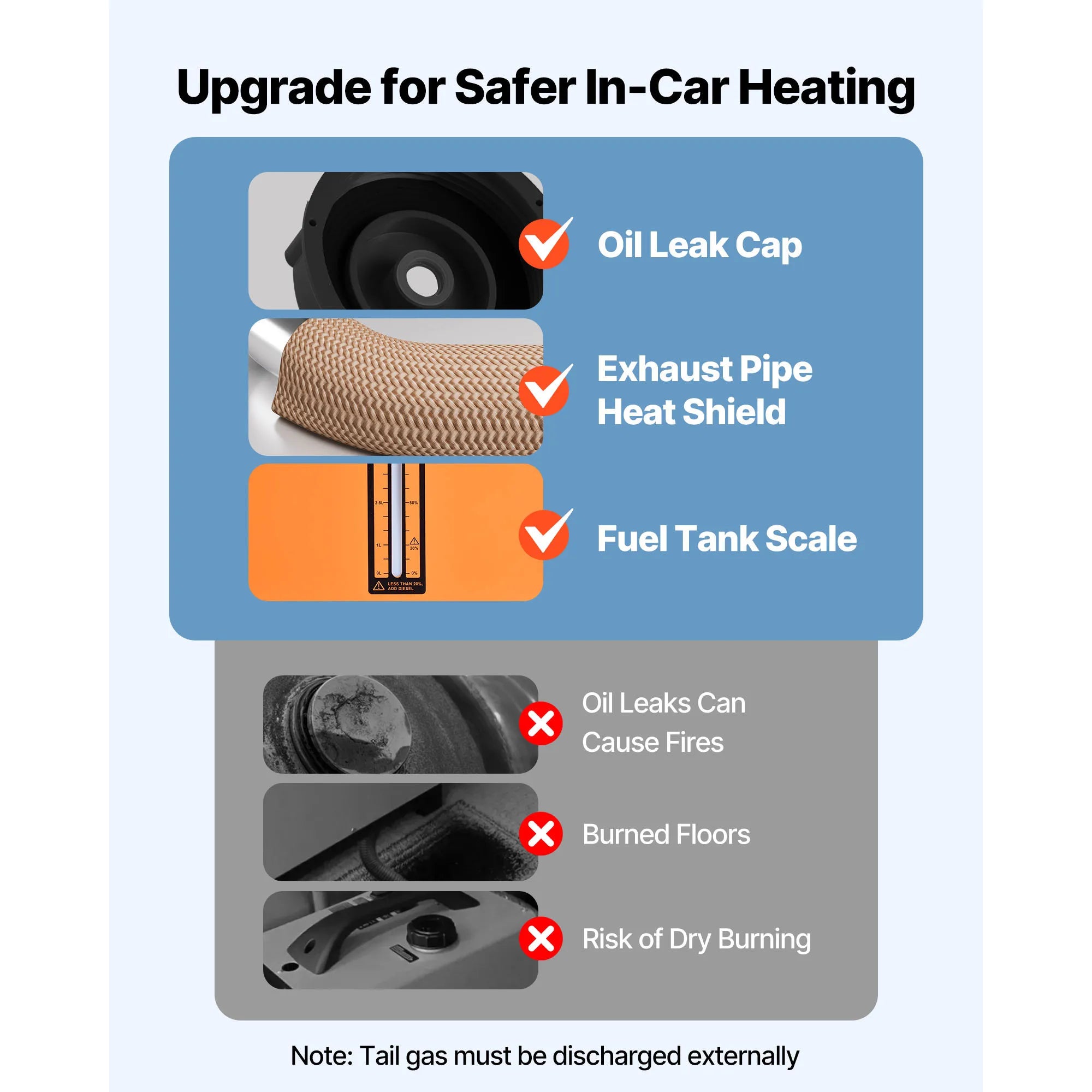
Diesel heater troubleshooting for fast winter warmth. See it in action.
Truck HVAC Problems and Blower System Issues
If cabin airflow is weak or inconsistent while the engine reaches normal temperature, the problem is often within the HVAC system rather than the cooling system. Proper electrical diagnosis can quickly identify the affected component.
Blower motor
A failing blower motor may produce squealing noises, operate intermittently, or stop working completely. Check for power at the motor before replacing it.
Blower resistor
If only one or two fan speeds work, the blower resistor is a common failure point. Replacing the resistor usually restores normal fan speed control.
HVAC controls
Faulty switches, damaged wiring, climate control modules, or failed blend door controls can prevent warm air from reaching the vents even when the heater core is hot.
Cabin air filter
A dirty cabin air filter restricts airflow through the HVAC system, reducing both heating and windshield defrost performance. Replacing the filter at recommended service intervals is one of the simplest ways to maintain consistent cabin airflow.
When diagnosing truck HVAC problems , always verify blower operation, inspect fuses, test electrical connections, and confirm unrestricted airflow before replacing major heating components.
How to Fix Truck Cab Heater Repair Issues (Step-by-Step Guide)
Most truck cab heater repair jobs follow a logical sequence, starting with the simplest inspections before replacing more expensive components. Allow the engine to cool completely before opening the cooling system, wear appropriate safety equipment, and use the coolant type recommended by the manufacturer.
Refill coolant and bleed air
DIY difficulty: Easy
Basic tools: Correct coolant, funnel, safety gloves.
- Verify coolant level with the engine completely cool.
- Fill the radiator and overflow reservoir to the specified level.
- Run the engine with the heater set to maximum temperature.
- Bleed trapped air if the vehicle is equipped with a bleed valve.
- Confirm stable coolant level after the engine reaches operating temperature.
Flush heater core
DIY difficulty: Moderate
If the heater core is restricted, flushing may restore coolant circulation. Learn more about the heater core and how it functions.
- Disconnect both heater hoses.
- Flush the heater core until clean water flows freely.
- Reconnect hoses securely.
- Refill coolant and verify proper heating performance.
Replace thermostat
DIY difficulty: Moderate
If the engine never reaches normal operating temperature, replacing a stuck-open thermostat often restores proper cabin heat while improving engine efficiency.
Replace blower motor or resistor
DIY difficulty: Moderate
Replace the blower motor if airflow is absent despite electrical power. Replace the blower resistor if only selected fan speeds function.
Replace blend door actuator
DIY difficulty: Moderate to advanced
If diagnostic testing confirms the blend door is not directing air through the heater core, replacing the actuator can restore proper temperature control.
Replace heater control valve
DIY difficulty: Moderate
On trucks equipped with a heater control valve, replace the valve if it fails to open fully or leaks coolant.
Replace cabin air filter
DIY difficulty: Easy
A new cabin air filter improves airflow, heating efficiency, and defroster performance while reducing strain on the HVAC system.
Restore diesel heater fuel flow
DIY difficulty: Moderate
Inspect the fuel supply, remove air from the fuel line if required by the heater manufacturer, replace clogged filters, and verify unrestricted fuel delivery before restarting the heater.
Truck Heater Repair Cost, Time, and Difficulty
The cost of truck cab heater repair depends on which component has failed, how accessible it is, and your truck's make and model. Many airflow-related repairs are inexpensive, while heater core replacement often requires extensive labor.
| Repair | DIY Difficulty | Typical Labor Time | Typical Cost |
|---|---|---|---|
| Coolant refill and system bleed | Easy | 30–60 minutes | Low |
| Cabin air filter replacement | Easy | 10–30 minutes | Low |
| Thermostat replacement | Moderate | 1–2 hours | Moderate |
| Blower motor or resistor replacement | Moderate | 1–3 hours | Moderate |
| Heater core flush | Moderate | 1–2 hours | Low to Moderate |
| Heater core replacement | Advanced | 2–6 hours | High |
Routine maintenance can often prevent expensive repairs. Replacing a clogged cabin air filter or correcting low coolant early is significantly less costly than replacing a damaged heater core or repairing an overheated engine.
When to Call a Mechanic vs DIY Repair
Many truck heater troubleshooting tasks are suitable for experienced DIY owners, but certain repairs require specialized tools, cooling system equipment, or dashboard disassembly.
- Persistent coolant leaks that cannot be easily located.
- Engine overheating combined with poor heater performance.
- Repeated loss of coolant after refilling.
- Electrical faults involving HVAC modules, wiring, or control units.
- Blend door actuator replacement requiring dashboard removal.
- Heater core replacement on trucks with complex HVAC assemblies.
If the engine overheats, coolant enters the passenger compartment, or electrical diagnosis exceeds your experience level, professional repair is the safest option. Proper diagnosis helps prevent unnecessary parts replacement and additional damage.
Truck Cab Heater Repair FAQ
Why is my truck heater blowing cold air even when the engine is warm?
If the engine has reached normal operating temperature but the vents still blow cold air, common causes include a clogged heater core, trapped air in the cooling system, a failed blend door actuator, or restricted coolant flow to the heater core.
How do I know if my heater core is clogged or leaking?
A clogged heater core often causes weak cabin heat while both heater hoses show different temperatures. A leaking heater core may produce a sweet coolant smell, fogging inside the cab, damp carpeting, or gradual coolant loss.
Can low coolant cause the cab heater to stop working?
Yes. Low coolant reduces the amount of hot coolant reaching the heater core, making it one of the most common reasons a truck heater stops producing warm air.
What is the most common cause of weak airflow from truck vents?
A dirty cabin air filter, failing blower motor, defective blower resistor, or blocked HVAC ducts are among the most frequent causes of reduced airflow.
Should I replace the thermostat before replacing the heater core?
Not necessarily. Test the thermostat first. If the engine never reaches operating temperature, replacing the thermostat is often the correct repair. If the engine warms normally but cabin heat remains poor, inspect the heater core before replacing it.
How much does truck cab heater repair typically cost?
Simple repairs such as coolant service or cabin air filter replacement are relatively inexpensive, while heater core replacement is typically the most expensive repair because of the labor required to access the HVAC housing.
Can I drive with no cab heat?
Driving without cabin heat is possible in mild weather, but it is not recommended in cold conditions because defrost performance is reduced, windows may fog more easily, and driver comfort and concentration can decline. If the heater problem is accompanied by engine overheating or coolant loss, stop driving until the cooling system has been repaired.
Most truck heating problems can be resolved efficiently by following a systematic diagnostic process. Identifying the correct fault before replacing components saves both time and repair costs while restoring reliable cabin heat and safe windshield defrosting.
Related Guide: How Does a Diesel Heater Work Step by Step Guide













